Resumate: A Deep Dive into the Repair-and-Resume Layer for LangGraph Agents
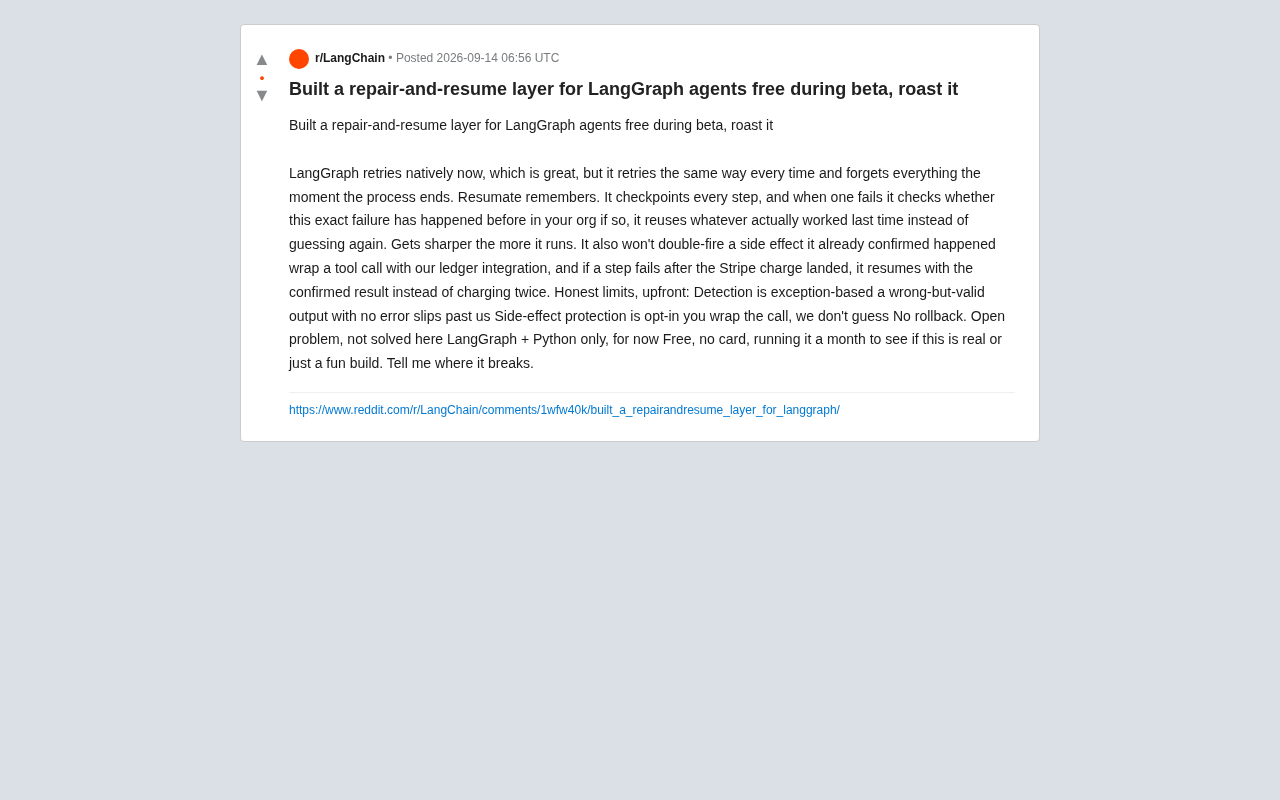
Resumate adds stateful checkpoints and idempotent side-effect guards to fill LangGraph's native retry gaps.
LangGraph's native retry has two core flaws: it always retries the same way and retains no history across process restarts. Resumate addresses this with memory-aware checkpointing that reuses proven fixes for recurring failures, and a ledger-based side-effect guard that prevents irreversible operations like Stripe charges from firing twice on retry. The author is upfront about three key limitations — exception-only detection, opt-in side-effect protection, and no rollback support — clearly marking the tool's boundaries. Currently in free public beta for LangGraph + Python only.
When LangGraph's Native Retry Isn't Enough
LangGraph now ships with built-in retry logic, which is a welcome addition — but its approach has two notable shortcomings: it retries the same way every time, and it forgets everything the moment a process ends. In other words, native retries are "memoryless" — they don't learn from past failures and can't resume execution state after a process restart.
One developer built a tool called Resumate to address exactly this pain point, posting it on Reddit with an open invitation to "roast it" during free public beta. Its positioning is clear: add a repair-and-resume layer on top of LangGraph agents.
What Problem Resumate Actually Solves
Checkpoints with Memory
The core idea behind Resumate is remembering. It checkpoints each execution step, and when a step fails, it checks whether this exact failure has occurred before within your organization. If it has, it reuses the approach that actually worked last time — rather than guessing again from scratch.
The author emphasizes that this system "gets smarter the more it runs" — the more executions accumulate, the richer the failure-to-fix knowledge base becomes, and the more accurate future decisions are. At its heart, this turns past debugging knowledge into a reusable asset, rather than letting every failure start from zero.
Preventing Duplicate Side Effects
The second key capability is preventing side effects from being triggered more than once. The author gives a very concrete example: wrapping tool calls with ledger integrations, so that if a step fails after a Stripe charge has already gone through, Resumate resumes with the "confirmed result" — rather than charging the card again.
For any agent workflow involving payments, messaging, database writes, or other irreversible operations, this "confirmed means don't repeat" guarantee is highly practical. The most dangerous aspect of naive retry logic is precisely this: blind retries can cause real business incidents like duplicate charges or duplicate orders.
Limitations the Author Openly Acknowledges
One of the more commendable aspects of this project is that the author puts the limitations front and center, rather than only highlighting the wins:
- Detection is exception-based: If an output is "wrong but valid" — meaning no exception was thrown and the format is fine, but the content is actually incorrect — those cases slip through. This is an inherent blind spot of exception-driven approaches.
- Side-effect protection is opt-in: You need to explicitly wrap the calls yourself; the tool won't automatically infer which operations have side effects.
- No rollback: This remains an open, unsolved problem — the author explicitly states it's "not solved here."
- LangGraph + Python only: No support beyond this specific combination at this time.
These limitations effectively draw the tool's capability boundary. In particular, the lack of rollback and the inability to catch wrong-but-valid outputs mean Resumate is better suited for handling clear-cut failures with explicit exceptions, rather than semantic errors.
Engineering Value and Risk, in Perspective
Upgrading retries from "stateless and blind" to "memory-aware, resumable, and side-effect-safe" is the right direction. For agent workflows in production environments, idempotency and state persistence have long been thorny problems, and Resumate attempts to address them head-on with a combination of checkpointing and ledger-based integrations.
That said, a clear-eyed view is warranted: opt-in side-effect protection means safety depends entirely on whether the developer remembers to wrap every critical call — miss one, and you're back to the original risk. Exception-driven detection is powerless against silent errors. These aren't trivial edge cases — they fall squarely in the territory where production reliability matters most.
The tool is currently in public beta, free with no credit card required. The author plans to run it for a month to validate whether "this is a real need or just a fun project." This build-in-public, openly-solicit-criticism approach is itself a commendable open-source practice.
Summary
Resumate fills two gaps in LangGraph's native retry: memory and idempotency. The case for preventing duplicate Stripe charges is particularly compelling. But its exception-driven detection, opt-in side-effect protection, and lack of rollback mean it's currently more of a targeted patch for specific pain points than a general-purpose reliability solution. For teams building production-grade agents with LangGraph + Python, taking it for a spin during the free beta — and doing exactly what the author asked, telling him where it breaks — is probably the most useful way to engage.
Related articles
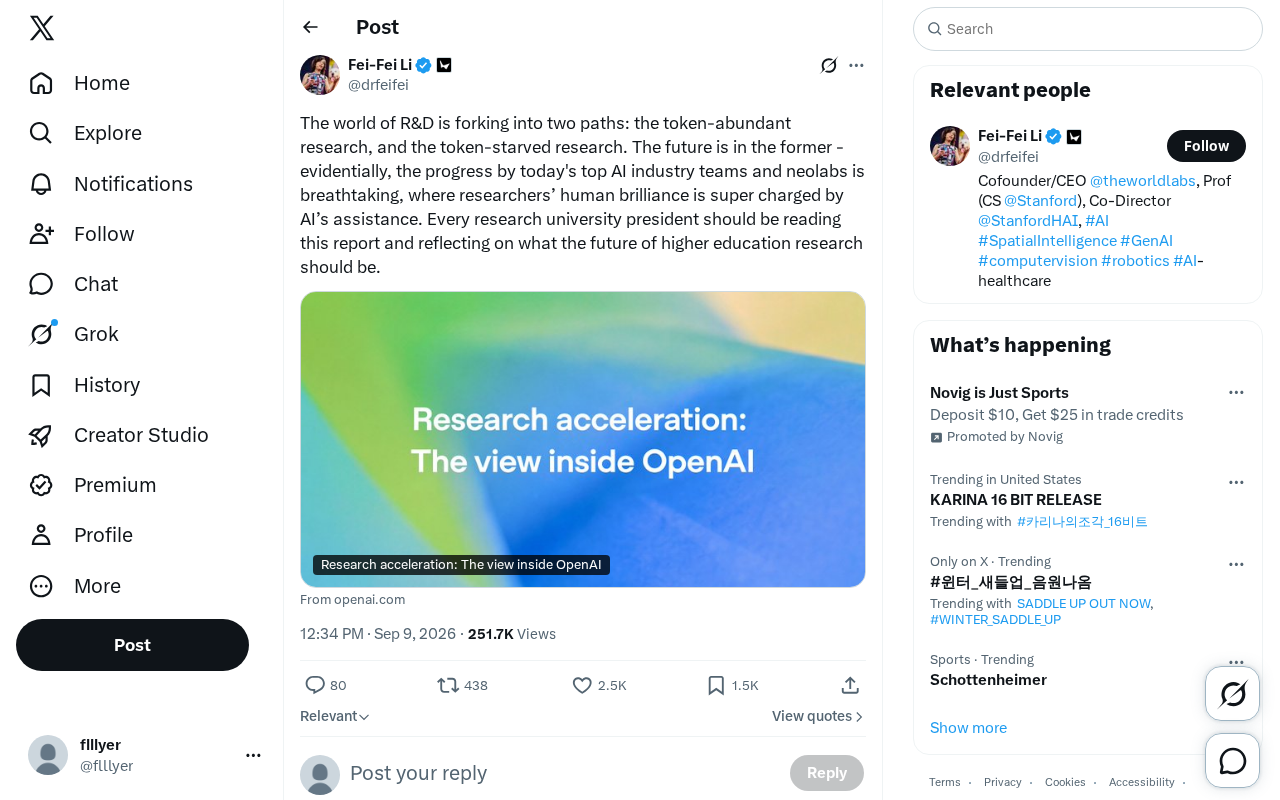
R&D Is Forking: The Coming Battle Between Token-Abundant and Token-Starved Research
R&D is splitting into token-abundant and token-starved research. Top AI labs are pulling ahead—here's what it means for universities and the future of science.
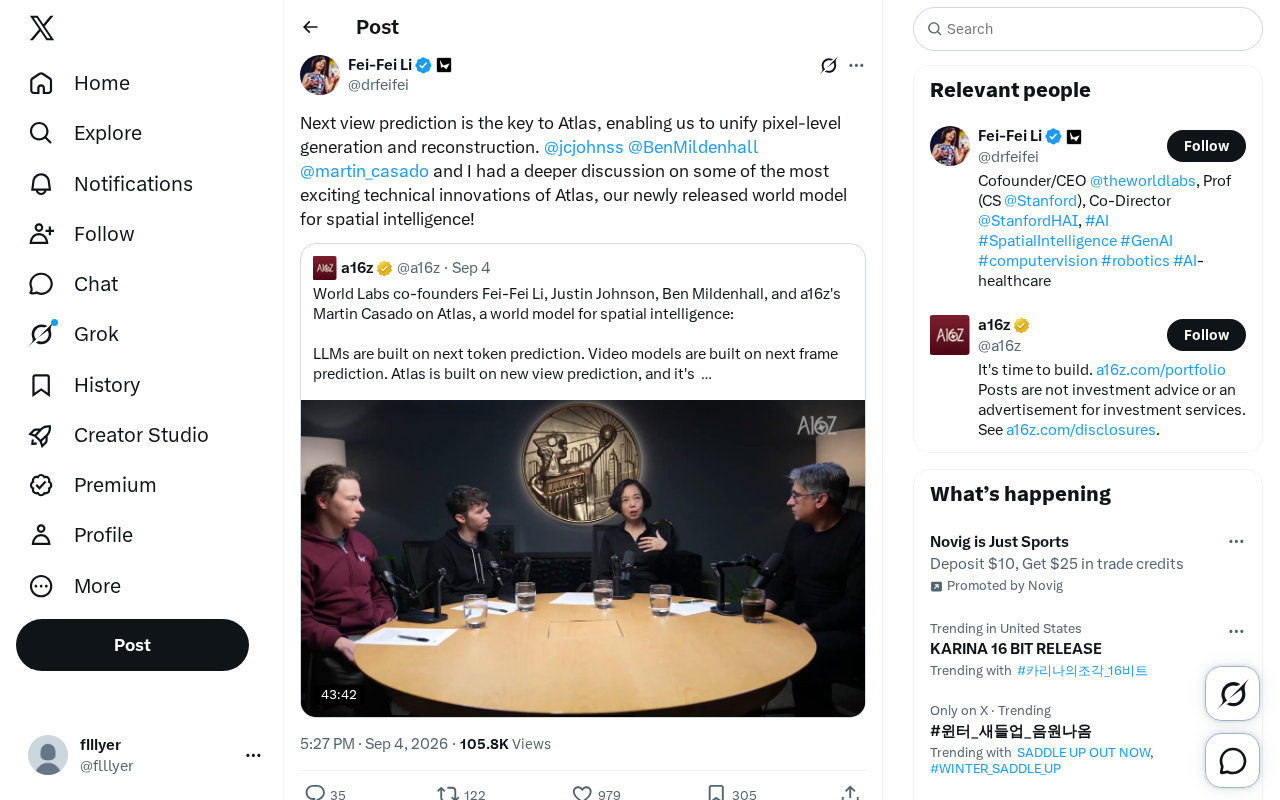
Atlas World Model Explained: How Next View Prediction Unifies Generation and Reconstruction
The Atlas world model uses Next View Prediction as its core to unify pixel-level generation and reconstruction, offering a new approach to spatial intelligence.

Airbnb vs. BnB: Platform Brand Protection and the Trademark Battle
Airbnb's attempt to restrict use of the abbreviation "BnB" raises questions about trademark overreach, platform power, and the rights of independent hospitality operators.