AlphaGenome Atlas: An AI Genomic Map Covering 9 Billion DNA Mutations
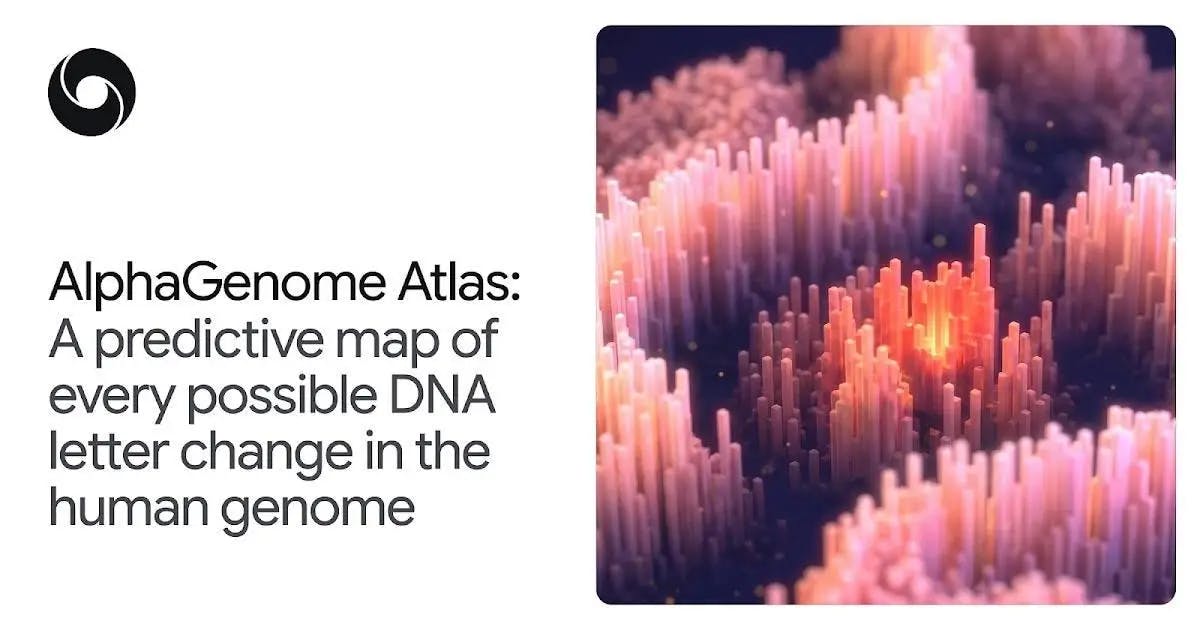
DeepMind's AlphaGenome Atlas maps predicted impacts of all 9 billion possible human DNA mutations.
Google DeepMind has released AlphaGenome Atlas, a 1PB pre-computed dataset predicting the functional impact of all ~9 billion possible single nucleotide variants in the human genome. Covering both coding and non-coding regions, the Atlas transforms expensive per-variant AI inference into an instantly searchable knowledge base. It offers a free web interface, API access, and Antigravity access for deeper analysis, serving as a variant prioritization tool for genomics research and clinical diagnostics.
An AI Map Covering 9 Billion DNA Mutations
Google DeepMind recently launched AlphaGenome Atlas, an AI-powered map of predicted mutation impacts across the human genome. The core objective of this project is to build a complete prediction map for every possible single-base mutation in the human genome.
The human genome contains approximately 3 billion base pairs, and each base position can theoretically mutate into any of the other three bases (substitutions among A, T, C, and G). This means the total number of single nucleotide variant (SNV) combinations reaches approximately 9 billion. A single nucleotide variant refers to a change of a single base at a given position in the genome—for example, A changing to G. SNVs are the most common type of genetic variation in the human genome; it's estimated that each person's genome carries roughly 4 to 5 million SNVs. The vast majority are neutral, producing no significant functional impact, but mutations at a small number of critical sites can alter protein function, disrupt gene regulation, and ultimately cause disease. Distinguishing which SNVs are "benign" from those that are "pathogenic" is one of the core challenges of precision medicine.
AlphaGenome Atlas pre-computes the AlphaGenome model's predictions for all 9 billion possible mutations, resulting in a massive dataset of 1 PB (1,000 TB). One petabyte is equivalent to roughly 1 million GB—approximately the data volume of 200 million high-definition photos or 13 years of uninterrupted HD video recording. In the field of bioinformatics, handling PB-scale datasets requires distributed storage systems and efficient indexed retrieval architectures. Traditional relational databases often struggle at this scale, typically requiring columnar storage formats (such as Parquet or Zarr) and sharded indexing strategies to achieve millisecond-level query responses. The fact that AlphaGenome Atlas organizes such a massive volume of pre-computed results into a searchable knowledge base is itself a significant data engineering achievement.
After launching on Product Hunt, the product received 105 upvotes, ranking 6th on the day's leaderboard, and was categorized under both "Health & Fitness" and "Artificial Intelligence."
Non-Coding Region Mutation Prediction: Deciphering 98% of the Genome's "Dark Matter"
In genomics research, understanding the actual functional consequences of mutations has always been a central challenge. Traditional genetic studies have mostly focused on coding regions—DNA segments that directly guide protein synthesis. However, approximately 98% of the human genome consists of non-coding regions, which do not directly encode proteins but perform critical functions such as regulating gene expression and controlling when and where genes are turned on or off.
Non-coding regions were long mislabeled as "junk DNA," but research over the past two decades has completely overturned that notion. The ENCODE (Encyclopedia of DNA Elements) project—launched in 2003 and funded by the National Human Genome Research Institute (NHGRI)—was designed to systematically identify all functional elements in the human genome. Research has revealed that non-coding regions contain vast numbers of biologically functional sequences, including enhancers (which can activate gene expression from a distance), silencers (which repress gene expression), promoters (which control the initiation of gene transcription), and non-coding RNA genes. More critically, approximately 90% of disease-associated variants identified through genome-wide association studies (GWAS) are located in non-coding regions. However, due to the lack of effective functional annotation tools, the biological significance of these variants has long been difficult to interpret—this is the core of the "dark matter" problem in genomics.
One of AlphaGenome Atlas's standout contributions is that it covers variant impact predictions for both coding and non-coding regions. For researchers, this means they can rapidly identify potentially biologically significant variant sites in non-coding regions that were previously difficult to interpret.
A Paradigm Shift: From "Compute One at a Time" to "Look Up Instantly"
The most significant engineering design of this project is its "pre-computation" strategy. Previously, if researchers wanted to use an AI model to assess the impact of a mutation, they had to run model inference for each variant individually—a process that was both time-consuming and computationally expensive. Atlas pre-computes and stores the prediction results for all 9 billion possible mutations, so researchers simply query to get results.
This "trade storage space for real-time compute" strategy is a classic "space-time tradeoff" concept in computer science, with broad applications in AI. For example, search engines pre-build inverted indexes to accelerate queries, and recommendation systems perform offline computation of user-item scoring matrices to enable real-time recommendations. In the AI for Science domain, pre-computation strategies are particularly well-suited to scenarios where model inference costs are high but query patterns are predictable. DeepMind's earlier AlphaFold protein structure database employed the same strategy—pre-computing structural predictions for over 200 million proteins and making them publicly available, so researchers worldwide could access results without running the model themselves. This paradigm essentially transforms an AI model's "inference capability" into a "data product," converting high-barrier AI prediction capabilities into an instantly searchable knowledge base, dramatically lowering the barrier to access.
Three Ways to Access AlphaGenome Atlas
AlphaGenome Atlas provides tiered access paths to accommodate different levels of research needs:
- Visual Web Interface: Freely accessible to anyone through a browser to explore the mutation map and intuitively view variant impact predictions across different regions.
- API: Designed for researchers who need programmatic access and batch analysis, allowing them to integrate prediction results into their own research workflows.
- Antigravity Access: For more in-depth research scenarios, offering enhanced exploration and analysis capabilities.
This design reflects DeepMind's consistent open-access strategy—foundational capabilities are free to use, while deeper interfaces are reserved for professional researchers.
Practical Implications for Biomedical Research and Clinical Genomics
The core value of AlphaGenome Atlas lies not in providing definitive diagnostic conclusions, but in offering researchers a variant prioritization tool.
In clinical whole-genome sequencing or whole-exome sequencing, a patient's genome typically yields millions of variant sites, the vast majority of which are common, harmless polymorphisms. The task of clinical geneticists is to screen for candidate pathogenic variants—a process called variant prioritization. Traditional methods rely on frequency filtering (excluding common variants), functional annotation (tools like SIFT and PolyPhen-2 that predict protein damage), and comparison against known pathogenic variant databases (such as ClinVar). However, for de novo mutations and non-coding region variants, traditional tools have very limited capabilities. By learning sequence patterns from large-scale genomic data, AI models have the potential to fill this gap and provide new interpretive clues for Variants of Uncertain Significance (VUS) encountered in clinical diagnostics.
With the AlphaGenome Atlas map, researchers can first use AI predictions for rapid screening to identify variants most likely to have functional impacts, and then allocate precious experimental resources accordingly. In essence, this uses AI as an "accelerating funnel," directing limited wet-lab capacity toward the most critical sites.
The Boundaries of AI Prediction
It's important to emphasize that AlphaGenome Atlas provides predictions, not confirmations. The results from AI models reflect statistical patterns and pattern recognition, and there remains a gap between these predictions and actual biological consequences. Any critical scientific conclusions still require experimental validation. Therefore, it is better positioned as a "starting point" and "navigation tool" for research, rather than an endpoint.
Furthermore, the accuracy of such a massive prediction dataset varies across different genomic regions and different types of variants. Researchers should exercise careful judgment based on specific contexts when using the data.
From AlphaFold to AlphaGenome Atlas: DeepMind's Life Sciences Roadmap
From AlphaFold cracking protein structure prediction to AlphaGenome and its Atlas map attempting to interpret genomic variation, DeepMind is systematically extending AI capabilities to core problems in the life sciences.
AlphaFold is DeepMind's most landmark project in the life sciences. In 2020, AlphaFold2 achieved breakthrough results in the CASP14 protein structure prediction competition, raising prediction accuracy to near experimental-determination levels and solving the "protein folding problem" that had puzzled biologists for 50 years. In 2022, DeepMind released the AlphaFold Protein Structure Database, covering predicted structures for over 200 million proteins—essentially all known protein sequences. In 2024, AlphaFold's developers Demis Hassabis and John Jumper received the Nobel Prize in Chemistry for this work.
From protein structure to genomic variation, DeepMind's strategic logic is clearly visible: following the central dogma of molecular biology (DNA → RNA → Protein), they are building AI prediction capabilities layer by layer, ultimately constructing a complete AI prediction chain from gene sequence to molecular function. AlphaGenome Atlas, with its PB-scale dataset covering all possible single-base mutations, has turned "predicting the impact of every mutation" from a theoretical concept into a searchable, real-world tool.
For the genomics research community, this is not just a data resource—it sends a clear signal that AI prediction is becoming an indispensable first step in biological exploration.
Key Takeaways
Related articles

Muse: An AI Agent That Actually Gets Things Done
Muse is a personal AI agent that goes beyond conversation to autonomously complete tasks like financial management, health tracking, and shopping. Learn how AI Agents are evolving from advisors to executors.
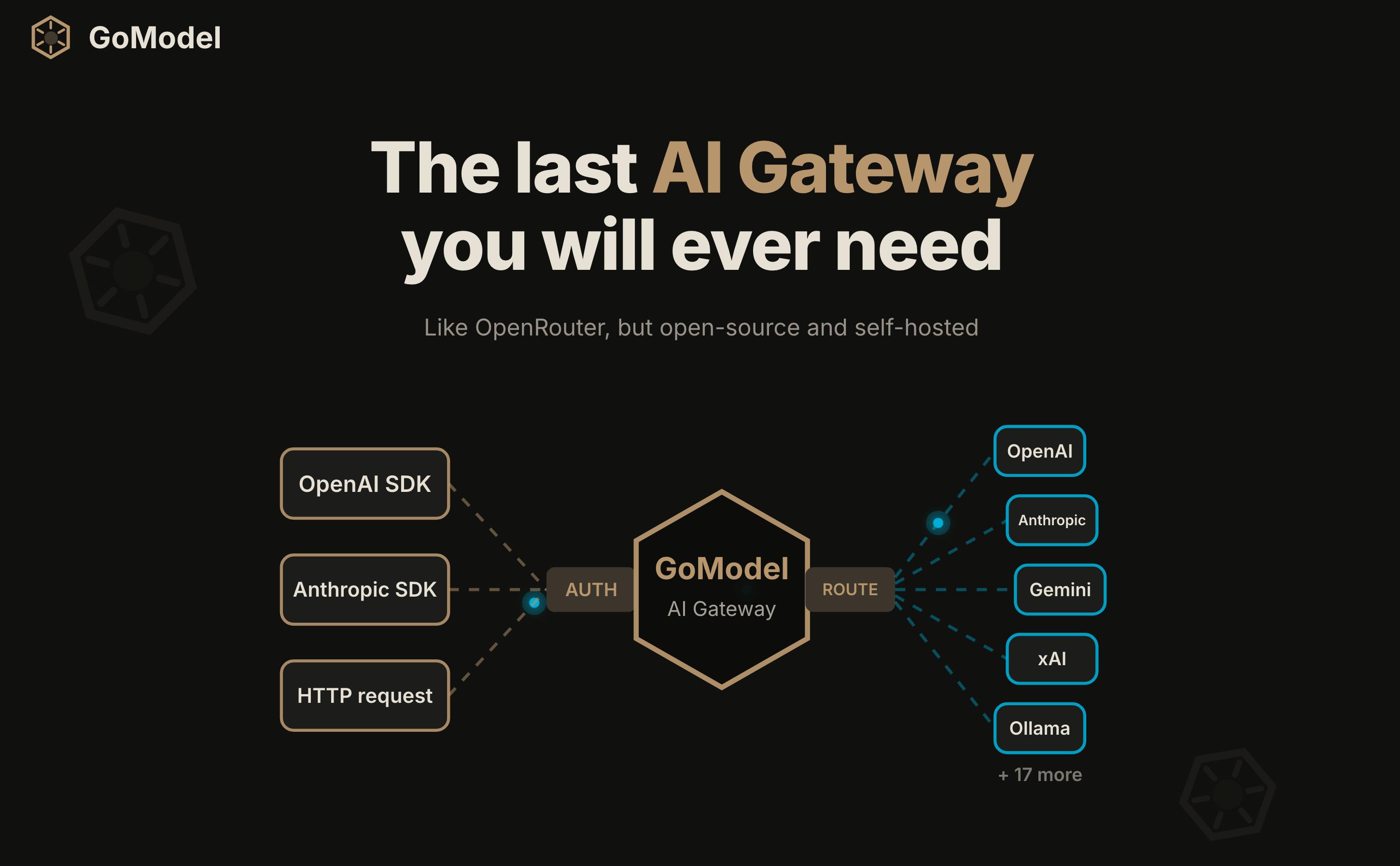
GoModel: An Open-Source Self-Hosted AI Gateway Solution
GoModel is a lightweight open-source AI gateway offering a unified OpenAI-compatible interface for multiple LLM APIs. Features budget control, smart caching, load balancing in a 20MB Docker image.
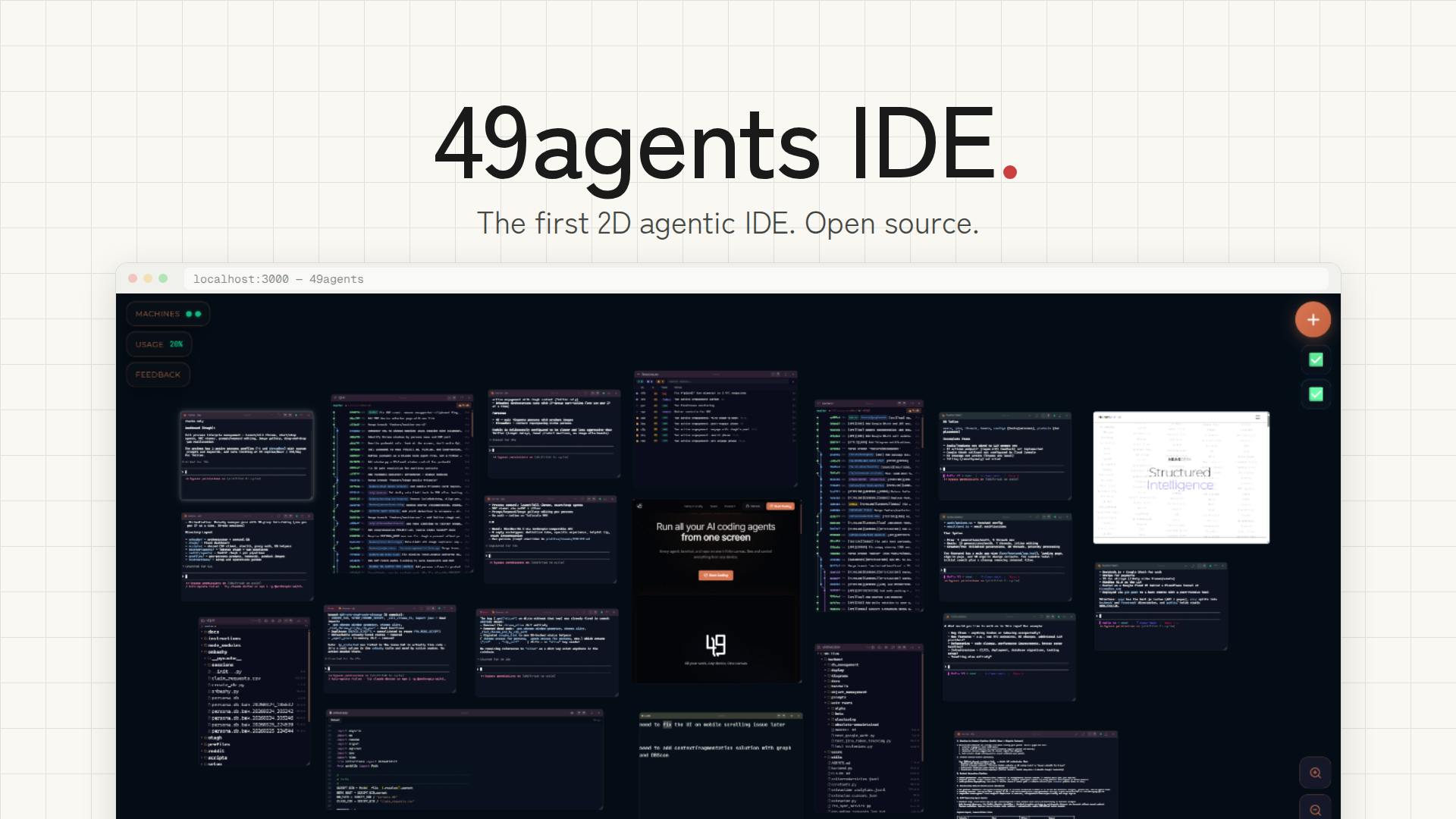
49agents IDE: Rebuilding the Development Workflow with a 2D Canvas
49agents IDE replaces traditional tabs with a 2D spatial canvas, solving cognitive overload in multi-project development through spatial memory and AI Agent management.