Anthropic CEO Dario Amodei Breaks Ranks: Is It Time to Pump the Brakes on AI?
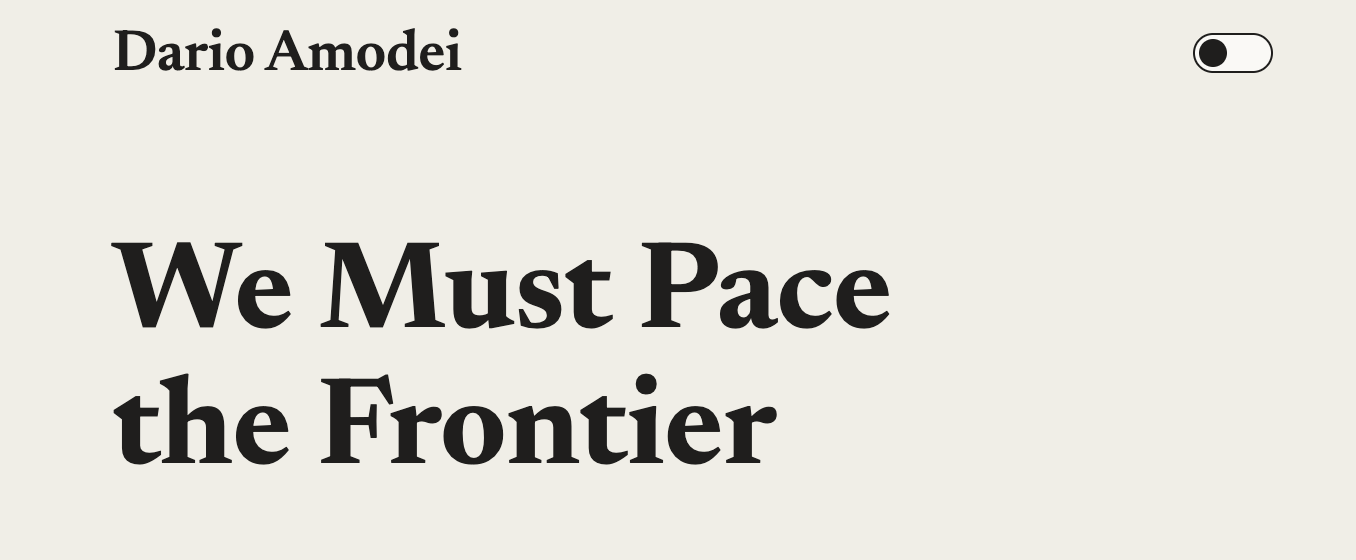
Anthropic CEO Dario Amodei calls for slowing AI development, revealing deep concerns about the pace-safety imbalance at frontier labs.
Anthropic CEO Dario Amodei has made the rare move of calling on the AI industry to "pump the brakes" — a statement that carries unusual weight precisely because it comes from a direct participant in the capabilities race. The article identifies a classic safety paradox: everyone agrees safety matters, but no one wants to fall behind by slowing down unilaterally, creating a prisoner's dilemma. Dario's appeal is read as an attempt to forge a collective industry consensus and potentially provide backing for regulatory action. Yet the article is candid about the limits: historical open letters and pause initiatives have rarely translated into real change without enforceable mechanisms. Readers are urged to remain cautious, as the original source material is thin and his specific intent has yet to be fully reported.
The Signal Behind "Pump the Brakes"
Anthropuc CEO Dario Amodei has sent a thought-provoking signal: at a moment when the industry is universally charging ahead and racing to push AI capabilities ever further, he has called for the field to "pump the brakes." The reason this statement drew attention is precisely because it came from the leader of a frontier AI lab.
As a key figure who left OpenAI to co-found Anthropic, Dario has long been known for holding a dual position — advancing capabilities while emphasizing safety. His remarks here are not a rejection of AI's value, but an expression of concern about the growing imbalance between the pace of development and the management of risk.
A note on sourcing: this article is based on a brief discussion thread on Hacker News. The original information is limited, and a firsthand account of Dario's full remarks is not yet available. The analysis below draws on his established public positions and is offered for reference accordingly.
Why It Matters That Dario Said This
In the AI world, calls to slow down typically come from academic critics, ethics researchers, or regulators — not from the CEOs of commercial labs. What makes Dario's position unusual is that he is both a direct participant in the capabilities race and someone who has long spoken publicly about AI's potential for "catastrophic risk."
This dual role — one foot on the accelerator, one hand on the brake — gives his words more weight. When someone with strong commercial incentives to move fast turns around and tells the industry to slow down, it often signals that they have observed something deeper than short-term business interests can justify. That could be the uncontrollability that comes with sudden leaps in model capability, or the way competitive pressure compresses investment in safety.
The "Safety Paradox" Under Competitive Pressure
There is a classic paradox at work in the AI industry: everyone acknowledges that safety matters, but no one wants to fall behind the competition by slowing down. With OpenAI, Google, Anthropic, and others watching each other closely, any unilateral move to pump the brakes risks being read as ceding market ground. Dario's appeal is, in some sense, an attempt to break this prisoner's dilemma — to push the industry toward a shared consensus on pace.
The Real-World Value and Limits of This Kind of Statement
On the positive side, when the head of a leading lab proactively talks about slowing down, it helps elevate "safety first" from a slogan to a potential industry norm, and may provide cover for regulatory intervention. The core message is this: the speed at which capabilities grow should not outpace our ability to understand and control those capabilities.
But we should also be clear-eyed about the limitations. There is often a significant gap between public appeals and actual behavior. Under the real-world pressures of fundraising, product iteration, and market share, it is genuinely difficult for any company to actually pump the brakes. Historically, similar open letters and pause initiatives have rarely materialized into action, because they lack enforceable mechanisms.
Questions Worth Watching
- What specifically does Dario mean by "pump the brakes": training compute caps, capability evaluation thresholds, or release cadence?
- Will Anthropic back this statement with action, or will it remain at the level of principle?
- Will other frontier labs respond, or will they treat this as competitive positioning?
Takeaway
Whatever its specifics, Dario's call to pump the brakes on AI reflects a deepening divide within the industry over development pace. At a moment of breakneck capability advancement, a cautionary voice from inside a frontier lab is itself worth documenting. That said, given the very limited source material available, the true context and precise claims behind his remarks still await fuller reporting. Readers are advised to stay measured and resist the urge to over-interpret.
Related articles
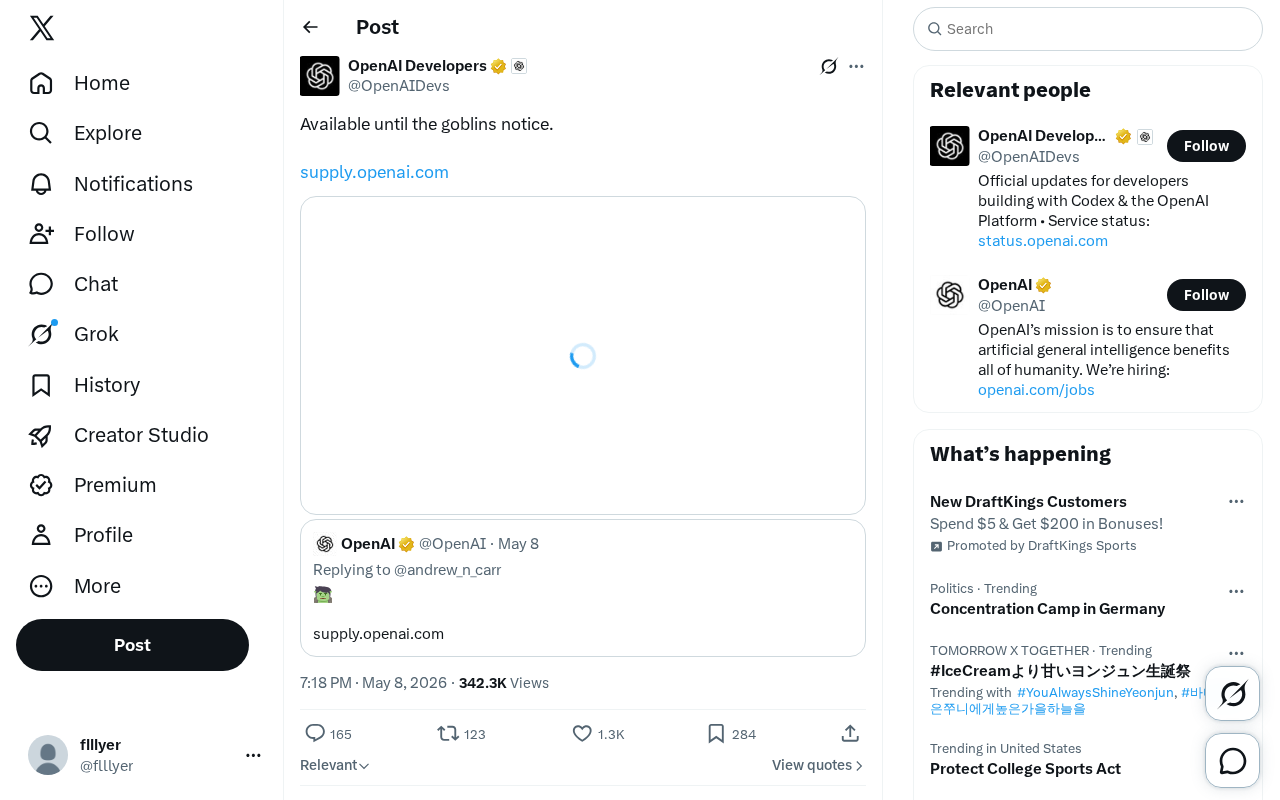
Insufficient Source Material: A Tweet With No Substantive Content
A single tweet reading 'Available until the goblins notice.' with two unexpanded links provides no substantive content to write an article from.
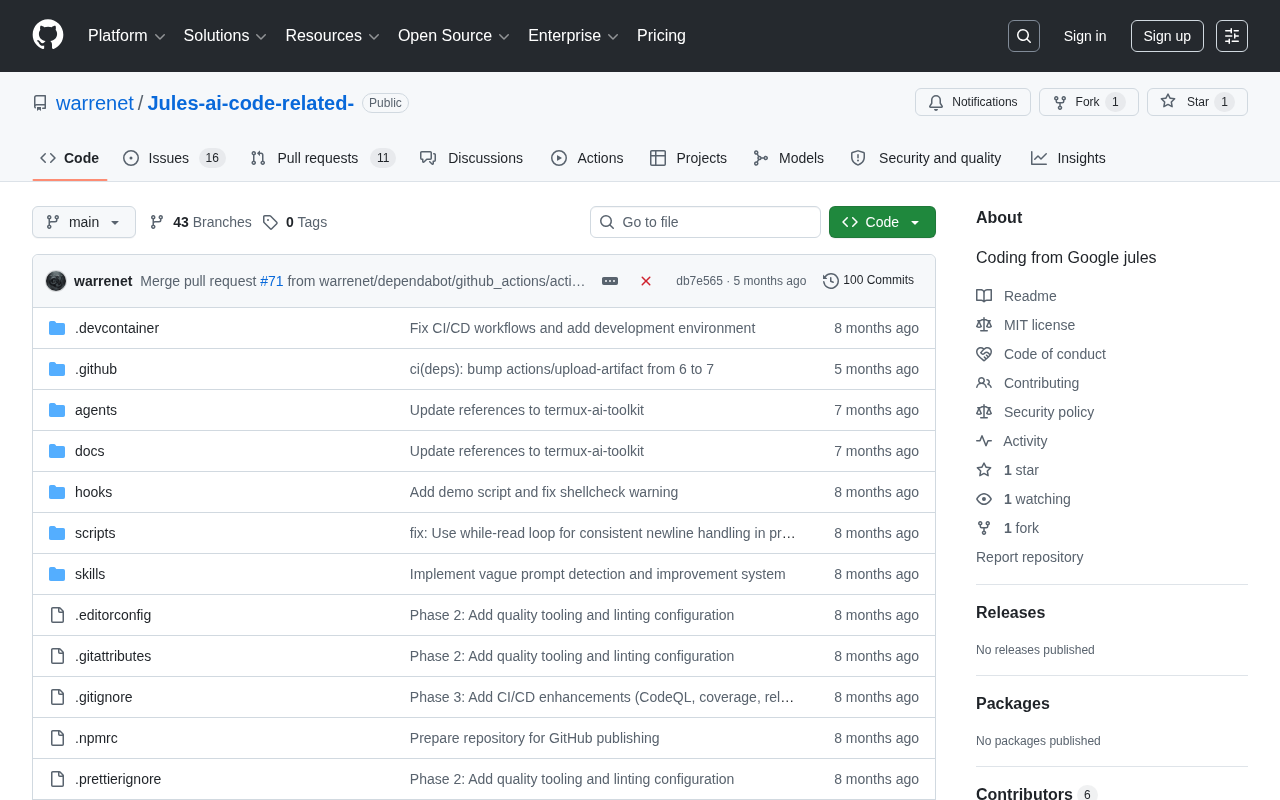
Google Jules AI Coding Assistant: A Quick Look at an Open-Source Practice Repo
A look at a small GitHub repo centered on Google Jules, an autonomous AI coding agent. Explores what Jules does, the repo's practical value, and how to evaluate early-stage AI tool projects.
GitHub Project Overview: prateek0221/jules — Critically Lacking Information
The GitHub repo prateek0221/jules has only 1 star, no code, and no README. We review available info and provide background on Google's Jules AI coding agent.