Apple Releases Latest Beta Versions: iOS 27.2 Series Opens for Testing Across All Platforms
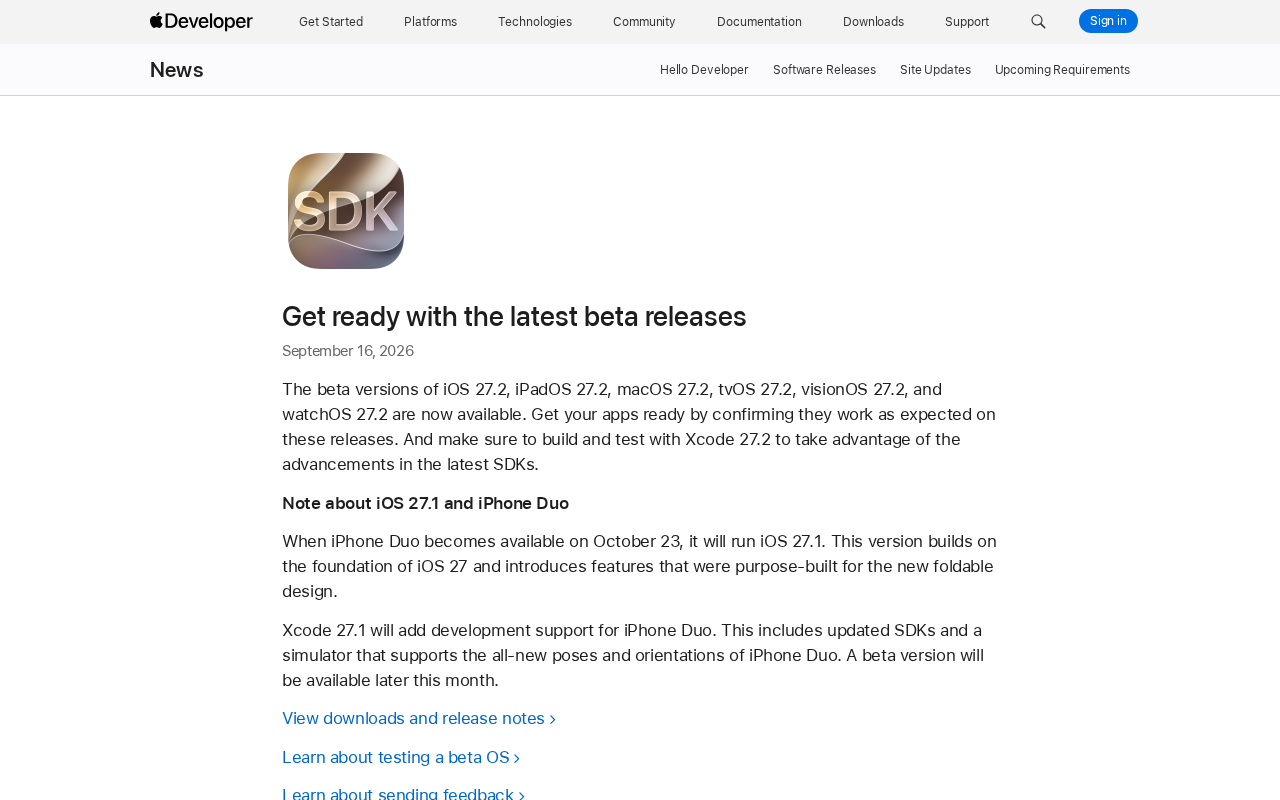
Apple releases all-platform 27.2 betas and officially announces the foldable iPhone Duo launching October 23.
Apple has simultaneously pushed iOS, iPadOS, macOS, tvOS, visionOS, and watchOS 27.2 developer betas, asking developers to verify app compatibility and build with Xcode 27.2. More notably, the official announcement explicitly mentions the foldable iPhone Duo for the first time, set to launch October 23 running iOS 27.1 — a version custom-built for the folding form factor. A companion Xcode 27.1 beta, arriving later this month, will offer an updated SDK and a simulator capable of reproducing iPhone Duo's multiple physical poses and orientations, enabling developers to begin foldable adaptation without a physical device.
Apple has pushed a new round of system beta versions to developers, covering iOS, iPadOS, macOS, tvOS, visionOS, and watchOS across all platforms. At the same time, a new foldable device codenamed iPhone Duo has surfaced for the first time through an official announcement, bringing new adaptation tasks to the developer community.
Beta Updates Across All Platforms
Apple has rolled out beta versions of iOS 27.2, iPadOS 27.2, macOS 27.2, tvOS 27.2, visionOS 27.2, and watchOS 27.2 all at once. This means every major platform in the Apple ecosystem — from phones, tablets, and desktops to TVs, headsets, and watches — has entered a new round of iterative testing.
For developers, the official guidance is clear: verify that your apps run properly on these new versions, and build and test using Xcode 27.2 to take full advantage of the technical improvements in the latest SDK. Synchronized updates like this typically signal enhancements to underlying system capabilities and adjustments to APIs — adapting early helps avoid compatibility issues after the public release.
iPhone Duo and the Foldable Design
The most noteworthy piece of information in this announcement is Apple's mention of a new device called iPhone Duo. According to the official statement, iPhone Duo will launch on October 23 and will ship with iOS 27.1.
This is an intriguing detail: iPhone Duo runs iOS 27.1, not the latest 27.2. Apple explains that iOS 27.1 is built on top of iOS 27 and introduces targeted features specifically for this brand-new foldable design. In other words, Apple has made dedicated system-level adaptations for this folding form factor rather than simply reusing the existing OS.
Based on the wording of the announcement, iPhone Duo adopts a foldable screen form factor — making this the first time Apple has explicitly acknowledged foldable device support through official developer channels.
The core challenge foldable devices present at the system level is "continuity of experience" — when a device unfolds, the screen size can jump from phone-scale to tablet-scale in an instant, requiring the OS to complete layout reflow, window resizing, and app state preservation within milliseconds. Android foldables from Samsung, Huawei, and others have been on the market for years, accumulating extensive system design experience around hinge angle detection, multi-window coordination, and App Continuity. Apple's decision to house foldable-specific capabilities in iOS 27.1 rather than in the mainline release suggests the system changes required by this new form factor are deep enough to warrant a separate version branch — rather than being merged into the shared trunk used by all devices.
Xcode 27.1 Brings Development Support for iPhone Duo
Paired with the device, Apple announced that Xcode 27.1 will include dedicated development support for iPhone Duo. This includes:
- An updated SDK to help developers access the new device's capabilities
- A simulator supporting the new poses and orientations unique to iPhone Duo
The simulator's support for "new poses and orientations" further confirms iPhone Duo's foldable nature — foldable devices have multiple physical states such as fully open, fully closed, and half-open, and app interfaces must adapt to different screen states and interaction modes accordingly. By providing simulation capabilities at the developer toolchain level, Apple allows developers to begin adapting their interfaces ahead of time without needing a physical device.
Apple has indicated that the Xcode 27.1 beta will be released later this month.
The concept of "poses" in the simulator is critical for foldable device development. Unlike traditional phones that only have portrait and landscape orientations, foldable devices theoretically exist in multiple physical states — fully open, fully folded, half-open (tent mode), tabletop mode, and more. In each state, the available screen area, touch interaction patterns, and software keyboard position can change fundamentally. If Xcode's simulator can faithfully reproduce these states, developers can test without a physical device — verifying that Auto Layout constraints don't break under extreme size changes, that SafeArea boundaries correctly respond to hinge position, and that UIViewController lifecycle callbacks are properly triggered during state transitions. This is especially critical for ensuring app quality on launch day.
What This Means for Developers
For developers, this update carries two parallel threads. On one hand, there's the standard 27.2 beta testing across all platforms — apps should be validated for compatibility as soon as possible. On the other hand, there's the preparation work for adapting to the iPhone Duo's new foldable form factor.
Adapting for foldable devices often requires rethinking layout flexibility, handling state transitions during screen unfolding and folding, and optimizing interactions for larger or split-screen display areas. Getting familiar with these new poses early through the Xcode 27.1 simulator will be key to securing a head start in the foldable ecosystem.
Apple has also provided download links, release notes, a beta testing guide, and a feedback submission channel, encouraging developers to actively participate in testing and report issues.
Summary
On the surface, this beta release looks like a routine system update — but the debut of iPhone Duo is undeniably the bigger story. It marks Apple's formal inclusion of the foldable form factor into both its product lineup and developer tooling ecosystem. For developers, the core to-dos for this period are adapting to the 27.2 series as soon as possible and keeping a close eye on the upcoming Xcode 27.1.
Related articles
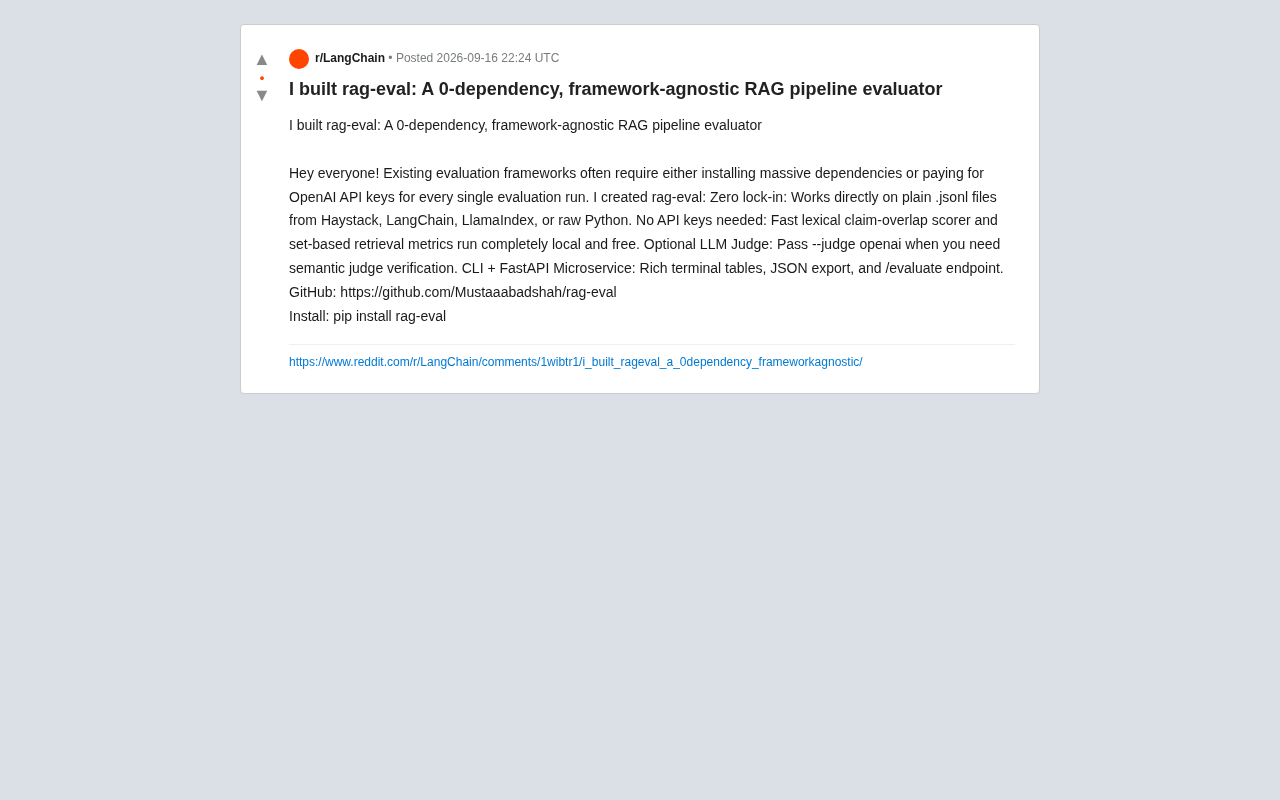
rag-eval: A Zero-Dependency, No-API-Key RAG Evaluation Tool
rag-eval is a zero-dependency, framework-agnostic open-source RAG pipeline evaluation tool. It supports free local lexical and retrieval metrics with no API keys required, and offers optional LLM Judge for semantic validation. Compatible with Haystack, LangChain, and LlamaIndex.
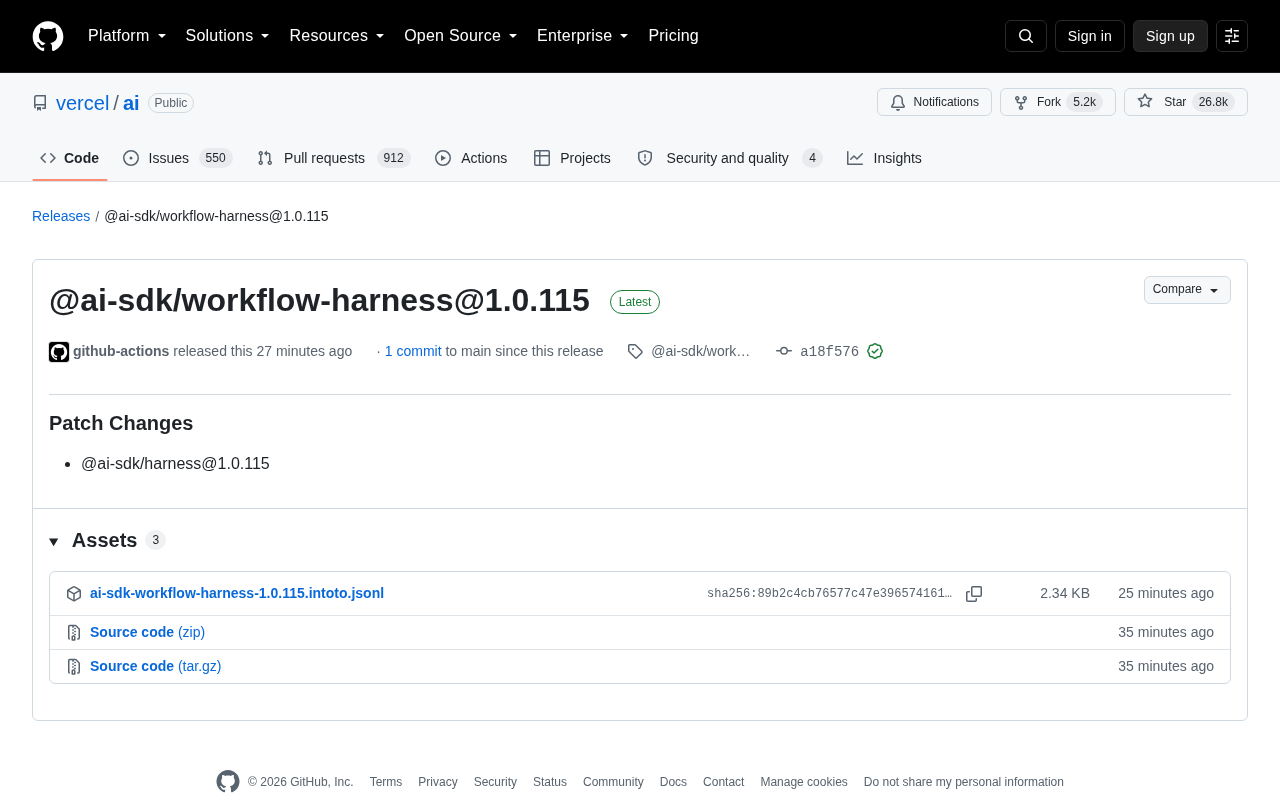
Vercel AI SDK Releases workflow-harness 1.0.115 Patch Update
Vercel AI SDK releases @ai-sdk/workflow-harness 1.0.115 patch update, syncing the @ai-sdk/harness dependency. Learn about the update, release mechanism, and what it means for developers.
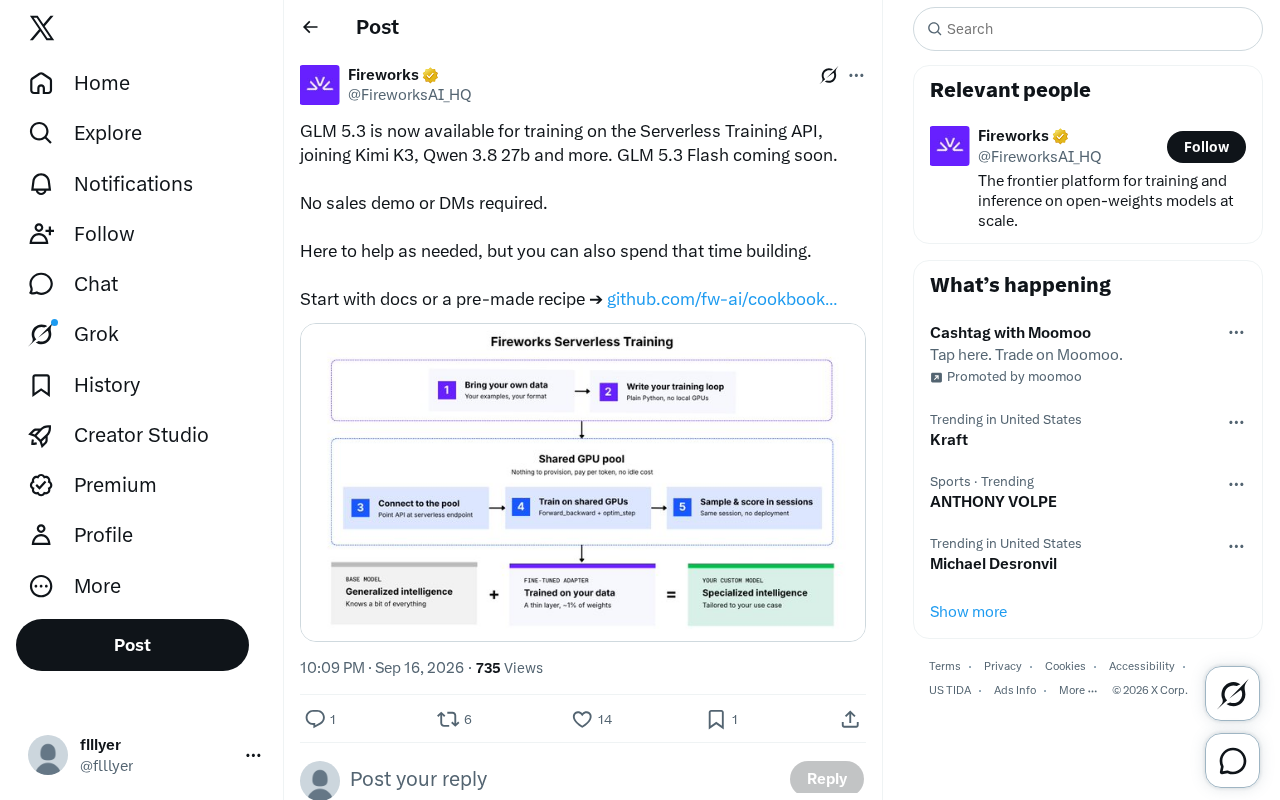
GLM 5.3 Now Available on Serverless Training API — No Sales Process Required
GLM 5.3 is now available on Serverless Training API alongside Kimi K3 and Qwen 3.8 27b. No sales process needed — start fine-tuning directly via docs or pre-made recipes.