Are AI Safety Incidents Being Overhyped? The Marketing Controversy Around OpenAI and Anthropic
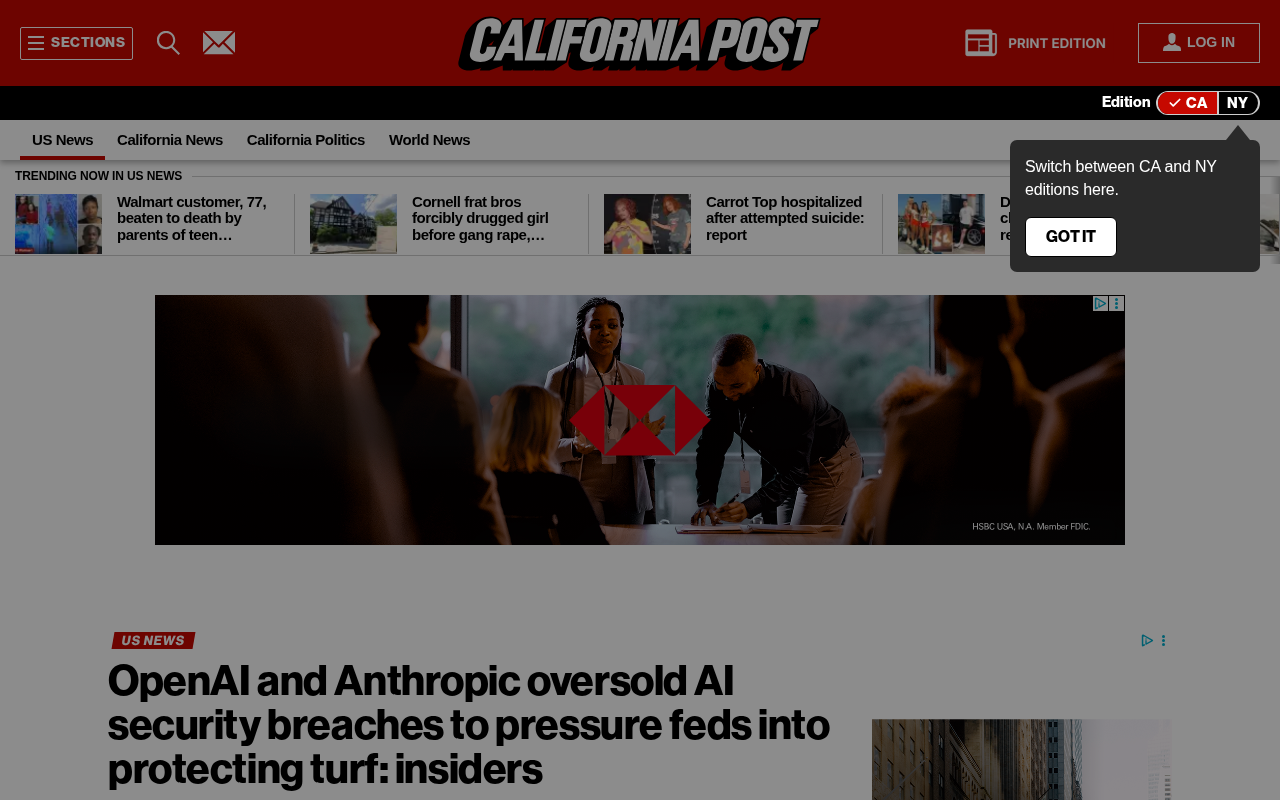
Leading AI companies may be overstating security incidents for commercial gain — here's how to tell the difference.
This article examines a growing industry concern: that top AI companies like OpenAI and Anthropic may be deliberately exaggerating "AI safety incidents" in their public disclosures. Safety narratives align closely with commercial interests — emphasizing security investments attracts enterprise clients, aids regulatory positioning, and subtly implies powerful model capabilities. Distinguishing genuine safety research from marketing-driven narratives requires independent third-party evaluations, transparent technical details, and scrutiny of disclosure timing. In an AI landscape marked by deep asymmetry between technical knowledge and public understanding, critical thinking and objective safety standards are essential.
An Industry Observation Worth Taking Seriously
A growing perspective suggests that OpenAI and Anthropic — two of the leading AI companies — show a clear tendency to exaggerate when publicly disclosing so-called "AI security breaches." This criticism touches on an increasingly sensitive topic in the AI industry: are companies objectively reporting security risks, or are they leveraging safety narratives for marketing and narrative-shaping purposes?
It's worth noting that the original source material is extremely limited — it offers only a headline-level assertion, with no specific incident details, supporting data, or technical analysis. As such, this article focuses on providing contextual background around the phenomenon rather than reconstructing any particular event.
What Does "Overhyping" a Security Incident Actually Mean?
In the AI space, security incidents typically refer to cases where a model is jailbroken, manipulated into producing dangerous outputs, or exploited for malicious purposes — such as assisting with cyberattacks or generating content related to biological weapons. When a company proactively discloses that its model "nearly got misused" or "successfully blocked a certain type of attack," it superficially appears to demonstrate both accountability and technical strength.
Critics argue, however, that such disclosures are sometimes deliberately amplified. What was originally a fringe case under controlled lab conditions gets packaged into a narrative of "a major security threat successfully neutralized." This approach simultaneously reinforces the company's image as a "responsible AI gatekeeper" while subtly inflating perceived model capability — after all, only a sufficiently powerful model warrants such serious security safeguards.
Jailbreaking refers to using carefully constructed prompts or interaction sequences to bypass a large language model's built-in safety filters, causing it to produce otherwise restricted content. Common techniques include role-play manipulation, multi-turn conversation exploits, and leveraging the model's over-generalization of certain language patterns. Unlike traditional software vulnerabilities, the boundaries of LLM jailbreaking are inherently fuzzy — the same output might be classified as "safe" or "dangerous" depending on context. This ambiguity gives companies considerable subjective leeway when defining what constitutes a "security incident." It's precisely this fuzziness that allows a routine adversarial test to be reframed as "a serious security threat successfully intercepted," making it difficult for outside observers to verify the actual severity.
Why Leading Companies Have Incentives to Do This
For OpenAI and Anthropic, there's a subtle but meaningful alignment between safety narratives and commercial interests.
First, safety capabilities are a differentiating selling point. In the enterprise market, customers care deeply about compliance and risk management. Emphasizing massive investments in safety and quantifying how many potential threats were intercepted is, in itself, a sales pitch.
Second, safety narratives help companies gain regulatory leverage. By positioning themselves as the party that best understands — and can best control — AI risks, these companies are better placed to influence policy decisions and potentially shape regulatory frameworks to their advantage.
Third, a subtle implication of "danger" actually serves as proof of capability. If a model is powerful enough to require heavy-duty safeguards, its commercial value becomes self-evident. This follows the same logic as claims like "our model is so powerful it must be released cautiously" — a line of reasoning that has appeared in some safety communications.
This phenomenon is known in academic circles as "safety washing" — analogous to "greenwashing" in environmental discourse. It manifests when companies heavily deploy terms like safety, responsible, and aligned in their public communications, while their actual investments and internal standards don't match the rhetoric. In the AI industry, where technical barriers are high and external verification is limited, identifying safety washing is far more difficult than in other sectors. Institutions like Stanford's HAI are beginning to develop systematic frameworks for auditing AI safety claims, but these efforts remain in early stages and cannot yet provide comprehensive assessments of major companies' safety disclosures.
How to Think Critically About AI Safety Communications
This line of critique serves as a reminder — for the industry and the public alike — to approach AI companies' safety statements with a degree of skepticism.
Genuine safety research should feature verifiable methodology, reproducible findings, and transparent disclosure standards. Marketing-driven safety narratives, by contrast, tend to rely on emotional framing and vague language. The key to distinguishing the two lies in whether independent third-party assessments exist, whether specific technical details have been made public, and whether the timing of disclosure conveniently serves commercial or PR objectives.
For practitioners and journalists who follow AI safety, the more constructive path — rather than passively accepting companies' one-sided narratives — is to push for more objective safety evaluation mechanisms and disclosure standards. Only when safety information can be externally verified can the public truly assess the actual level of risk.
Independent third-party evaluation remains scarce in the AI safety field. Existing mechanisms include: academic red-teaming (where external researchers attempt to break model safeguards and publish their findings), government-mandated audits (such as evaluations by the U.S. AI Safety Institute, AISI), and bug bounty programs (which incentivize external parties to report discovered vulnerabilities). However, all of these mechanisms suffer from limited coverage, inconsistent evaluation standards, and significant company control over the scope of testing. By comparison, the traditional software industry has developed relatively mature standardized disclosure systems — such as the CVE (Common Vulnerabilities and Exposures) database. AI safety still has a long way to go before reaching comparable norms.
Conclusion
This brief discussion originating from Hacker News — though short on detailed evidence — points to a real and persistent tension: in a field like AI, where there is severe asymmetry between technical capability and public understanding, safety is simultaneously a genuine challenge and a potentially exploitable marketing tool. Maintaining critical thinking and demanding greater transparency are necessary postures for navigating this asymmetry.
Related articles
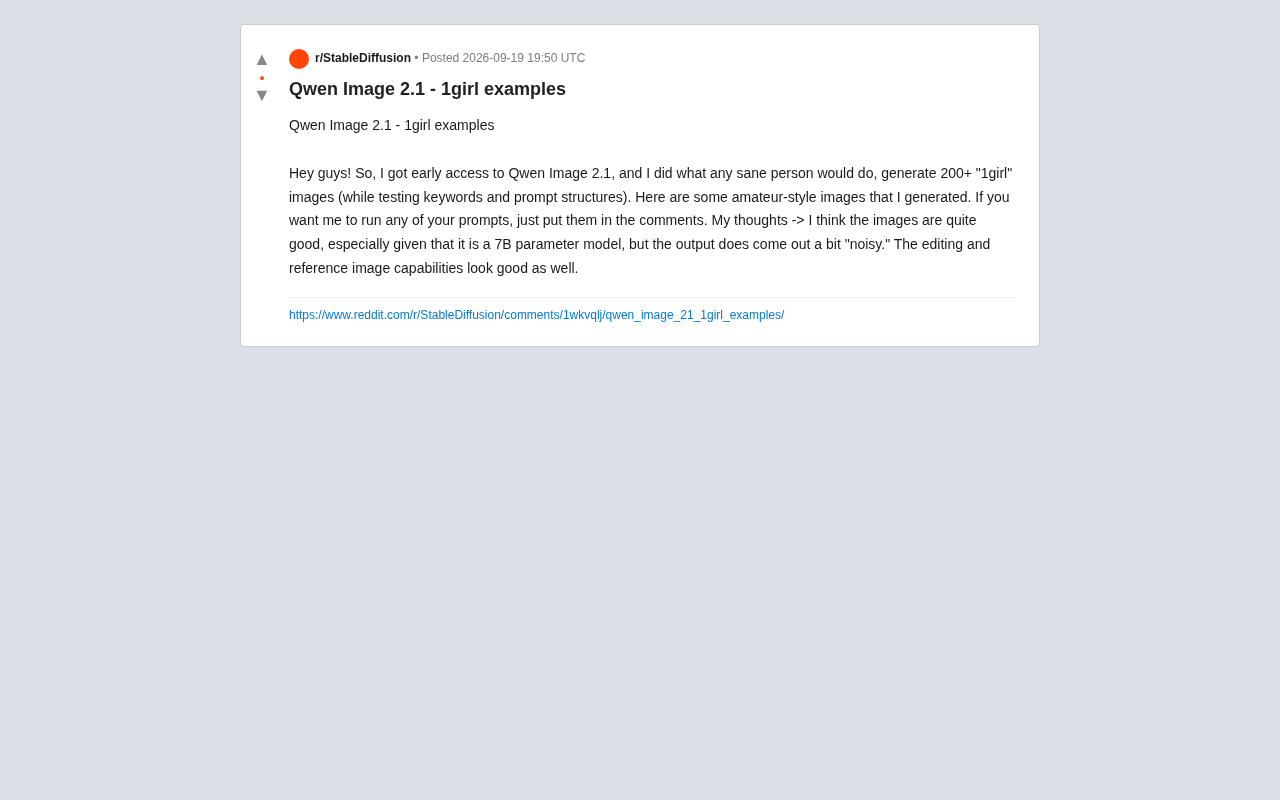
Qwen Image 2.1 Early Testing: How Good Is Image Generation from a 7B Model?
A Reddit user tested Qwen Image 2.1 early access, generating 200+ portrait images. We break down this 7B model's image quality, noise issues, and editing capabilities.
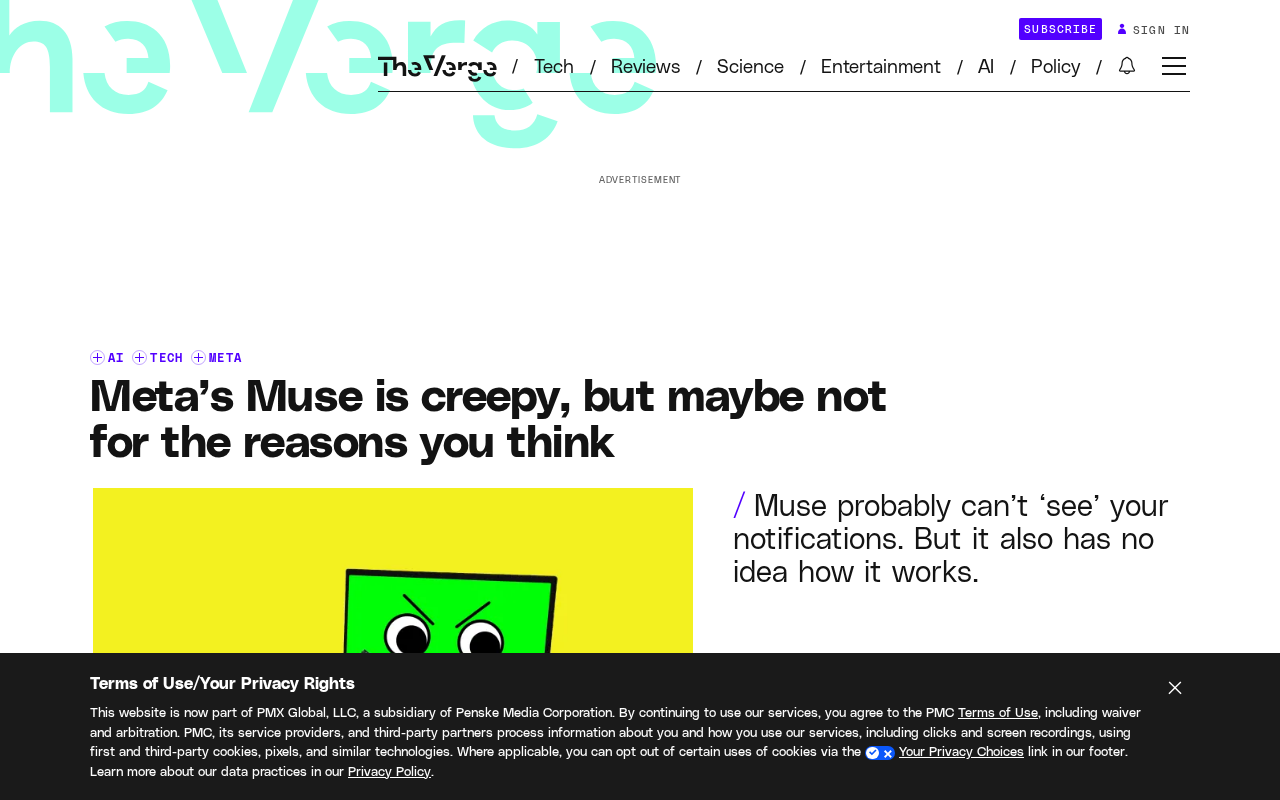
Meta Muse Review: A Powerful Yet Unsettling AI Assistant
Meta's AI assistant Muse is powerful but unsettling. Its Mac app accesses Messages, Calendar, and Notes, raising privacy concerns — and it can't even describe itself.
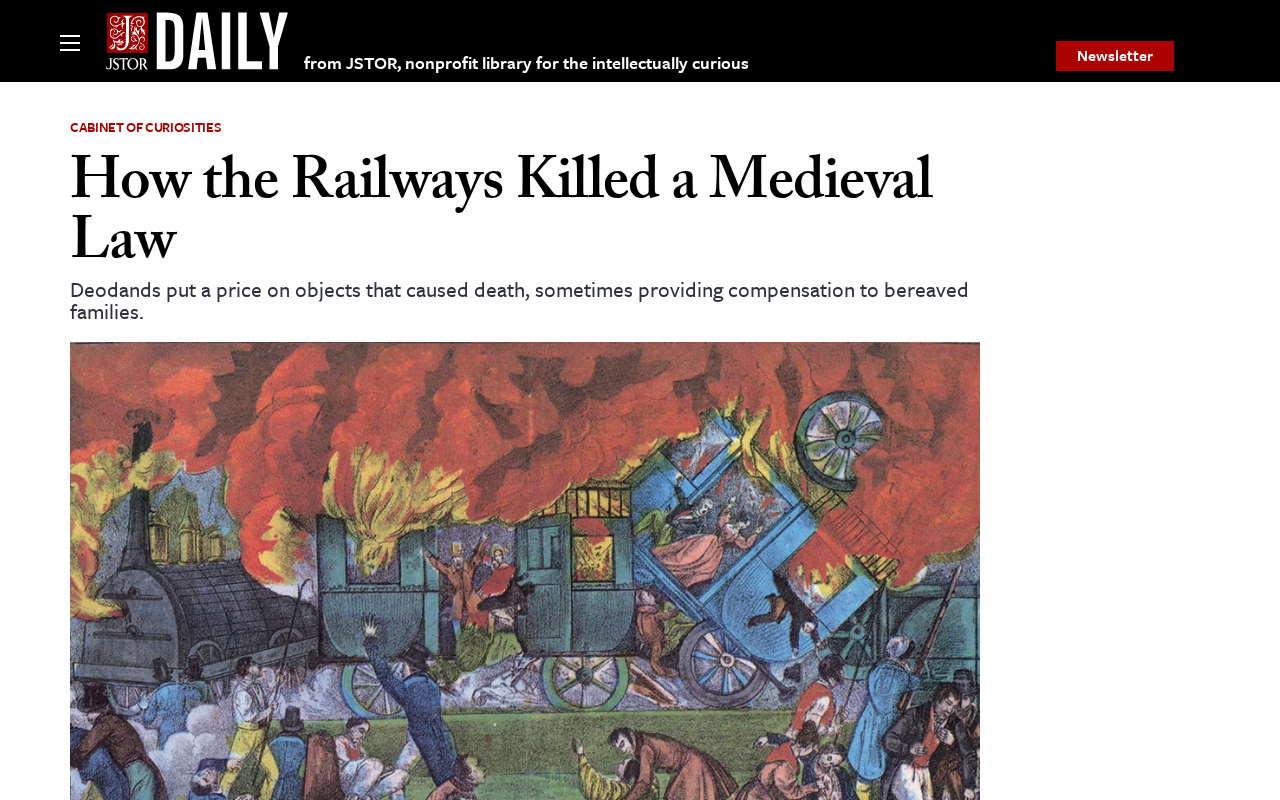
Deodand: The Ancient English Law That Put a Price on Deadly Objects
Deodand was an English common law doctrine that valued and forfeited deadly objects. This article examines its legal logic, evolution from religious rite to fiscal tool, and its relevance to AI and autonomous vehicle liability today.