Beware of 'One-Click GPT-6 Deployment' Scams: Third-Party API Wrapper Traps Explained
'Free GPT-6 deployment' tutorials are third-party API wrapper traps with security and misinformation risks.
Viral tutorials claiming to offer free, one-click GPT-6 deployment lure users with a nonexistent 'GPT-6 X-TRAW' model, prompting them to run unknown installers and paste API keys into third-party configuration pages. Fact-checking reveals: the model name has never been released by OpenAI; the 'free default tokens' are third-party relay API wrappers with opaque data handling; and running unknown executables risks system tampering, malware, and credential theft. Even if the final app comes from the Microsoft Store, the illegitimate setup chain makes the whole pipeline untrustworthy.
Recently, a wave of tutorial videos promising to "walk you through using the latest GPT-6 for free" has been circulating on certain platforms. These videos claim that by using a "one-click installer" along with a so-called "token key," users can access an official, full-featured desktop AI assistant in China — completely free of charge. While these tutorials are presented as practical Agent deployment guides, they conceal serious risks and misinformation. This article fact-checks and breaks down the key claims to help readers tell the difference between legitimate tools and deceptive ones.
The "Three-Step Deployment" Process the Video Claims
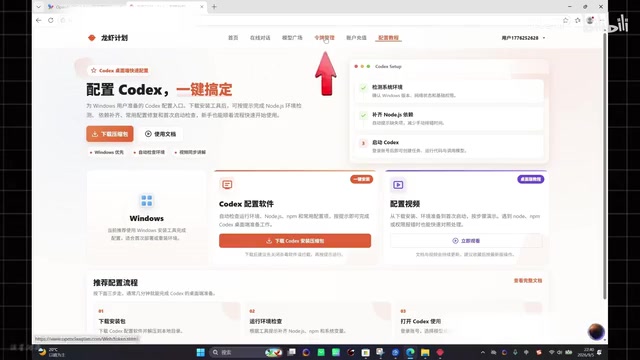
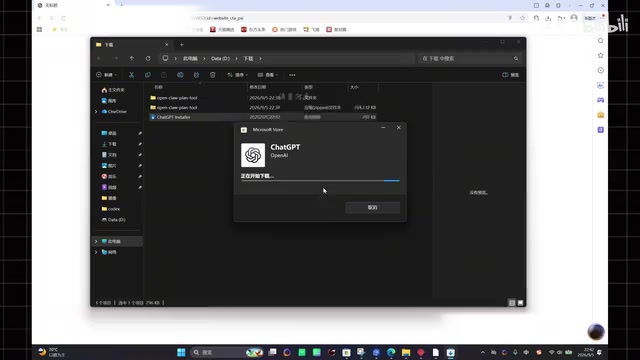
The core narrative of these tutorials goes like this: download an installation package from some "site," unzip it, run a one-click installer, paste an API Key copied from a "token management" page into a configuration field, wait three to five minutes, and you're done — a "desktop client" gets installed, and then you install an app from the Microsoft Store and start using it immediately.
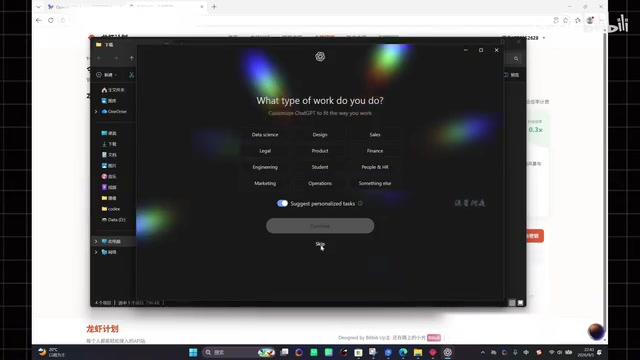
The entire walkthrough emphasizes "no account purchase required, no network changes needed, free access to the official full version," and claims you can call the "most powerful GPT-6 X-TRAW model." These phrases are deliberately enticing — and that's exactly why they should raise red flags.
Fact Check: Do These Claims Hold Up?
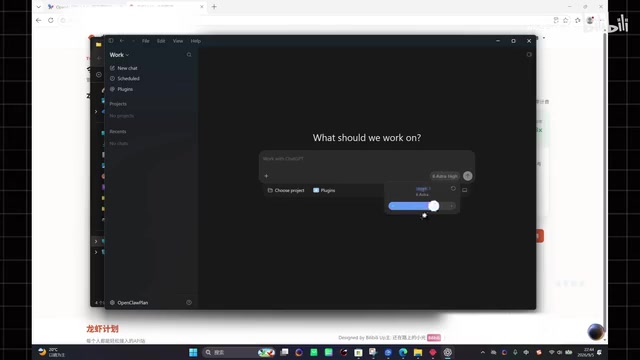
The first issue is the model itself. As of this writing, OpenAI has not released any model called "GPT-6" or "GPT-6 X-TRAW." Hyperbolic phrases like "performance off the charts" that appear throughout the video have no official basis whatsoever. In the demo, the model is prompted to "identify itself" and responds that it is "CodeX based on GP6" — but this kind of self-attestation is technically meaningless. LLMs are notoriously unreliable when asked about their own version, and such responses can easily be fabricated through system prompts.
Even more concerning is the design around "token management" and "default tokens." Legitimate OpenAI services use official accounts and an API Key authorization system. There is no compliant pathway where a third-party "site" distributes "default tokens" for free public use. What this model actually represents is a third-party API relay — commonly known as a "wrapper" or "reverse proxy" — that routes requests through some intermediary channel. Users are not accessing the official service, and the destination of their data is completely opaque.
It's worth explaining how third-party relay APIs (wrapper services) actually work. These services are typically built by individuals or small teams. They expose an endpoint that mimics the OpenAI API format, receive user requests at this middle layer, and forward them to a real AI service. Under the hood, they may use shared account pools, unofficial reverse-engineered interfaces, or even entirely fake local models. For users, the risks are threefold: first, all input data — conversations, documents, code — passes through third-party servers, where operators can log and use it however they wish; second, the service can shut down at any moment due to account bans, operators disappearing, or unpaid bills, with no way to recover any costs; third, the "model version" is entirely self-reported by the operator with no verifiable mechanism — there is absolutely no guarantee of what model you're actually calling.
Security Risks Behind the "One-Click Installer"
The tutorial instructs users to download a compressed archive from an unknown source, unzip it, run an .exe file, and enter a key to complete "automatic configuration."
From a security standpoint, running an executable from an unknown source is an extremely high-risk action. Such programs can modify system configurations, install proxies, and harvest local data — all without the user having any way to know what's actually happening. Vague instructions in the video like "just click it and don't worry about the rest" and "it'll freeze for a bit, just wait" conveniently obscure what this black-box program is actually doing in the background.
Even if the app ultimately installed from the Microsoft Store is genuinely legitimate (which the video uses as a "100% official" endorsement), the upstream third-party installer and API key configuration step is the most uncontrollable part of the entire chain. A legitimate Store app combined with a non-legitimate relay key does not make the overall setup trustworthy.
An API Key is the core credential used for authentication and billing on AI services — think of it as equivalent to an account password. The moment you paste a Key into an unverified program, that program can upload it to a remote server and silently drain your account quota without your knowledge, or sell the Key to others. OpenAI and similar platforms officially recommend that API Keys only be used in environments you fully control, that separate Keys be generated for different use cases with usage limits set, and that any Key showing anomalous activity be immediately revoked from the dashboard. Entering a Key into a third-party "configuration page," as shown in the video, is effectively handing over full access to your account.
Why These "Freebie Tutorials" Deserve Serious Skepticism
This type of content shares several common traits: using exaggerated model names to manufacture exclusivity ("if you don't get it working after watching this, I'll eat my keyboard on stream"), emphasizing zero cost and zero barrier to entry to lower people's guard, directing users to private-domain "sites" for tools, and deliberately vague language at critical steps.
Users who genuinely want to use AI Agents in a legitimate way should register accounts and obtain API Keys through official channels, or choose service providers with clear, verifiable credentials. For any third-party tool claiming to offer "free access to the latest top-tier model," you can almost always assume risks of API wrapping, credential theft, data leakage, or malware are present. There is no such thing as a free top-of-the-line large language model raining down from the sky.
Conclusion
Reducing this content to technical facts: the so-called "GPT-6 X-TRAW" does not currently exist; "free default tokens for official access" contradicts how OpenAI's licensing actually works; and running a one-click installer from an unknown source carries clear, concrete security risks. When you encounter these kinds of "step-by-step freebie tutorials," the safest approach is to remain skeptical, verify information through official documentation, and never paste keys or grant permissions to unfamiliar programs. Real AI Agent development derives its value from understanding the underlying principles and deploying things properly — not from chasing dubious "one-click magic tools" of unknown origin.
Related articles
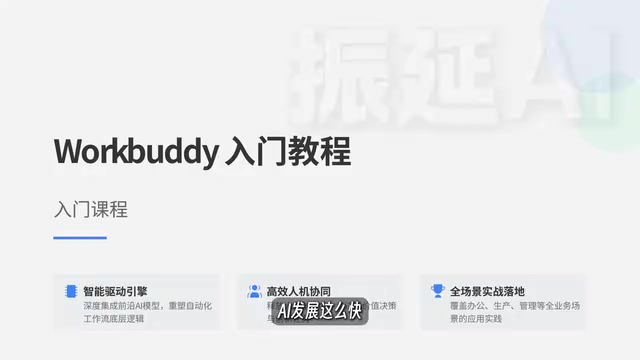
WorkBuddy Beginner's Guide: How This Chinese AI Agent Works For You
WorkBuddy is a Chinese AI Agent often called the domestic alternative to Codex. Learn how it moves beyond Q&A to directly operate your computer, with connectors, Skills, and expert agents.

MiniMax Code Open-Sources to Rival ZCode; Claude Code Gains AGENTS.md Compatibility
MiniMax Code open-sources to rival ZCode; Claude Code 2.1.277 adds AGENTS.md compatibility. Daily roundup covering AI coding tools, Ascend chip roadmap, and Rust supply chain security.
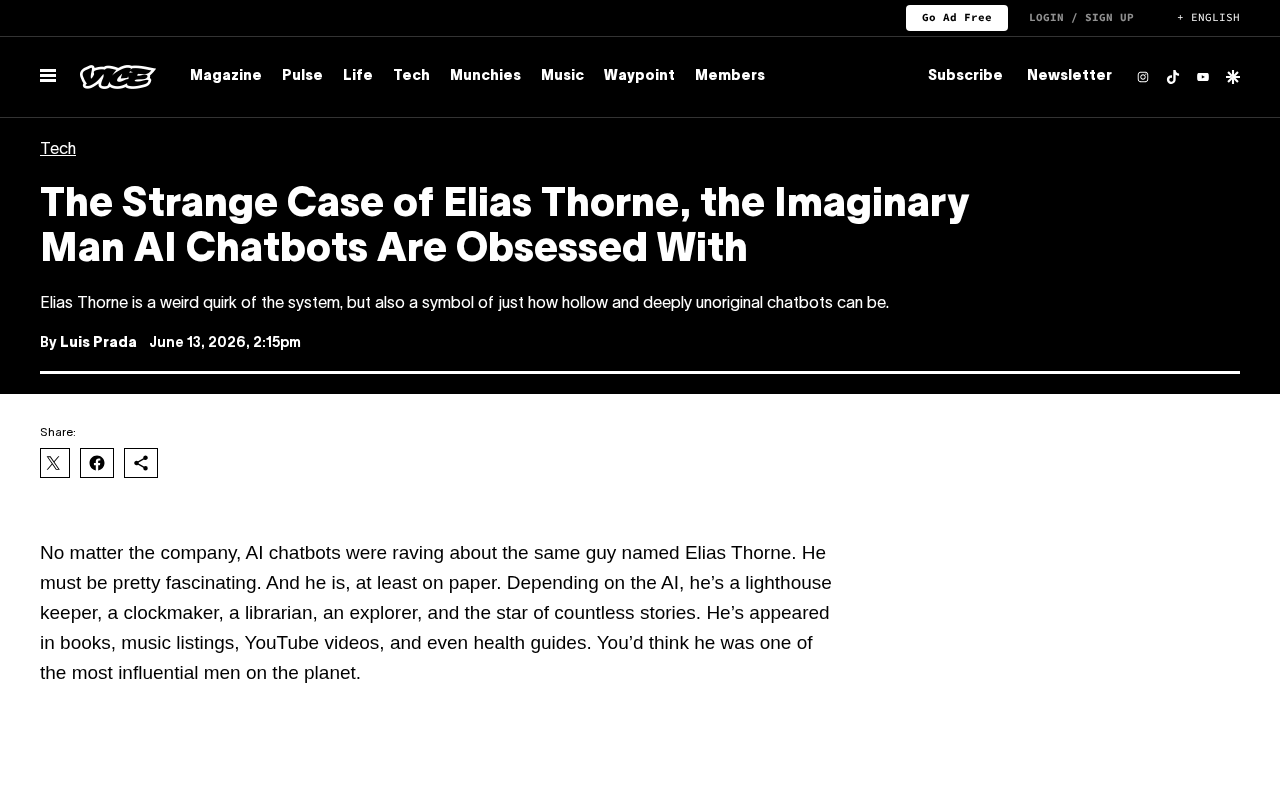
The Elias Thorne Phenomenon: Why AI Chatbots Keep Fabricating the Same Fictional Person
Why do AI chatbots keep inventing a fictional person named Elias Thorne? This article unpacks LLM hallucination mechanics, training data bias, and model collapse risks.