Beyond a Single Tweet: What Business Decisions Reveal About Product Retention

A single tweet shows how the right business decision can win both profitability and user loyalty at once.
A user's brief, unprompted tweet praising a product's business decision — and declaring they'd keep using it — serves as the jumping-off point for a broader discussion about user retention. In an era of increasingly commoditized AI tools, it's often not features but key decisions around pricing, privacy, and community responsiveness that determine whether users stay. When business logic and user interests align, the result is a rare dual win — and spontaneous public endorsements on social media are among the clearest signals that a decision got it right.
Reading User Retention Through a Single Tweet
A brief post on Twitter — "this was a really good business decision and ensures i'll continue using @bot" — doesn't say much on its own, but it points to a question worth serious reflection for anyone building tech products: What kinds of business decisions actually keep users around?
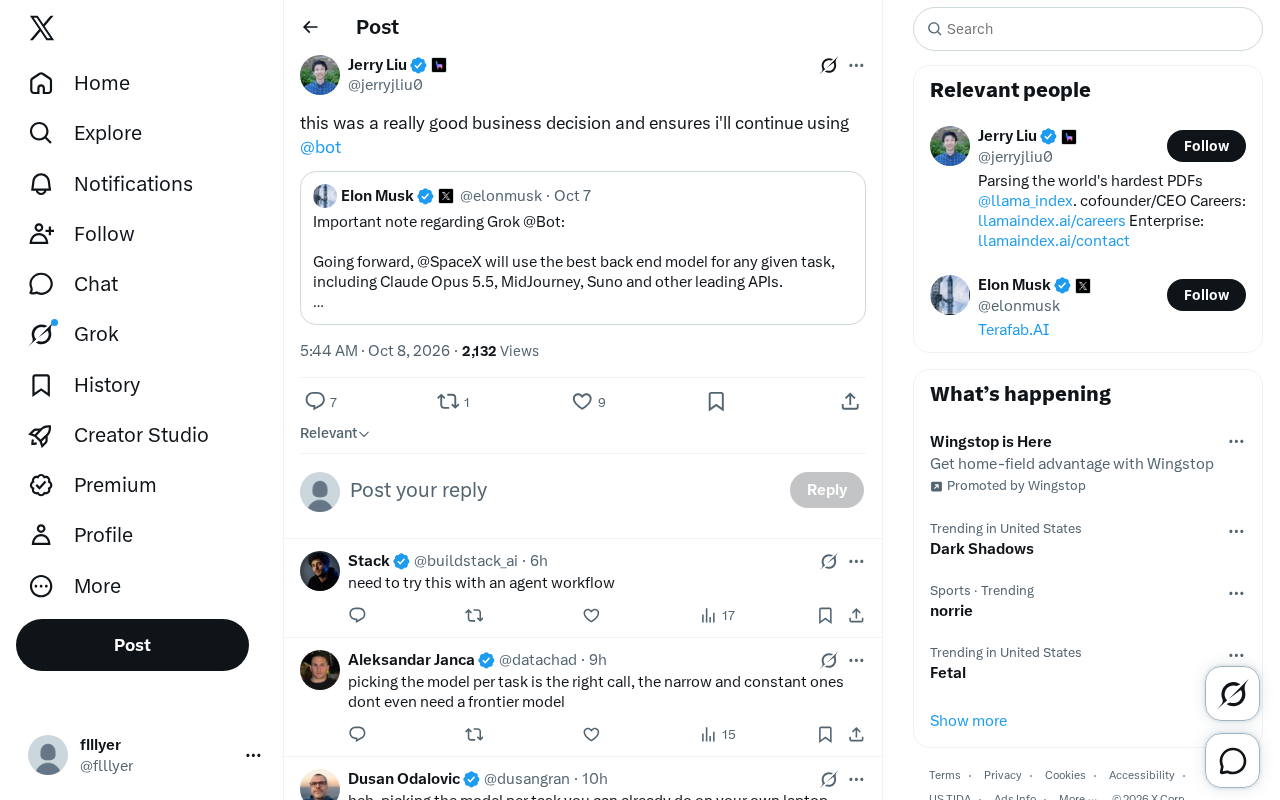
At its core, this tweet expresses a user's attitude: a decision made by a product or platform not only satisfied them, but directly influenced their willingness to keep using it. Unfortunately, the original post doesn't reveal which product was involved or what decision was made, so we can't dig into the specifics. Instead, this piece focuses on the broader patterns it reflects.
The Relationship Between Business Decisions and User Loyalty
As AI tools and tech products become increasingly commoditized, stacking features alone is no longer a defensible moat. What truly determines whether users stay or leave is often the decisions made at critical inflection points — pricing changes, shifts in privacy policy, features being opened up or taken away, and how the team responds to community feedback.
The signal in this tweet is a positive one: when a decision aligns with sound business logic and serves user interests, it can achieve the dual win of profitability and retention. That's the ideal state in product operations — but in practice, the two often pull in opposite directions.
Behavioral economics concepts like the anchoring effect and loss aversion help explain why certain business decisions have an outsized impact on retention. Users tend to be more than twice as sensitive to losing existing benefits as they are to gaining new features. As a result, decisions like price reductions, opening up previously paid features, or rolling back an unpopular privacy policy tend to generate strong positive emotional responses. Conversely, even minor reductions in user entitlements can trigger significant churn and public backlash.
Subscription-based SaaS products and AI tools are particularly prone to this dynamic. Netflix's 2022 regional pricing adjustments and OpenAI's repeated changes to ChatGPT's free-tier limits both sparked waves of users publicly debating whether to stay or leave. This illustrates that pricing and entitlement decisions are, in essence, a form of implicit contract management between a product and its users.
Takeaways for Tech Product Teams
Even from this brief piece of feedback, there are a few observations worth noting:
- Users vote with their feet: Decisions they like drive retention; decisions they don't drive churn. Users who publicly say they'll "keep using" a product are often its most valuable source of organic word-of-mouth.
- Business goals and user experience aren't inherently at odds: Good business decisions don't have to come at the expense of user experience — the key is finding the right balance between the two.
- Social media feedback is a meaningful signal: Spontaneous, unprompted praise like this tweet is a direct indicator of whether a product decision landed well.
Because the original post is so brief, this discussion has stayed at a general level. With more context about the specific product and decision, the analysis could be far more targeted and actionable.
In product operations, this kind of unprompted public praise is referred to as Organic Word-of-Mouth — distinct from paid promotion or incentivized reviews. Research consistently shows that organic word-of-mouth converts potential new users at a significantly higher rate than advertising, precisely because it comes from genuine use and voluntary expression, making it far more credible.
A tweet like this one — where a user proactively tags a product's account and states they'll "continue using" it — is effectively a public endorsement in the social media context. For product teams, systematically monitoring, collecting, and analyzing these signals — rather than relying solely on NPS surveys or app store ratings — enables a more real-time read on how decisions land with actual users, and creates a faster feedback loop for strategic iteration.
Related articles
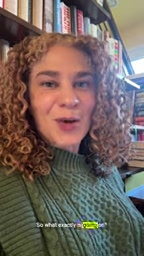
M&M's Spent Millions Replacing Artificial Blue Dye — Why Is It So Hard?
Mars spent millions trying to replace artificial blue dye in M&M's with spirulina, but thick material clogs pipes and residue risks mold, forcing a full production-line rebuild. Here's the engineering behind the reformulation.
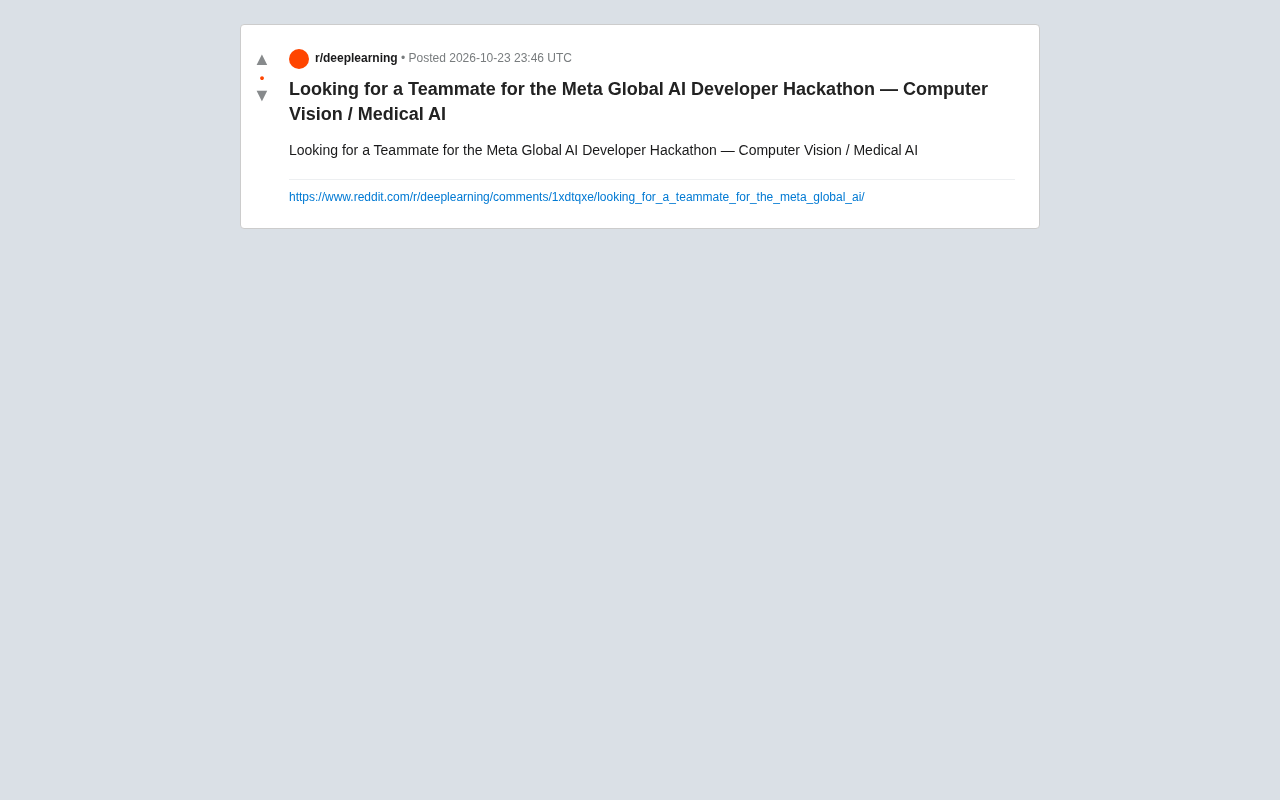
Teammate Wanted for Meta Global AI Developer Hackathon: Computer Vision & Medical AI
A Reddit developer seeks teammates for the Meta Global AI Developer Hackathon, focusing on computer vision and medical AI. This article analyzes the track logic, skills-complementarity needs, and topic selection strategy behind this teaming signal.
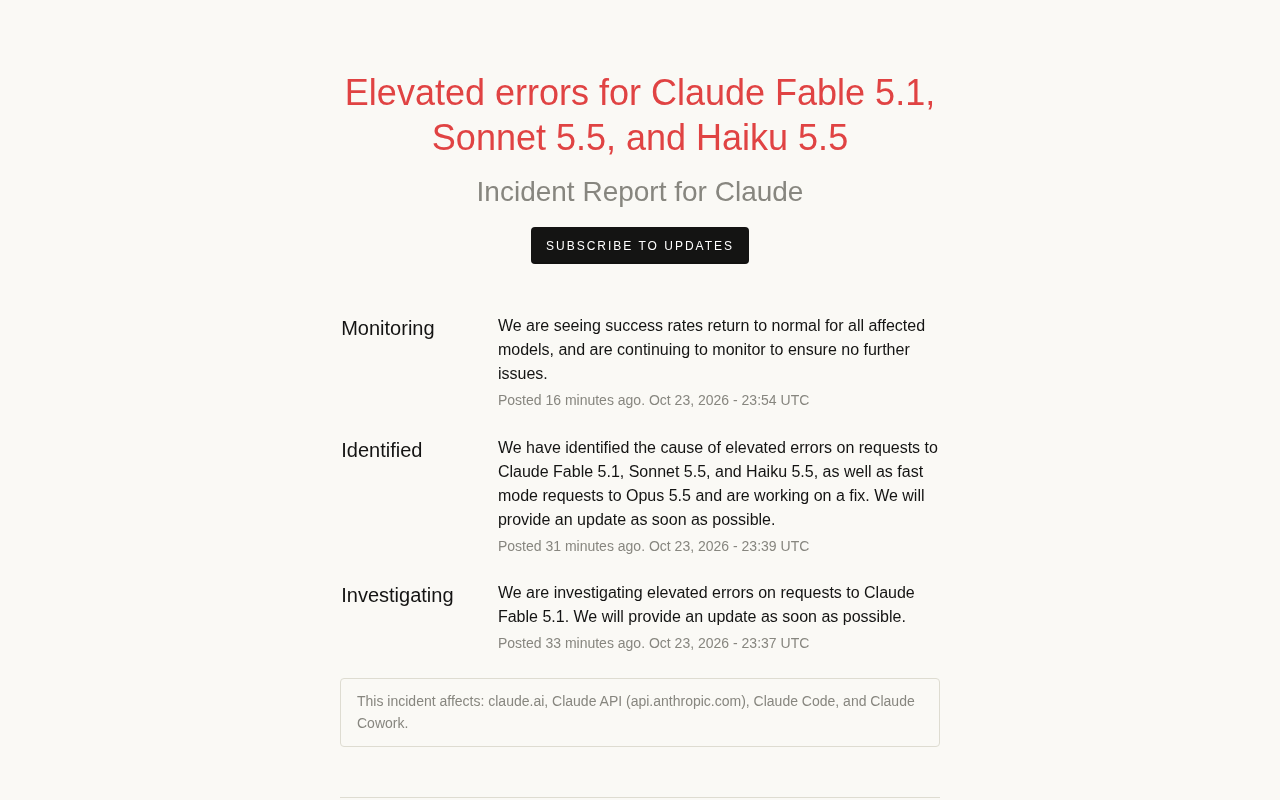
Multiple Claude Models Hit by Errors: A Postmortem of Fable 5.1, Sonnet 5.5, and Haiku 5.5
Claude Fable 5.1, Sonnet 5.5, Haiku 5.5, and Opus 5.5 fast mode saw elevated errors; Anthropic identified and resolved the issue in 17 minutes. This postmortem covers the timeline, the technical reasons for the multi-model cascading failure, and practical lessons for retry and degradation strategies.