Bose Acquires Skullcandy: Audio Giant Expands Into Youth Market via Sub-brand
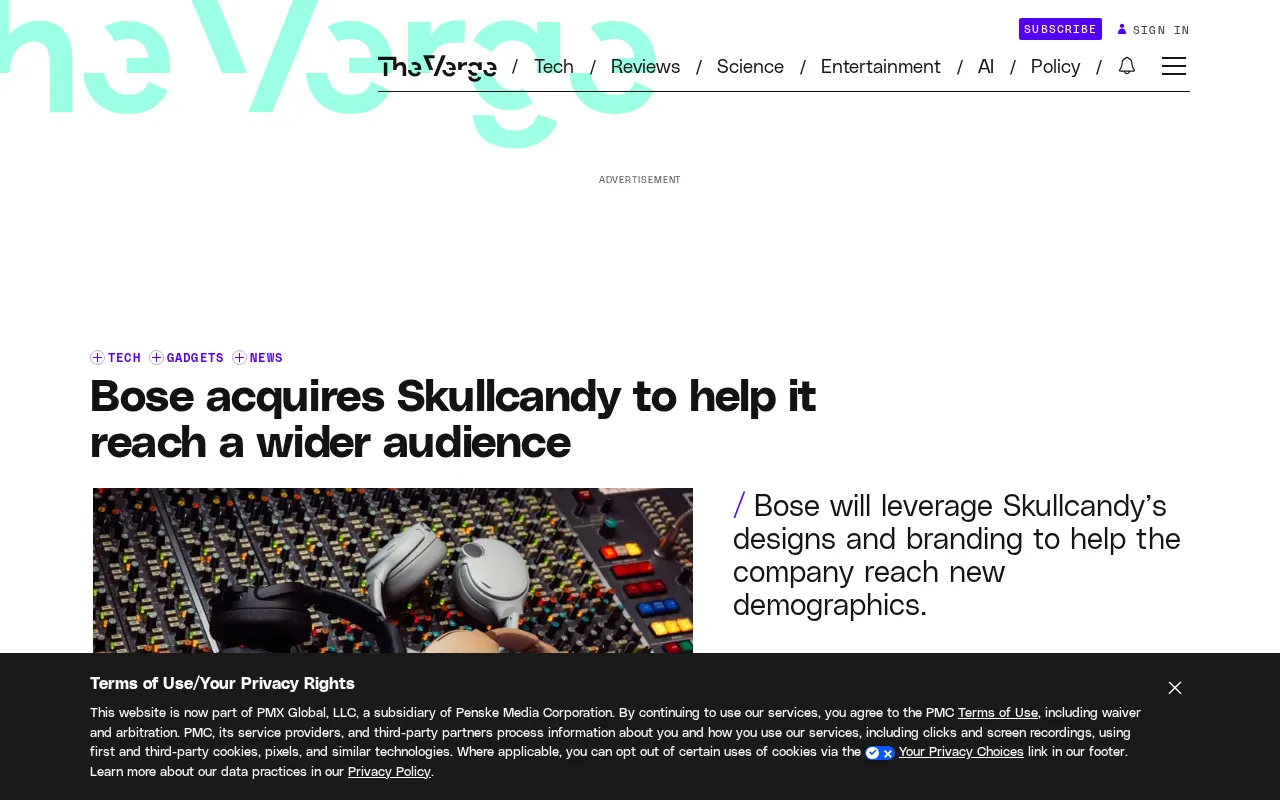
Bose acquires Skullcandy, using technology trickle-down and brand tiering to enter the mid-range audio market.
Bose has completed its acquisition of Skullcandy, bringing the trend-focused youth brand under its umbrella. The two previously competed directly but have complementary brand images and user bases: Bose targets premium noise cancellation and sound quality, while Skullcandy appeals to younger, price-sensitive consumers. The deal builds on an existing technology partnership, with Skullcandy's Crusher 1080 ANC already using Bose's head-tracked spatial audio and ANC. The core logic is technology trickle-down and brand tiering: Bose reaches broader audiences without diluting its premium positioning. The move will intensify mid-range competition, though integration results remain to be seen.
The consumer audio industry has seen a major consolidation. Bose has announced the completion of its acquisition of Skullcandy, bringing this brand—known for its trend-driven design and youth-oriented positioning—under its wing. The two companies previously competed directly in the headphone and speaker markets; now they've gone from rivals to family, reflecting a carefully orchestrated strategy around market coverage and brand tiering.
From Competitors to Siblings
Bose and Skullcandy have long gone head-to-head in the consumer audio market, but their brand images and user bases don't fully overlap. Bose focuses on premium noise cancellation and sound quality technology, with higher-priced products targeting business professionals and audio enthusiasts. Skullcandy, by contrast, is associated with street culture and youth trends, offers more affordable pricing, and has built a loyal following among teenagers and sports enthusiasts.
A key backdrop to this acquisition is that the two sides were not without a foundation for collaboration. Skullcandy had recently entered into a technology partnership with Bose, incorporating Bose's head-tracked spatial audio and active noise cancellation (ANC) technology into its own product line, with representative products including the Skullcandy Crusher 1080 ANC headphones. This early technical trial paved the way for integration at the capital level.
The Dual Logic of Technology Trickle-Down and Brand Tiering
The most intriguing aspect of this acquisition is how Bose handles the brand relationship. Official statements emphasize helping Skullcandy reach a broader audience, but the actual moves look more like an orderly trickle-down of Bose's technological capabilities into the mid-range market.
Head-tracked spatial audio and ANC are Bose's most core technology assets in recent years, previously concentrated mainly in its own premium products. Through Skullcandy's channels and pricing system, these technologies can enter more price-sensitive market segments without having to lower the premium positioning of the Bose main brand. This dual-brand strategy is not new in the consumer electronics industry, but in the audio sector, the Bose-Skullcandy combination has strong complementarity—one provides technological endorsement, the other provides a youthful entry point.
For Skullcandy, obtaining Bose's technology licensing means improved product competitiveness; for Bose, it means expanding the reach of technology monetization without diluting the main brand's premium.
Head-tracked spatial audio is an audio technology that dynamically adjusts the sense of direction as the user's head turns. It uses gyroscopes and accelerometers built into the headphones to monitor head posture in real time, and works with algorithms to render multi-channel audio, keeping sound sources fixed in a virtual space to create an immersive experience similar to cinema surround sound. This technology places high demands on sensor precision, low-latency processing, and content ecosystems, and has long been a differentiating selling point for premium headphones. Bose's decision to trickle it down to the Skullcandy product line means mid-range headphones can now offer spatial audio capabilities previously seen only in flagship products, helping to narrow the feature gap between price segments.
Active noise cancellation (ANC) uses microphones to capture ambient noise and generates anti-phase sound waves to cancel it out, thereby reducing the background noise the user hears. The challenge of ANC lies in balancing broadband noise cancellation, wind noise suppression, and wearing comfort—algorithm tuning and acoustic structural design are both essential. Bose is one of the early pioneers of consumer-grade ANC headphones, and its technological accumulation constitutes a core barrier. Licensing ANC capabilities to Skullcandy is equivalent to converting this barrier into product strength that can cover a broader price range, while also allowing Bose to participate in mid-range market competition without directly cutting prices.
What It Means for the Consumer Audio Market
From a competitive landscape perspective, this deal will intensify competitive pressure in the mid-range headphone market. After acquiring Bose's ANC and spatial audio capabilities, Skullcandy's product strength will penetrate higher price segments, directly squeezing the survival space of other brands at the same price point. On the other side, Bose can use the sub-brand to cover young users it previously struggled to reach, forming a more complete product matrix from entry-level to premium.
Worth noting: the integration results after the acquisition remain to be seen. Balancing independent brand operation with group resource synergy is a common challenge in dual-brand strategies. Whether Skullcandy can fully absorb Bose's technological benefits while maintaining its own trend-setting character will determine the ultimate success of this acquisition.
For consumers, the direct short-term benefit is that more affordable products featuring Bose's core noise cancellation technology are expected to appear; in the long term, whether increased market concentration will affect product diversity and price competition deserves ongoing attention.
Dual-brand strategy refers to a company operating multiple brands with different positionings simultaneously, to cover multiple price bands and user groups while avoiding dilution of a single brand image. A common approach is for the main brand to maintain premium positioning while sub-brands or acquired brands focus on value or vertical audiences, with R&D, supply chain, and channel resources shared at the group level. The challenge of this strategy lies in brand independence: if a sub-brand relies too heavily on the main brand's technology, it may lose its own character; if synergy is insufficient, the acquisition will struggle to generate economies of scale. The Bose-Skullcandy combination is a typical example of this logic—Bose provides technological endorsement, Skullcandy retains its trend positioning, and the two form a tiered complementarity within the group. The success of integration depends on how technology licensing boundaries, product pricing ranges, and brand marketing autonomy are divided.
One-line Summary
Bose acquires Skullcandy, leveraging technology trickle-down and brand tiering to position itself in the mid-range audio market.
Paragraph Summary
Bose has announced the completion of its acquisition of Skullcandy, bringing the brand known for trend-driven design and youth-oriented positioning under its umbrella. The two previously competed directly in the headphone and speaker markets, but their brand images and user bases are complementary: Bose focuses on premium noise cancellation and sound quality, while Skullcandy targets younger and price-sensitive consumers. Before the acquisition, the two had already established a technology partnership, with the Skullcandy Crusher 1080 ANC headphones adopting Bose's head-tracked spatial audio and ANC technology. The core logic of the acquisition is technology trickle-down and brand tiering: Bose uses Skullcandy to reach a broader audience without diluting its main brand's premium positioning. This move will intensify competition in the mid-range headphone market, but the results of dual-brand integration remain to be seen.
Related articles

GLM-5.4 Released: How a 750B Model Achieves Stronger Reasoning
Zhipu AI releases GLM-5.4, a 750B model that boosts reasoning by running the middle 28 layers twice. GPQA Diamond rises from 47.58 to 56.26, with 1M token context and weights to be open-sourced after safety hardening.
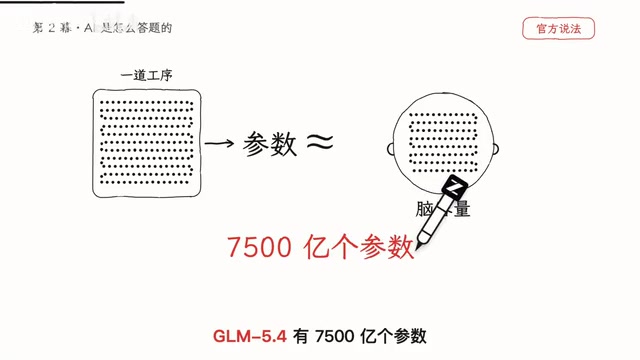
Understanding GLM 5.4 in 8 Minutes: How Loop Transformer Makes AI Smarter Without More Parameters
GLM 5.4 didn't grow its parameters yet got smarter. Using the memorizer-vs-reasoner analogy, this article explains how Loop Transformer runs the middle 28 steps twice, how gated progressive update and two other techniques stabilize the second pass, and how generalized Coding uses code to command 3D, mechanical design, and game development — with official comparison data and open questions.
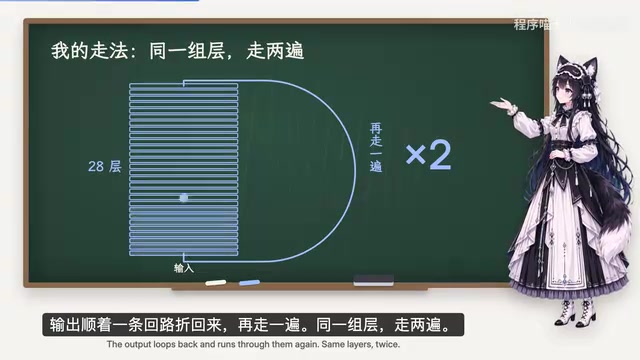
GLM-5.4 Released: An In-Depth Look at Zhipu's First Loop Transformer Flagship Model
Zhipu releases GLM-5.4, its first Loop Transformer flagship. Built on GLM-5 with 28 layers looped twice—no extra params, ~10% more compute, stronger math and long-context reasoning.