Can a Nasal Spray Reverse Brain Aging? A Deep Dive into the Latest Neuroscience Breakthrough
Can a Nasal Spray Reverse Brain Aging?…
A nasal spray claims to reverse brain aging — here's the neuroscience behind why that matters.
A study claiming to reverse brain aging via nasal spray has gone viral in tech communities. This article breaks down why intranasal drug delivery is scientifically significant, how it bypasses the blood-brain barrier, and offers a critical framework for evaluating such bold anti-aging claims — from animal studies to human trials.
A Scientific Finding That's Sparked Widespread Debate
A study claiming to "reverse brain aging" recently climbed the discussion boards of tech communities like Hacker News. The most attention-grabbing aspect of the research is its delivery method: an ordinary nasal spray. A non-invasive delivery mechanism paired with the striking claim of "reversing aging" quickly drew massive interest.
The reason this type of research continues to generate buzz reflects the profound unmet needs that have long existed in the fields of neurodegenerative disease and brain aging. To truly understand the value of this research, we need to move beyond clickbait-style interpretations and return to the logic of science itself.
Why "Intranasal Drug Delivery" Is the Key Breakthrough
The Blood-Brain Barrier: The Biggest Obstacle to Brain Therapeutics
The brain is not an organ that can be medicated freely. The human body possesses a natural defense known as the Blood-Brain Barrier (BBB), which effectively blocks the vast majority of large-molecule drugs in the bloodstream from entering the central nervous system. This is precisely why many neurological drugs that perform impressively in the lab ultimately fail clinically — they simply cannot reach their target.
The BBB is composed of cerebral capillary endothelial cells, astrocytes, and pericytes. Its core structure is the exceptionally tight "tight junctions" between endothelial cells, which prevent molecules with a molecular weight exceeding 400–500 daltons or with low lipid solubility from passing through freely. By contrast, peripheral blood vessel endothelial cells contain gaps that allow more substances to permeate. The BBB is a double-edged sword for the brain: it effectively defends against pathogens and toxins while maintaining the homeostasis of the neural microenvironment, but it also blocks more than 98% of small-molecule drug candidates and virtually all large-molecule drugs (such as antibodies and gene therapy vectors) from entering brain tissue — making it a fundamental obstacle to treating central nervous system diseases.
Intranasal drug delivery is highly regarded in neuroscience for its unique neuroanatomical basis: the olfactory sensory neurons distributed in the olfactory epithelium at the top of the nasal cavity have axons that pass through the cribriform plate of the ethmoid bone at the base of the skull and reach directly to the olfactory bulb, forming a "neural bridge" that communicates directly with the outside world. In addition, the ophthalmic and maxillary branches of the trigeminal nerve are distributed throughout the nasal mucosa, serving as parallel transport pathways. Drug molecules can migrate toward the CNS along these two routes via extracellular diffusion or intra-axonal transport, theoretically "bypassing" the BBB and entering brain tissue with relative efficiency. This pathway has been preliminarily validated in animal studies using large molecules such as insulin and neurotrophic factors (e.g., NGF, BDNF). Compared to invasive methods like intracranial injection, nasal sprays offer obvious advantages — they are non-invasive, convenient, and support high patient compliance.
Delivery Strategy: Sometimes More Critical Than the Drug Itself
For any brain-targeting therapy, "can it even get there" is often more fundamental than "does the drug itself work." It is worth noting that the efficiency of intranasal delivery is influenced by multiple factors including molecular size, formulation, and nasal mucociliary clearance rate; the actual amount reaching the brain is typically only a tiny fraction of the administered dose, and improving delivery efficiency remains an active area of research. If this study does confirm that a certain active molecule can produce brain-aging-reversal effects via nasal spray, the real breakthrough may lie not just in the molecule itself, but in establishing a genuinely viable non-invasive brain delivery pathway.
How to Rationally Evaluate Claims of "Reversing Aging"
From Animal Studies to Human Application: A Wide Chasm
When interpreting this type of news, the most important thing is to be alert to the stage of the research. The vast majority of "breakthrough" results on reversing brain aging initially come from mouse or other animal models. Metrics like "improved cognitive function," "neuronal regeneration," and "memory restoration" measured in animal studies are still a long way from being applied to humans.
Historically, countless therapies that performed brilliantly in mice have failed when entering human clinical trials. The Alzheimer's disease field is a particularly telling example — since the "amyloid beta hypothesis" was established in the 1990s, Aβ plaque-clearing strategies dominated the field for thirty years, during which more than 200 drug candidates failed in Phase III clinical trials, with cumulative R&D losses exceeding tens of billions of dollars. It was not until 2023 that lecanemab became the first anti-Aβ antibody proven in clinical trials to slow cognitive decline in AD — and even then, the effects were limited and carried serious risks including cerebral edema. This history profoundly illustrates the complexity of brain aging mechanisms: tau protein abnormalities, neuroinflammation, mitochondrial dysfunction, and declining synaptic plasticity are intertwined across multiple pathological pathways, making any single intervention strategy an enormous challenge. In a scientific context, "reversal" typically refers to improvements in specific biomarkers or behavioral indicators — not a literal return of the brain to a younger state.
Five Dimensions for Evaluating Research Credibility
When faced with such reports, consider examining their scientific merit from the following angles:
- Study subjects: Is this a cell study, an animal model, or a human clinical trial?
- Sample size: How large a dataset does the conclusion rest on?
- Peer review: Was the research published in a reputable journal and subjected to peer review?
- Mechanistic explanation: Does it provide a clear biological mechanism, rather than merely describing an observed phenomenon?
- Reproducibility: Can other independent laboratories replicate the same results?
Brain Anti-Aging Research: A Field That's Accelerating
As global populations age, cognitive decline, Alzheimer's disease, and neurodegenerative conditions like Parkinson's disease are becoming major public health challenges. Any substantive progress toward "delaying or even reversing brain aging" carries enormous social and economic value.
In recent years, the focus of anti-aging research has shifted from "extending lifespan" to "extending healthspan." The rise of this concept marks an important paradigm shift in aging research: the goal is no longer simply to extend biological lifespan, but to extend the window during which an individual maintains physical function, cognitive capacity, and quality of life. At the brain level, this is closely tied to research on neuroplasticity — the brain's ability to reorganize neural connections based on experience, learning, and environmental stimulation, encompassing synaptic plasticity (LTP/LTD), changes in dendritic spine morphology, and adult neurogenesis in the hippocampus. As we age, the expression levels of key regulators such as brain-derived neurotrophic factor (BDNF) decline, and these plasticity mechanisms gradually deteriorate.
As the central organ determining quality of life, the brain has naturally become a focal point of research. From senolytic therapies that eliminate senescent cells — by targeting senescent glial cells that have permanently stopped dividing yet continue to secrete pro-inflammatory factors, creating a chronic neuroinflammatory microenvironment in the brain — to various interventions that modulate neuroinflammation and promote neuroplasticity, this field is rapidly evolving.
The nasal spray study reported here, whatever its ultimate conclusions, represents the scientific community's ongoing exploration of non-invasive brain intervention. It reminds us that what truly changes the game is often not just the discovery of a new molecule, but a smarter delivery strategy.
Conclusion: Stay Curious, Stay Skeptical
For general readers and tech professionals alike, the right approach to breakthrough news of this kind is to be excited about scientific progress while maintaining necessary skepticism. The true value of a study that sparks community discussion requires time, follow-up experiments, and clinical validation to be determined.
In today's era of ultra-fast information dissemination, headlines like "nasal spray reverses brain aging" are easily overinterpreted. Readers who are genuinely interested are encouraged to consult the original paper directly, pay attention to the specific stage of the research and the details behind the data, and avoid drawing conclusions from headlines alone. The beauty of science lies precisely in this long and rigorous journey from bold hypothesis to strict verification.
Key Takeaways
Related articles
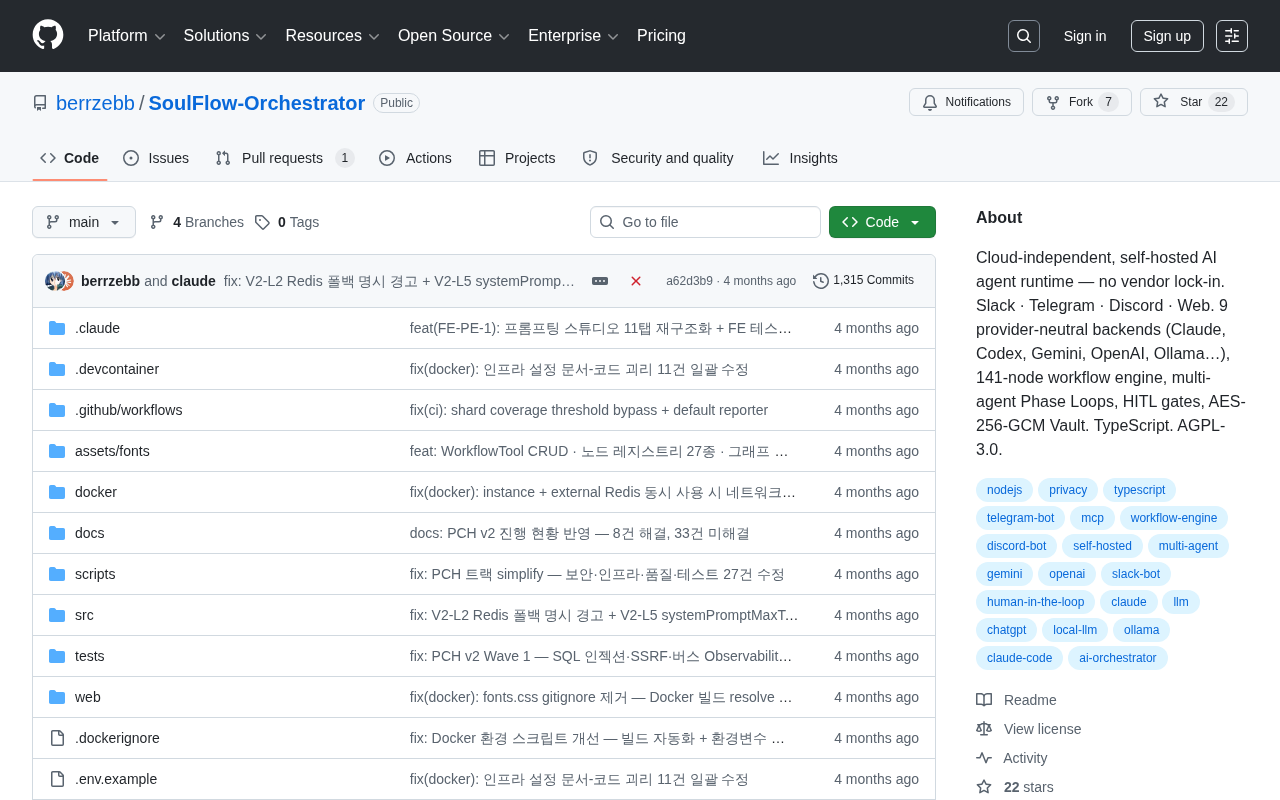
SoulFlow-Orchestrator: A Self-Hosted, Vendor-Lock-In-Free AI Agent Runtime
SoulFlow-Orchestrator is an open-source, self-hosted AI agent runtime with no vendor lock-in. Supports 9 neutral backends (Claude, OpenAI, Ollama), 141-node workflow engine, multi-agent loops, and HITL gates.

Chinese Full-Stack Agent Skills: A Skill Library Tailored for Domestic AI-Assisted Development
chinese-fullstack-skills is an Agent Skills library for Chinese full-stack development, covering Vue/React, Node/Go, and domestic cloud deployment best practices. Compatible with Claude Code, Cursor, Kiro, and Codex.
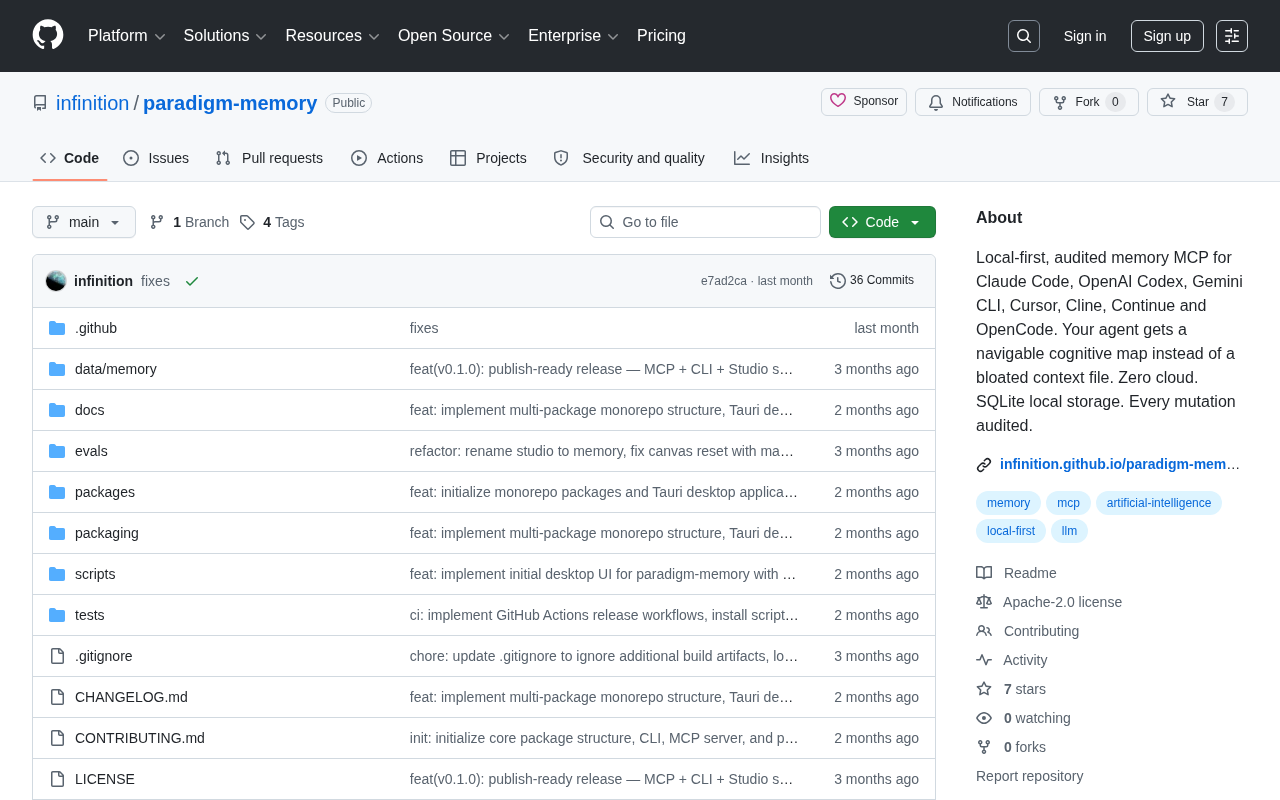
Paradigm Memory: A Local-First Memory System for AI Coding Assistants
paradigm-memory is a local MCP memory tool for Claude Code, Cursor, and Cline. It uses SQLite local storage, zero cloud, full audit trails, and a navigable cognitive map instead of bloated context files.