Chess.com Suspected Data Scraping Exposes 7.3 Million Users
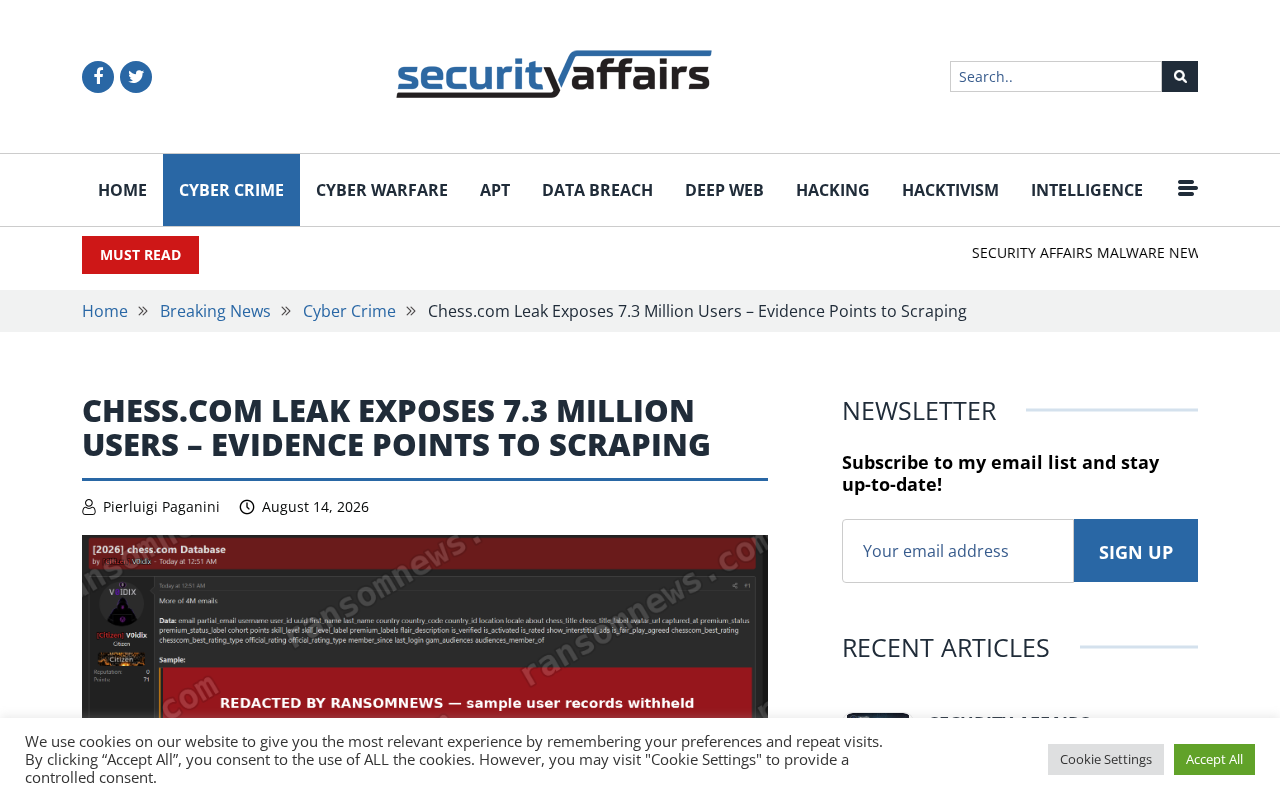
Chess.com's alleged 7.3M-user data exposure highlights the growing threat of automated API scraping.
Chess.com reportedly had data from approximately 7.3 million users exposed, with evidence pointing to scraping rather than a traditional breach — attackers likely exploited weak API access controls and rate limiting to systematically harvest user information. The core risk lies in large-scale data aggregation: even seemingly harmless individual records become powerful ammunition for phishing and credential stuffing once compiled into millions of structured entries. This mirrors high-profile scraping incidents at LinkedIn and Facebook, exposing systemic security gaps in the API economy. Users should immediately change their passwords, avoid reuse across platforms, enable 2FA, and treat any Chess.com-related emails with heightened suspicion.
Overview
Popular online chess platform Chess.com has reportedly suffered a large-scale user data breach affecting approximately 7.3 million users. Unlike a conventional system intrusion, current evidence points more toward data scraping — where attackers use automated tools to harvest publicly or semi-publicly accessible user data at scale, rather than directly compromising the core database.
This distinction matters. Data scraping typically exploits design flaws or weak access controls in a platform's API, rather than breaking through authentication systems the way traditional hacking does. For everyday users, this means the exposed data likely consists primarily of information that was already searchable on the platform — but once aggregated at scale, the potential for misuse increases significantly.
Why Scraping-Based Breaches Deserve Serious Attention
Many people tend to underestimate the harm of scraping incidents, reasoning that "it was public information anyway." But reality is far more complicated. When millions of user profiles are systematically compiled into a structured dataset, it becomes a high-value arsenal for phishing attacks, credential stuffing, and social engineering.
Attackers can leverage this aggregated data to launch targeted phishing campaigns against specific user groups — for example, impersonating Chess.com officials to send "account anomaly" notifications designed to trick users into clicking malicious links or entering their passwords. Once the mapping between usernames and email addresses is exposed, it can also be used for cross-platform credential stuffing attacks, particularly against users who reuse the same password across multiple sites.
Several major data incidents in recent years — including those involving LinkedIn and Facebook — were fundamentally scraping operations rather than direct breaches. These events repeatedly remind the industry that assessing risk solely based on whether data is "sensitive" is no longer sufficient; the scale and structural organization of the data are equally critical variables.
The Persistent Problem of Platform API Security
If the breach did originate from scraping, the root cause likely lies in inadequate API access controls and rate limiting. When an endpoint can be called at high frequency within a short period without effective monitoring, attackers can silently traverse vast amounts of user data.
For platforms with massive user bases, striking the right balance between openness and security has always been a challenge. Overly strict restrictions hurt the experience of legitimate users and third-party developers, while overly permissive access leaves the door open for automated crawlers. Best practices include applying stricter authentication to sensitive fields, performing behavioral analysis on anomalous access patterns, and adding additional safeguards at the data aggregation layer.
What Users Should Do Now
User-side defenses against this type of incident are limited, but still necessary. The first priority is to change your Chess.com account password and ensure that password is not reused on any other platform. Enabling two-factor authentication (2FA) can significantly reduce the risk of account takeover through credential stuffing.
You should also be cautious about any recent emails referencing Chess.com or chess-related content — especially messages asking you to click a link, verify your account, or provide credentials. You can use services like Have I Been Pwned to check whether your email address has appeared in known breach datasets.
Closing Thoughts
This incident affecting 7.3 million users once again highlights that the boundaries of data security have long since expanded beyond the traditional goal of "preventing hackers from breaking in." In an era of API economies and increasingly open data, defending against large-scale automated scraping has become a challenge that every major platform must confront head-on.
It's worth noting that publicly available information remains limited at this stage. The specific details of the incident, Chess.com's official response, and the full composition of the leaked data have yet to be confirmed. This analysis is based on current reporting, and further developments should continue to be monitored.
Related articles
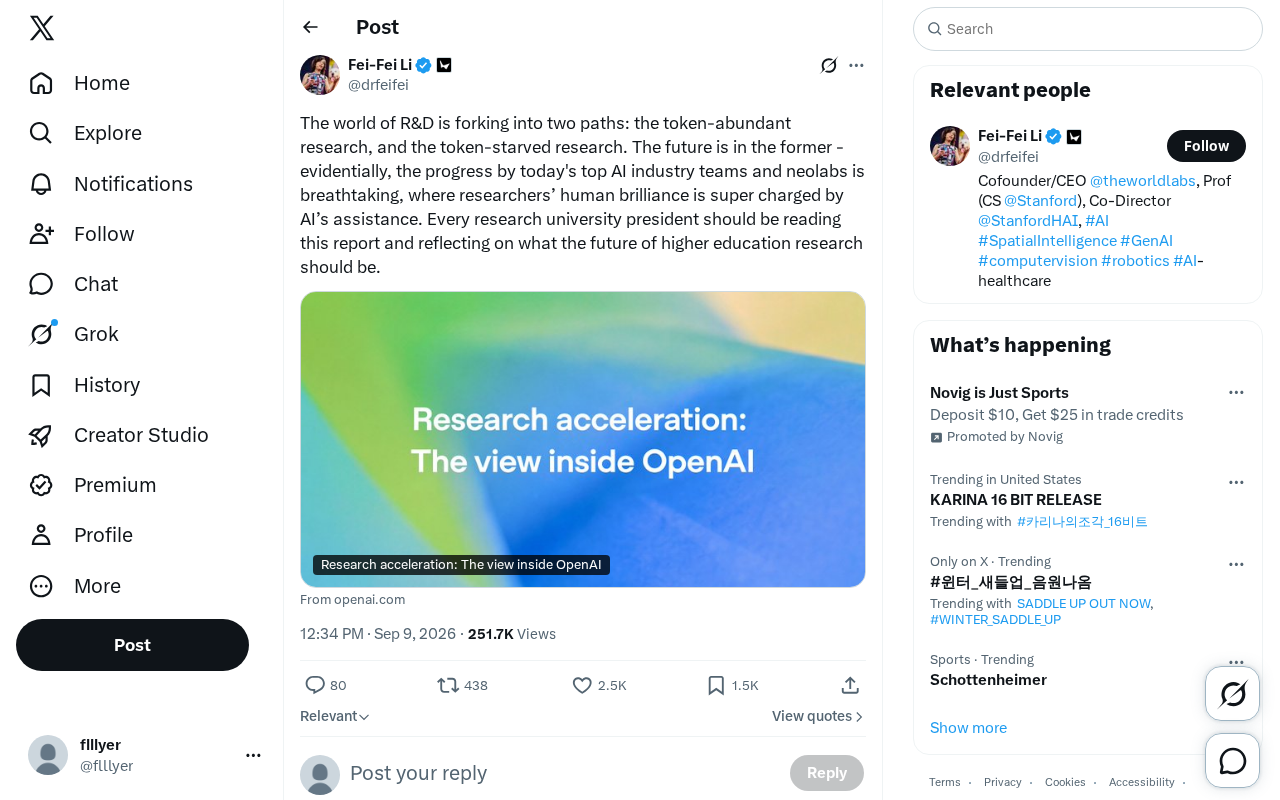
R&D Is Forking: The Coming Battle Between Token-Abundant and Token-Starved Research
R&D is splitting into token-abundant and token-starved research. Top AI labs are pulling ahead—here's what it means for universities and the future of science.
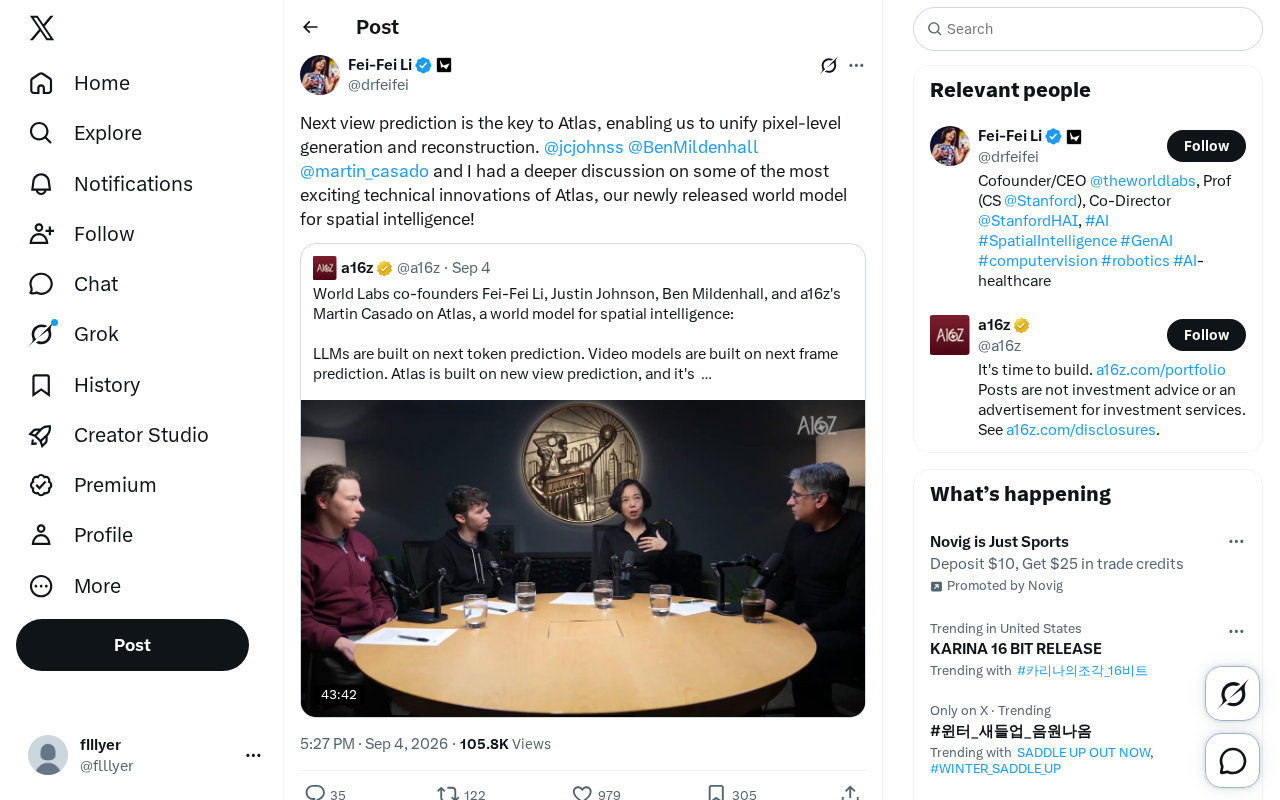
Atlas World Model Explained: How Next View Prediction Unifies Generation and Reconstruction
The Atlas world model uses Next View Prediction as its core to unify pixel-level generation and reconstruction, offering a new approach to spatial intelligence.
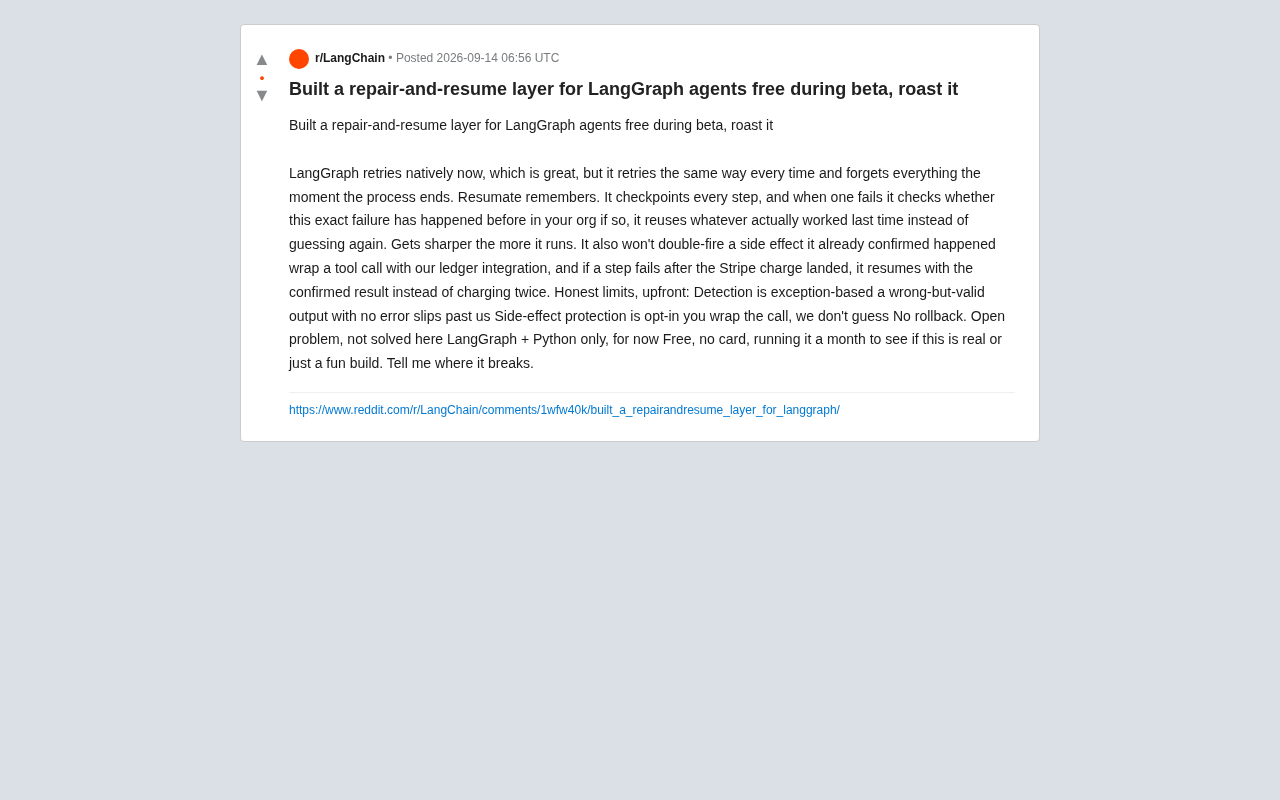
Resumate: A Deep Dive into the Repair-and-Resume Layer for LangGraph Agents
Resumate adds memory-aware checkpointing and idempotent side-effect protection to LangGraph agents, preventing issues like duplicate Stripe charges on retry.