China Cracks Down: Why 'AI Boyfriend' Apps Are in the Regulatory Crosshairs
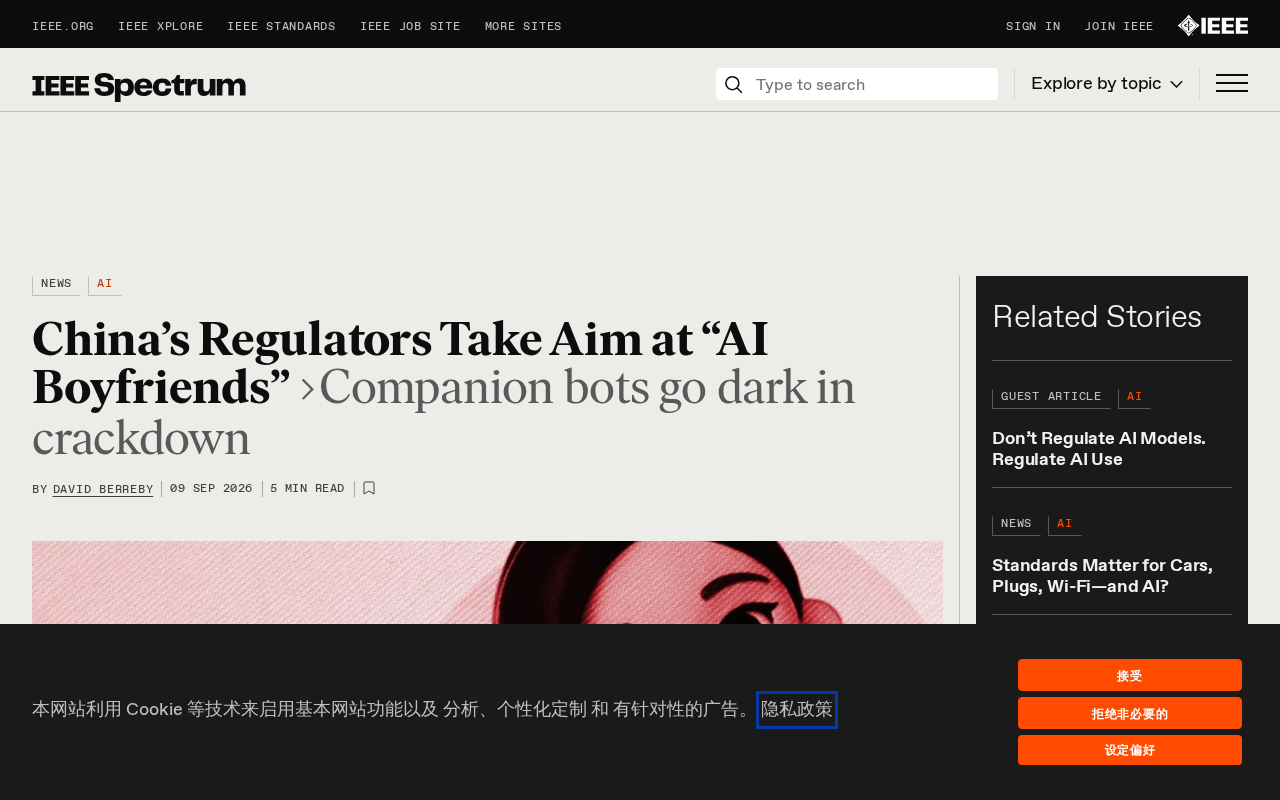
China's crackdown on 'AI boyfriend' apps signals emotional companion AI has become a serious global governance issue.
Chinese regulators have placed emotional companion AI apps — including "AI boyfriend" products — under heightened scrutiny, with core concerns around the controllability of real-time LLM-generated content, user privacy data protection, and potential mental health impacts on young users. These apps leverage generative AI to simulate romantic relationships and have rapidly captured market share among younger demographics, but face criticism for blurry content boundaries and emotional dependency risks. This regulatory action is not isolated — overseas products like Character.AI and Replika have faced similar pressure across multiple countries, and while governance approaches differ in emphasis (data privacy, minor protection, value orientation), they converge on the conclusion that emotional companion AI has become social infrastructure worthy of serious oversight. For developers, a rising compliance bar means building a more robust balance between user experience and content safety.
Background: AI Companions Enter the Regulatory Spotlight
Chinese regulators have recently turned their attention to the rapidly growing category of "AI boyfriend" apps. These applications use large language models to simulate emotionally supportive virtual characters — capable of human-like conversation, interactive engagement, and even role-playing as romantic partners. As generative AI technology has matured, this category of emotional companion products has gained significant traction among younger users.
According to discussions in the Hacker News community (the topic received 36 upvotes and 17 comments), China's regulatory crackdown on "AI boyfriend" apps reflects a broader trend: governments are beginning to recognize that emotional companion AI is no longer a niche, edge-case application — but a domain with potentially far-reaching implications for user psychology, social relationships, and content safety.
Why Emotional Companion AI Is Drawing Regulatory Scrutiny
The core reason emotional companion AI apps have attracted regulatory attention lies in the uncontrollability of their generated content and the vulnerability of their user base. These apps typically target younger users — particularly women — and without effective guardrails, the conversations a virtual partner generates could easily drift into sensitive territory involving violence, explicit content, or value-laden guidance.
For China's content governance framework, "controllability" is the paramount concern. Content on traditional social platforms is produced by real people and can be filtered through moderation mechanisms. AI-generated content, by contrast, is real-time and highly personalized — the same model can produce drastically different responses for different users, posing an entirely new set of technical challenges for content governance.
Beyond content, emotional companion AI also involves deep collection of user privacy data. To deliver a more "intimate" companionship experience, these apps need to log extensive records of users' conversation histories, emotional preferences, and other sensitive information — the storage and use of which is equally a focal point of regulatory concern.
The Social Questions Behind Emotional Dependency
The "AI boyfriend" phenomenon reflects deeper social and psychological needs. In the fast-paced, high-pressure environment of modern life, some young people are turning to AI for emotional comfort — a trend that is both understandable and not without risk.
On the positive side, AI companions can provide a degree of emotional support for lonely individuals at low cost and on demand. On the risk side, over-reliance on virtual relationships may accelerate the erosion of real-world social skills and even foster unhealthy emotional dependency. These are the societal trade-offs regulators must weigh when deciding how to intervene.
In the Hacker News comment thread, many tech practitioners weighed in with notably divided opinions: some viewed the regulatory action as a reasonable precaution against emerging technological risks, while others worried that heavy-handed regulation could stifle emotional companion AI — an innovation track addressing genuine human needs.
AI Companion Governance in Global Perspective
China is not the only country paying close attention to emotional companion AI. With the rise of overseas products like Character.AI and Replika, governing AI companion apps has become a global issue. There have already been controversies and lawsuits abroad involving AI companion apps and concerns around minor protection and mental health.
Regulatory approaches differ across jurisdictions: Western countries tend to focus primarily on data privacy and the protection of minors, while China's regulatory posture typically addresses both content safety and value orientation simultaneously. These differences reflect distinct governance philosophies, but they converge on a shared reality — emotional companion AI is evolving from a tech novelty into a form of social infrastructure that demands serious attention.
Implications for the Industry
For AI application developers, this regulatory signal means the compliance bar for the emotional companion space is rising. Products in this category will need to strike a balance between user experience and content safety, and build more robust content filtering mechanisms, age verification systems, and data protection measures.
In the long run, regulatory intervention may not be bad news for the industry. Clear rule boundaries can help weed out poorly operated products and push the entire category toward greater standardization. The emotional companion AI products that will truly survive long-term are those capable of meeting users' genuine emotional needs while holding the line on safety.
At its core, this regulatory action targeting "AI boyfriend" apps represents yet another collision and negotiation between technological innovation and social governance — and its trajectory is well worth watching.
Related articles
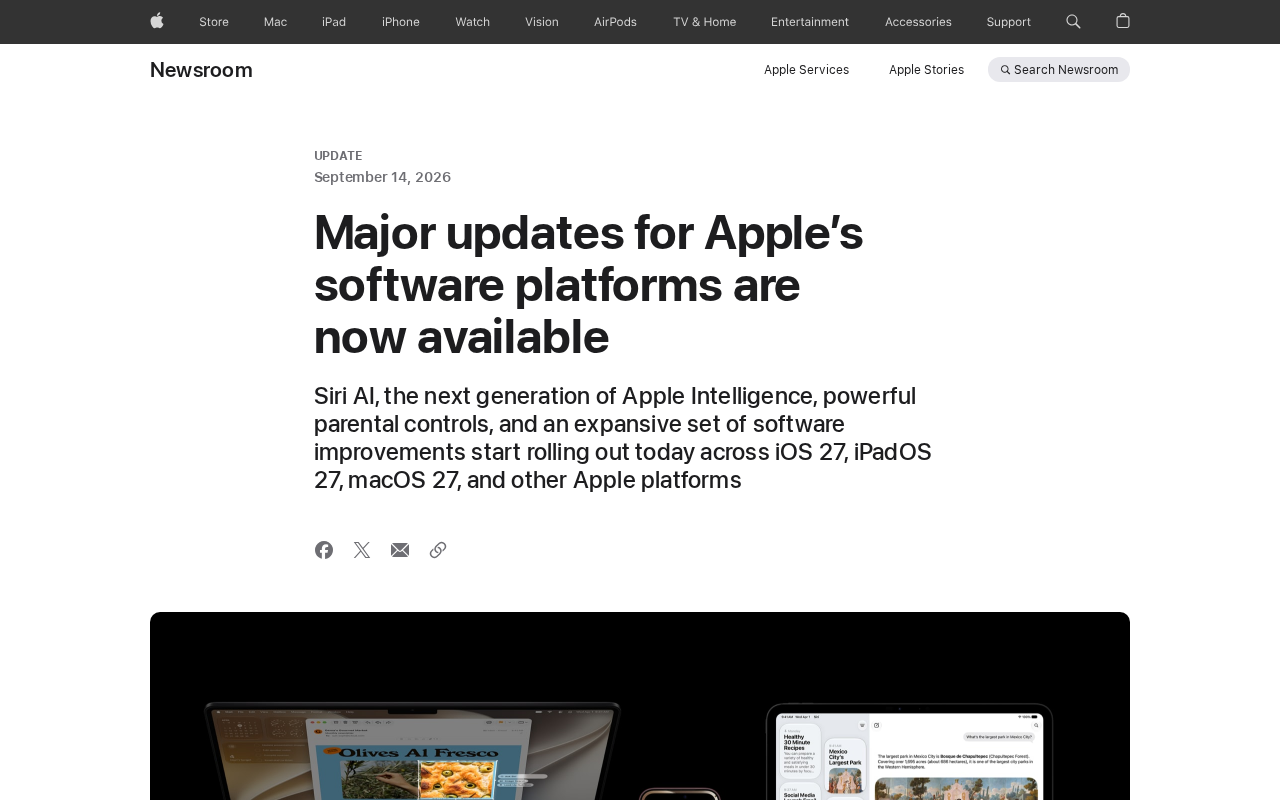
iOS 27, iPadOS 27, and macOS 27: The Information Gap Behind a Discussion
A Hacker News post about iOS 27, iPadOS 27, and macOS 27 sparked speculation about Apple unifying its version numbering. Here's how to read it with limited info.
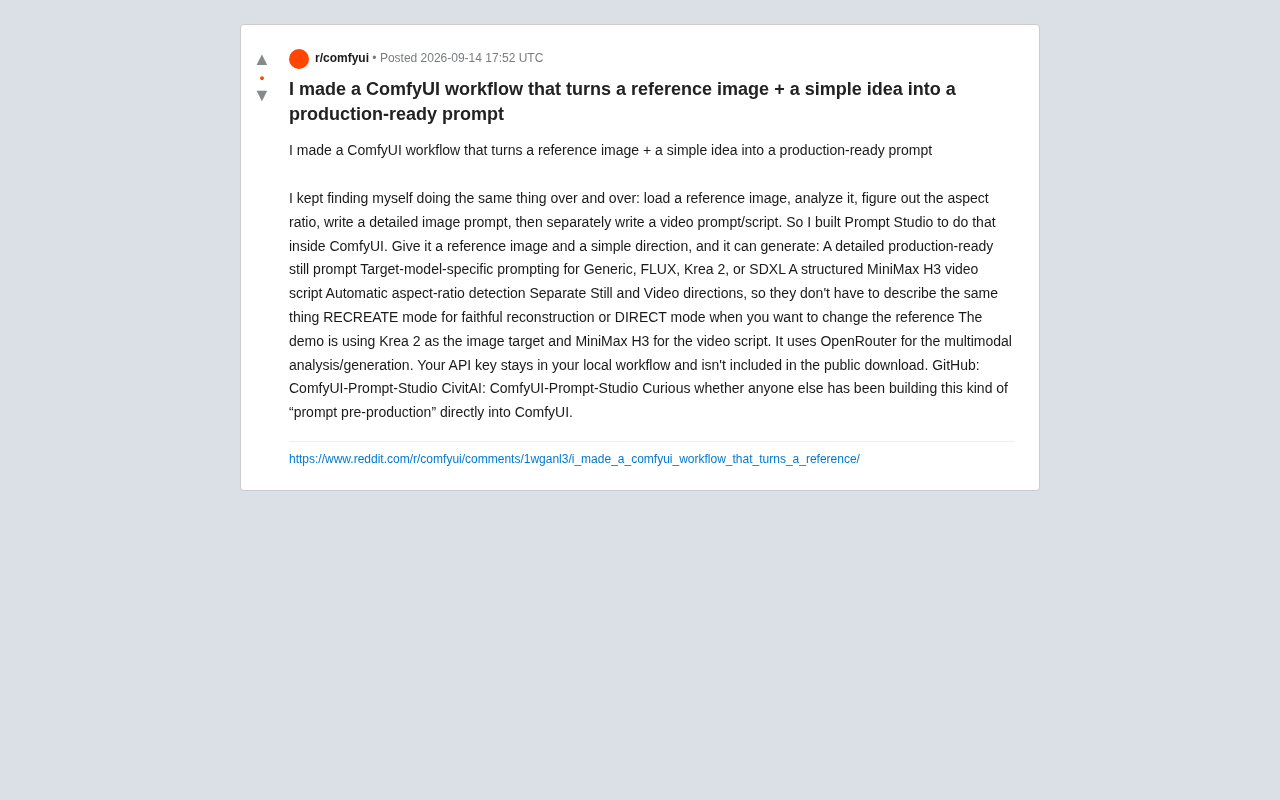
ComfyUI Prompt Studio: A Workflow for Turning Reference Images into Production-Ready Prompts
ComfyUI Prompt Studio is an open-source workflow that auto-generates production-ready image prompts, multi-model custom prompts, and MiniMax video scripts from reference images.

K2 Horizon 7B: A Small Model Punching Above Its Weight
K2 Horizon 7B ranks between Qwen 3.6 27B and 35BA3b on the Artificial Analysis Intelligence Index, delivering near-mid-tier intelligence at 7B parameters — a strong local deployment option.