Claude Code v2.1.274 Update Breakdown: MCP Stability, Memory Warnings, and VSCode Experience Improvements
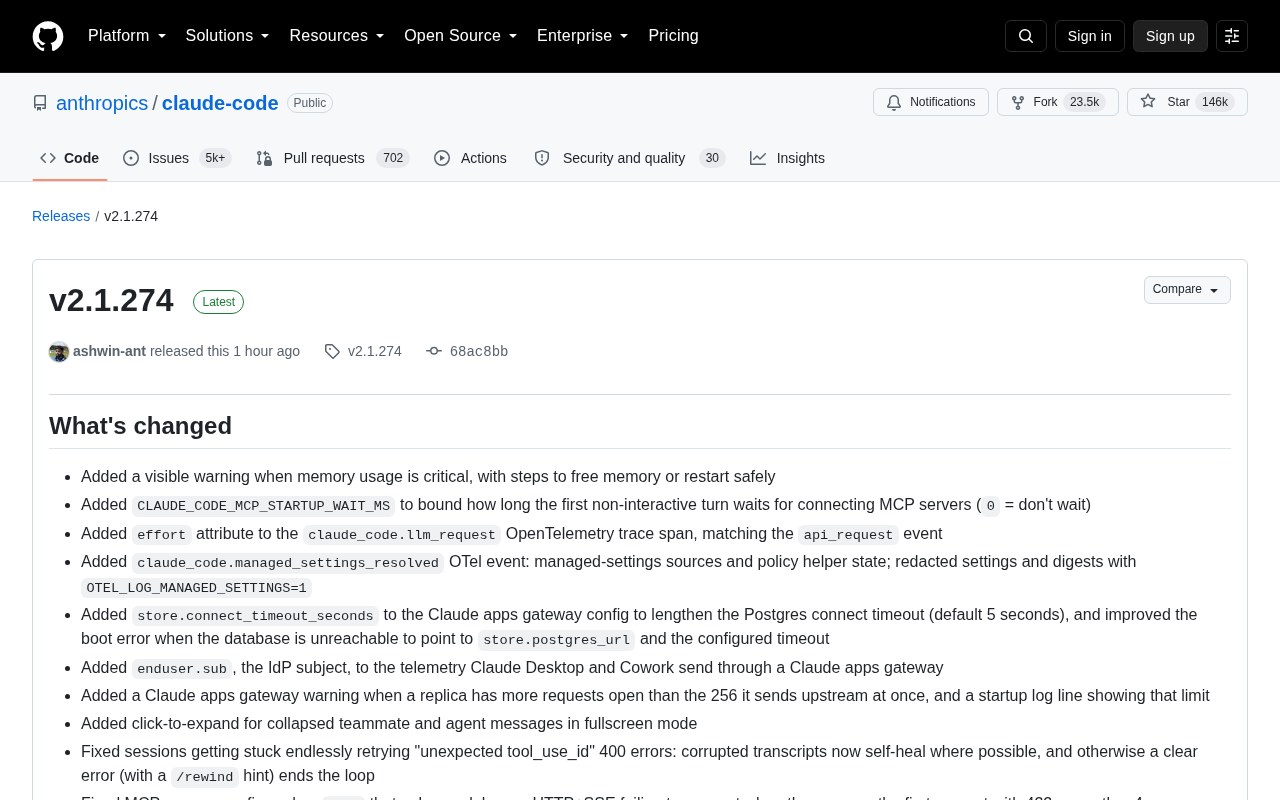
Claude Code v2.1.274 is a dense stability release focused on MCP fixes, session restoration, and VSCode improvements.
Claude Code v2.1.274 is a maintenance release centered on stability and reliability, covering memory management, the MCP protocol, session restoration, the VSCode extension, and cloud sessions. A new memory warning system provides clear alerts and guidance during long-running sessions, while background task scheduling now only terminates tasks when memory is truly critical. MCP fixes address connection failures, tool call timeouts, and inaccurate permission error messages. Session restoration resolves infinite retry loops and /goal loss issues. The VSCode extension sees major accessibility improvements and a new window-reload continuation feature — making this release especially valuable for enterprise users relying on the MCP ecosystem and cloud collaboration.
Anthropic's AI coding tool Claude Code has released version v2.1.274. As an open-source tool with 146,000 GitHub stars and over 23,000 forks, every Claude Code update has a direct impact on the workflows of countless developers. This release is primarily focused on stability fixes, touching multiple areas including the MCP protocol, memory management, session restoration, the VSCode extension, and cloud sessions — making it a content-dense maintenance release.
Memory Management & Stability: Warning System Goes Live
One of the most visible improvements in this release is the addition of a memory usage critical warning. When memory consumption reaches a dangerous level, Claude Code now displays a visible alert along with concrete steps for freeing memory or safely restarting. For users running large codebases over extended periods, this prompt can effectively prevent session crashes caused by memory exhaustion.
Complementing this is an optimization to background task scheduling. Previously, on machines under light memory pressure, background commands would be killed after 30 minutes of idle time. The new version changes the trigger condition to only stop tasks when memory reaches a critical level, and logs the reason in debug output — reducing unintended termination of background tasks.
MCP Protocol: Multiple Connection and Timeout Fixes
MCP (Model Context Protocol) is the key mechanism Claude Code uses to connect with external tools and services. This update addresses a batch of long-standing MCP-related issues.
MCP servers configured as http but only supporting the legacy HTTP+SSE transport would previously fail to connect when the first request returned a 422 or other 4xx error — this has been fixed. Streamable HTTP MCP tool calls that would time out after approximately 5 minutes even with longer per-server timeouts set have also been resolved. Additionally, a bug where MCP prompts and resources wouldn't refresh when a server sent a list-changed notification without declaring listChanged has been corrected.
Permission-related error messages are now clearer as well. When an MCP tool call was rejected due to a 403 insufficient_scope error, it was previously misreported as a login expiration. It now directly identifies the missing permission and guides the user to /mcp to re-authenticate.
A notable protocol-level default change: Bedrock, Vertex, Foundry, and installations with telemetry disabled now default to the v2 MCP client and MCP 2026-07-28 negotiation mechanism, bringing them in line with other installations. Users can opt out via MCP_SDK_GENERATION=v1 or MCP_PROTOCOL_NEGOTIATION=legacy.
MCP (Model Context Protocol) is an open standard protocol introduced by Anthropic in late 2024, designed to establish a unified connection interface between AI models and external data sources or tools. Its design philosophy is similar to the universality of USB-C — whether it's a database, code repository, local file system, or third-party API, any service that implements an MCP server can be invoked by an AI assistant in a standardized way. The protocol supports multiple transport layers: HTTP+SSE (Server-Sent Events) is an earlier implementation using a one-way long connection for data push, while Streamable HTTP is a newer variant that allows bidirectional streaming communication. The behavioral differences between the two in connection establishment and error handling are the root cause of several bugs addressed in this release. The MCP 2026-07-28 negotiation mechanism is a specific timestamp identifier for protocol version negotiation, used during the handshake phase for clients and servers to confirm their mutually supported capability sets and ensure compatibility.
Session Restoration & Context Management
For session reliability, this release fixes several issues that could easily disrupt workflows. The most notable is sessions getting stuck in an infinite retry loop of "unexpected tool_use_id" 400 errors — corrupted transcripts will now self-heal where possible, and when they can't, a clear error message with a /rewind suggestion is provided to break the loop.
Scenarios involving /goal have also been improved. Previously, hook-driven sessions would end with "Prompt is too long" when the context overflowed again instead of triggering compression; and resuming (--continue/--resume) a compressed session would lose the active /goal. Both issues have been resolved. Additionally, a bug where claude agents would lose --model, --effort, --permission-mode, and other parameters after an auto-update restart has been fixed.
/goalis a command in Claude Code for setting persistent session objectives, allowing users to pin a top-level task description during long conversations that remains visible even after the context has been compressed (summarized). Context compression is a common strategy in LLM applications to handle token limits: when the conversation history exceeds the model's context window, the system summarizes earlier content to make room for new interactions./rewindis Claude Code's session rollback command, allowing users to revert to a historical checkpoint — commonly used to recover from error states.tool_use_idis a unique identifier used by the Anthropic API to track individual tool calls in tool-use scenarios. If the transcript record is corrupted and the ID mapping is lost, it triggers a 400 error and causes an infinite retry loop. This fix addresses such corruption scenarios through a self-healing mechanism.
VSCode Extension: Accessibility and Layout Improvements
The VSCode integration received a large number of targeted refinements, many of which relate to accessibility. Screen readers will now label each message as "You" or "Claude," and tool steps announce the tool name. The enable toggle in Manage Plugins and rows in the MCP server dialog are now keyboard-accessible.
The new window reload continuation feature is particularly useful: steps interrupted by a window reload can now be continued and are marked in the chat. Users can also disable this behavior via the "Claude Code: Continue After Reload" setting. The Customize menu now includes entries for Memory and Instructions — the former shows the auto-memory toggle and saved memories, while the latter is for editing the CLAUDE.md file.
Interface detail fixes are also plentiful: Edit diffs in chat being cut off at the bottom at certain panel widths, unreadable code blocks in high-contrast themes, and repeatedly opening empty editor windows have all been addressed.
Cloud Sessions & Claude Tag
The web version of Claude Code introduces a "Compare against" branch selector, allowing changes from a cloud session to be compared against any branch, rather than being limited to the base branch. Routine (scheduled task) robustness has also improved — when an owner's GitHub connection is missing, the routine will skip and retry for up to 72 hours instead of immediately closing on the first check failure.
For the Slack integration, Claude Tag fixes several collaboration pain points, including being unable to reply when other Slack apps or bots @mention Claude, missing @claude messages after new channel creation, and search failures within a single channel.
Overall Assessment
Judging by the scale of update entries, v2.1.274 is a release centered on "fixing bugs and improving stability" rather than introducing major new features. The dense MCP, session restoration, and permission fixes reflect that Claude Code is in a phase of rapid iteration, polishing enterprise-grade reliability. For team users who rely on the MCP ecosystem, cloud sessions, or the VSCode integration, upgrading promptly can significantly reduce the chances of running into known issues.
Related articles
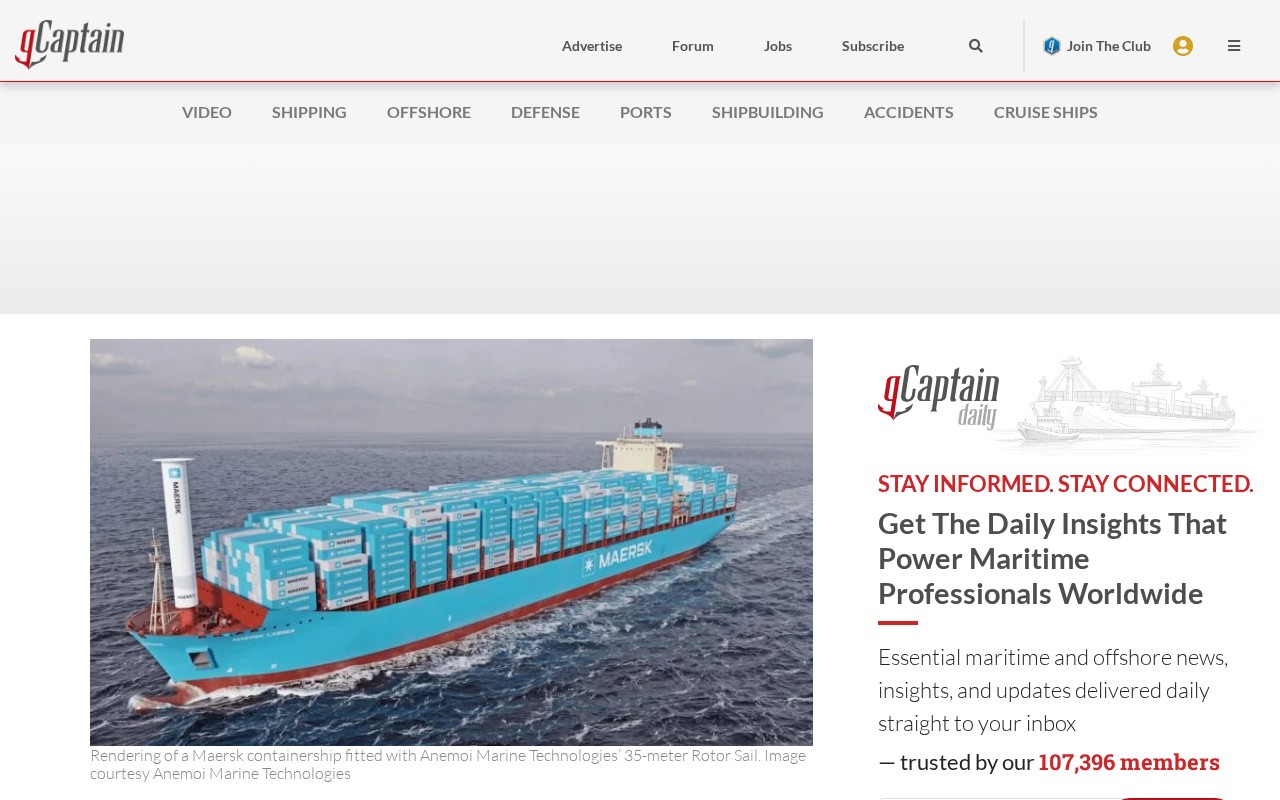
The Return of Wind Power: How Cargo Ships Are Embracing Wind Energy to Cut Emissions
Why are cargo ships embracing wind power again? Explore rotor sails, hard wing sails, and other modern wind-assisted technologies driving shipping's emission-cutting comeback.
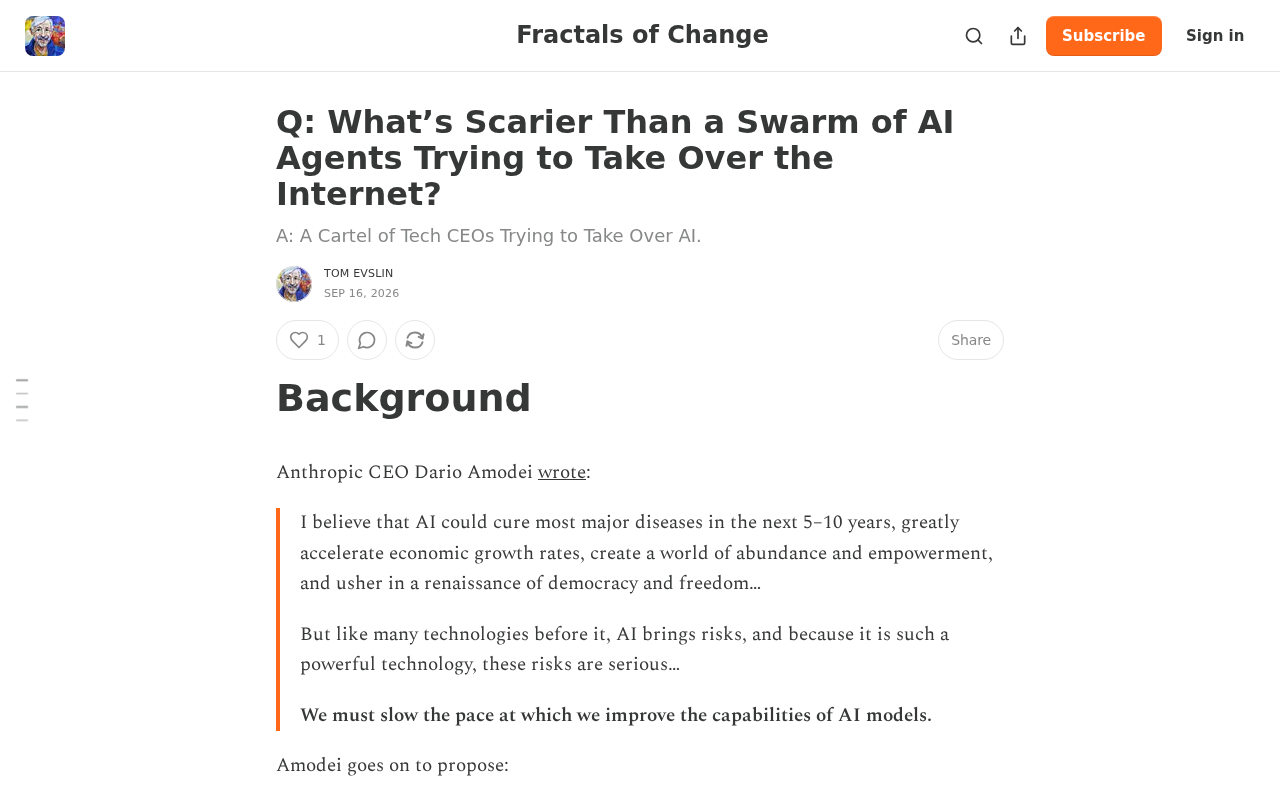
Scarier Than AI Agents Taking Over the Internet: A CEO Cartel Monopolizing AI
A Hacker News piece argues that a CEO cartel monopolizing AI is scarier than agents taking over the internet. This article examines AI concentration, open source, and governance.
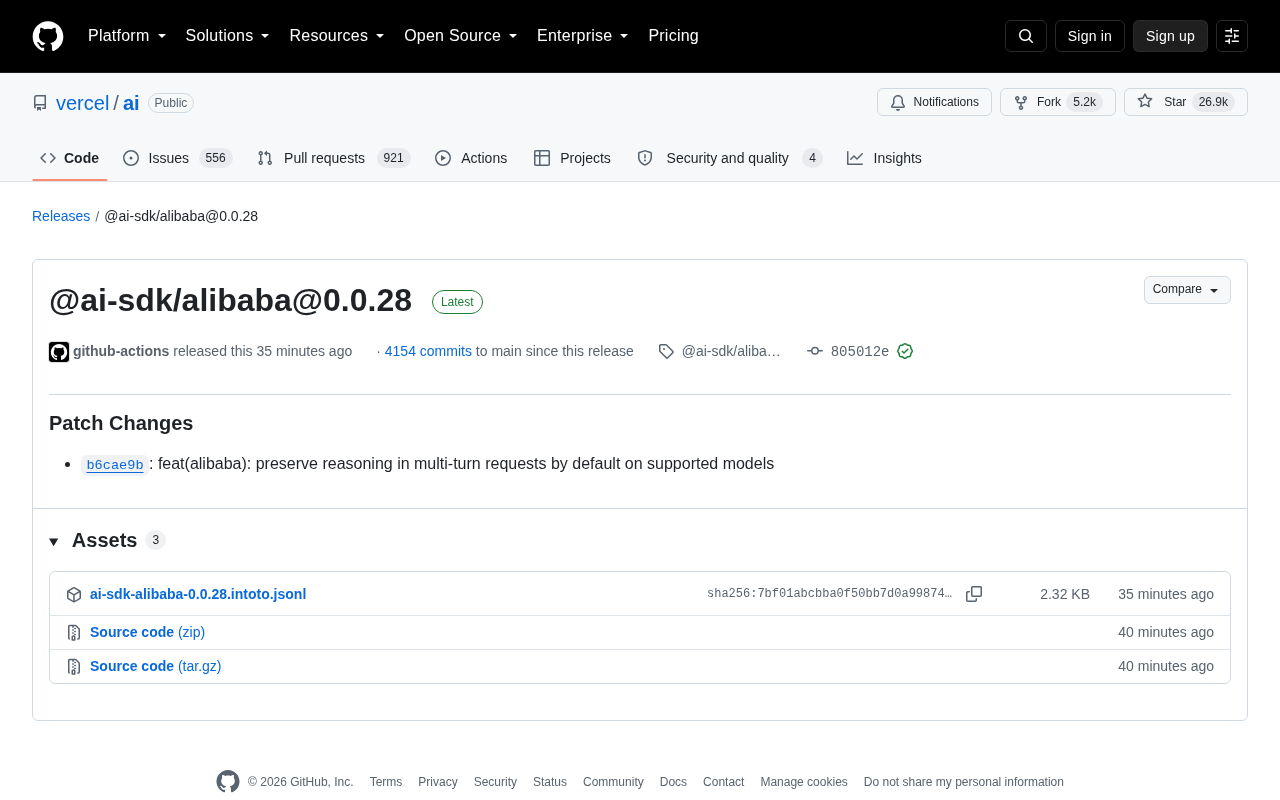
Vercel AI SDK Alibaba Adapter Update: Multi-Turn Conversations Now Preserve Reasoning Chain by Default
Vercel AI SDK's @ai-sdk/alibaba adapter v0.0.28 now preserves reasoning chain by default in multi-turn conversations on supported models, improving coherence.