Copyright Risks and Safe Creation Guide for Indie Developers Paying Homage to Classic IPs

A guide for indie developers navigating copyright risks when paying homage to classic game IPs.
This article explores the legal gray areas indie developers face when creating tributes to classic game IPs owned by companies like Bandai Namco. It examines the boundaries between homage, fan works, and infringement, discusses the chilling effect of aggressive enforcement by companies like Nintendo, and provides practical strategies for creators to minimize copyright risk while expressing their passion.
When Homage Meets Copyright: A Developer's Self-Deprecating Dilemma
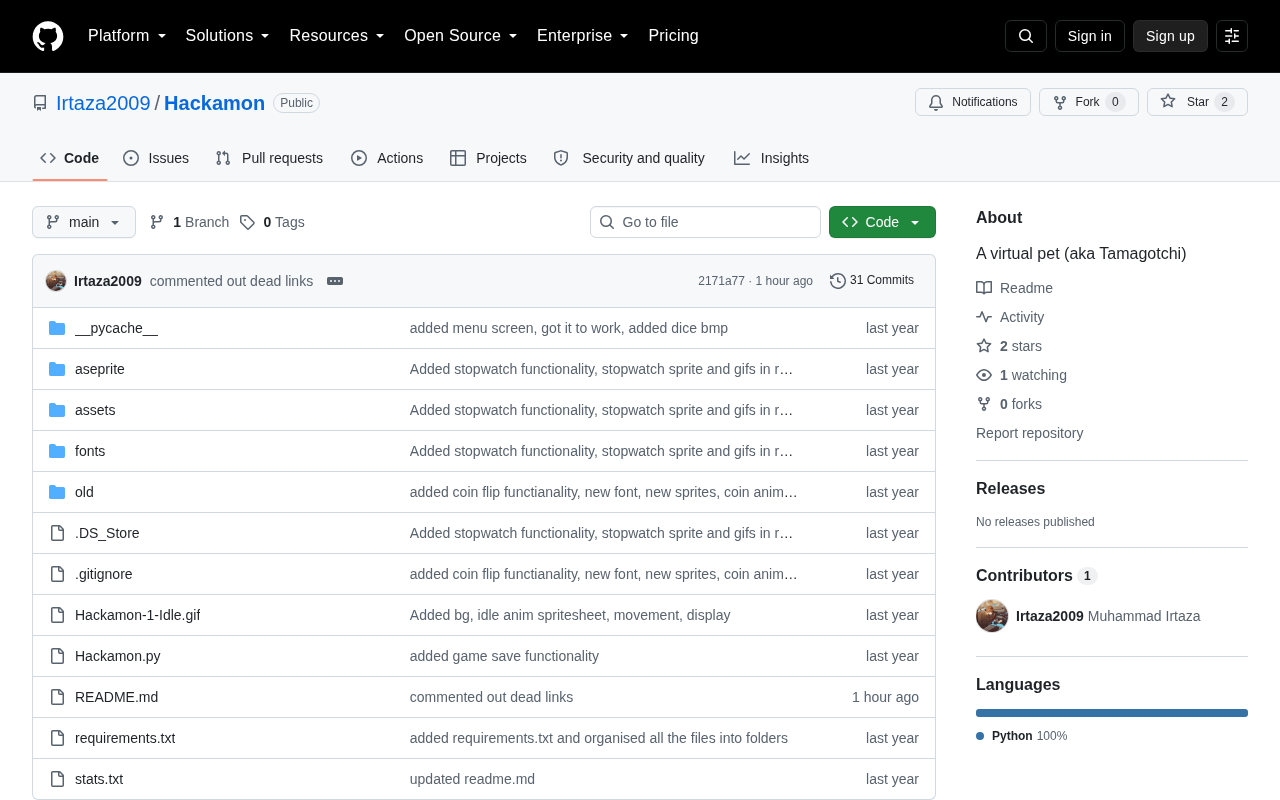
Recently, a thought-provoking post appeared on Hacker News with a rather dramatic title — "Bandai don't sue me please." While the brief post attracted few comments, it reflects a long-standing pain point in the developer and creator community: just how blurry is the line between paying homage to classic IPs and crossing copyright boundaries?
Behind this half-joking title lies the very real anxiety of countless indie developers, pixel artists, and fan creators. When you want to recreate or pay tribute to a beloved childhood game or an iconic character, the Sword of Damocles of intellectual property law is always hanging overhead.
Where Are the Copyright Red Lines in Gaming?
The Legal Boundaries Between Homage, Fan Works, and Infringement
For a Japanese entertainment giant like Bandai Namco, their portfolio includes well-known IPs such as Gundam, Digimon, Pac-Man, and Tekken. These characters and works are protected under strict copyright and trademark laws.
Bandai Namco Holdings is a Japanese multinational entertainment conglomerate formed through the 2005 merger of Bandai and Namco, with a market capitalization that consistently ranks among the world's top gaming companies. Its IP portfolio spans anime, games, toys, and merchandise — the Gundam franchise alone generates over ¥80 billion in annual merchandise sales. Japan's Copyright Act (著作権法) provides exceptionally detailed protection for character designs (キャラクター), covering not only specific visual representations but potentially extending to a character's overall "concept." Bandai Namco maintains a dedicated intellectual property management division responsible for worldwide copyright monitoring and enforcement, meaning even small fan projects in overseas communities may come under their radar.
Common homage practices in the developer community include:
- Pixel-art remakes: Reimagining classic characters in pixel art style
- Gameplay mechanic tributes: Borrowing core mechanics from classic games while using original art assets
- Fan works: Non-commercial fan creations based on the original work
The problem is that even non-commercial "tributes" can still constitute copyright infringement from a legal standpoint. Japanese companies are particularly known for their aggressive enforcement — Nintendo's ongoing crackdowns on fan games and ROM-sharing websites are well-documented cases in the industry.
Nintendo is arguably one of the most aggressive companies in the industry when it comes to copyright enforcement. In 2018, Nintendo filed suit against ROM-sharing websites LoveROMs and LoveRETRO, ultimately securing a judgment of over $12 million in damages. In 2021, a fan-made PC port of Super Mario 64 was hit with mass DMCA takedowns on GitHub. Even more controversially, Nintendo has taken action against non-commercial fan projects — AM2R (Another Metroid 2 Remake), a fan game that had been in development for years, received a takedown notice on the day of its release. These cases have created a profound chilling effect in the developer community, causing many creators to abandon projects before completion or to publish anonymously and quickly "disappear."
Why Do Developers Still Risk Copyright Issues?
Despite the clear risks, why do so many creators knowingly walk into the lion's den? The answer lies in emotional drive and the desire for technical expression. For many programmers and artists, recreating classics is not just a technical exercise — it's an affectionate look back at the works that shaped their growth. This kind of creation is rarely motivated by profit; it stems from pure passion.
Interestingly, a unique copyright "tacit understanding" exists within Japan itself. In the doujin (fan creation) culture represented by Comiket (Comic Market, Japan's largest doujin convention with over 30,000 participating circles per event), a massive volume of derivative works based on commercial IPs have long existed in a "gray zone." Most Japanese copyright holders adopt a "tacit tolerance" policy toward domestic fan works, because doujin culture is seen as a vital part of the IP ecosystem — it helps maintain fan enthusiasm and nurtures the next generation of creators (many famous manga artists and game designers got their start in doujin). However, this tolerance comes with unwritten red lines: no large-scale commercialization, no damage to the original brand image, and no releasing competing products during the original work's launch window. Once these lines are crossed, rights holders quickly shift to aggressive enforcement. This "Eastern tacit understanding" stands in stark contrast to the "zero tolerance" enforcement strategies commonly adopted by Western companies, creating even greater uncertainty for overseas developers paying homage to Japanese IPs.
The Self-Deprecating Disclaimer Culture in Developer Communities
A title like "Bandai don't sue me please" is essentially a self-deprecating disclaimer unique to developer communities. It humorously acknowledges the potential copyright issues with the work while sending a signal to the community: this is just a personal exercise or fan tribute project — please go easy on me.
This kind of expression is not uncommon on Hacker News, GitHub, Reddit, and other tech communities. It reflects creators' delicate psychological state — they want to share their work but are well aware that its legal standing is precarious.
However, it's worth noting that such "disclaimers" carry absolutely no legal protection. Copyright infringement is determined regardless of the creator's subjective intent.
The Reality Facing Indie Creators
The Dilemma Between Copyright Protection and Innovation Incentives
From a corporate perspective, copyright protection is entirely justified — it safeguards the investment and returns of original creators. But from the perspective of the broader creative ecosystem, overly strict copyright enforcement can also stifle grassroots innovation. Many commercially successful works originally grew out of imitation and improvement upon their predecessors.
Safe Creation Paths to Avoid Copyright Risk
For indie developers looking to minimize legal risk, the industry has accumulated some relatively safe practices:
- Keep it for personal learning purposes only — don't publicly distribute executable files
- Use original assets and only borrow gameplay mechanics (game mechanics themselves are generally not protected by copyright)
On this point, under U.S. copyright law, game mechanics fall under the category of "ideas" rather than "expression" — a distinction rooted in the "idea-expression dichotomy" in copyright law. The 1994 case Tetris Holding v. Xio Interactive further clarified this boundary: the court ruled that Tetris's specific visual presentation (such as block shapes, falling animations, and locking effects) is protected by copyright, but the core gameplay concept of blocks falling and being cleared is not. This means developers can legally create a game with similar elimination mechanics, provided they use entirely original visual and audio assets. This principle also explains why the market is filled with game genres labeled by their gameplay mechanics, such as "Souls-like" and "Metroidvania."
- Clearly label it as an unofficial fan work and declare its non-commercial nature
- Promptly respond to takedown requests from rights holders (comply with the DMCA takedown process)
The DMCA (Digital Millennium Copyright Act) is a U.S. federal law passed in 1998. Section 512 establishes a "notice-and-takedown" mechanism. Copyright holders need only send a properly formatted infringement notice to a platform (such as GitHub, YouTube, or itch.io), and the platform is obligated to promptly remove the allegedly infringing content — otherwise the platform itself loses its "safe harbor" protection and faces secondary liability. The notified party can file a "counter-notification" to appeal, but in practice, when facing a company like Bandai Namco with a massive legal team, indie developers rarely choose to fight back. It's worth noting that while the DMCA is U.S. law, since major code hosting platforms like GitHub are registered in the United States, developers worldwide are effectively subject to its jurisdiction.
- Avoid using protected trademark names, including character names, game titles, etc.
Finding Balance Between Passion and the Law
"Bandai don't sue me please" may be just a brief post, but it voices the shared sentiment of an entire generation of digital creators. In the tension between copyright systems and creative freedom, indie developers are always carefully searching for a foothold.
Perhaps a truly healthy creative ecosystem requires rights holders to adopt a more tolerant attitude toward non-commercial tributes, while also requiring creators to more clearly understand legal boundaries. After all, it's these passion-filled "grassroots tributes" that keep classic IPs alive in the hearts of new generations.
Key Takeaways
Related articles

Free Unlimited Claude Code Solution: Agnes AI + CC Switch Setup Guide
No paid subscription needed — pair the free AI platform Agnes AI with the open-source tool CC Switch to provide a backend for Claude Code, enabling unlimited free calls to text, image, and video models. This guide covers the full setup, test results, and usage boundaries.

A Complete Zero-Cost Guide to Getting Started with Claude Code for Beginners in China
A beginner's guide to Claude Code for users in China: two installation methods (command line and IDE plugin), full configuration steps for replacing the official API with the free domestic LongCat model, and a hands-on demo of building a small tool with natural language, plus tips.

When the NSA Gets Involved: The AI Supply Chain Crisis Behind Open-Source CVEs and API Key Hijacking
Multiple open-source projects disclosed severe CVEs in one day, PHP flaws alarmed the FBI, and Railway and OpenCode were breached with API keys stolen. This article breaks down the vulnerability window, AI-accelerated exploitation, and the AI supply chain crisis behind the API key black market, with a developer defense checklist.