Ctrl+Shift+3: A Deep Dive into the Anti-Algorithm, Plain-Text Minimalist Social Platform

A deep dive into Ctrl+Shift+3, an anti-algorithm, text-first minimalist social platform challenging the attention economy.
Ctrl+Shift+3 is a new social platform that rejects algorithmic feeds, addictive design, and visual noise in favor of calm, chronological, text-first community interaction. This analysis explores its three core philosophies, the historical context of anti-algorithm social products, and the opportunities and challenges facing digital minimalist social platforms in an era of information overload.
When a Social Platform Starts Subtracting
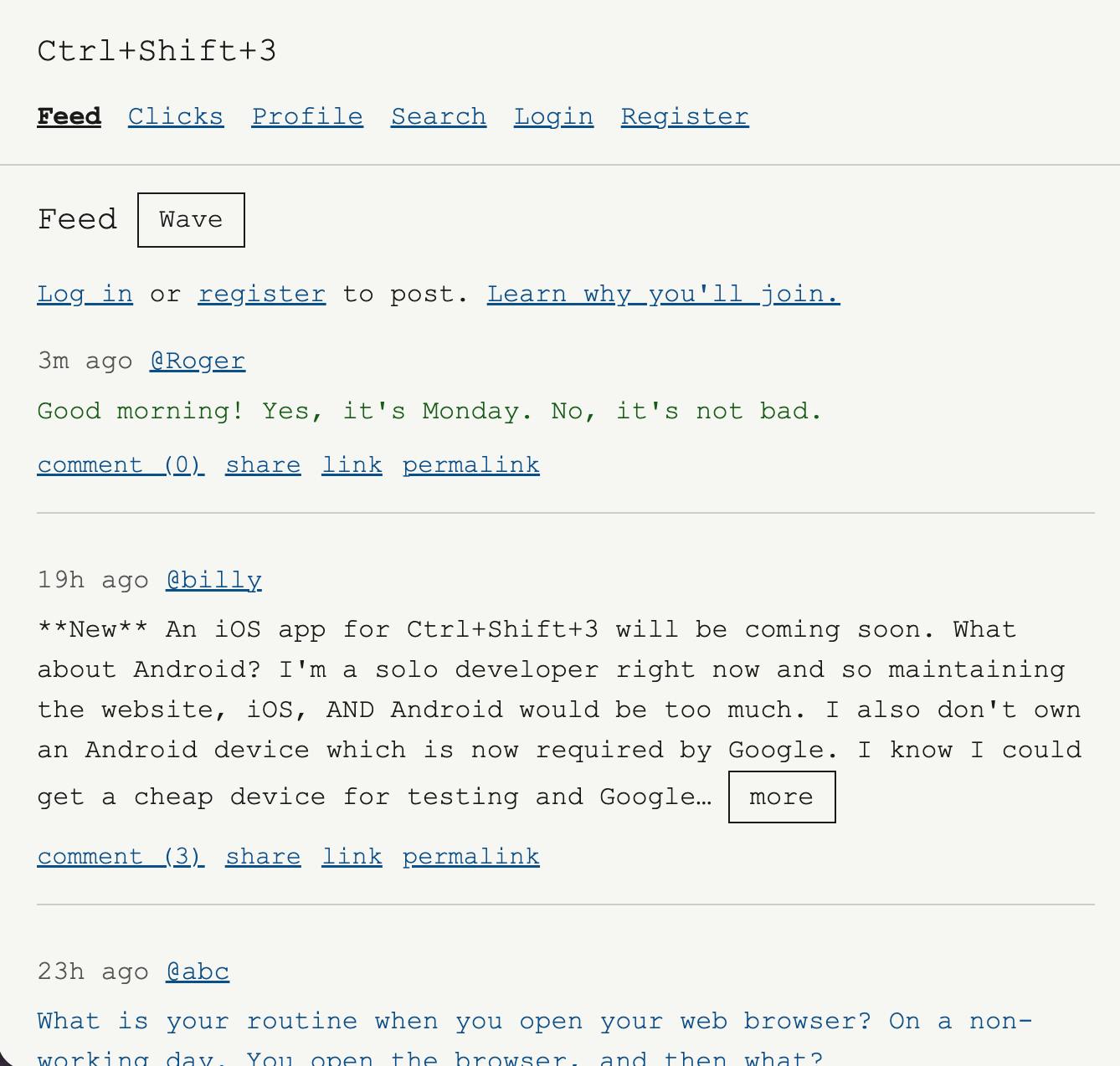
In an era dominated by algorithmic recommendations, infinite scrolling, and information stream bombardment, a social product called Ctrl+Shift+3 quietly launched on Product Hunt. Its tagline is just one sentence: "A calm, chronological, text-first community platform."
Built by Billy Wilcosky, the product currently ranks 18th, with 10 upvotes and 3 comments. The numbers aren't exactly eye-popping, but the product philosophy it represents strikes at a universal pain point among today's social media users: Have we been held hostage by algorithms and visual stimulation for too long?
The Three Product Philosophies of Ctrl+Shift+3
Ctrl+Shift+3's self-description is remarkably restrained, yet every word points to a deliberate design direction.
Calm: Building an Anxiety-Free Social Experience
The notion of "calm" is fundamentally a rebellion against the prevailing "attention economy" model of today's social platforms. The concept of the Attention Economy was first proposed by Nobel laureate Herbert Simon in 1971—he pointed out that in an information-rich world, attention itself becomes the scarcest resource. This theory was taken to its extreme in the mobile internet era: Facebook's former VP Chamath Palihapitiya publicly admitted that the platform intentionally exploited "short-term dopamine feedback loops" to drive user engagement. Under this model, the platform's core KPIs are DAU (Daily Active Users) and session duration, with every design decision serving the goal of keeping users on the platform longer.
The addictive design behind this has deep roots in behavioral psychology. The "Variable Ratio Reinforcement" mechanism widely adopted by modern social platforms draws directly from behavioral psychologist B.F. Skinner's operant conditioning experiments—just as slot machines hook gamblers through unpredictable reward timing, social platforms' pull-to-refresh design keeps users engaged in a state of uncertainty about when they'll see new content or receive likes. Former Google product manager Nir Eyal systematized this in his book Hooked as the "Trigger-Action-Variable Reward-Investment" addiction model (Hook Model), a framework followed by virtually all mainstream social products. Ctrl+Shift+3's choice to abandon these proven retention mechanisms is a massive commercial gamble, but ethically, it stands on the side of the "humane technology" movement championed by Tristan Harris.
Mainstream platforms constantly manufacture anxiety through like counters, notification badges, and infinite scrolling, making it hard for users to stop. Ctrl+Shift+3 attempts to strip away these addictive design elements, creating an environment that doesn't rush or disturb users. This aligns with the rising tide of "digital minimalism." Digital Minimalism was systematically articulated by Georgetown University computer science professor Cal Newport in his 2019 book of the same name. Its core argument is that technology should serve values we've deliberately chosen, rather than indiscriminately consuming our attention. This movement has spawned the "Time Well Spent" campaign (later renamed the Center for Humane Technology, founded by former Google design ethicist Tristan Harris), Apple's Screen Time feature, and a wave of anti-distraction productivity tools.
Chronological: Returning to the Certainty of the Timeline
"Chronological" is perhaps the most intriguing aspect of this product. In an age where algorithmic recommendations rule everything, voluntarily abandoning personalized sorting to return to a pure timeline is almost a "counter-current" choice.
The transition from timelines to algorithmic sorting on social platforms began around 2009. Facebook introduced the EdgeRank algorithm in 2009, deciding what content users saw based on affinity, content weight, and time decay. This algorithm later evolved into a far more complex machine learning system—according to documents leaked by Frances Haugen in 2021, Facebook's content ranking model incorporates over 10,000 signal dimensions, far beyond what the early three-factor model could capture. When Twitter introduced its algorithmic timeline in 2016, it triggered massive user protests, with #RIPTwitter trending globally. Instagram also switched from chronological to algorithmic sorting that same year. TikTok's recommendation algorithm builds granular user profiles based on watch time, completion rates, and interaction behavior, with its recommendation system's precision dubbed "the pinnacle of the algorithmic black box" by the industry. The business logic behind these changes is clear: algorithmic sorting improves ad targeting efficiency, allowing platforms to control content distribution for greater commercial value.
Notably, regulators have also begun demanding changes to algorithmic sorting. The EU's Digital Services Act (DSA), which took effect in 2023, already requires large platforms to offer users non-personalized sorting options—an echo of Ctrl+Shift+3's timeline philosophy at the regulatory level. In the US, the Kids Online Safety Act (KOSA) passed in 2024 also placed restrictions on algorithmic recommendations targeting minors. These legislative actions show that the negative impacts of algorithmic sorting have escalated from a niche concern to a public policy issue.
Returning to a timeline means the content you see is no longer determined by a black-box algorithm, but reflects the community's most authentic, most recent voices in order. For users weary of being "fed" by algorithms, this certainty is actually a form of liberation. It's worth noting that the AT Protocol adopted by Bluesky explores a similar philosophy—returning algorithmic choice to users, letting them decide how content is sorted rather than having the platform dictate it unilaterally. AT Protocol's core innovation lies in decoupling identity, data storage, and algorithms: users own portable decentralized identities (DIDs), data is stored on Personal Data Servers (PDS), and algorithms exist as independent "Custom Feeds" that users can choose like podcasts—including, of course, the most basic chronological timeline.
Text-First: Returning to the Deep Value of Written Expression
In a world where short videos and images dominate social content, emphasizing "text-first" feels particularly distinctive. This orientation evokes the early blog and forum culture—valuing written expression and encouraging deep thinking. Text content has a higher barrier to entry, but it's also better at accumulating valuable discussions and filtering out the noise of superficial visual content.
From a cognitive science perspective, reading text and consuming video activate different brain regions. Cognitive psychologist Maryanne Wolf's in-depth research on the neuroscience of reading in Proust and the Squid shows that deep reading activates Broca's area (language production) and Wernicke's area (language comprehension), while engaging the prefrontal cortex for analytical thinking and critical reasoning. Text requires readers to actively decode semantics and construct mental models—a process that inherently demands deeper cognitive engagement. By contrast, the audiovisual stimulation of short videos tends toward passive reception, primarily activating the visual cortex and the limbic system's pleasure circuits, easily fostering a shallow consumption pattern of "information snacking."
A 2019 study published in Nature Human Behaviour found that the "acceleration" of information on social media—the speed at which information goes from fresh to stale—has continuously increased over the past decade, leading to a significant shortening of collective attention spans. In a sense, text-first social platforms represent a structural resistance to this trend, requiring users to slow down and re-cultivate the capacity for deep attention. Choosing text-first is essentially choosing a form of interaction that demands greater cognitive investment and is more likely to produce deep dialogue.
A Niche Community Positioned for iOS
Based on its categorization, Ctrl+Shift+3 falls under iOS, Social Media, and Community. This means it's primarily a mobile app focused on building a small but beautiful community space, rather than pursuing massive user growth.
The product name itself is quite telling. On macOS, Cmd+Shift+3 is the keyboard shortcut for taking a full-screen screenshot, while on Windows, Ctrl+Shift+3 isn't a standard system shortcut but is assigned specific functions in many applications. The choice of this name may contain an implicit metaphor of "capturing the moment"—just as a screenshot freezes what's on the screen, this platform wants users to capture authentic, in-the-moment written expression rather than algorithmically filtered and polished information streams. This naming strategy itself serves as a user-filtering mechanism: only technically-minded users familiar with keyboard shortcuts would resonate with this name, suggesting the product targets a niche audience with a preference for technology and pure text-based communication rather than the mass market.
Opportunities and Challenges for Minimalist Social
The "anti-algorithm, plain-text" social philosophy isn't appearing for the first time. From the early App.net to the more recent Micro.blog, to the rise of decentralized social protocols like Mastodon and Bluesky, a segment of users has consistently expressed a desire for "slow social."
App.net was created by Dalton Caldwell in 2012 and was one of the earliest social platforms to explicitly reject the advertising model, adopting a paid subscription model ($50/year). At its peak it had around 30,000 paying users, but it ultimately shut down in 2017—its core failure was the inability to break through critical mass. Micro.blog was created by Manton Reece in 2017, built on IndieWeb principles emphasizing user ownership of content, with support for RSS and cross-platform publishing. It's still operating today on a $5/month subscription model. Mastodon is based on the W3C-standardized ActivityPub protocol with a federated architecture—anyone can set up their own instance server, and instances communicate with each other to form the "Fediverse," similar to how email works—you can send and receive emails across different email providers. After Elon Musk's acquisition of Twitter in 2022, Mastodon's user base surged to over 8 million. Another protocol worth watching is Nostr, which takes a more minimalist technical approach with a relay architecture and cryptographic signature-based identity verification, representing another possibility for decentralized social networking. The experience of these pioneers shows that a paid + niche positioning can sustain operations, but explosive growth remains elusive.
However, products like these face common challenges:
- The Network Effect Dilemma: Social products are heavily dependent on user scale, and a plain-text, anti-algorithm positioning may struggle to generate viral growth. The Network Effect means a platform's value is proportional to the square of its user count (Metcalfe's Law), and early users face the "chicken-and-egg" problem of insufficient people on the platform meaning insufficient content. Andrew Chen's 2021 book The Cold Start Problem systematically summarizes launch strategies for network-effect products, introducing the concept of the "Atomic Network"—the minimum viable user base at which a product can function independently. For Slack, the atomic network is a company team; for Tinder, a college campus; for text communities like Ctrl+Shift+3, it might be a group of around a hundred people sharing a common interest. Historically, social products that successfully overcame the cold start problem often employed "micro-network" strategies: Facebook started at Harvard, Clubhouse relied on celebrity-driven invite systems, Reddit's founders used large numbers of fake accounts to populate content until real users reached critical mass, and Hacker News secured high-quality seed users through Y Combinator's startup community. For a product like Ctrl+Shift+3, a viable path would be to first establish a sufficiently dense micro-network within a specific vertical community (such as indie developers or writing enthusiasts) before gradually expanding.
- The Monetization Dilemma: Rejecting the attention economy model essentially closes off advertising and recommendation-driven revenue paths. Based on the experiences of App.net and Micro.blog, subscription models are the most natural alternative, but this requires the product to offer sufficiently unique and irreplaceable value to justify ongoing payments. In recent years, some community products have explored hybrid monetization models—Discord generates revenue through Nitro subscriptions with premium features, and Substack profits through paid newsletter revenue sharing. For a text-first community platform, future possibilities might include knowledge-based paid content, high-quality content archiving, or community membership tiers.
- The User Habit Barrier: Most users have already adapted to the "convenience" of algorithmic recommendations, and those who actively choose a chronological timeline remain a relatively limited group. The "Default Effect" in behavioral economics shows that people tend to accept system defaults rather than actively make changes, meaning that even when users verbally complain about algorithms, their actual behavior may still favor the comfort of passive consumption. Nobel economics laureate Richard Thaler and Cass Sunstein call this the power of "choice architecture" in Nudge—the influence of default options on behavior far exceeds people's intuitive understanding. This means Ctrl+Shift+3 isn't just competing on features; it's challenging deeply entrenched digital consumption habits.
But from another angle, it's precisely these "limitations" that form the product's moat. When a platform explicitly declares "we don't aim to get you addicted," it can actually attract a loyal user base with higher standards for content quality and user experience. This Self-selection Mechanism is essentially a guarantee of community quality—users willing to give up algorithmic convenience and actively choose a timeline tend to be the same users willing to contribute high-quality content. In community management theory, this is known as the advantage of "high-barrier communities": Stack Overflow filters for professional developers through strict Q&A format requirements, Wikipedia filters for serious contributors through complex editing rules, and Ctrl+Shift+3 achieves a similar filtering through its product design philosophy itself.
Conclusion: An Experiment on the Essence of Social Interaction
The value of Ctrl+Shift+3 may not lie in whether it becomes the next big hit, but in the question it raises: Can social platforms only function through algorithms and addictive mechanisms?
In this age of information overload, more and more users are seeking "quiet corners." The emergence of products like Ctrl+Shift+3 is itself a signal of market demand. It may not disrupt the giants, but it proves that beyond the mainstream, there will always be people willing to pay for "calm" and "purity."
From a broader product evolution perspective, this phenomenon is far from unusual. Every time a technological paradigm reaches an extreme, it spawns a corrective movement in the opposite direction—just as industrialization gave rise to the artisan craft revival, and fast food culture birthed the slow food movement. Algorithm-driven information overload is similarly catalyzing a return to "slow social." The key question is whether these "counter-direction" products can find a sustainable business model and a user community of sufficient density.
For those who follow product design and social trends, this niche app is worth keeping an eye on—it represents yet another sincere attempt at digital minimalism in the social space.
Related articles
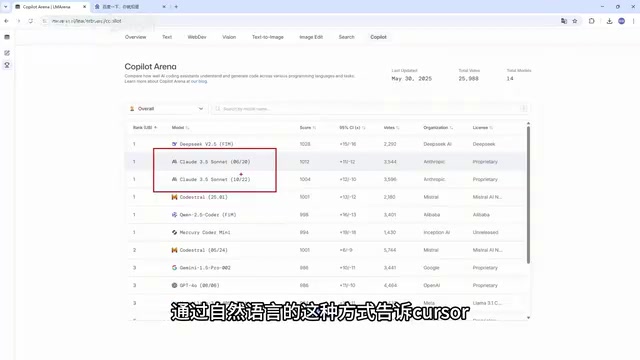
What Is Cursor? Core Differences Between This AI Coding Tool and Traditional IDEs
What is Cursor? This guide explains the AI-native code editor built on VS Code, how it compares to traditional IDEs, and its integration with Claude, DeepSeek, and Gemini.

Coze 3.0 Beginner's Guide: A Complete Overview of Agents and AI Applications
A beginner's guide to Coze 3.0: covering agents, AI applications, workflows, and plugins on ByteDance's AI platform, plus a comparison with Dify.
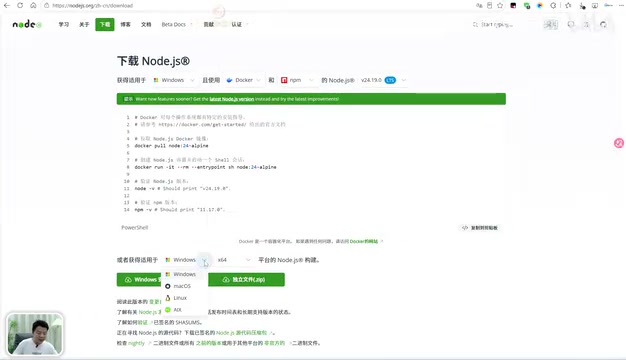
Setting Up the DeepSeek Harness Environment: A Complete Guide to Node.js Installation and Configuration
A beginner-friendly guide to setting up the DeepSeek Harness environment: Node.js installation, Add to PATH, redirecting npm global and cache directories, and configuring system environment variables.