cubicles.lol: A Browser-Based Multiplayer Metaverse Built for Developers
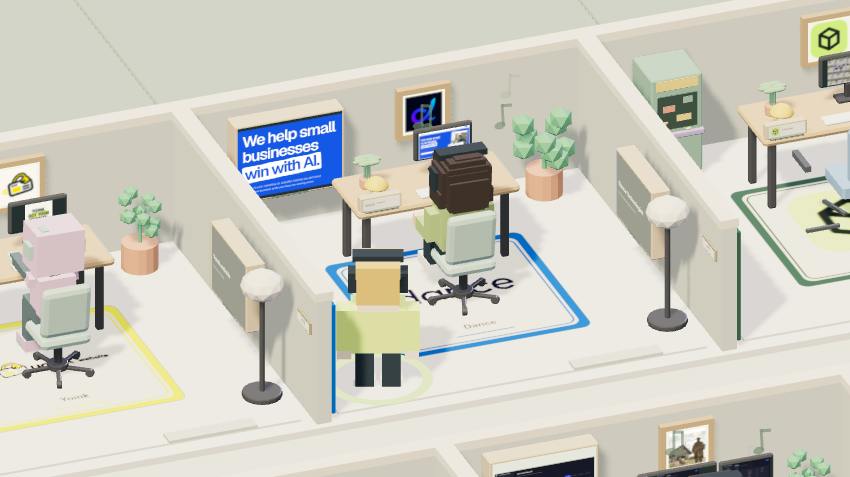
cubicles.lol turns virtual office cubicles into explorable social spaces for developers to showcase side projects.
cubicles.lol is a browser-based metaverse by Matthew Schapiro that lets indie developers claim virtual cubicles and turn their side projects into spaces others can actually walk into. Unlike a traditional landing page, it introduces serendipitous social encounters as visitors roam the space and stumble upon project neighbors, with built-in casual activities like racing, fishing, and skateboarding adding a lived-in feel. It runs entirely in the browser with no download or registration required, and is said to be built with GPT-6 Astra — a claim that remains unverified. Its core value is giving indie projects a genuine sense of place, though whether it can overcome the retention and network effect challenges common to all metaverse products remains the defining open question.
A Project Showcase You Can Actually "Walk Into"
Every indie developer faces the same problem: once you've built a side project, how do you get people to notice it, explore it, and remember it? The conventional approach is to post a tweet, throw up a landing page, and hope traffic finds its way to you. cubicles.lol offers a different answer — turn your project into a physical space that people can actually walk into.
This Product Hunt launch was built by Matthew Schapiro and bills itself as "a metaverse for builders, side projects, and bad driving." It appeared under the OpenAI Day category with 68 upvotes, ranking #19. The core concept is straightforward: claim a cubicle, deck it out as your project's showcase, and become neighbors with the developer next door.
Gameplay: Workstation + Social + Slacking Off
cubicles.lol takes the most mundane fixture of office culture — the cubicle — and transforms it into a medium for showcase and social discovery. You claim your own cubicle, customize it, and make it the entry point to your project. Visitors don't just click a link; they walk up to your workstation and see what you're building.
What makes it more interesting is the intentional "slacking off" layer baked into the experience. When you've had enough wandering, you can go racing (which is likely where the tagline's "bad driving" comes from), go fishing, or grab a skateboard and cruise around. This design softens the feel of a pure "product demo" environment, making the space feel more like a living, breathing community than a sterile trade show floor.
For indie developers, this "browse and chat" mechanic lowers the social barrier. Compared to dropping a comment in a thread, the serendipitous encounter of bumping into someone at their workstation is far more likely to spark genuine connection and collaboration.
Technical Highlights: GPT-6 Astra and Zero-Friction Access
The product description explicitly states this is "a multiplayer metaverse built with GPT-6 Astra." That claim alone is worth noting — it hints at how a next-generation large model might be applied to generative virtual worlds, scene construction, or interaction logic. However, official materials don't elaborate on what specific role GPT-6 Astra actually plays, so readers should exercise their own judgment here.
The more practically notable feature is how you access it: entirely in the browser, free to explore, no download required, no account needed. This stands in sharp contrast to many metaverse products that demand a client installation and identity creation just to get started. Zero friction means anyone can enter instantly by sharing a single link — a major advantage for project showcases designed to spread.
A note on "GPT-6 Astra": This is not a publicly released OpenAI product. As of this writing, the latest publicly available OpenAI models are the GPT-4o series and its variants. "GPT-6 Astra" likely refers to the developer's forward-looking naming convention, an internal testing build, or a mixed reference borrowing from Google DeepMind's "Project Astra" (a multimodal AI assistant research initiative). In any case, without official documentation, the technical substance of this claim cannot be independently verified. In metaverse-style products, large language models can typically serve roles such as scene description generation, NPC dialogue, content moderation, or personalized recommendations — but "built with" is a broad phrase that can easily overstate how central AI is to the underlying architecture. Healthy skepticism toward such technical claims in early-stage products is warranted.
What It Solves — and What It's Up Against
cubicles.lol addresses a genuine pain point: indie developer projects lack a sense of place. A URL alone can't carry community belonging, but a virtual workstation you can move into and drop by naturally generates gravitational pull. Upgrading the Product Hunt-style "launch and vote" experience into a persistent "move in and bump into people" model is a direction with real imaginative potential.
The challenges are equally apparent. The central difficulty for any metaverse product is retention and network effects — if not enough developers are online at the same time, "meeting your neighbor" is an empty promise. Casual mini-games can drive short-term novelty but struggle to sustain long-term return visits. Browser-based real-time multiplayer rendering also has inherent performance and experience ceilings.
With 68 votes and a single comment, the product is clearly in its earliest days. Its value lies more in the interesting paradigm it introduces: rather than letting your project gather dust in someone's bookmarks, give it a home that people can actually walk into.
On network effects: Network effects are the most critical — and hardest to overcome — threshold for platform products. Economically, a network effect means a product or service becomes more valuable as more people use it. For cubicles.lol, if few developers are online simultaneously, virtual cubicles are just isolated personal homepages, and the core value of serendipitous social encounters never materializes. Historically, metaverse products like Second Life and AltspaceVR all struggled with the classic "chicken and egg" cold-start problem: users don't show up because there's no activity, and there's no activity because users don't show up. cubicles.lol's current focus on developers and side project creators is a relatively vertical strategy that helps attract early seed users — but sustaining active engagement will require external triggers that bring people back regularly, such as new project launch cadences, community events, or leaderboard mechanics.
Takeaway
cubicles.lol is an experiment in reimagining the office cubicle as a social space — aimed at developers who want their side projects to be seen and explored, not just linked to. The browser-native, no-login experience lowers the barrier to participation, while the GPT-6 Astra technical claim and casual elements like racing and fishing give it memorable texture. Whether it can clear the retention hurdle that haunts virtually every metaverse product depends entirely on whether the community actually comes alive.
Related articles
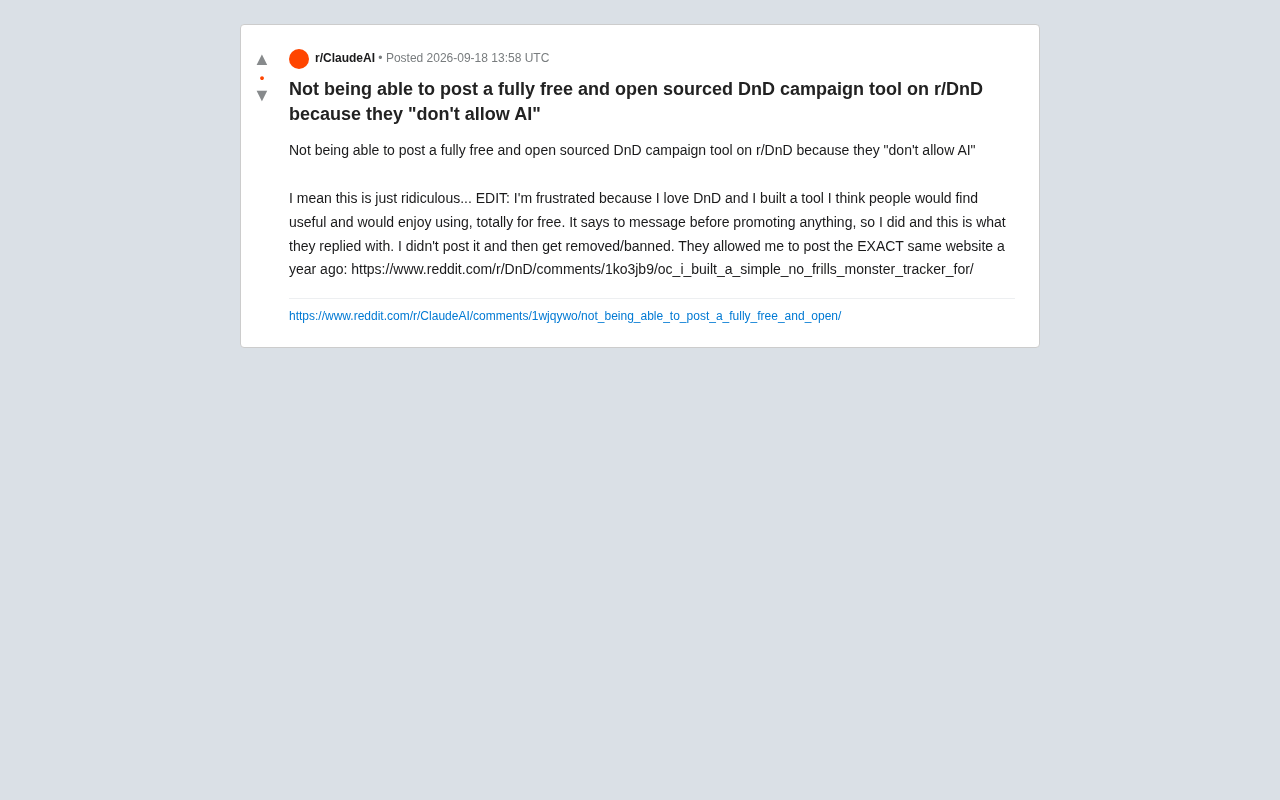
Free Open-Source Tool Rejected: The Community Controversy Sparked by r/DnD's AI Ban
A free open-source DnD campaign tool was rejected by r/DnD's AI ban — yet the same tool was approved a year ago. The case highlights the blurry line between AI tools and AI-generated content.
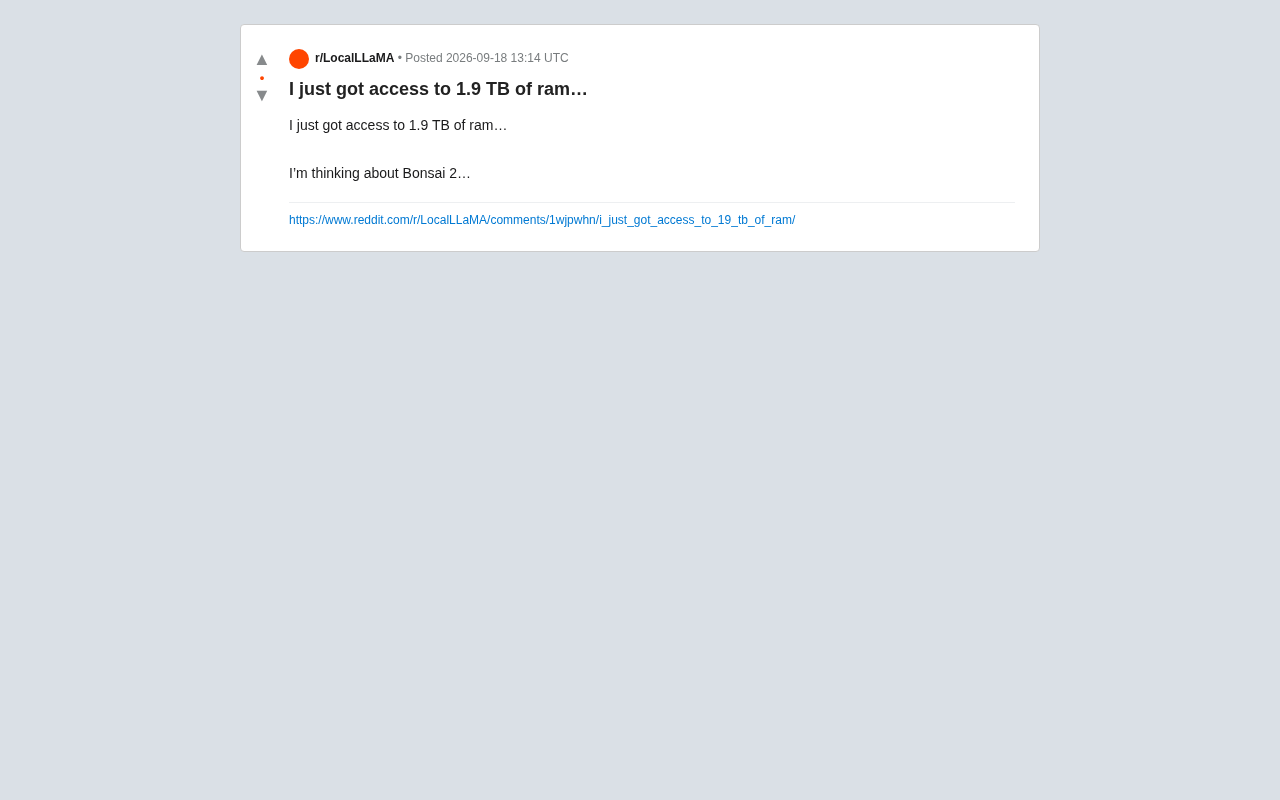
What LLMs Can You Run with 1.9TB of RAM? Exploring the Ceiling of Local AI Deployment
A Reddit user with 1.9TB of RAM sparked debate about local LLM deployment. We break down what massive RAM enables, where CPU inference falls short, and the real bottlenecks.
Researchers Use Claude to Hack OpenAI Systems: A New Wake-Up Call for AI Security
Security researchers used Anthropic's Claude to breach OpenAI systems, taking over employee accounts and accessing internal repos. What this means for AI security.