Cursor Pro Shared Accounts & Cheap Plugins: What You're Really Getting Into
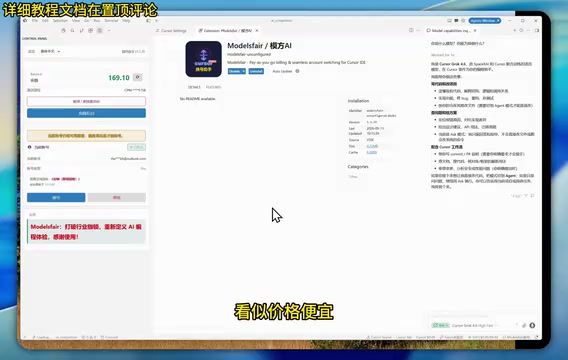
A clear-eyed breakdown of the model downgrading, ban, and credit-waste risks hiding in cheap Cursor Pro alternatives.
This article examines the pain point of Cursor's subscription cost and systematically maps the risks in cheap third-party alternatives: shared account instability and ban exposure, silent model quality degradation via API relays, and device lockouts or data leaks from cracked clients. It also introduces a pay-as-you-go, non-expiring credit model as an alternative billing approach, while flagging that the supporting figures come from a single promotional source and can't be independently verified. The conclusion stresses that third-party services operate in a regulatory gray area, may violate Cursor's terms of service, and require users to carefully weigh cost savings against account security, data risk, and compliance exposure.
Why Cursor Became Essential — And Why It's Frustrating
Cursor, the AI-powered code editor, has worked its way into developers' daily workflows for writing code, fixing bugs, and scaffolding projects. Professionals use it to draft content and run retrospectives; students use it to get homework done and clarify concepts. Its core value proposition — cutting repetitive work and boosting output — speaks for itself.
But after extended use, two practical problems emerge. First, the official Pro subscription isn't cheap, and the recurring cost adds up for individual users. Second, the internet is flooded with "cheap top-up" services, shared accounts, and cracked plugins that look like bargains but hide serious risks. This article draws on a promotional piece from Bilibili to break down the market chaos and technical details involved — though it's worth stating upfront that the source material carries a heavy commercial bias, and readers should apply their own judgment.
Three Fundamental Problems with Cheap Shared Accounts
The sub-¥100 top-up plugins, Xianyu shared accounts, and short-term Pro access floating around online all share a common set of problems. These are industry-wide issues every user should know about.
Poor stability. These accounts are typically bulk-registered burner accounts kept alive by an account-rotation scheme. Frequent disconnections and sudden permission failures are the norm. When your account dies mid-project or in the middle of critical code, the money you saved is nowhere near worth the lost time.
Serious credit waste. Traditional monthly, quarterly, or time-limited plans come with hard expiration dates — any unused credits evaporate when the plan ends. For users who don't code every day, the majority of their monthly credits go to waste. The per-unit price looks cheap, but the long-term value is poor.
Ban and risk-control exposure. Shared accounts have a high chance of triggering the platform's risk controls. Once a device gets flagged, the entire machine may be locked out of Cursor — a loss far exceeding the cost of the account itself.
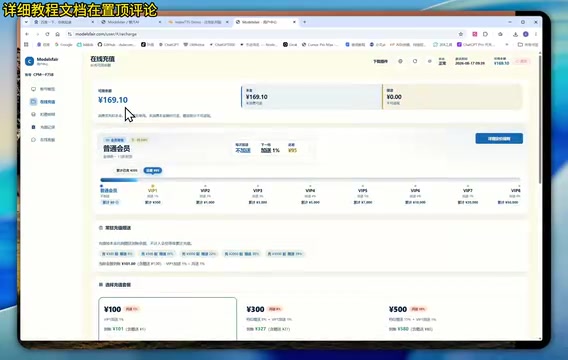
"Model Downgrading" Is the Most Invisible Trap
Among all the risks in low-cost alternatives, the hardest for ordinary users to detect is model quality degradation — commonly called "dumbing down" (降智).
Many cheap services operate through API relay proxies or client-side tampering. You may see a Pro model listed in the interface, but the backend quietly compresses parameters and degrades output quality. The result shows up directly in your work: generated code has more bugs and logical inconsistencies, and written content comes out thin and rough. Users often assume the AI is just not that capable, when in reality the intermediate layer has been quietly neutering the output.
A genuine native Pro service should provide full model access with no parameter restrictions and no content compression — output quality on par with an official top-tier subscription. To check whether a service is downgrading the model, verify the legitimate authorization credentials in the settings panel and confirm that the full model list is available and unrestricted. This is one of the key ways to distinguish a relay-based service from a native one.
An API relay works like this: a third-party provider doesn't give you a real Cursor account — instead, they set up a proxy server between you and model providers like OpenAI or Anthropic. Your requests go to the proxy first, which then forwards them to the actual model; responses travel back through the same layer. This architecture creates natural room for manipulation. The provider can silently swap out the model version during the relay (say, replacing Claude 3.5 Sonnet with a cheaper, older version), truncate context length, or compress the output. Because all of this happens at the network layer, the Cursor client still displays the "full" model name — you have no visibility into what's actually being called on the backend. That's why model downgrading is so insidious: it doesn't throw errors; it just makes the output quietly worse.
The Deeper Risks of Cracked Clients
Beyond shared accounts, there's another category of tools: "cracked versions" and "modified clients" that unlock permissions by tampering with Cursor's underlying application data. These carry even more serious risks — frequent crashes and freezes, plus potential account bans, device lockouts, and data leaks.
A more responsible approach is to leave the native application code entirely untouched, keeping any plugin functionality minimal — limited to things like account rotation and billing record logging — while fully preserving Cursor's official native interface and permissions. The practical benefit is significant: you can update to the latest version of Cursor at any time without waiting for plugin compatibility patches, making the setup more stable and safer overall.
Cursor's device lock mechanism is a core part of its official risk-control system. When the platform detects anomalous behavior on a device — such as frequent account switching, use of an unauthorized client, or triggering API abuse thresholds — it blacklists that device's hardware fingerprint. Switching accounts afterward doesn't help; the machine itself is blocked. This is similar to how mobile apps implement device bans: the restriction binds to the physical hardware, not a single account. For developers who rely on Cursor as their primary work tool, getting their main machine locked out is a serious operational problem with no quick official remedy. This is why cracked clients are rated as significantly more dangerous than ordinary shared accounts — the worst case with a shared account is losing that account; with a cracked client, the entire machine can be banned.
Pay-as-You-Go with Non-Expiring Credits: A More Sensible Billing Model
The main offering highlighted in the source material centers on usage-based billing with credits that never expire. Compared to time-limited plans, this model genuinely addresses the credit-waste problem: any remaining balance after a top-up doesn't reset, you can log in and use it whenever you need to, idle credits don't drain, and you only pay for what you actually consume.
Every model call, generated response, and code completion produces a detailed usage record. Users can check token consumption, the official list price, and the actual amount deducted at any time. This kind of transparent billing log should, in theory, prevent arbitrary or inflated charges.
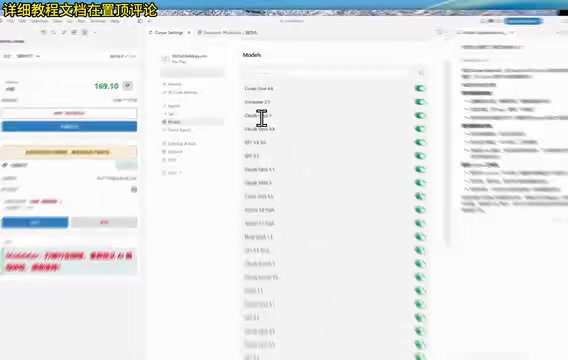
On price, the source material claims roughly 25% of the official rate (¥100 topping up to the equivalent of approximately ¥1,000 in official credits, corresponding to roughly $137 in consumption). It's worth noting that these figures come from a single promotional source and cannot be independently verified — treat them with appropriate skepticism when making any decision.
A token is the basic unit large language models use to measure text. As a rough guide, about 4 English characters equal 1 token, while each Chinese character corresponds to roughly 1–2 tokens. Both input (your prompts, code context) and output (the model's responses, generated code) consume tokens, and output tokens typically cost more per unit than input tokens. In a typical Cursor session, a single code completion or conversation exchange can consume anywhere from a few hundred to several thousand tokens; complex multi-turn refactoring tasks consume considerably more. Understanding token-based billing helps you evaluate claims like "¥100 equals roughly ¥1,000 of official credits" and use consumption records to verify whether overcharging is occurring.
Thinking Clearly About Third-Party Cursor Enhancement Services
Taken as a whole, this content surfaces a real market dynamic: Cursor's official subscription is expensive enough to fuel a large ecosystem of gray-market third-party services — and the quality across those services varies enormously, with model downgrading, disconnections, account bans, and expiring credits all being common complaints.
From a user perspective, a few points are worth keeping in mind:
- Be alert to the hidden quality degradation that API relays introduce — output getting worse is easy to miss;
- Cracked clients that tamper with underlying code carry extreme risk, particularly around account bans and data security;
- Any "steep discount" promise should be approached with skepticism — official channels are expensive, but they're the most reliable;
- Third-party services operate in a legal gray area and may violate Cursor's official terms of service, creating real compliance risk for your account.
The value of a productivity tool lies in its reliability. Accepting account security and data leakage risks to save money in the short term almost always ends up being a bad trade. Whether to use a third-party enhancement service ultimately depends on your own needs and risk tolerance — that's a call only you can make.
Related articles
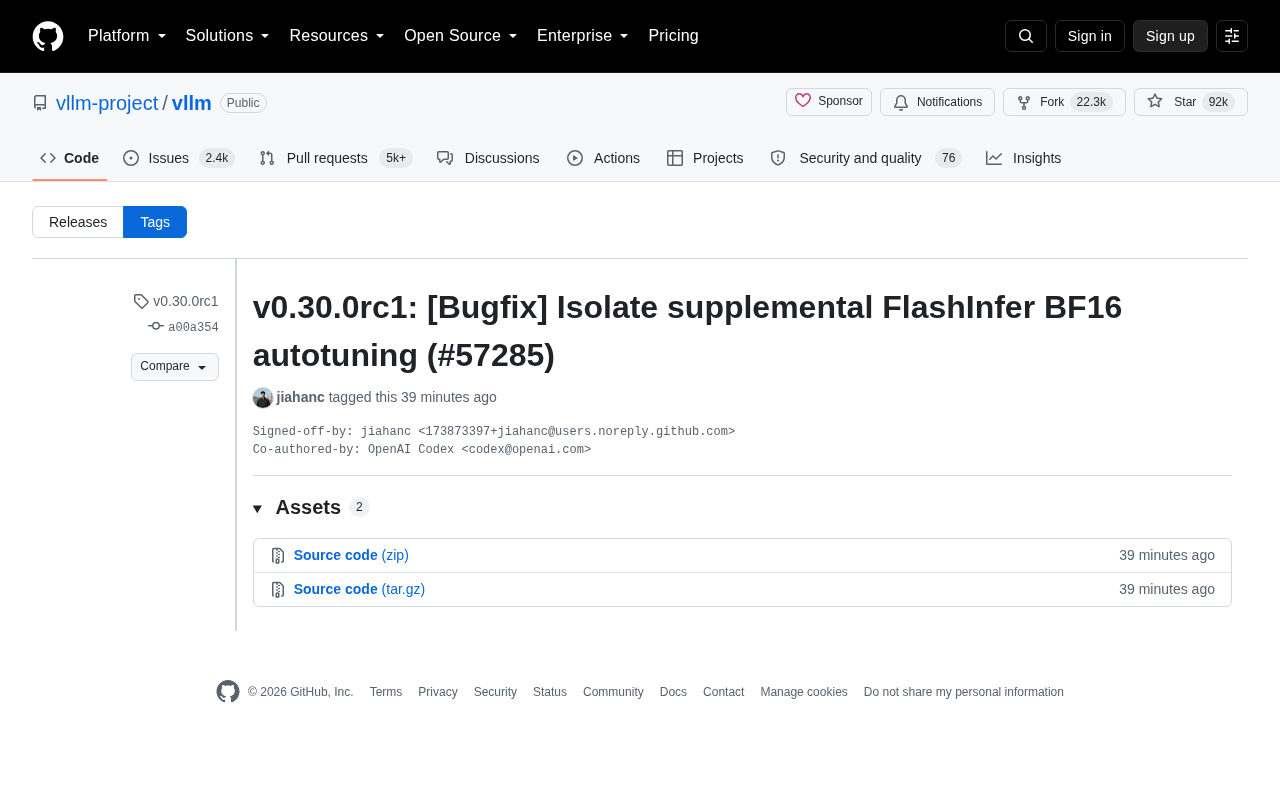
vLLM v0.30.0rc1 Released: Isolates FlashInfer BF16 Autotuning Logic
vLLM v0.30.0rc1 release candidate fixes FlashInfer BF16 autotuning isolation (PR #57285). Learn the technical background and its impact on inference deployment.
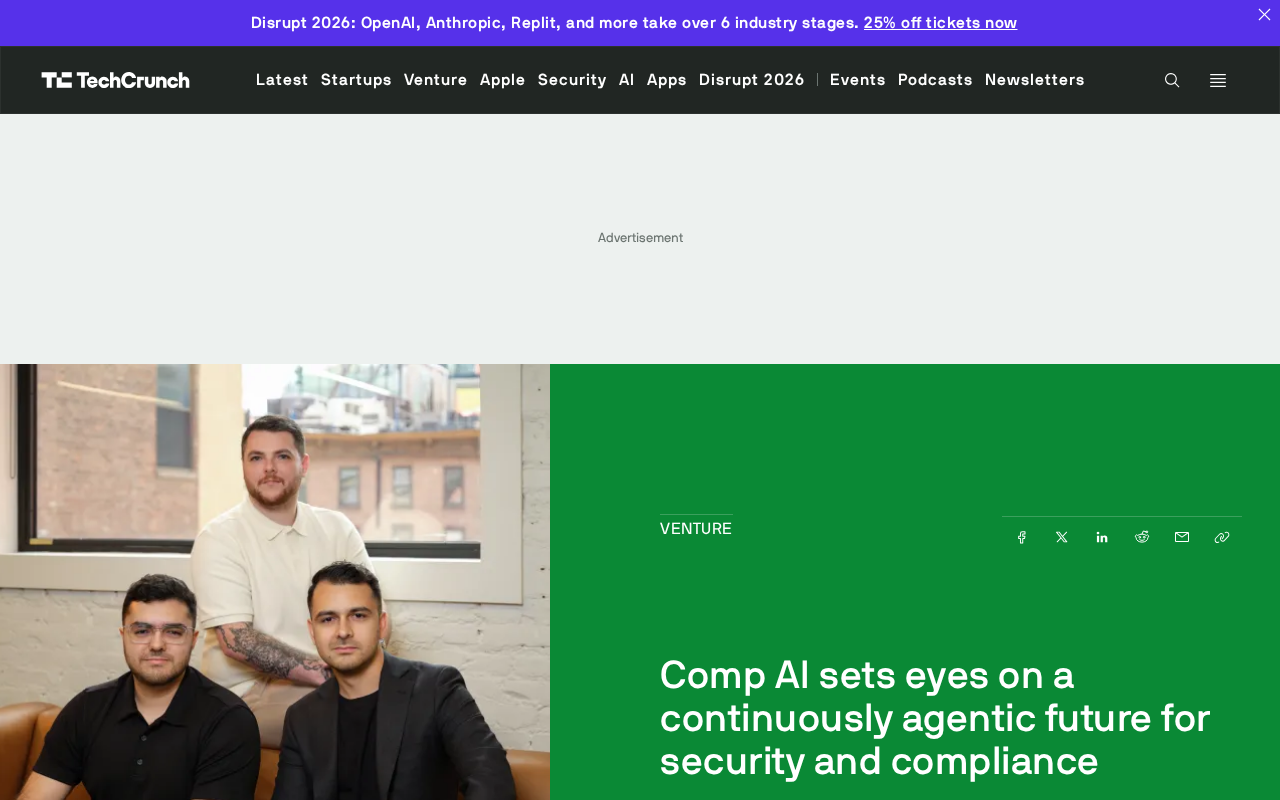
Comp AI Raises $34M Series A, Bets on Agentic Security Compliance
Comp AI raises $34M Series A led by Roo Capital and Grand Ventures, betting on "continuously agentic" AI to transform compliance from periodic audits into real-time monitoring.

MIT Technology Review's 35 Innovators Under 35: A Climate Tech Edition Explained
MIT Technology Review's latest 35 Innovators Under 35 list focuses on climate tech, spotlighting nine young global innovators. Here's what the list means and why it matters.