Cursor Selects Grok but Calls Opus: Subagent Model Substitution and Cost Control Issues Explained
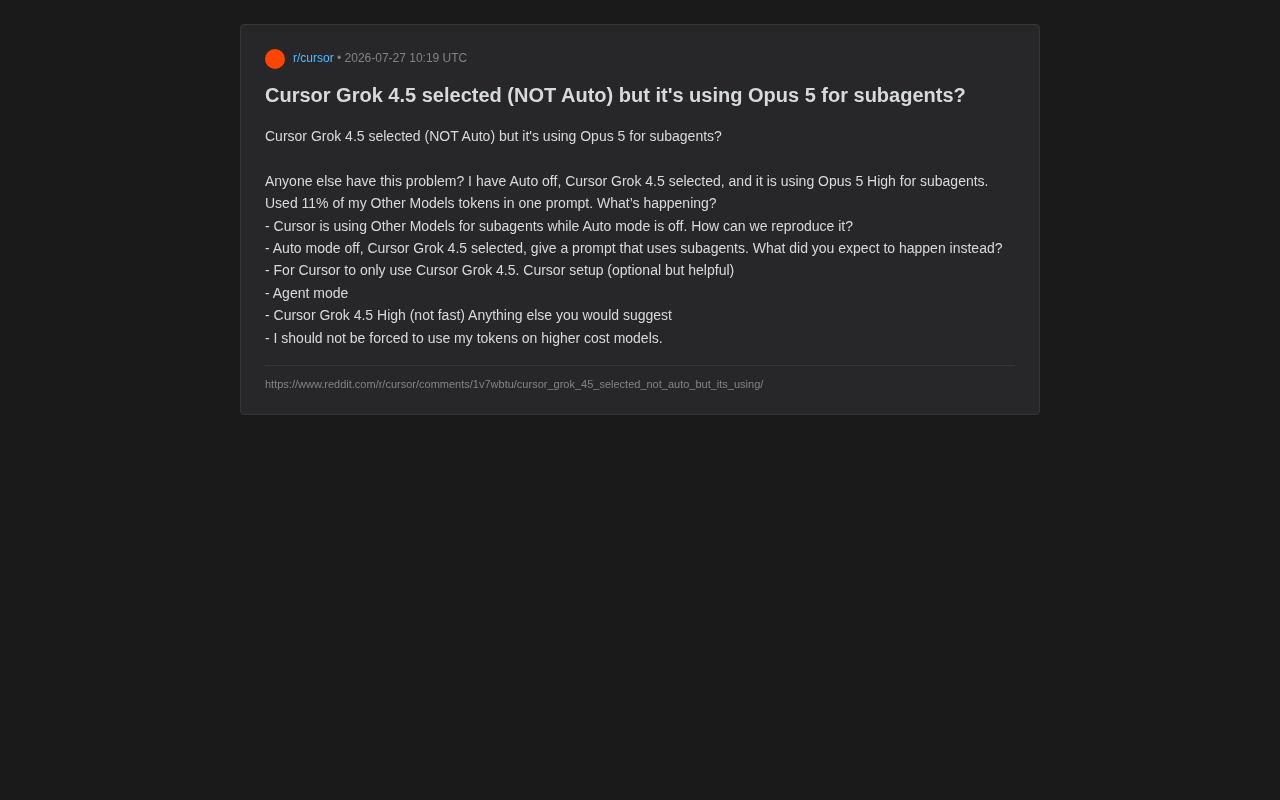
Cursor's subagents silently swap user-selected Grok for expensive Opus, raising cost transparency concerns.
A Cursor user discovered that despite manually selecting Grok 4.5 High and disabling Auto mode, the tool's subagents were secretly invoking the more expensive Opus 5 High model, consuming 11% of their quota in a single prompt. This article analyzes the technical root cause—decoupled model selection between main agents and subagents—and explores broader implications for cost transparency, user trust, and multi-model orchestration in AI coding tools.
A Controversial Bug Report
Recently, a Cursor user posted a highly representative issue on Reddit: after explicitly disabling Auto mode and manually selecting Cursor Grok 4.5 High, Cursor's subagents autonomously called the more expensive Opus 5 High model when handling subtasks. Even more concerning, a single prompt consumed 11% of the user's "Other Models" quota.
This might seem like a minor technical glitch, but it touches on an increasingly sensitive topic in AI coding tools: user control over model invocation and cost transparency. When users actively disable automatic mode and explicitly specify a model, their core intent is to control compute consumption and budget. When a tool silently substitutes a more expensive model "behind the scenes," it fundamentally breaks that trust.
The Technical Root Cause: Decoupling Between Main Agent and Subagent Models
To understand this issue, we first need to clarify the "Agent Architecture" of modern AI coding assistants.
Agent Architecture is one of the core paradigms in current AI application development, drawing design inspiration from Multi-Agent Systems in software engineering. In traditional AI conversation modes, a user inputs a prompt, the model returns a result, and the entire process is single-turn and linear. Agent Architecture, however, gives AI models the ability to "act autonomously": models can not only answer questions but also invoke tools (such as file systems, terminal commands, API endpoints), autonomously plan multi-step tasks, and dynamically adjust strategies based on intermediate results. Cursor's Agent mode is a textbook implementation of this architecture—when a user issues a complex instruction like "refactor this module and update the test cases," the main agent decomposes it into subtasks like code analysis, refactoring execution, and test generation, each potentially handled by an independent subagent. This architecture dramatically improves an AI coding assistant's ability to handle complex engineering tasks, but it also introduces new challenges around model scheduling transparency.
What Are Subagents?
In Cursor's Agent mode, when a user issues a complex task, the main model (Main Agent) doesn't complete all the work alone. It breaks down the task and spawns several subagents to handle specific subtasks, such as code search, file analysis, and context retrieval.
The critical issue is: the model used by the main agent and the models used by subagents are decoupled in Cursor's internal logic. In other words, the "Grok 4.5" selected by the user in the interface only constrains the main agent, while subagent model selection is determined by Cursor's backend scheduling strategy—in this case, it chose Opus 5 High.
Why This Causes Cost Overruns
Cursor applies different billing metrics to different models. Models like Grok 4.5 may be included in a subscription plan's standard quota, while high-performance models like Opus 5 High fall under the "Other Models" category, typically billed at higher rates or against a separate quota.
To understand the cost differential here, you need to know the positioning difference between these two model classes. Opus 5 High is the highest-tier model variant in Anthropic's Claude series, renowned for its powerful long-context reasoning capabilities and code generation quality, but its inference cost (priced per token) is typically several times—even ten times or more—that of mid-tier models. Grok 4.5 is a large language model from xAI that performs excellently in code generation and technical reasoning, but falls into a different quota category in Cursor's billing system. Notably, the "High" suffix in Cursor's context typically refers to a "high thinking" mode, where the model performs deeper Chain-of-Thought reasoning before generating an answer, significantly increasing token consumption. The cost difference between models manifests not only in the price per million tokens but also in the total tokens generated for the same task—more powerful models tend to produce more detailed reasoning processes, and when combined with higher unit prices, the cost gap can grow exponentially.
When subagents invoke high-cost models without the user's knowledge, you get the extreme scenario the poster described: "one prompt burned 11% of my quota." The user's core complaint is precisely: "I shouldn't be forced to spend my quota on high-cost models."
User Expectations: Predictable Cost Certainty
From this feedback, we can distill several reasonable expectations users have for AI coding tools:
1. Model Selection Should Be a Global Constraint
When a user manually disables Auto mode and specifies a model, that choice should be global and binding—constraining not only the main agent but all spawned subagents. The current behavior clearly violates the intuition of "what you see is what you get."
2. Cost Transparency and Prior Notification
If, for performance reasons, subagents genuinely need to call a more powerful model, the tool should at minimum clearly inform the user beforehand of this behavior and its cost implications, rather than letting users discover it after the fact through sudden quota drops.
Cursor's current billing model is fairly representative of the AI tools industry: users pay a monthly subscription (Pro plan approximately $20/month) and receive a certain number of "fast request" (premium requests) credits for calling mainstream models. But when exceeding the base quota or calling specific high-end models, a separately metered "Other Models" quota is consumed—essentially a pay-as-you-go mechanism. The advantage of this hybrid model is balancing predictable fixed costs with flexible access to high-performance models, but its complexity also creates barriers to understanding true consumption. Particularly when multiple quota pools (premium requests, Other Models quota, slow requests, etc.) coexist, it's difficult for users to intuitively determine the true cost attribution of each interaction. Competitors like GitHub Copilot and Windsurf face similar billing transparency challenges, and this is becoming a key differentiation dimension in AI coding tool competition.
3. Provide a Toggle to Disable High-Cost Model Invocations
Ideally, users should be able to force all agents (including subagents) to use only the specified model through settings, or set a "cost ceiling" that triggers termination or downgrading when exceeded—rather than silently upgrading to a more expensive model.
Reproduction Steps and Verification
Based on information provided by the poster, the reproduction path is quite clear:
- Environment setup: Agent mode, Auto mode disabled
- Selected model: Cursor Grok 4.5 High (not the fast version)
- Trigger condition: Issue a complex prompt that spawns subagents
- Expected result: Only Grok 4.5 used throughout
- Actual result: Subagents call Opus 5 High, consuming "Other Models" quota
This highly reproducible nature indicates that this is most likely not a random sporadic glitch, but rather a default design behavior in Cursor's subagent scheduling logic—one that simply fails to align with users' explicit selections.
Broader Industry Implications
Though small in scale, this incident reflects challenges commonly faced by AI coding tools during rapid iteration.
The Complexity of Multi-Model Orchestration
As Agent Architecture becomes mainstream, tools often orchestrate multiple models with different positioning and costs behind the scenes. Vendors, driven by performance optimization, tend to "assign models by task"—letting high-cost models handle critical reasoning while cheap models handle simple tasks. This is a reasonable engineering optimization in itself, but the optimization benefits accrue to the tool vendor while the costs are borne by the user—a fundamental commercial tension.
Multi-model orchestration is one of the most important trends in AI application architecture in 2024-2025. Its core philosophy is "use the right model for the right job": deploying expensive frontier models (like Claude Opus, GPT-4o) for critical nodes requiring deep reasoning, while using lightweight models (like Claude Haiku, GPT-4o-mini) for simple information retrieval, formatting, or classification tasks. Open-source projects like OpenAI's Swarm framework, LangChain's LangGraph, and Microsoft's AutoGen are all exploring best practices for multi-agent collaborative orchestration. From an engineering efficiency perspective, this hybrid scheduling strategy can reduce overall costs by 50%-80% while maintaining output quality close to top-tier models. However, this optimization strategy presumes that users have the right to know about and control the scheduling logic. The industry has yet to establish unified standards for model scheduling transparency, which is precisely the institutional gap exposed by this Cursor controversy.
Trust Is the Lifeline of Subscription Products
Cursor and similar tools use a subscription-plus-quota hybrid billing model, and users are extremely sensitive to their "quotas." Any opaque compute consumption will rapidly erode user trust. For vendors, rather than quietly optimizing in the background, it's better to return the power of choice and the right to know to users—letting users weigh "saving money" versus "performance" on their own terms is the only sustainable product strategy.
Conclusion
This Reddit feedback is just a single user's case, but it precisely hits a blind spot in AI coding tool design: in the pursuit of intelligent orchestration, you cannot sacrifice user control over costs and models. For users who rely on Cursor for daily development, it's advisable to closely monitor your "Other Models" quota consumption and report similar issues on official forums. For the Cursor team, this may be a timely opportunity to fix subagent model constraint logic and enhance transparency.
Note: This article is based on a single Reddit user's feedback. Model version names like Opus 5 and Grok 4.5 follow the original post's descriptions. For specific billing behavior, please refer to Cursor's official documentation.
Related articles
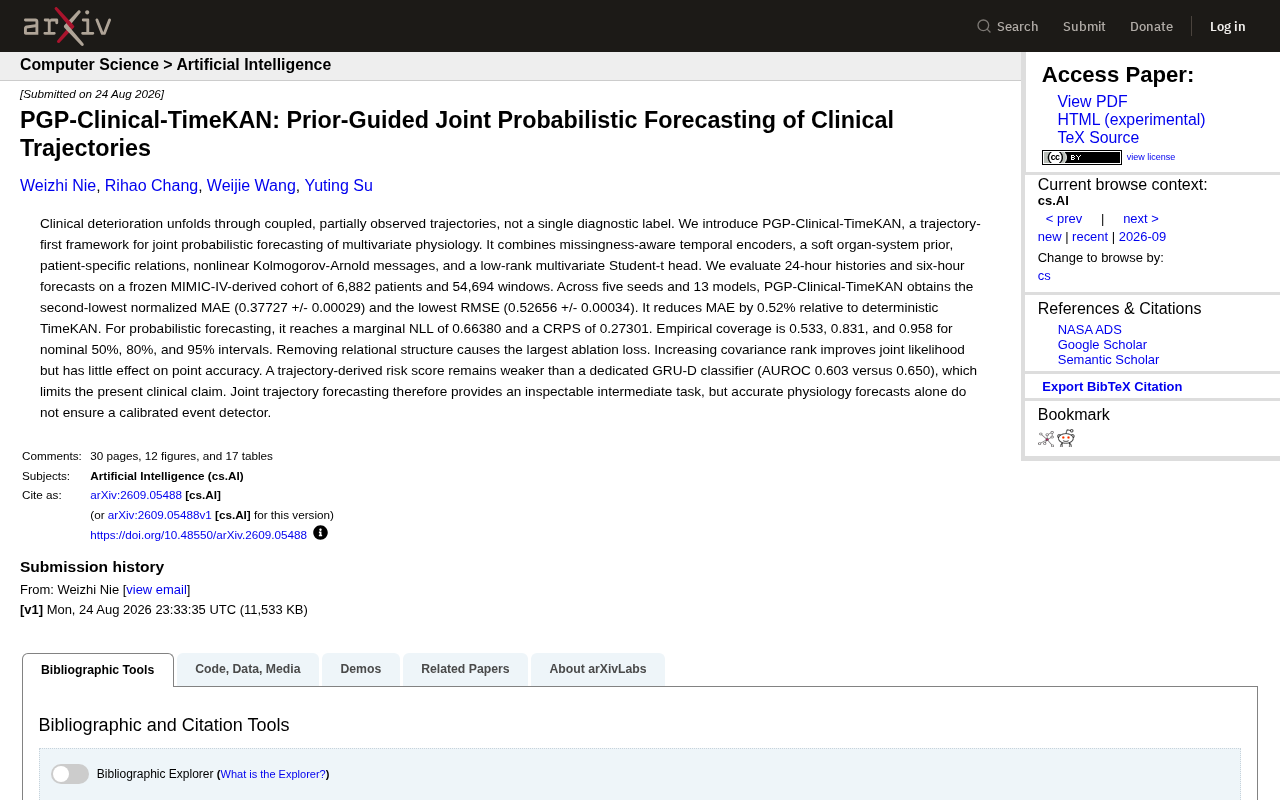
PGP-Clinical-TimeKAN: A Detailed Guide to the Multivariate Physiological Indicator Joint Prediction Framework
An in-depth analysis of the PGP-Clinical-TimeKAN framework for joint probabilistic prediction of multivariate physiological indicators, covering trajectory-first paradigm, KAN message passing, MIMIC-IV validation, and ablation studies.
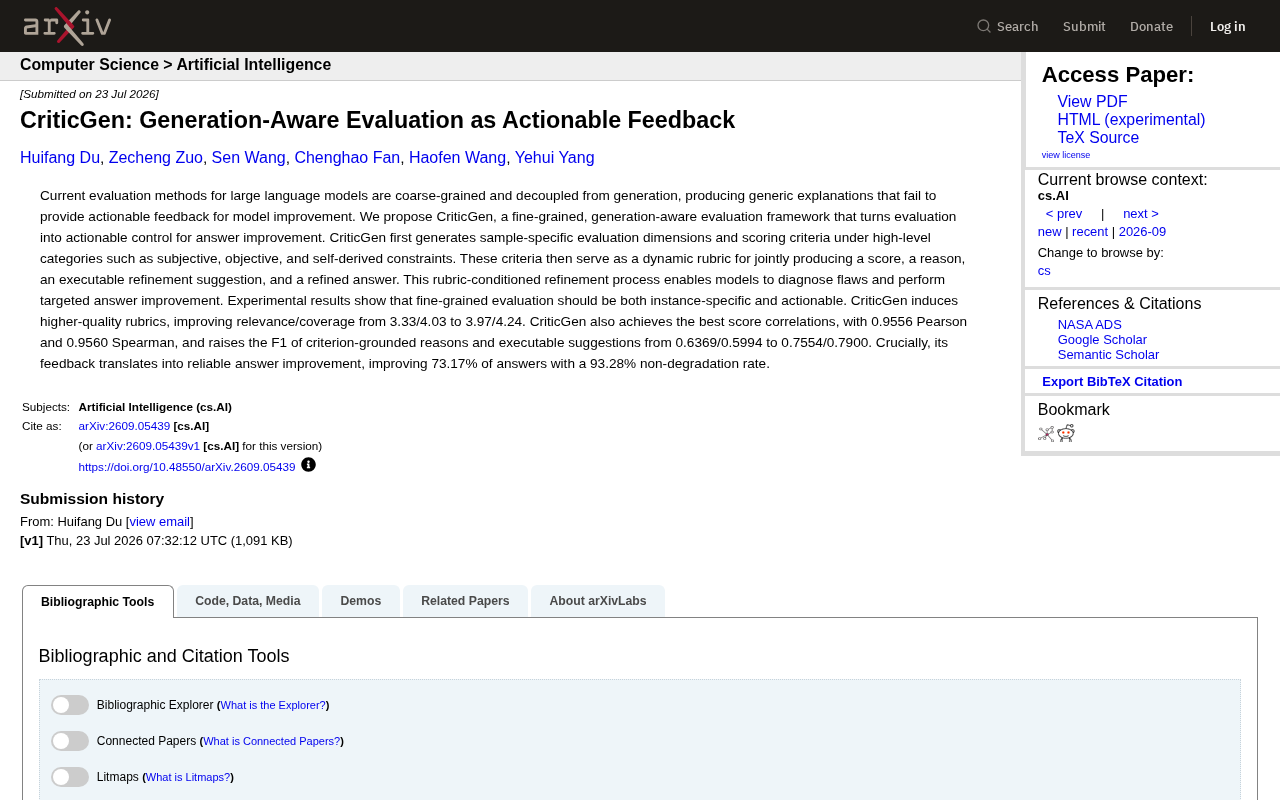
CriticGen: A New Framework That Transforms AI Evaluation into Actionable Improvement Feedback
CriticGen proposes a generation-aware evaluation framework that transforms AI assessment from passive scoring to an active optimization loop, achieving 73.17% answer improvement and 93.28% non-degradation rate.
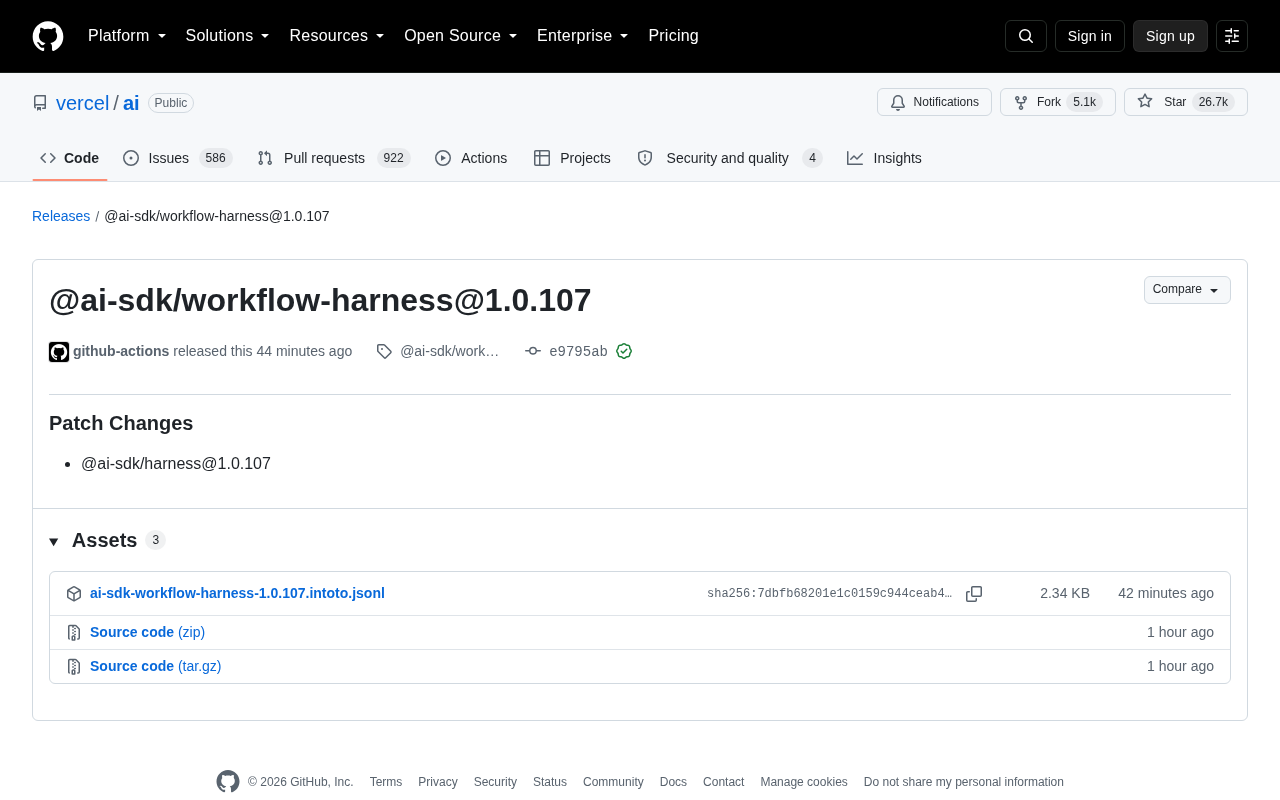
Vercel AI SDK workflow-harness Update Analysis
Deep analysis of Vercel AI SDK workflow-harness 1.0.107 update: architecture design, engineering practices, and developer value for building reliable AI apps.