Data Broker Radaris Loses Domain in Privacy Lawsuit: A New Signal in the Battle for Privacy
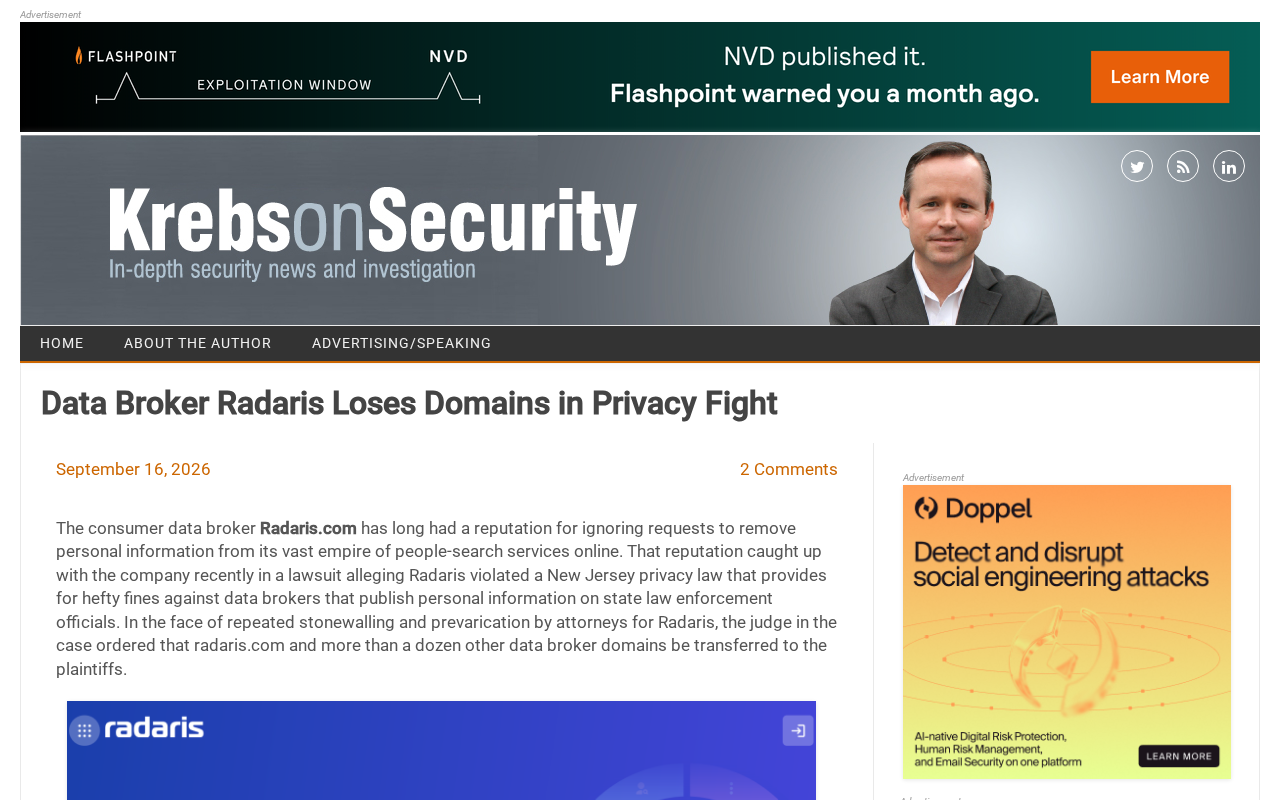
Radaris loses domains in a privacy lawsuit, signaling new possibilities for individuals fighting back against data brokers.
Data broker Radaris was forced to relinquish control of some of its domains in a privacy lawsuit — a rare outcome that has sparked broader discussion about the data broker industry. These "people search" sites build personal profiles by aggregating public records, and their harm lies in stitching together individually innocuous data points into a complete picture ripe for abuse. Losing domains hits harder than fines. The industry faces three chronic problems: the "legal but dangerous" nature of aggregated data, opt-out mechanisms that are practically useless, and a fragmented U.S. regulatory environment lacking federal-level oversight. While a partial win, this case signals a shift from passive endurance to active pursuit of privacy rights — and suggests the data opacity that brokers rely on is slowly being chipped away.
Background
Data broker Radaris lost control of some of its domains in a privacy lawsuit. The news sparked discussion on Hacker News — modest in scale (7 upvotes, 1 comment), but it touches on a long-standing and increasingly sensitive issue: how data brokers collect, aggregate, and sell personal information about ordinary people, and what recourse individuals actually have against these companies.
Radaris is a classic "people search" data broker. These sites typically aggregate public records, social media data, commercial databases, and other sources to compile searchable profiles on individuals — including names, addresses, phone numbers, family relationships, and historical addresses — and monetize this information. For privacy advocates, such services are breeding grounds for online harassment, identity theft, and doxxing.
Why Losing a Domain Matters
In the legal and regulatory battles surrounding data brokers, individuals are typically at a disadvantage. Data broker operations are highly decentralized, often using multiple domains, shell entities, and cross-border servers to evade accountability. So forcing a data broker to relinquish domain control through legal channels is a relatively rare outcome — and a symbolically significant one.
Domains are the lifeblood of these sites. Losing a core domain directly disrupts search engine rankings, user access, and established traffic. Unlike fines — which data brokers often treat as a cost of doing business — stripping away a domain delivers a more immediate and lasting blow to their operations.
The Deeper Problems with the Data Broker Industry
The data broker industry has long operated in a regulatory gray zone. The core controversies revolve around several issues:
"Legal but Dangerous" Data Sources
Most data brokers claim their information comes from public records, making the collection technically lawful. But the problem is that aggregating originally scattered, hard-to-connect public information into a comprehensive profile dramatically amplifies its potential for harm. A single address record may seem harmless, but combined with a name, family members, and phone number, it can become a tool for harassment or fraud.
This phenomenon is known in legal theory as the "Mosaic Effect": individual pieces of information may be innocuous, but assembled together they form a complete picture that causes real privacy harm. In the 2012 case United States v. Jones, several U.S. Supreme Court justices referenced this concept in concurring opinions, acknowledging that long-term, systematic aggregation of public information is fundamentally different in nature from a single instance of obtaining information. Data brokers' business models are built precisely on this "aggregation premium" — the value of their product lies not in any single record, but in the correlation, cross-referencing, and structured presentation of vast amounts of fragmented data. This is why the defense of "data comes from public sources" is increasingly difficult to sustain in privacy tort litigation.
Opt-Out Mechanisms That Are Practically Useless
Many data broker sites offer so-called "opt-out" processes, but these are typically cumbersome, require repeated action, and often see information reappear after deletion. This makes it nearly impossible for individuals to truly disappear from these databases.
This phenomenon stems from a clear misalignment of commercial incentives: a data broker's core asset is the breadth of its database, and every successful opt-out directly reduces the value of its product. So even when regulations require opt-out channels, companies are motivated to design those processes to be as friction-heavy as possible. Common tactics include requiring identity document uploads to "verify identity," limiting opt-out validity to only 180 days, resetting users' opt-out records after acquisitions or mergers on the grounds of being a "new entity," and re-listing deleted information through affiliated subdomains and sister sites. Research by the nonprofit Consumer Reports found that fully scrubbing a person's records from major data broker sites takes dozens of hours on average — and must be repeated continuously.
Fragmented and Lagging Regulation
In the United States, the absence of a unified federal privacy law means the data broker industry is primarily governed by a patchwork of state regulations (such as California's laws requiring data brokers to register). This fragmented regulatory environment gives companies ample opportunity for arbitrage.
California's 2018 California Consumer Privacy Act (CCPA) and its 2020 successor, the CPRA, represent the most significant state-level privacy legislation in the U.S., granting residents the right to access, delete, and restrict the sale of their personal data, with specific requirements for data brokers to register with the state attorney general's office. Vermont enacted even earlier legislation in 2018 mandating data broker registration. However, these laws all face practical challenges including insufficient enforcement resources and ambiguous cross-state jurisdiction. By contrast, the EU's General Data Protection Regulation (GDPR) provides a far more unified framework — its "right to be forgotten" provisions directly grant individuals a statutory right to demand data deletion, which has prompted many data brokers to significantly scale back operations in European markets. The United States' continued lack of equivalent federal legislation makes it a notable outlier among major economies.
What This Means for Ordinary Users
This case is a reminder that personal privacy protection is shifting from "passive acceptance" to "active pursuit." While winning domain control through litigation isn't a path most ordinary users can easily replicate, it sends a signal: data brokers are not untouchable.
For users concerned about their own privacy, practical steps include: regularly searching for your own information on major people-search sites and submitting opt-out requests; using dedicated privacy cleanup services to handle data broker records in bulk; and filing complaints through legal or regulatory channels when necessary.
Conclusion
The Radaris domain loss may be only a partial victory in the larger war over privacy, but it reflects a subtle shift in the balance of power between individuals and the data broker industry. As public privacy awareness grows and regulatory frameworks gradually improve, the "information opacity" dividend that data brokers depend on is being eroded — one small step at a time.
Note: Due to limited information in the source material, this article does not cover the specific legal details, ruling parties, or timeline of the Radaris case. Readers seeking the full picture are encouraged to consult the original reporting and relevant legal documents.
Related articles
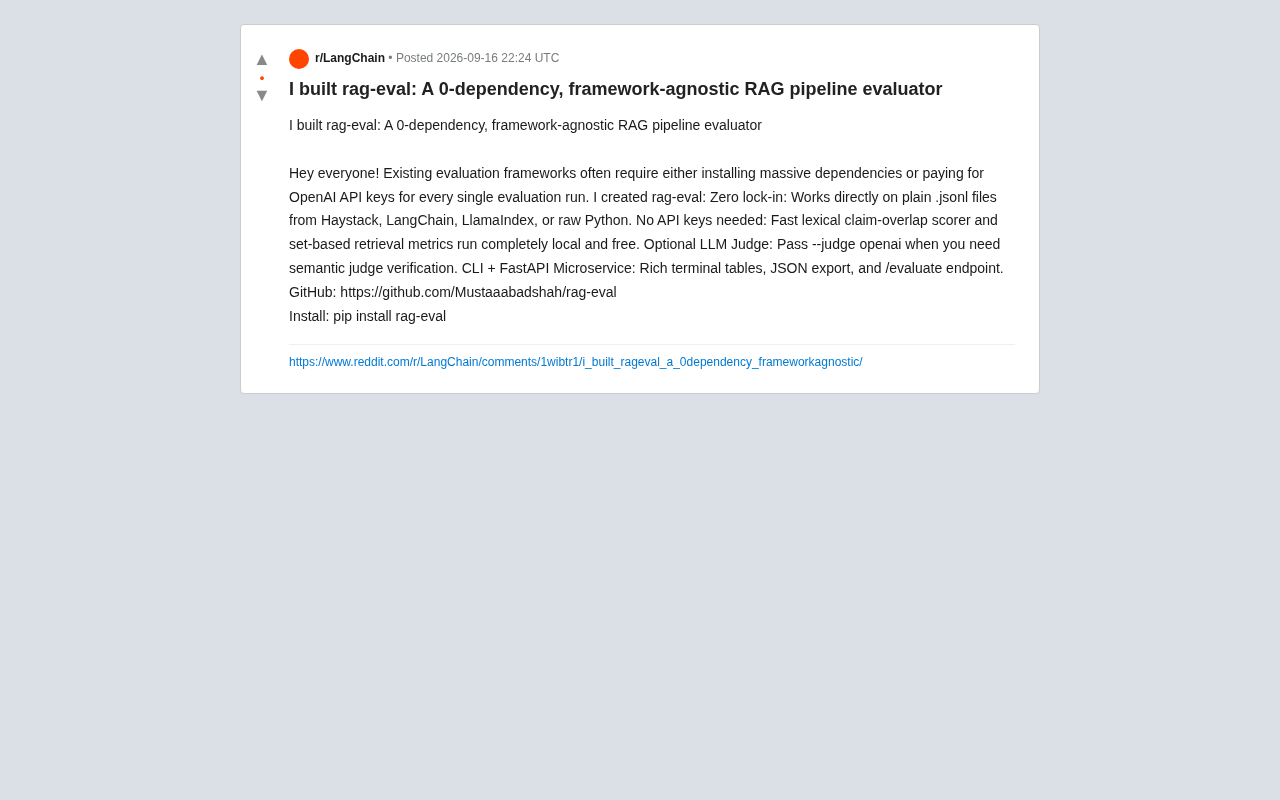
rag-eval: A Zero-Dependency, No-API-Key RAG Evaluation Tool
rag-eval is a zero-dependency, framework-agnostic open-source RAG pipeline evaluation tool. It supports free local lexical and retrieval metrics with no API keys required, and offers optional LLM Judge for semantic validation. Compatible with Haystack, LangChain, and LlamaIndex.
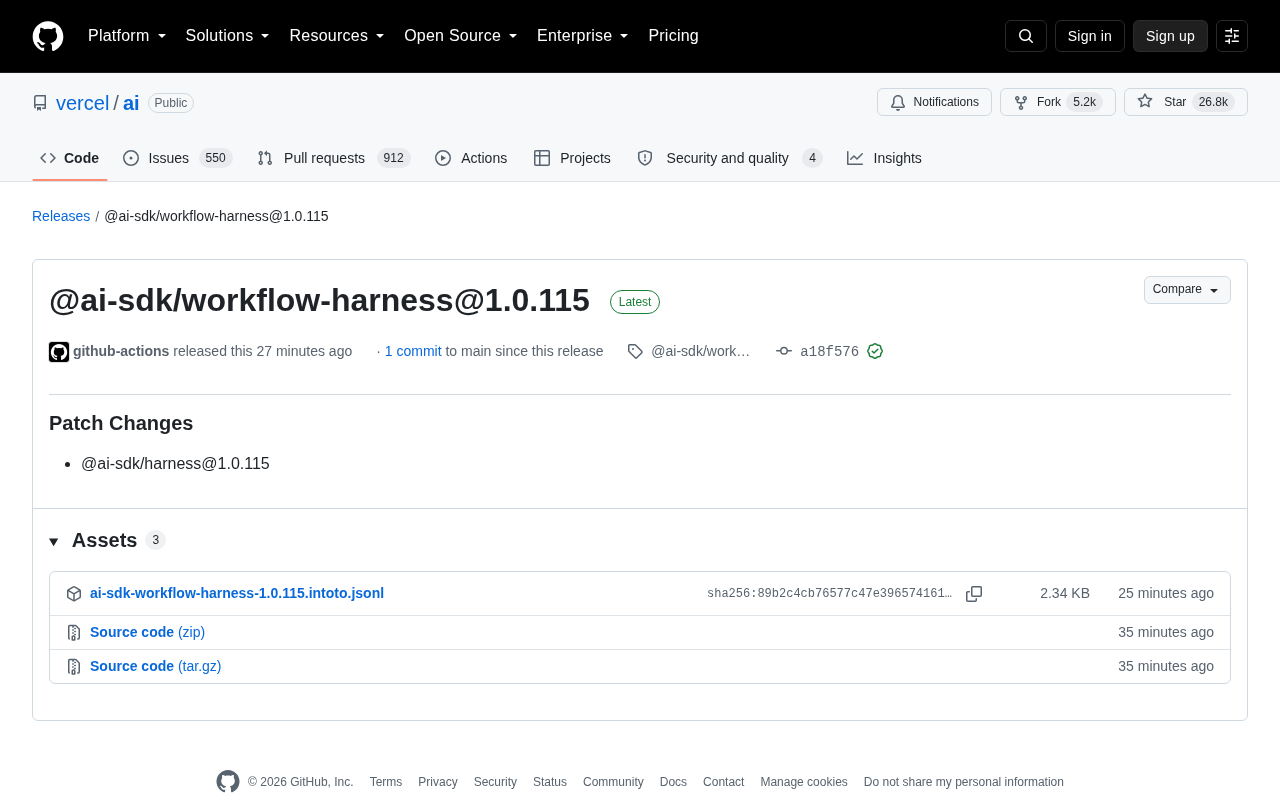
Vercel AI SDK Releases workflow-harness 1.0.115 Patch Update
Vercel AI SDK releases @ai-sdk/workflow-harness 1.0.115 patch update, syncing the @ai-sdk/harness dependency. Learn about the update, release mechanism, and what it means for developers.
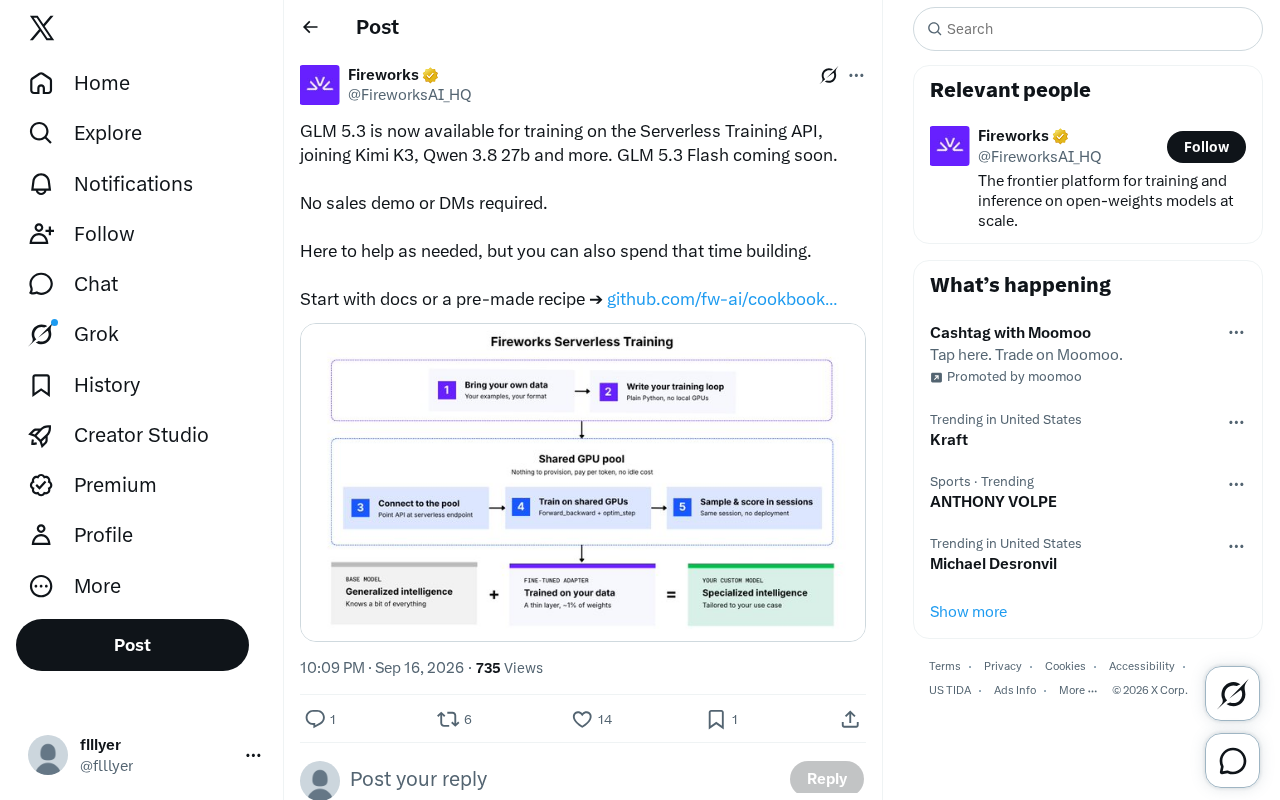
GLM 5.3 Now Available on Serverless Training API — No Sales Process Required
GLM 5.3 is now available on Serverless Training API alongside Kimi K3 and Qwen 3.8 27b. No sales process needed — start fine-tuning directly via docs or pre-made recipes.