Do AI Agents Need a Dedicated Data Workspace? Exploring the Open-Source Project DataMind
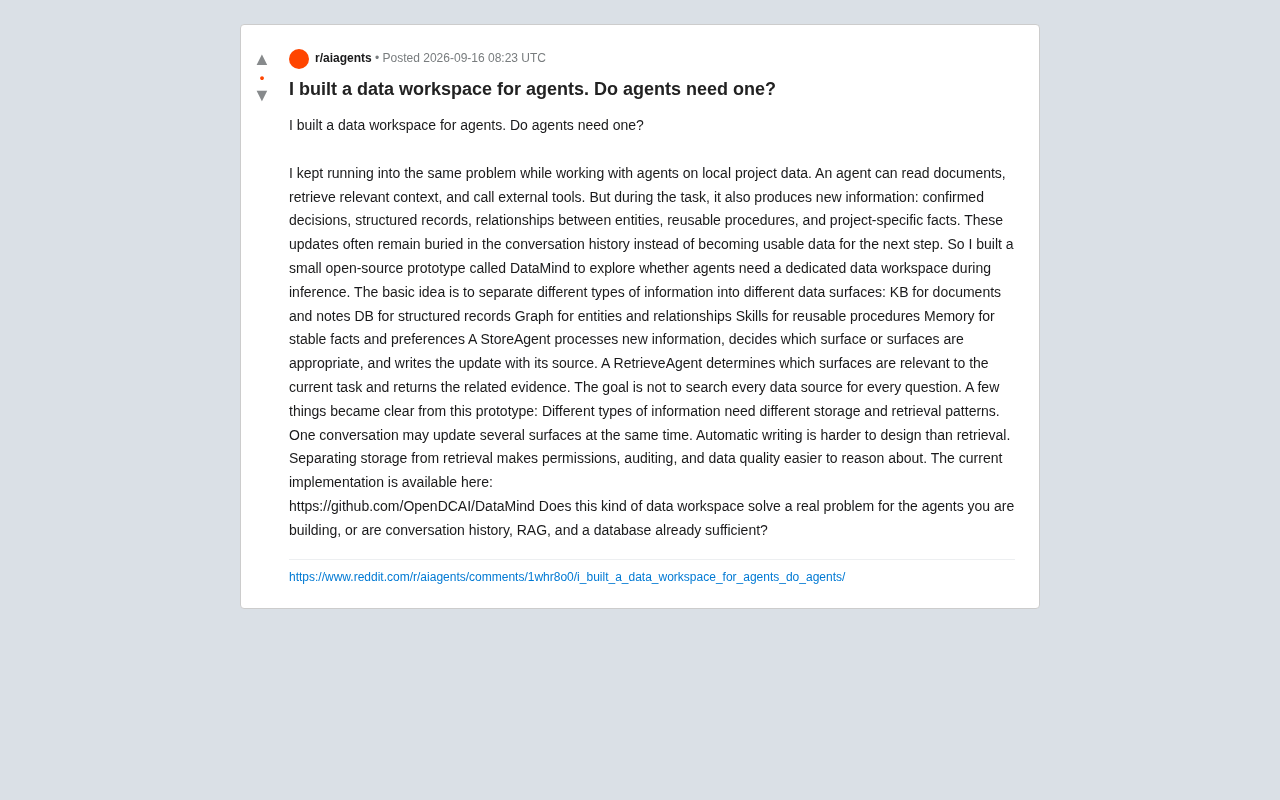
DataMind layers agent-generated data into five typed surfaces to prevent insights from getting lost in chat history.
When agents complete tasks, they generate new information — decisions, entity relationships, reusable workflows, project facts — that typically gets buried in conversation history and can't be reused. Developer built the open-source prototype DataMind, organizing information into five "data surfaces" (KB, DB, Graph, Skills, Memory) with dedicated StoreAgent and RetrieveAgent roles. The prototype shows different info types need different storage patterns, automatic writes are harder than retrieval, and separating the two improves auditability. The core question: is conversation history + RAG + a database enough, or do agents truly need a persistent, layered, auditable workspace?
Where Does the Data Generated During Agent Reasoning Go?
A developer working with an AI agent on local project data kept running into the same problem: the agent could read documents, retrieve relevant context, and call external tools — but in the process of completing tasks, it was also continuously generating new information: confirmed decisions, structured records, relationships between entities, reusable workflows, and project-specific facts.
The problem was that this newly generated information kept getting buried in lengthy conversation histories, never becoming directly callable data for the next task. In other words, the results of each agent session weren't being preserved — the next task would require starting from scratch to reconstruct context all over again.
To test whether agents need a dedicated data workspace during the reasoning phase, this developer built a small open-source prototype called DataMind. The project is available on GitHub at OpenDCAI/DataMind.
DataMind's Core Idea: Separating Data by Information Type
DataMind's fundamental concept is to separate different types of information into distinct "data surfaces" rather than cramming everything into a single store or conversation history.
It defines five categories:
- KB (Knowledge Base): Stores documents and notes
- DB (Database): Stores structured records
- Graph: Stores entities and their relationships
- Skills: Stores reusable operational workflows
- Memory: Stores stable facts and preferences
The logic behind this separation is straightforward: documents, structured records, entity relationships, operational workflows, and long-term preferences all have fundamentally different storage and retrieval patterns. Mixing them together makes retrieval difficult and quality hard to maintain.
Dual-Agent Architecture: Separating Write and Retrieve
DataMind introduces two specialized agents to manage data flow:
- StoreAgent: Processes newly generated information, determines which data surface(s) it belongs to, and writes it along with its source.
- RetrieveAgent: Determines which data surfaces are relevant to the current task and returns the corresponding evidence.
The design goal is clear — rather than scanning all data sources for every query, it precisely targets the relevant surfaces. This stands in contrast to the traditional RAG approach of using a single vector store for everything.
Traditional RAG (Retrieval-Augmented Generation) works by chunking external documents into vectors, storing them in a vector database, and at inference time converting the user's query into a vector to retrieve the most similar chunks via similarity search, which are then injected into the prompt for the language model to generate a response. This mechanism works well for "consulting existing knowledge," but has an inherent limitation: it's a one-way read pipeline that doesn't handle writing the new information generated during agent reasoning back into storage in a structured way. Furthermore, vector similarity search isn't well-suited for structural information like "entity relationships" or "operational workflows" — precisely the gap that DataMind's layered data surfaces and dual-agent write mechanism aim to address.
Key Findings from the Prototype
Through building this prototype, the developer arrived at several noteworthy observations:
Different information types require different storage and retrieval patterns. Using the same mechanism for both documents and entity relationships tends to serve neither well.
A single conversation may update multiple data surfaces simultaneously. Within one user exchange, there might be new facts (Memory), new decisions (DB), and new entity associations (Graph) — all requiring concurrent writes.
Automatic writing is harder to design than retrieval. Retrieval is about "finding relevant content," while writing requires the agent to actively judge: "Is this information important? Where does it belong? How do I avoid polluting existing data?" The decision chain is longer and the cost of errors is higher.
Separating storage from retrieval makes permissions, auditing, and data quality easier to reason about. When writing and reading are two distinct stages, it becomes much clearer who wrote what, where data came from, and whether quality is reliable.
Do Agents Actually Need a Data Workspace?
This is the core question the developer posed to the community: does this kind of data workspace genuinely solve real problems, or are conversation history, RAG, and a database already sufficient?
From an engineering perspective, this question touches on a real pain point in current agent development. As agents take on longer and more complex tasks, the tension between "context memory" and "knowledge preservation" becomes increasingly acute. Conversation history windows are limited and hard to reuse in structured ways; pure RAG excels at retrieval but struggles to record the dynamic data agents generate themselves; and a single database lacks semantic search capabilities.
DataMind's proposed answer is: rather than having agents cobble things together ad hoc at inference time, give them a persistent, layered, auditable workspace. This direction aligns with the industry's recent exploration of "agent memory systems" — from simple conversation buffers, to vector memory, to today's information-type-layered structured memory.
Of course, this is only an exploratory prototype, and its value lies more in raising questions than in providing definitive answers. The reliability of automatic writes, the consistency of simultaneous multi-surface updates, and the performance overhead in real-world projects all require further validation. But it clearly points toward a direction worth pursuing: agents don't just need the ability to "read" — they need a place where they can safely "write" and accumulate their results.
"Agent memory systems" is an active research area in AI engineering. The field generally categorizes memory into four layers: short-term memory (conversation context window), external memory (vector stores or databases), episodic memory (structured archives of past interactions), and semantic memory (long-term stable facts and rules). Existing frameworks like LangChain and MemGPT (LettaAI) have implemented these layers to varying degrees — MemGPT in particular treats the limited context window as "RAM" and external storage as "disk," managing information flow through explicit paging mechanisms. DataMind's five data surfaces can be seen as a further refinement of the "semantic memory" layer — decomposing what was previously a catch-all "long-term memory" into five forms based on structural characteristics (knowledge, records, relationships, skills, and preferences), each matched with a different storage and retrieval backend.
Closing Thoughts
As an open-source prototype, DataMind's greatest significance may not lie in the code itself, but in surfacing a question that's easy to overlook: where should the new knowledge an agent generates while working actually go? If you're building agent applications, it's worth reflecting on how information is preserved in your own projects — and whether you too have the hidden problem of "results buried in conversation history." Project URL: github.com/OpenDCAI/DataMind.
Related articles
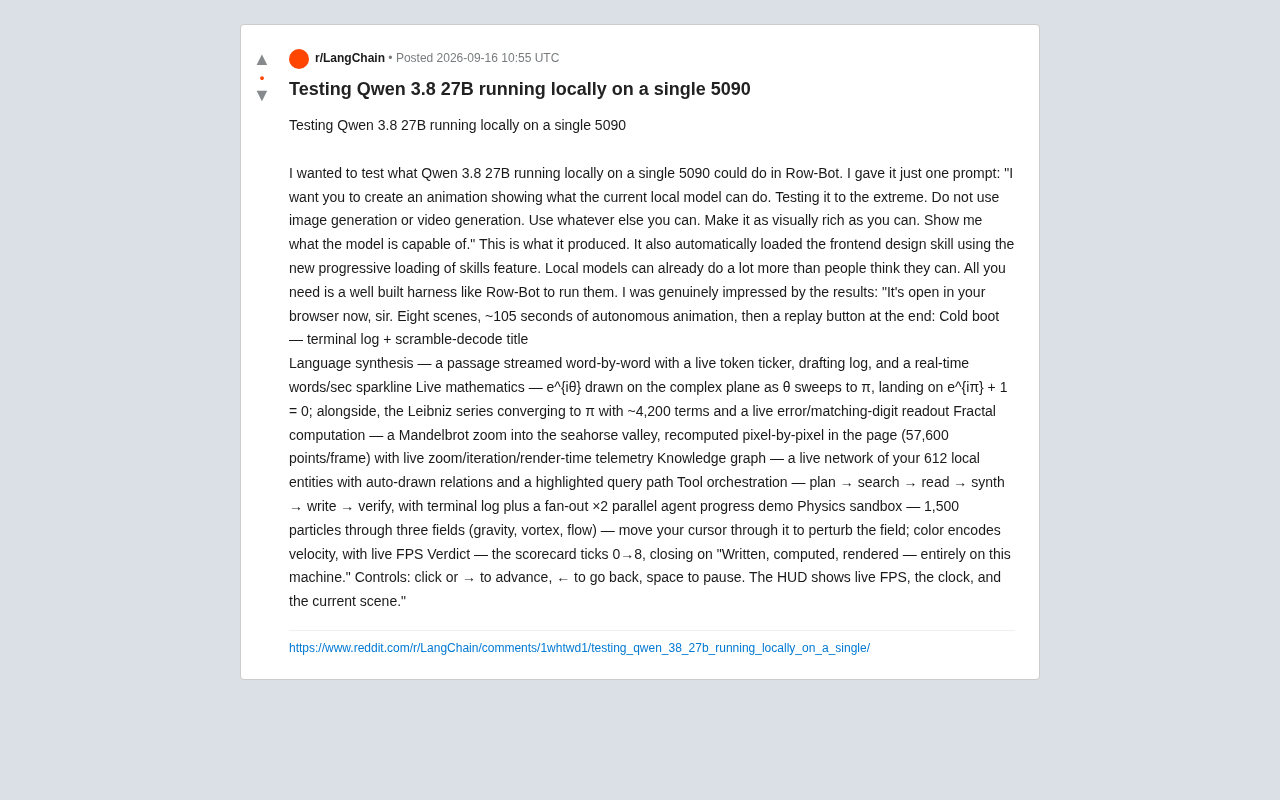
Running Qwen3 27B Locally on a Single RTX 5090: What Can It Actually Do?
A developer runs Qwen3 27B locally on a single RTX 5090 via the Row-Bot Agent framework, generating an 8-scene, 105-second interactive animation from one prompt — including real-time math, fractals, and physics.
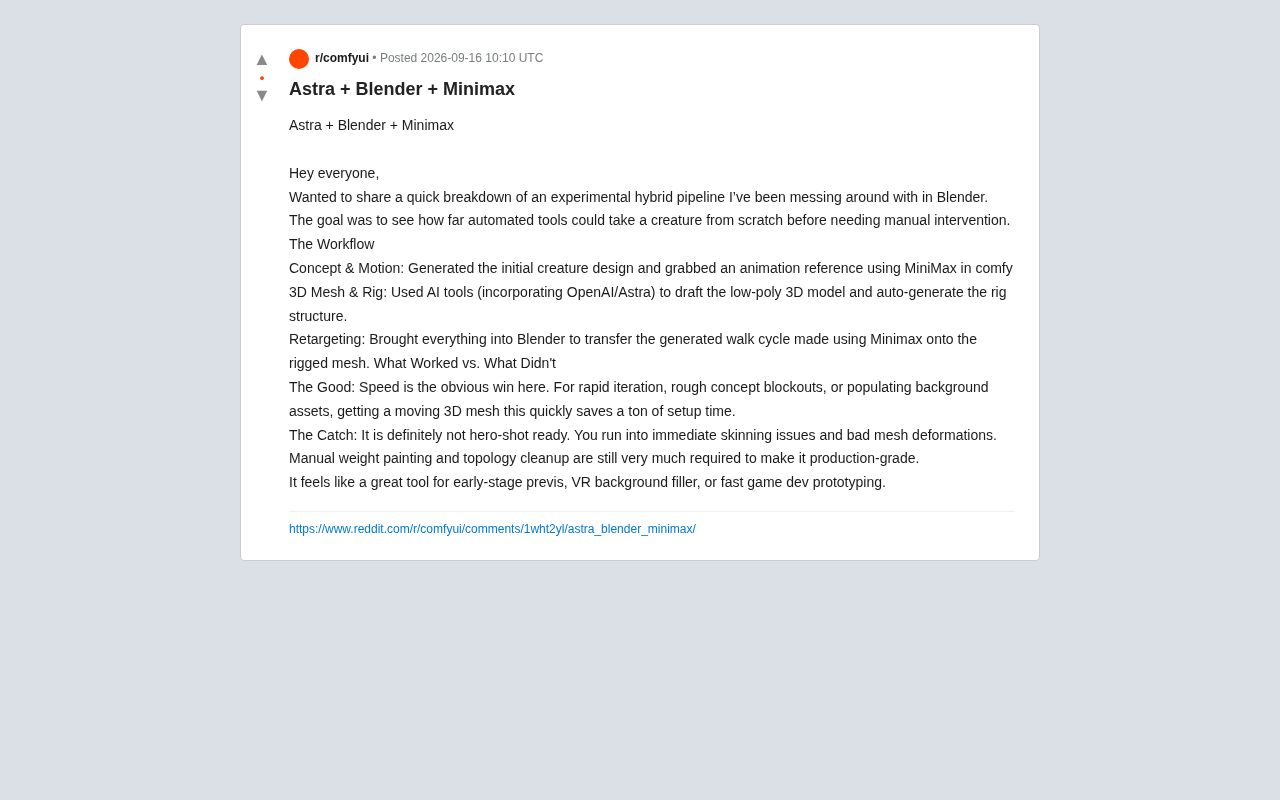
AI Hybrid Workflow in Practice: Auto-Generating 3D Creatures with Astra + Blender + MiniMax
A Reddit creator tests an Astra+Blender+MiniMax hybrid AI workflow for 3D creature animation — from concept to rigging to retargeting. Here's what works and what doesn't.
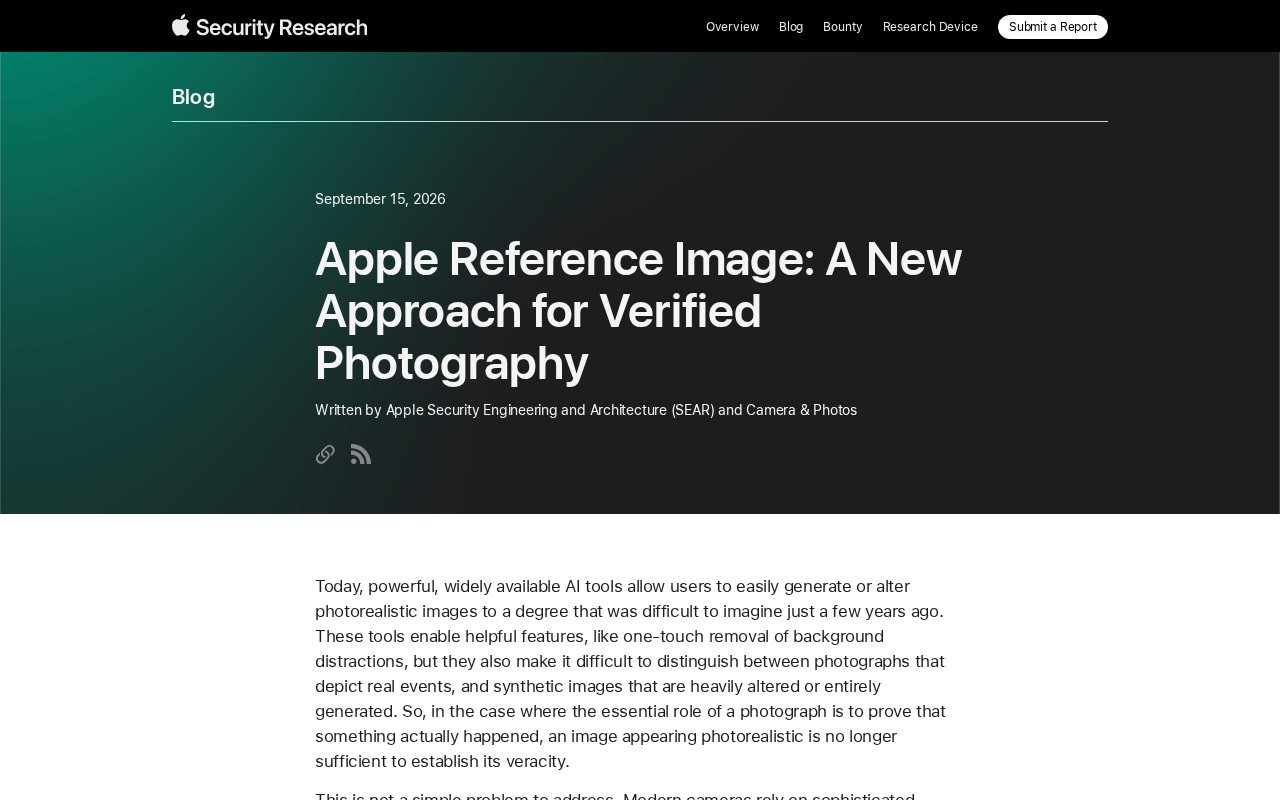
Apple Reference Image: A New Paradigm for Verifiable Photography
Apple's Reference Image proposal uses on-device cryptographic signing to establish verifiable baselines for real photos, tackling AI-generated image authenticity at the hardware level.