Election Deniers Running for Governor: What Happens If They Win?

Election deniers winning swing-state governorships could use certification power to tilt the 2028 presidential race.
CNN reporter Kaczynski warns that the real danger of election deniers running for governor in key swing states isn't losing — it's winning. Governors hold real power to certify results and shape voting laws, meaning election-denying officeholders could block certification or restrict mail-in voting to influence 2028. These candidates also display a glaring hypocrisy, railing against mail-in voting while using it themselves — as Trump did. Voter fraud exists but at negligible scale, yet the narrative has become a loyalty test within the GOP, posing a serious long-term institutional threat.
The Hidden Danger in Swing State Governor Races
In several swing states that could determine the outcome of the 2028 presidential election, a wave of "election deniers" are running for governor. On the surface, the most immediate public concern seems to be: what happens if these candidates lose? After all, many of them still refuse to acknowledge the legitimate results of past elections.
But according to CNN reporter Andrew Kaczynski, speaking on the Today Explained podcast, the real risk worth worrying about is precisely the opposite: what happens if they win?
How Gubernatorial Power Can Shape the Next Election
Kaczynski points out that governors hold real authority capable of influencing the electoral process. If candidates holding election-denial positions win office, they could employ a range of tactics to tilt the 2028 election results:
- Refuse to certify election results
- Push legislation that makes voting more difficult
- Create obstacles for mail-in voting
"It's more about what they can do as governor to influence the 2028 election," Kaczynski said. "They can refuse to certify results, they can pass bills to make voting harder, do things that tilt elections toward Trump."
In the American electoral system, a governor's certification authority derives from the intersection of state constitutions and federal law. Under the Electoral Count Act, state governments must certify their election results within a specified deadline and submit the electoral vote slate to Congress. In 2022, Congress passed the Electoral Count Reform Act, which introduced certain constraints on the certification process — but governors still retain considerable discretionary power in scenarios involving disputed certification. The 2020 election offers a clear example: multiple Republican state officials faced enormous pressure from Trump's camp to refuse or delay certification. This demonstrates that the political stance of state-level executive officials — governors, secretaries of state — can, in extreme circumstances, become a decisive variable in determining electoral outcomes, rather than merely a routine step in administrative procedure.
The Contradiction at the Heart of the Mail-In Voting Debate
The controversy surrounding mail-in voting exposes a striking contradiction. These candidates simultaneously declare "we need to stop mail-in ballots because they're riddled with fraud" while personally using mail-in voting themselves.
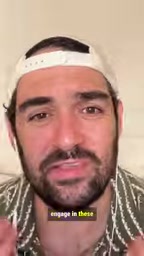
Kaczynski cited data showing that, in fact, more Republicans vote by mail than Democrats. Trump himself is a mail-in voter — "because I'm the President of the United States, I voted by mail-in ballot for the election that has already taken place."
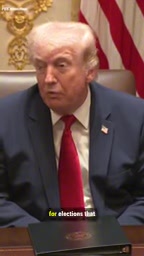
CNN has published report after report exposing how these candidates claim mail-in voting "is fraudulent" while using it themselves. This disconnect between rhetoric and behavior has become a well-documented phenomenon in electoral politics.
The Lasting Impact of the "Election Fraud" Narrative
Trump favors candidates willing to claim he won previous elections. Kaczynski described Trump's pursuit of "finding election fraud" as a kind of pastime.

The Gap Between Data and Reality
At the factual level, voter fraud does exist — but only at a vanishingly small scale. Kaczynski emphasized: "There has never been evidence that it occurred on a large scale, or in quantities sufficient to change an election result."
Yet even years later, this "election fraud" narrative continues to circulate within the Republican Party. It is no longer merely a challenge to the outcome of one particular election — it has evolved into a deeply embedded political-cultural stance, even serving as a litmus test for measuring a candidate's "loyalty."
Both academic research and judicial practice have systematically examined the actual scale of voter fraud. The Heritage Foundation's election fraud database — frequently cited by those who argue fraud is widespread — contains only approximately 1,300 documented convictions over several decades, a negligible fraction of the billions of votes cast in that period. Multiple peer-reviewed studies have reached similar conclusions: mail-in ballot fraud rates fall somewhere between 0.00004% and 0.0025%. After the 2020 election, Trump's team and its allies filed more than 60 lawsuits across the country, nearly all of which were dismissed for "lack of evidence" — including by judges appointed by Republicans. This legal record forms a critical part of the backdrop for Kaczynski's assertion that "there has never been evidence of large-scale fraud."
The label "election deniers" was widely adopted by media outlets and research institutions around the time of the 2022 midterm elections. Nonprofit organizations such as the States United Democracy Center systematically tracked candidate positions, defining election deniers as those who publicly questioned the legitimacy of the 2020 election results or refused to acknowledge Biden's lawful victory. In the 2022 midterms, approximately 300 such candidates ran for state-level positions with election administration responsibilities — including governor, secretary of state, and attorney general. Some lost, but a significant number won, gaining control of key administrative powers for future election cycles. This trend has continued into the 2024–2026 election cycle, transforming election denial from a fringe position into a mainstream endorsement signal in Republican primaries.
Why This Matters
The core risk of this phenomenon is institutional. When state officials who hold certification authority fundamentally reject the legitimacy of election results, the peaceful transfer of power following those results may face real challenges. This is not simply about who wins or loses a particular race — it concerns the credibility of the electoral system itself.
For a pivotal election like 2028, who serves as governor in swing states may matter just as much as the votes themselves. That is the deeper concern Kaczynski is pointing to: the true risk may not lie in election deniers losing — it may lie in them winning.
Related articles
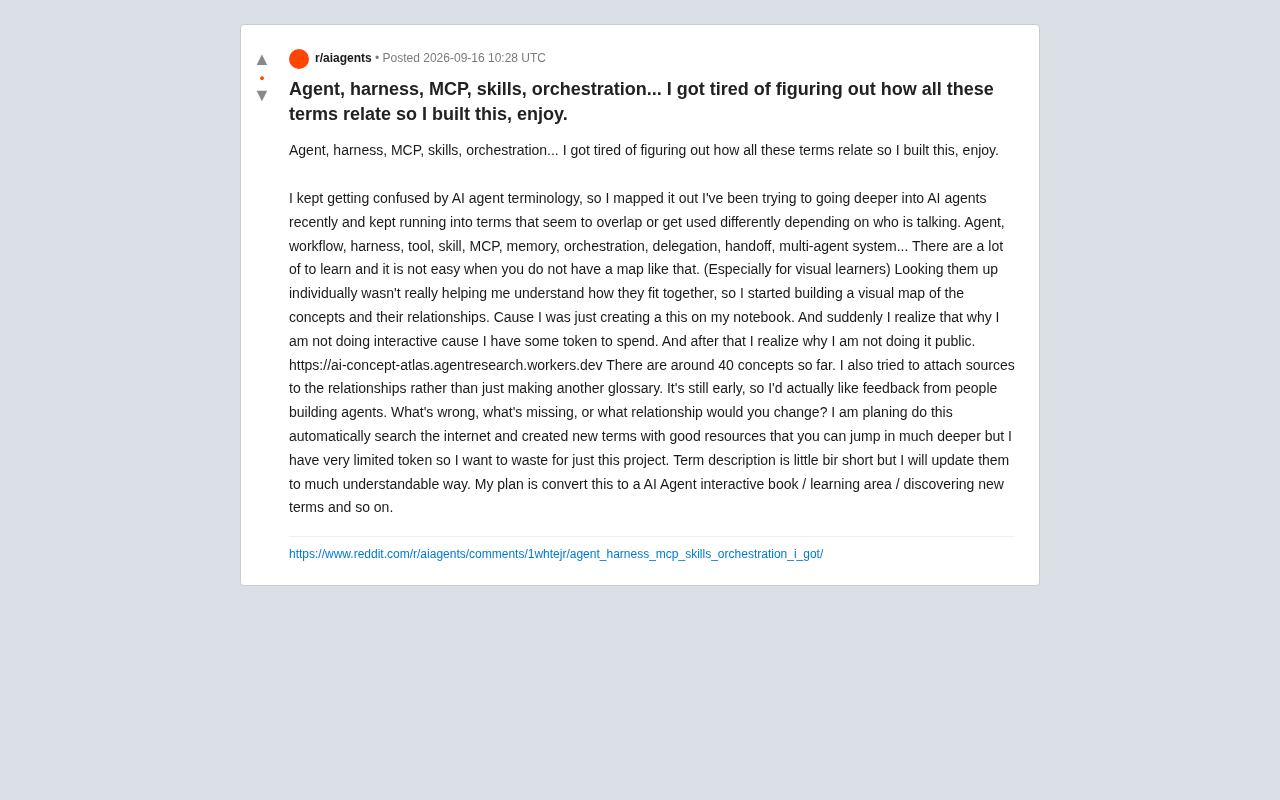
AI Agent Terminology Too Confusing? One Interactive Concept Map to Untangle 40+ Core Terms
Confused by AI Agent terms like MCP, harness, orchestration, and skills? AI Concept Atlas is an interactive map visualizing 40+ concepts and their relationships, with cited sources.
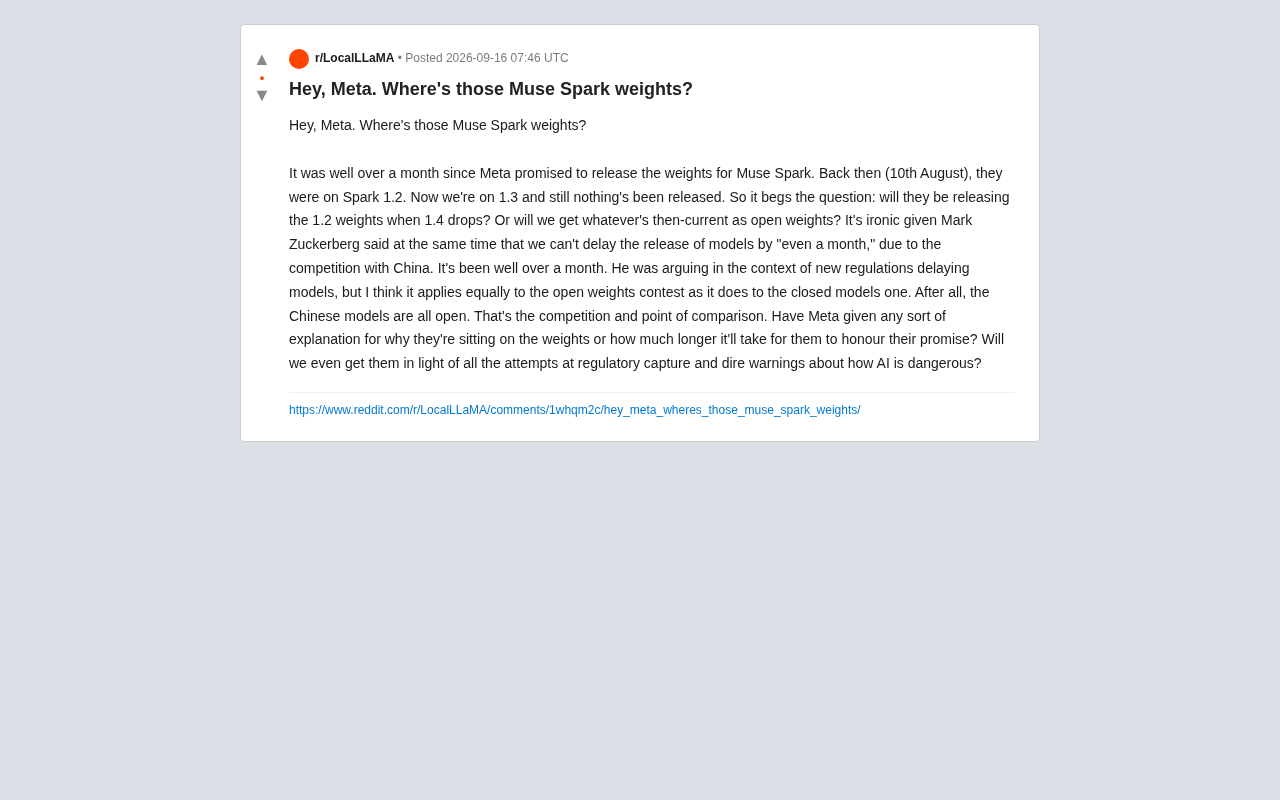
Meta's Broken Promise: Community Demands to Know Where the Muse Spark Weights Are
Meta promised to open-source Muse Spark model weights over a month ago, but still hasn't delivered. The community questions how this squares with Zuckerberg's "can't delay even a month" stance.
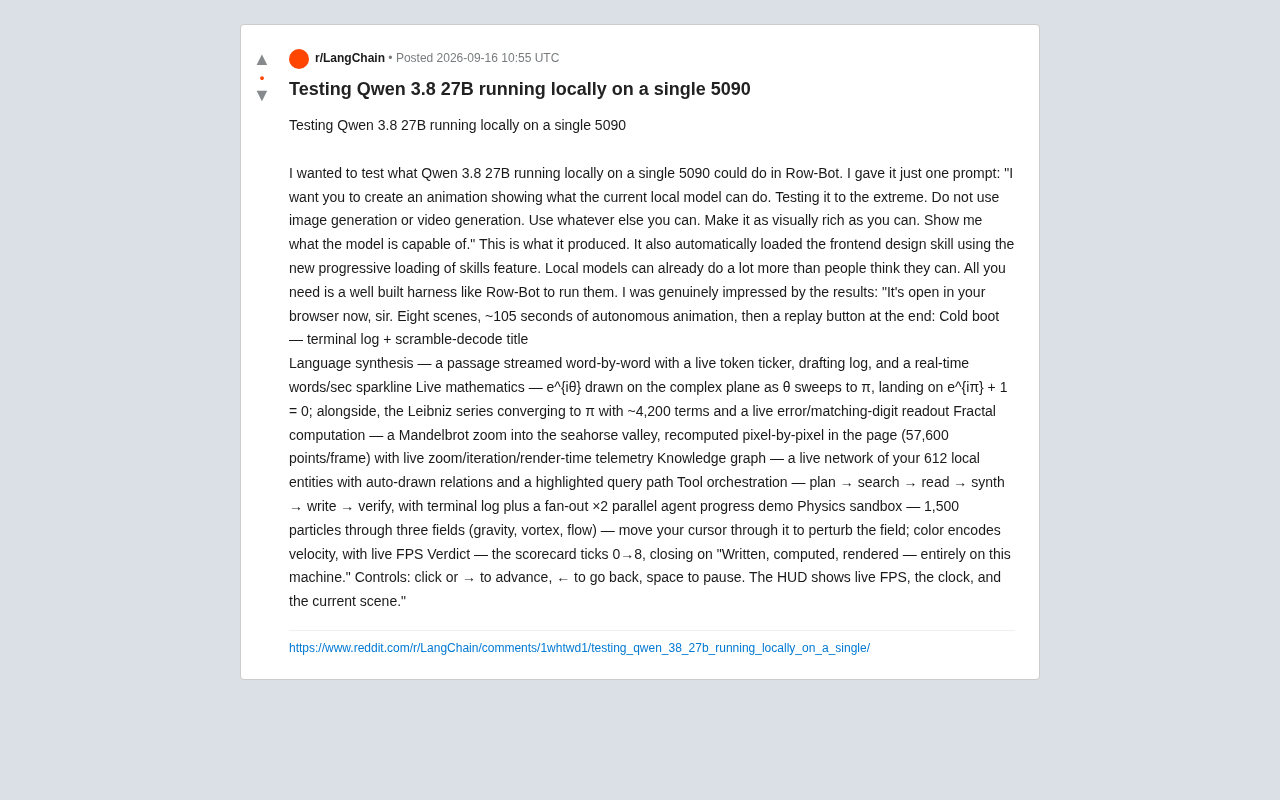
Running Qwen3 27B Locally on a Single RTX 5090: What Can It Actually Do?
A developer runs Qwen3 27B locally on a single RTX 5090 via the Row-Bot Agent framework, generating an 8-scene, 105-second interactive animation from one prompt — including real-time math, fractals, and physics.