Facebook Pays to Promote Rage-Bait Content: The Ethical Crisis of Platform Attention Economics

Facebook allegedly pays creators for rage-bait, raising serious ethical questions about platform attention economics.
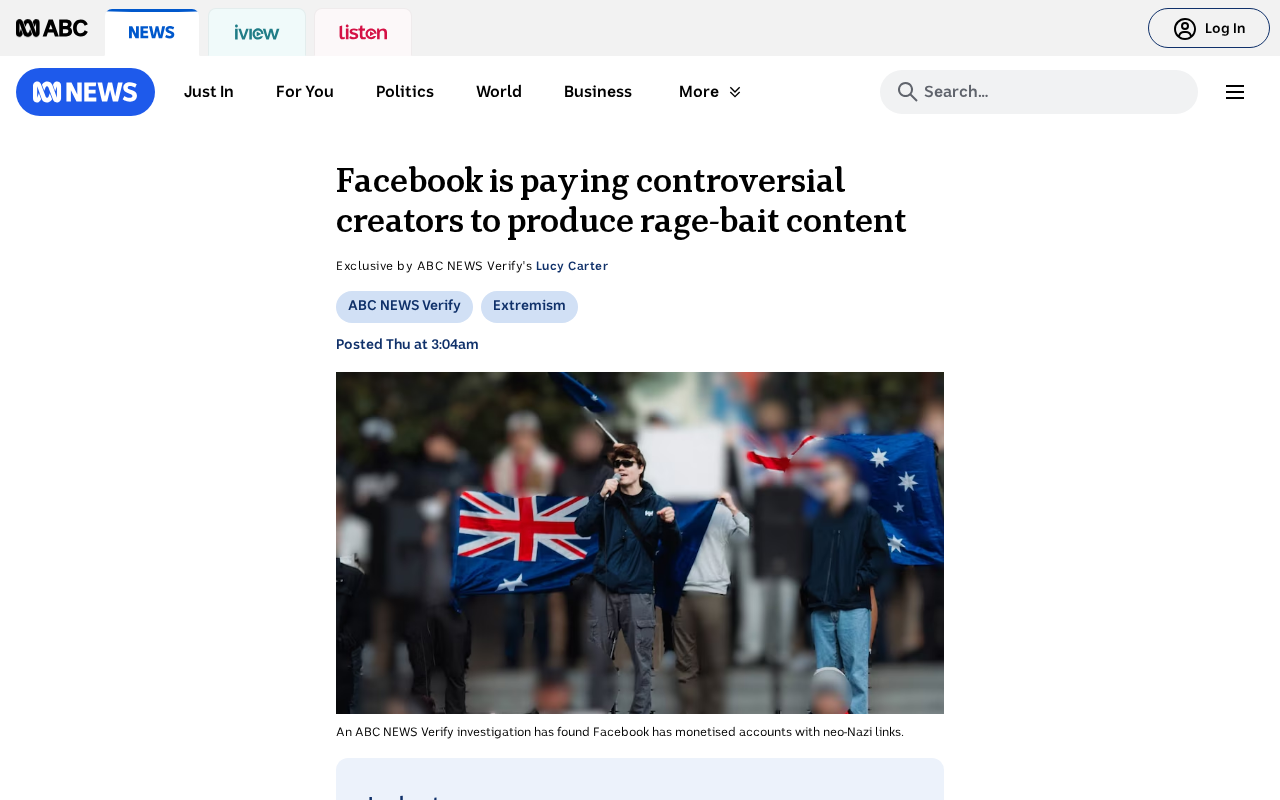
Facebook (Meta) is reportedly paying content creators to produce rage-bait—inflammatory content designed to maximize engagement. This marks an escalation from passive algorithmic amplification to active financial incentivization. The practice distorts creator incentives, accelerates adverse selection against quality content, intensifies social polarization, and challenges existing legal frameworks that assume platforms are neutral intermediaries.
A New Shift in Social Platform Attention Economics
A recent report about Facebook (Meta) has sparked heated discussion across tech communities including Hacker News. The report reveals that Facebook is paying certain controversial content creators to produce so-called "rage-bait" content. This practice once again brings the deep-seated conflict between social platforms' business logic and content ethics to the forefront.
Rage-bait refers to content deliberately designed to provoke strong emotional reactions from users—particularly anger, resentment, and polarizing sentiments. Such content doesn't pursue informational value or constructive discussion; it exists purely to maximize engagement metrics (likes, comments, shares). When a platform begins actively paying for this type of content, the underlying motivations and implications deserve thorough analysis.
To understand the deeper logic behind this phenomenon, we need to return to the concept of the "attention economy" itself. The Attention Economy was first proposed by Nobel laureate Herbert Simon in 1971, who pointed out that in an information-rich world, the truly scarce resource is human attention. This theory was further developed in the internet age, particularly by Tim Wu in his book The Attention Merchants, which systematically traced how commercial forces—from 19th-century newspapers to modern social media—have continuously sought more effective ways to capture and monetize human attention. In the context of social platforms, the attention economy means that a platform's core asset isn't the content itself, but rather the time and cognitive resources users spend on the platform, which are converted into sellable advertising inventory.
Why Facebook Favors Rage-Bait Content
Emotional Engagement Is the Strongest Interaction Engine
From a behavioral psychology perspective, anger and moral outrage are among the most powerful emotions driving user engagement. Compared to neutral or positive content, content that angers users more easily triggers a flood of comments, arguments, and secondary sharing. For social platforms whose core revenue comes from advertising, user dwell time and interaction frequency directly impact ad impressions and revenue.
In other words, rage-bait isn't favored by accident—it's the inevitable outcome of platform algorithm optimization logic. When a recommendation system's core objective is set to "maximize engagement," content that triggers extreme emotions will naturally win out in the competition.
From a technical implementation perspective, modern social platform recommendation systems are typically based on deep learning models that analyze users' historical behavioral data (clicks, dwell time, comments, shares, etc.) to predict which content is most likely to trigger the next interaction. These models use architectures such as Wide & Deep, DeepFM, or Transformers to rank billions of pieces of content in real time. The critical issue is that when the optimization objective is set to maximize engagement metrics, the model naturally learns the high-interaction characteristics of emotional content and systematically assigns higher distribution weight to such content. Researchers call this phenomenon "algorithmic amplification"—it ensures that even without human intervention, emotional content receives disproportionate exposure.
From Passive Algorithmic Enablement to Active Platform Payment
You might not have noticed, but the issue revealed in this report is significantly more serious than before. In the past, platforms were often criticized for "algorithmically enabling" the spread of rage-bait—that is, algorithms inadvertently amplified such content. Now, the accusation is that Facebook is actively paying creators to produce this type of content.
This means the platform has shifted from a passive role as a "neutral technology provider" that can deflect responsibility, to a direct participant and driver of content ecosystem imbalance. This shift could generate far greater controversy at both ethical and legal levels.
Distorted Incentive Mechanisms in the Creator Economy
Quality Content Faces Adverse Selection
When a platform's payment mechanisms tilt toward controversial, inflammatory content, the entire creator ecosystem faces an "adverse selection" effect. Creators who earnestly produce high-quality, rational content may struggle to earn rewards due to poor data performance, while those skilled at manufacturing conflict and emotional provocation gain more resources.
This phenomenon needs to be understood within the broader context of the creator economy. The Creator Economy reached approximately $104 billion in market size in 2023, encompassing over 50 million global content creators. Major platforms have established creator funds to compete for top talent: YouTube's Partner Program, TikTok's Creator Fund, and Meta's Reels Play bonus program, among others. The design of these payment mechanisms directly influences creators' content strategies. When platforms use view counts and engagement rates as core payment metrics, they're essentially using monetary signals to tell creators what kind of content is worth producing. The bias in these incentive designs has an impact far beyond any single platform.
Over time, this incentive structure systematically degrades the overall quality of platform content, creating a vicious cycle of "bad money driving out good." This is the core concern expressed by many tech professionals in the Hacker News community discussions.
The Moral Dilemma Facing Creators
For content creators themselves, the platform's payment mechanisms also create moral pressure. When producing rage-bait generates actual income, even creators who originally had no such intention may be co-opted by economic interests, gradually adjusting their content strategies. This behavioral pattern shaped by platform incentives ultimately reshapes the creative direction of the entire content industry.
Far-Reaching Impact on Society's Information Ecosystem
Rage-Bait Intensifies Social Polarization
One direct consequence of the proliferation of rage-bait content is the intensification of social polarization and antagonism. When people are continuously exposed to expertly crafted inflammatory content, the space for rational discussion is compressed, and inter-group hostility is constantly reinforced. Research on how social media deepens social division has already become abundant in recent years, and a platform actively paying to promote such content will undoubtedly make the situation worse.
Regarding the relationship between social media and social polarization, academia has accumulated substantial empirical research. A 2018 study published in the Proceedings of the National Academy of Sciences (PNAS) found that morally and emotionally charged content on Twitter spreads at a rate 20% higher than neutral content. The 2021 internal Facebook leak known as the "Frances Haugen Files" directly confirmed that the company's internal researchers had long discovered that platform algorithms amplified divisive content, but management failed to take effective action due to commercial interests. Research by Duke University sociologist Chris Bail and others has also shown that exposure to opposing viewpoints through emotional content rather than rational dialogue actually deepens rather than alleviates polarization. Together, these studies paint a concerning picture: there is a structural conflict between social platforms' commercial incentives and healthy public discourse.
Re-examining Platform Responsibility and Regulation
This incident has once again sparked discussion about platform responsibility. In many countries and regions, social platforms have long invoked "technological neutrality" to avoid responsibility for the consequences of content distribution. However, when a platform is proven to actively pay for and encourage specific types of content, this "neutrality" defense becomes untenable.
From a legal framework perspective, current global regulation of social platform content responsibility mainly includes: the United States' Section 230 of the Communications Decency Act, which grants platforms broad immunity for user-generated content; the EU's Digital Services Act (DSA), which requires large platforms to assess and mitigate systemic risks from algorithmic recommendations; and the UK's Online Safety Act, which requires platforms to exercise a duty of care regarding "legal but harmful" content. However, most of these frameworks were designed for scenarios where platforms "passively host" content. When a platform actively pays to incentivize the production of specific types of content, its legal role may shift from "intermediary platform" to "content commissioner," subjecting it to entirely different liability standards. This role shift could fundamentally undermine the foundational assumptions of existing internet legal frameworks.
Regulators, legislators, and the public may use this as grounds to demand that platforms assume clearer content governance responsibilities, or even push for adjustments to relevant legislation. For a company of Meta's scale, this represents potential compliance and reputational risk.
A Deep Reckoning with the Attention Economy Model
The controversy over Facebook paying to promote rage-bait content is essentially another concentrated manifestation of the conflict between the attention economy business model and the public interest. When "maximizing user engagement" becomes the overriding business objective, every product decision and incentive mechanism a platform makes may invisibly reshape the information environment and emotional state of billions of users.
It's worth noting that this dilemma isn't unique to Facebook—it's a structural challenge for all social platforms relying on advertising models. As long as a platform's revenue depends on user dwell time and interaction frequency, there will always be inherent pressure to tilt toward emotional, inflammatory content. Some researchers and practitioners have begun exploring alternative business models—such as subscriptions, user data sovereignty, and decentralized social networks—to try to break this cycle, but no mature solution that can compete with the advertising model at scale has yet emerged.
For tech professionals, content creators, and ordinary users alike, this incident serves as a sobering signal: the content we consume is largely shaped by the economic incentive structures behind it. Understanding this may be the first step toward maintaining clarity in the information age.
Note: This article is based on analysis of reports circulating in the Hacker News community. The specific details of the allegations still await an official response from Meta and confirmation from additional independent sources.
Related articles

M&M's Spent Millions Replacing Artificial Blue Dye — Why Is It So Hard?
Mars spent millions trying to replace artificial blue dye in M&M's with spirulina, but thick material clogs pipes and residue risks mold, forcing a full production-line rebuild. Here's the engineering behind the reformulation.
Teammate Wanted for Meta Global AI Developer Hackathon: Computer Vision & Medical AI
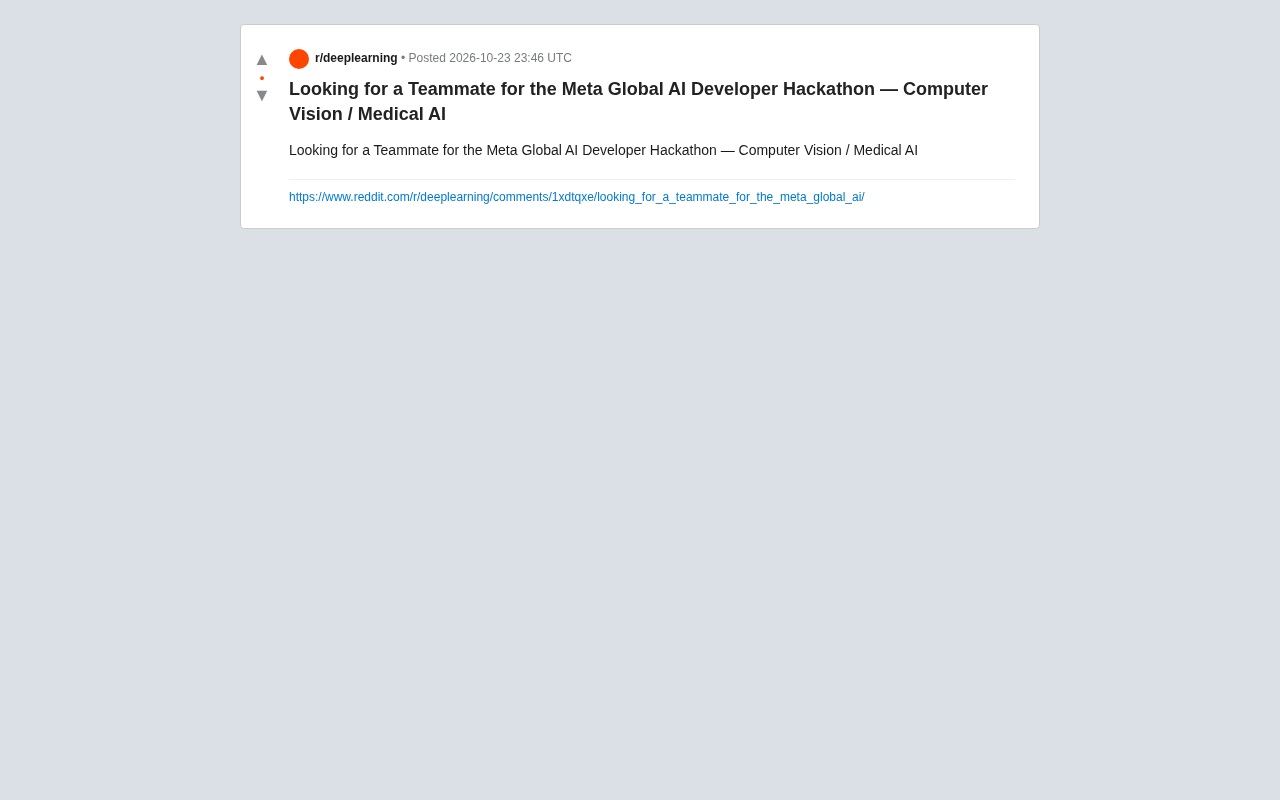
A Reddit developer seeks teammates for the Meta Global AI Developer Hackathon, focusing on computer vision and medical AI. This article analyzes the track logic, skills-complementarity needs, and topic selection strategy behind this teaming signal.
Multiple Claude Models Hit by Errors: A Postmortem of Fable 5.1, Sonnet 5.5, and Haiku 5.5
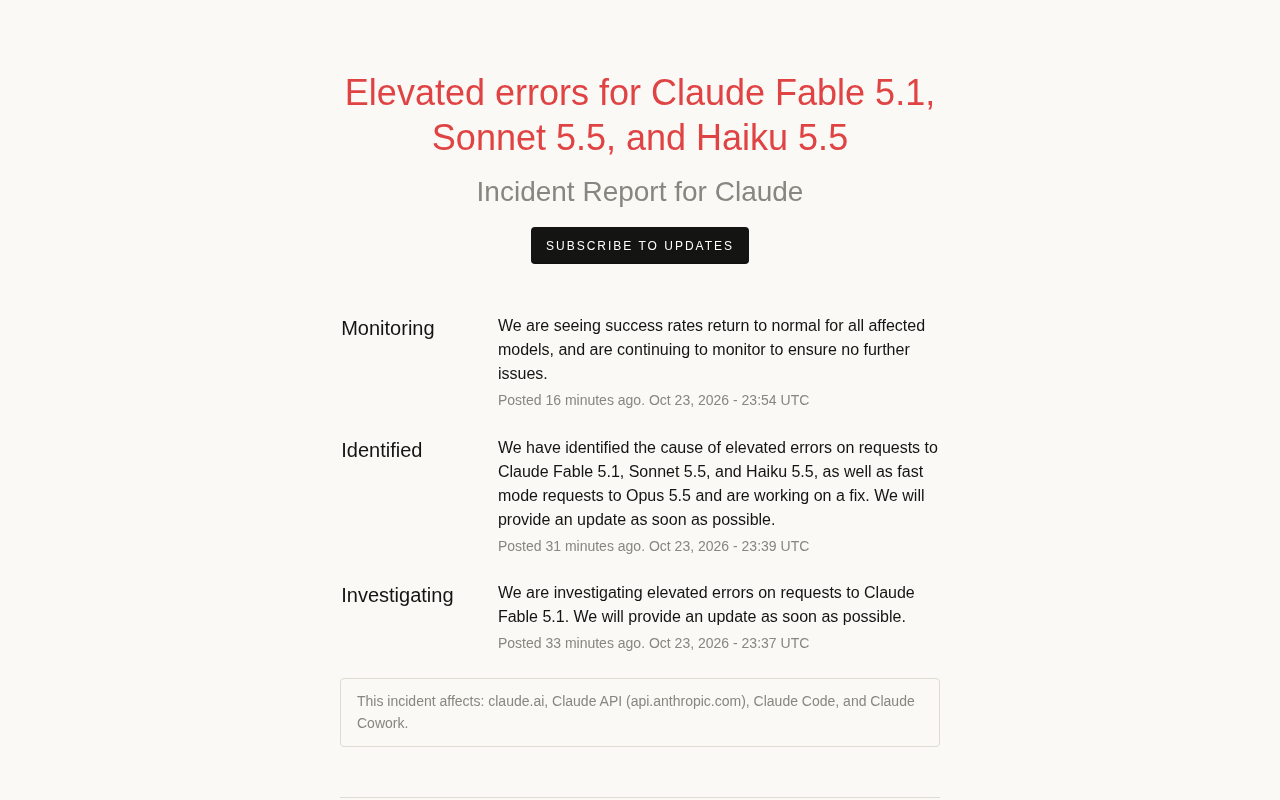
Claude Fable 5.1, Sonnet 5.5, Haiku 5.5, and Opus 5.5 fast mode saw elevated errors; Anthropic identified and resolved the issue in 17 minutes. This postmortem covers the timeline, the technical reasons for the multi-model cascading failure, and practical lessons for retry and degradation strategies.