Gemini API Now Supports Simultaneous Maps and Search Tool Calls — A Developer's Hands-On Guide

Gemini API now lets developers call Google Maps and Search tools simultaneously in Flash models.
Google's Gemini API now supports simultaneous Google Maps and Google Search tool calls in the 3.5 Flash and 3.6 Flash models. This enables compound queries combining location data and real-time information in a single inference pass, reducing development complexity and latency. The update strengthens Google's position for building localized, geographically aware AI applications.
A Practical Update for the Gemini API
Google recently rolled out a small but highly practical update to the Gemini API: developers can now invoke both Google Maps and Google Search tools simultaneously within the Gemini 3.5 Flash and 3.6 Flash models. According to official sources, this feature had been sitting on the backlog for quite some time and has finally shipped.
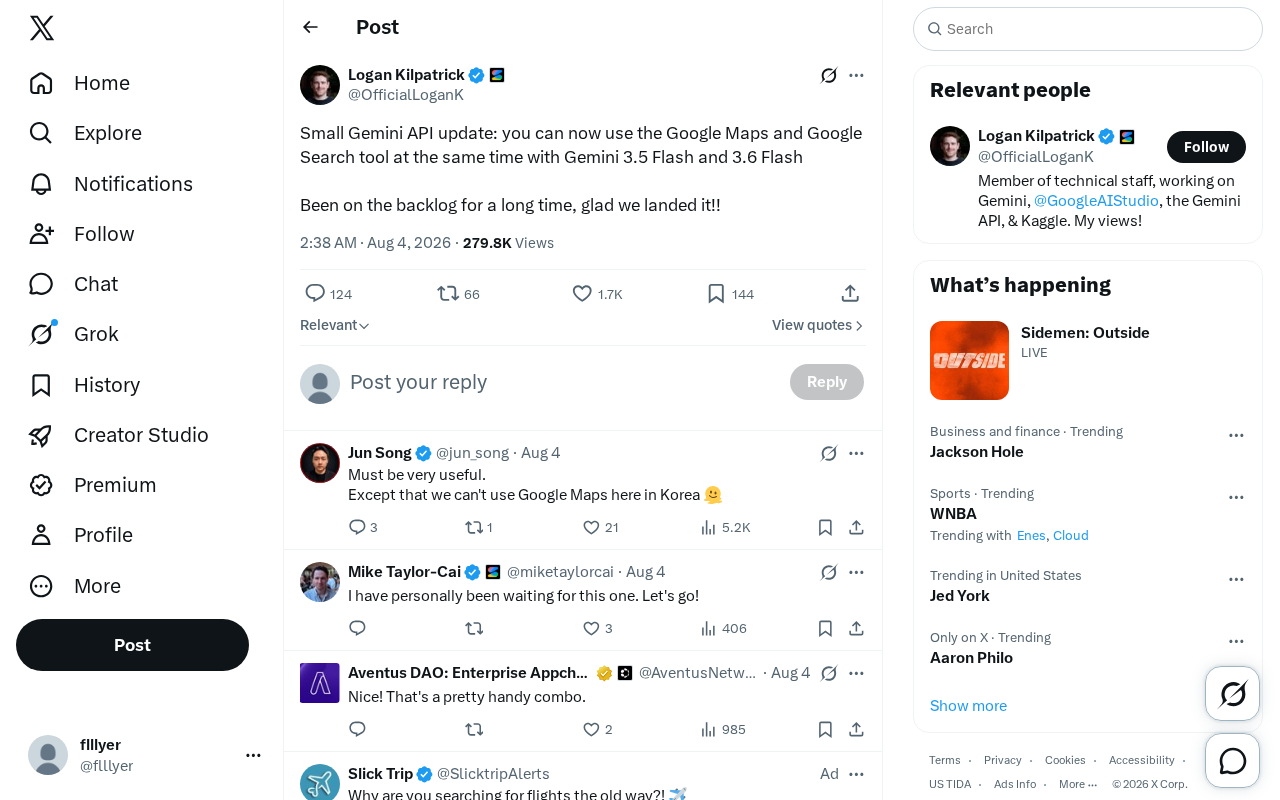
For developers who have been following the Gemini ecosystem closely, this may seem like a minor capability expansion. However, it reflects Google's continued investment in multi-tool orchestration. The ability to combine tool calls often dramatically improves model performance in complex, real-world scenarios.
Why "Simultaneous Calling" Matters
Previously, Gemini could typically only switch between individual tools during a task, or developers had to manually orchestrate multiple call sequences. Now, the model can access both map data and search data within a single inference pass, delivering several immediate benefits.
A More Complete Information Loop
Many real-world questions are inherently compound queries combining "geography + information." For example, a user might ask: "Find the highest-rated Japanese restaurant nearby and tell me if they've recently updated their menu." This type of question requires Maps for location, ratings, and business details, while also needing Search to surface the latest dynamic content. Previously, this demanded multiple interaction rounds or complex backend stitching — now it can be accomplished in a single model call.
Reduced Development Complexity
For developers, parallel tool availability means less orchestration code and lower latency. There's no longer a need to design complex state machines to determine "should I query Maps first or Search first" — the model can autonomously decide how to combine these two capabilities based on context, making it far more natural to build Agent-style applications.
The Flash Series Positioning
This update focuses on the 3.5 Flash and 3.6 Flash models — both positioned as the speed and cost-efficiency champions within the Gemini family. The Flash series is typically deployed in high-concurrency, low-latency production environments such as customer service assistants, real-time recommendation systems, and local lifestyle services.
Prioritizing multi-tool orchestration for the Flash series signals that Google wants these cost-effective models to handle more "out-of-the-box" practical tasks, rather than just lightweight text processing. This aligns with the broader industry trend of equipping smaller, faster models with stronger tool use capabilities — expanding the application boundary while maintaining response speed.
What This Means for the Developer Ecosystem
From a broader perspective, Google is deeply integrating its core assets — Maps and Search — into its AI models' capability stack. These two services represent a unique moat that distinguishes Google from other large model providers.
When Maps and Search can be seamlessly and concurrently invoked by Gemini, Google is sending a clear signal to developers: for building localized, real-time, and geographically aware AI applications, Gemini offers a platform with inherent advantages. For teams working on travel, tourism, local lifestyle, and O2O products, this kind of native integration is more compelling than raw model intelligence alone.
A Small Update Pointing to a Big Direction
Although the official announcement describes this as "a small update," from a product evolution standpoint, the gradual unlocking of tool capabilities is inherently incremental. Each seemingly minor combinatorial ability eventually converges into a more powerful Agent infrastructure.
For developers currently using the Gemini API, we recommend testing the parallel Maps and Search calling capabilities in real projects as soon as possible — especially in compound scenarios involving location services and real-time information. This could deliver noticeable improvements in user experience and meaningful simplifications to your architecture.
Related articles
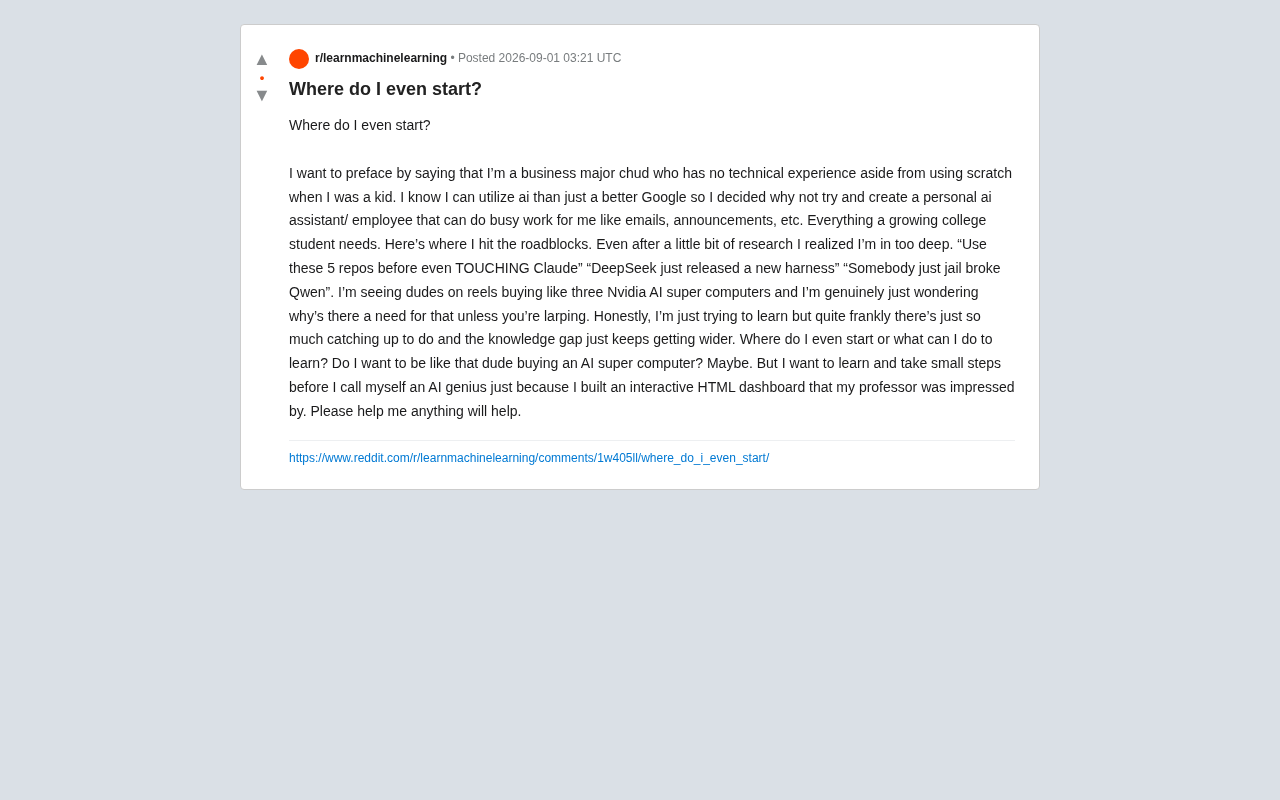
AI Beginner's Guide: Three Stages to Building Your Own Personal AI Assistant from Scratch
No tech background? No problem. This beginner's guide maps out a 3-stage path to building a personal AI assistant — from prompt engineering to no-code automation to API calls.

Zero to Vibe Coding in Seven Days: A Complete Beginner's Guide to AI Programming
A beginner's guide to Vibe Coding: learn the 6-step path covering Claude Code, Cursor, Codex, prompt engineering, and project practice to build products with AI.
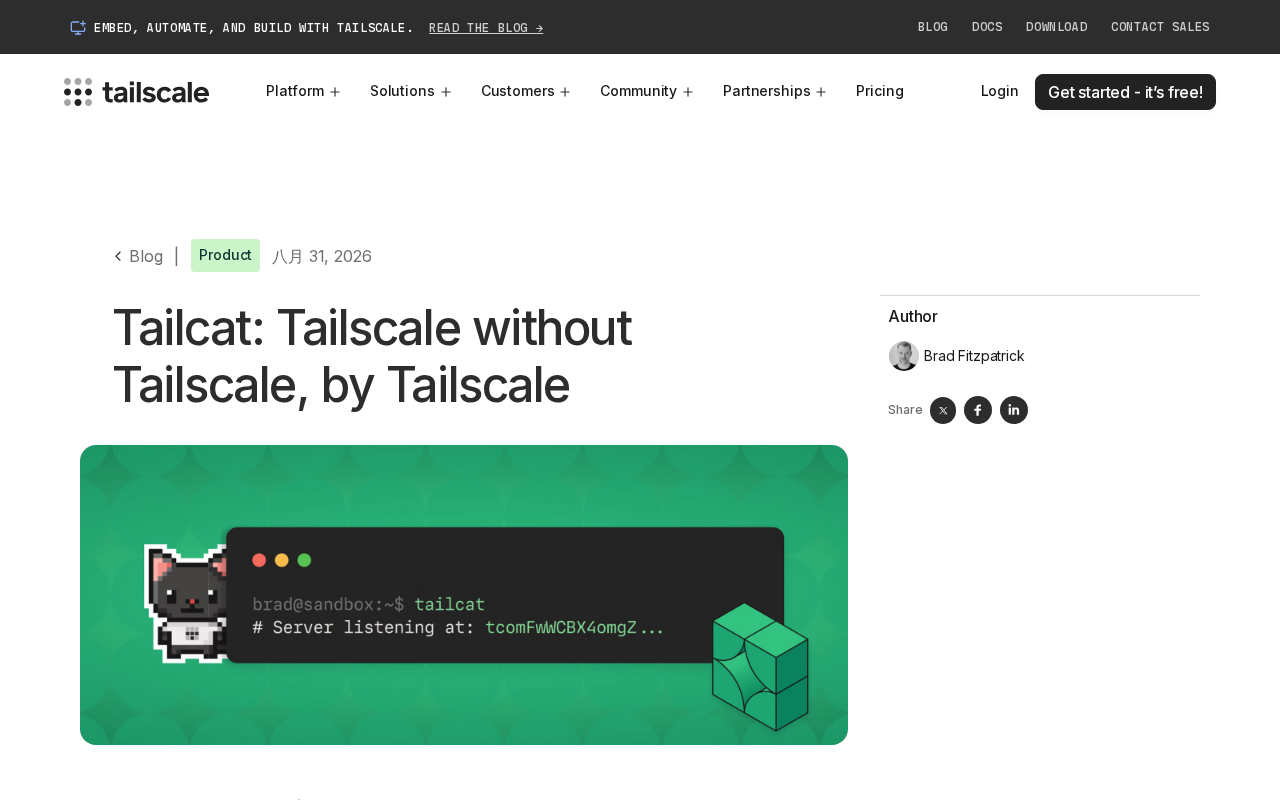
Tailcat: Tailscale's Official Decentralized Minimalist Networking Solution
Tailcat is Tailscale's official decentralized networking project that strips control plane dependencies, offering self-hosting users a more autonomous, privacy-focused WireGuard mesh experience.