Gemini Surpasses 1 Billion MAU: The Distribution Logic Behind Google's Fastest-Growing Product Ever
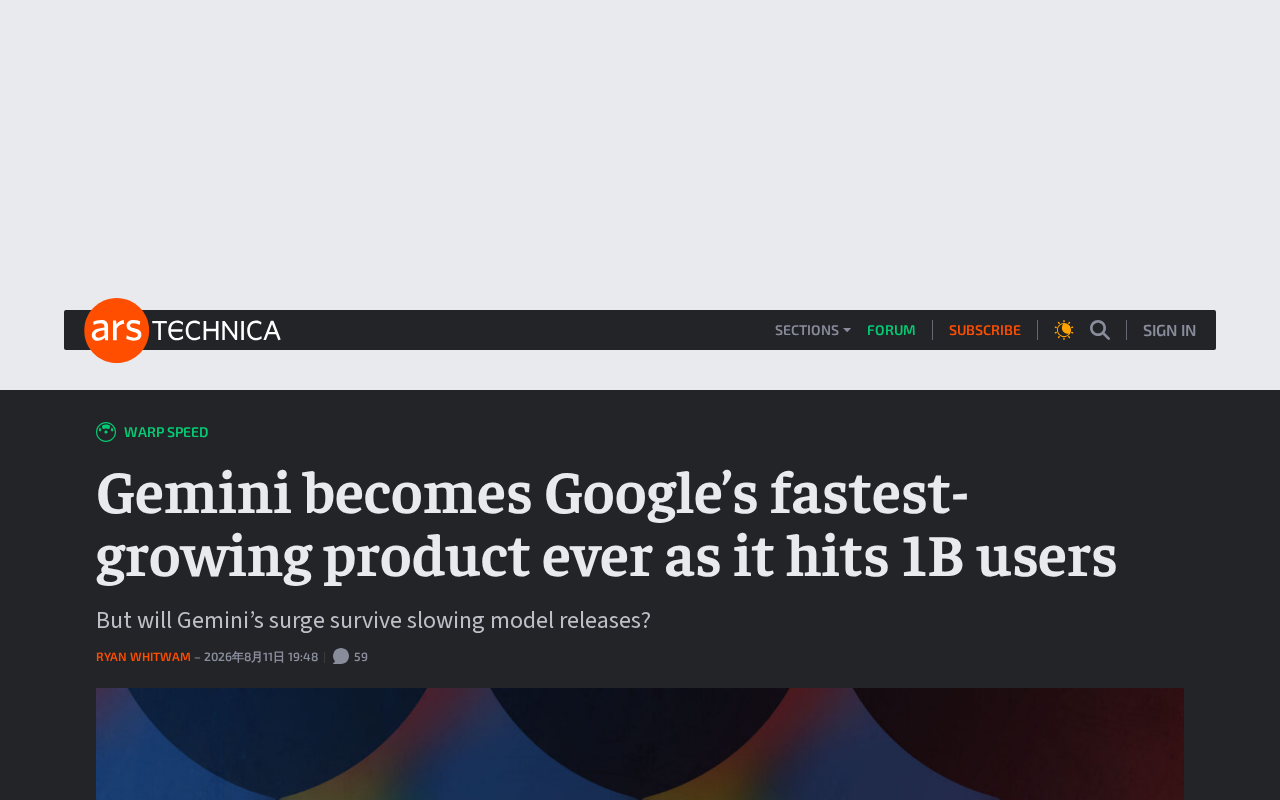
Gemini hits 1 billion MAU by leveraging Google's ecosystem, but monetization challenges remain.
Google's AI assistant Gemini has surpassed 1 billion monthly active users, becoming the fastest-growing product in Google's history. Its explosive growth is driven by deep integration across Google Search, Android, Chrome, and Workspace — a structural distribution advantage pure AI companies like OpenAI and Anthropic cannot easily replicate. However, questions remain about true user engagement versus passive exposure, and Google faces critical challenges in converting massive scale into sustainable revenue amid rising inference costs.
Gemini Sets a New Growth Record for Google Products
Google's AI assistant Gemini recently hit a major milestone — surpassing 1 billion monthly active users to become the fastest-growing product in Google's history. This achievement not only marks Google's strong catch-up in the generative AI race but also reflects the rapidly growing global demand for AI assistant tools.
Generative AI refers to artificial intelligence technologies capable of autonomously producing text, images, code, audio, and other content based on user input, with large language models (LLMs) serving as the core technological foundation. After OpenAI released ChatGPT in November 2022, this field quickly moved from academic circles into the mainstream, triggering an arms race among global tech giants including Google, Microsoft, Meta, and Anthropic. This competition isn't just about model parameter scales and benchmark performance — it's fundamentally about who can first transform AI capabilities into everyday tools for billions of users. Gemini's breakthrough growth is a powerful answer to that very question.
From product launch to crossing the one-billion-user threshold, Gemini achieved this milestone far faster than any of Google's previous star products. Historically, products like Gmail, Chrome, and Android each took years to reach comparable scale. Gemini's explosive growth is largely attributable to Google's massive product ecosystem and distribution channels.
Analyzing the Distribution Advantage Behind Gemini's Growth
Gemini's ability to reach one billion users in such a short time is inseparable from Google's deeply integrated product matrix. Google embedded Gemini into core entry points including Search, Android, Chrome, and the Workspace productivity suite, allowing its enormous existing user base to naturally encounter and use this AI capability during their daily activities.
Google Workspace, Google's cloud-based productivity and collaboration suite for enterprise and individual users, encompasses core products such as Gmail, Google Docs, Sheets, Slides, Meet, and Drive, with a total global user base in the billions. Through "Gemini for Workspace," Google deeply integrated AI into these products. Users can automatically generate email reply drafts, create content in documents using natural language commands, and analyze data in spreadsheets through conversational interactions. This strategy of embedding AI capabilities into existing workflows allows users to experience AI-driven efficiency gains without learning new tools or changing their habits, dramatically lowering the adoption barrier for AI products.
The Multiplier Effect of Ecosystem Entry Points
Unlike standalone AI applications that must acquire users from scratch, Google has a ready-made user base numbering in the billions. When AI features are seamlessly embedded into the search bar, inbox, and documents that users interact with every day, the conversion threshold drops dramatically. This "built-in" distribution strategy represents a structural advantage that pure AI companies like OpenAI and Anthropic find extremely difficult to replicate.
It's worth noting that OpenAI, leveraging ChatGPT's first-mover advantage and Microsoft's cumulative investment of over $13 billion, has established powerful brand recognition in the consumer AI market, and its paid subscription model has validated the commercial potential of AI tools. Anthropic, founded by former core members of OpenAI and focused on AI safety, has demonstrated strong capabilities in long-context processing and code generation with its Claude model series. However, both companies are pure AI firms lacking Google's super-distribution network that spans search engines, browsers, and mobile operating systems. This puts them at an inherent disadvantage in user reach efficiency, forcing them to rely primarily on standalone apps and API interfaces to drive growth.
From Follower to Contender: Reshaping Google's AI Competitiveness
After ChatGPT ignited the generative AI wave in late 2022, Google was widely criticized for being slow to respond. The milestone of one billion Gemini users signals that Google has shifted from playing catch-up to running alongside the leaders. With dual strengths in foundational model R&D (such as the Gemini series of multimodal models) and product distribution, Google has re-established its competitive position in the AI era.
The Gemini model series' core technical differentiator lies in its native support for multiple modalities — text, images, audio, video, and code — designed into the architecture from the ground up. Unlike earlier approaches that stitched together separate models for different modalities, Gemini uses a unified Transformer architecture for end-to-end training, enabling more natural and fluid cross-modal understanding and reasoning. The series is divided into multiple versions — Ultra, Pro, Flash, and Nano — targeting complex reasoning tasks, general-purpose scenarios, high-efficiency low-latency use cases, and on-device deployment, respectively. The Nano version is specifically optimized for mobile, capable of running locally on devices like Pixel phones without an internet connection — one of the technical foundations enabling Gemini's rapid penetration of the Android user base.
Distinguishing User Scale from True Engagement
What you might not have noticed is that measuring an AI product's success can't rely solely on total user count. Because Gemini is deeply tied to Google's existing products, a significant portion of its "users" may be passively exposed rather than actively paying or engaging at high frequency. This is a common point of contention when discussing such metrics — whether high user numbers truly equate to high stickiness and commercial value still requires more granular data on engagement, retention rates, and paid conversion to verify.
The Next Challenge: From Scale to Monetization
For Google, surpassing one billion users is only the first step. How to convert this massive user base into sustainable revenue, and how to balance investment and returns against the backdrop of high inference costs, will be the core tests Gemini faces going forward. At the same time, users' expectations for AI output quality and privacy security continue to rise, making ongoing refinement of the product experience equally critical.
Here it's important to understand the concept of inference costs: a large model's inference cost refers to the computing expenses consumed each time the model responds to a user request after deployment. Unlike the one-time training cost, inference costs are ongoing expenses directly tied to user volume and usage frequency. For a GPT-4-class model, for example, a single complex conversation's inference cost can reach several cents. When the user base reaches the billion-user level, even if each user initiates only a small number of requests per day, the cumulative GPU compute consumption becomes staggering. This is the fundamental reason why major players are actively developing more efficient inference architectures (such as Mixture of Experts, or MoE), model distillation, quantization techniques, and custom AI chips (like Google's TPU and Microsoft's Maia) to reduce per-inference costs. For Gemini, the inference load brought by one billion users means Google must find a precise balance between model efficiency and user experience.
Implications for the AI Industry Landscape
Gemini's rapid rise offers important lessons for the entire AI industry: as general-purpose large model capabilities increasingly converge, distribution channels and ecosystem integration are becoming the decisive variables. Technical leadership certainly matters, but the ability to deliver technology to the broadest possible audience is a test of a company's platform strength.
For startups and smaller AI teams, this trend is both a warning and an opportunity — competing head-to-head with giants on distribution is extremely difficult, but there remains vast room to create differentiated experiences in vertical scenarios and specialized domains. For platform giants like Google and Microsoft, AI capabilities are becoming a new component of their ecosystem moats.
Looking ahead, as new paradigms like multimodal capabilities and AI Agents continue to evolve, competition among AI assistants will enter a deeper phase. AI Agents represent one of the most cutting-edge directions in AI today, referring to AI systems capable of autonomously perceiving their environment, formulating plans, invoking tools, and executing multi-step tasks. Unlike traditional Q&A-style AI assistants, Agents can not only answer questions but also take proactive action — such as automatically booking flights, writing and executing code, or browsing the web to gather information and compose reports. Google's experimental Agent products launched in late 2024, such as Project Mariner and Jules, have already demonstrated Gemini's ability to drive browser operations and code development. The industry widely believes that Agents will be a pivotal step in AI's evolution from "tool" to "assistant" to "colleague," and will profoundly reshape software interaction paradigms and business models. Whoever first achieves a reliable, secure Agent experience may command the high ground in the next phase of AI competition.
Gemini's one billion users mark an important milestone, but the long race for AI products has only just begun.
Related articles
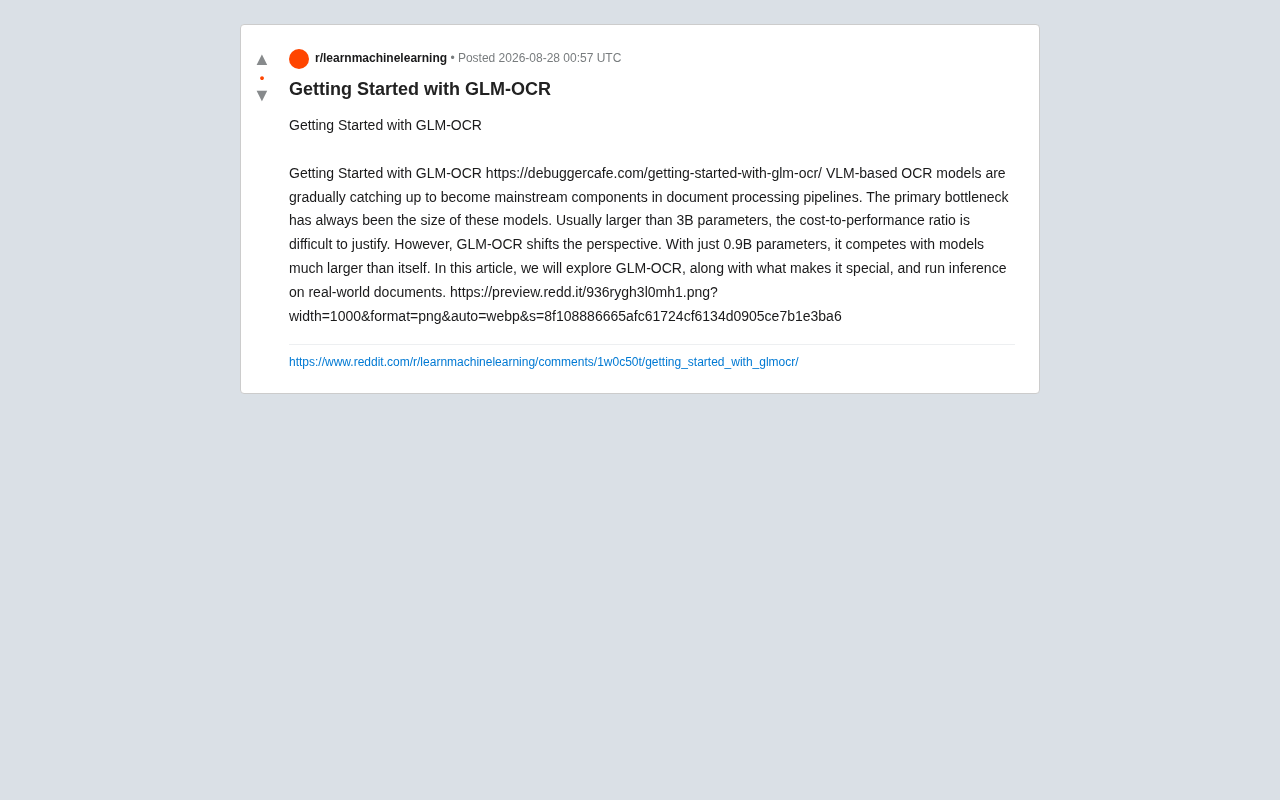
GLM-OCR: How a 0.9B Parameter Lightweight Model is Disrupting Document Recognition
Deep dive into how GLM-OCR achieves document recognition performance comparable to 3B+ large models with only 0.9B parameters. Covers VLM-based OCR evolution, lightweight deployment advantages, and enterprise applications.
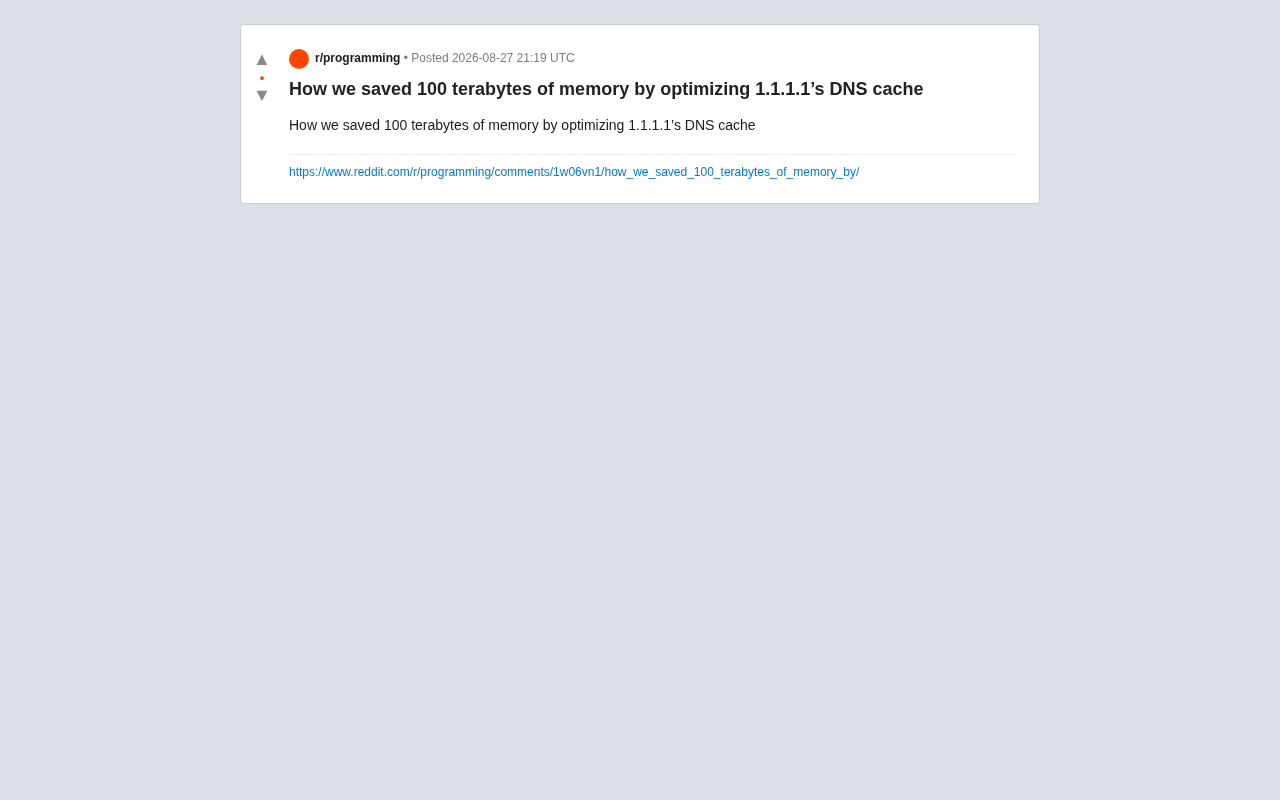
How Cloudflare Saved 100TB of Memory by Optimizing 1.1.1.1 DNS Caching: An Engineering Deep Dive
How Cloudflare optimized 1.1.1.1 DNS cache data structures and memory layout to save 100TB of memory across hundreds of global data centers.
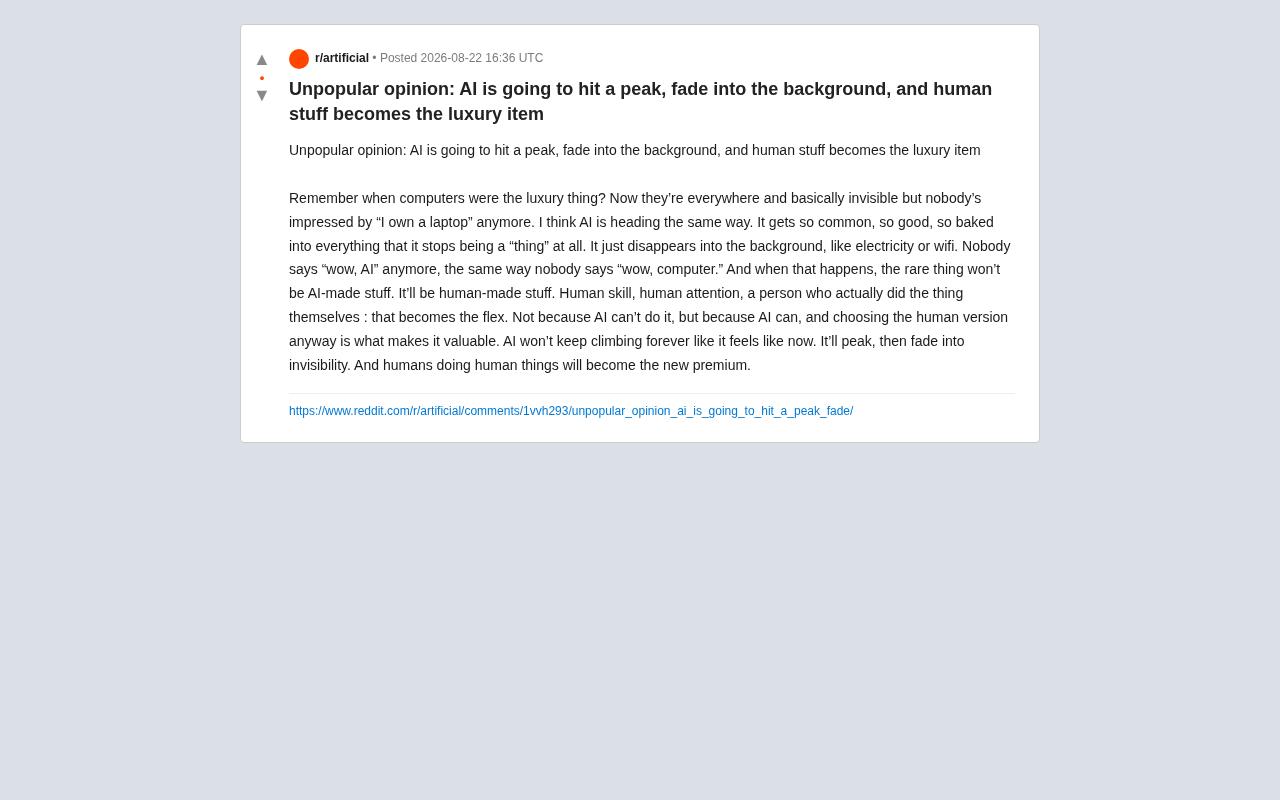
AI Will Eventually Become Invisible: Is Human Craftsmanship the New Luxury?
When AI becomes invisible infrastructure like WiFi, human craftsmanship will become the true luxury. A deep analysis of scarcity economics and tech disenchantment.