GLP-1 Drugs May Slow Biological Aging: Interpreting the New Findings

Claims that GLP-1 drugs slow biological aging remain early-stage exploration lacking RCT validation and should be viewed rationally.
The article discusses the possibility that GLP-1 receptor agonists (such as semaglutide) may slow biological aging, noting the topic originated in tech communities like Hacker News and remains an early-stage research direction. Proponents argue GLP-1 may indirectly influence aging pathways by improving metabolic disorders and reducing chronic inflammation and oxidative stress, but evidence comes mostly from observational data and mechanistic speculation. The consensus is that GLP-1 clearly improves metabolic health; divergence concerns whether it has an anti-aging mechanism independent of weight loss. The article stresses that prescription use should follow medical guidelines and that confirming causality requires long-term trials with aging biomarkers as endpoints.
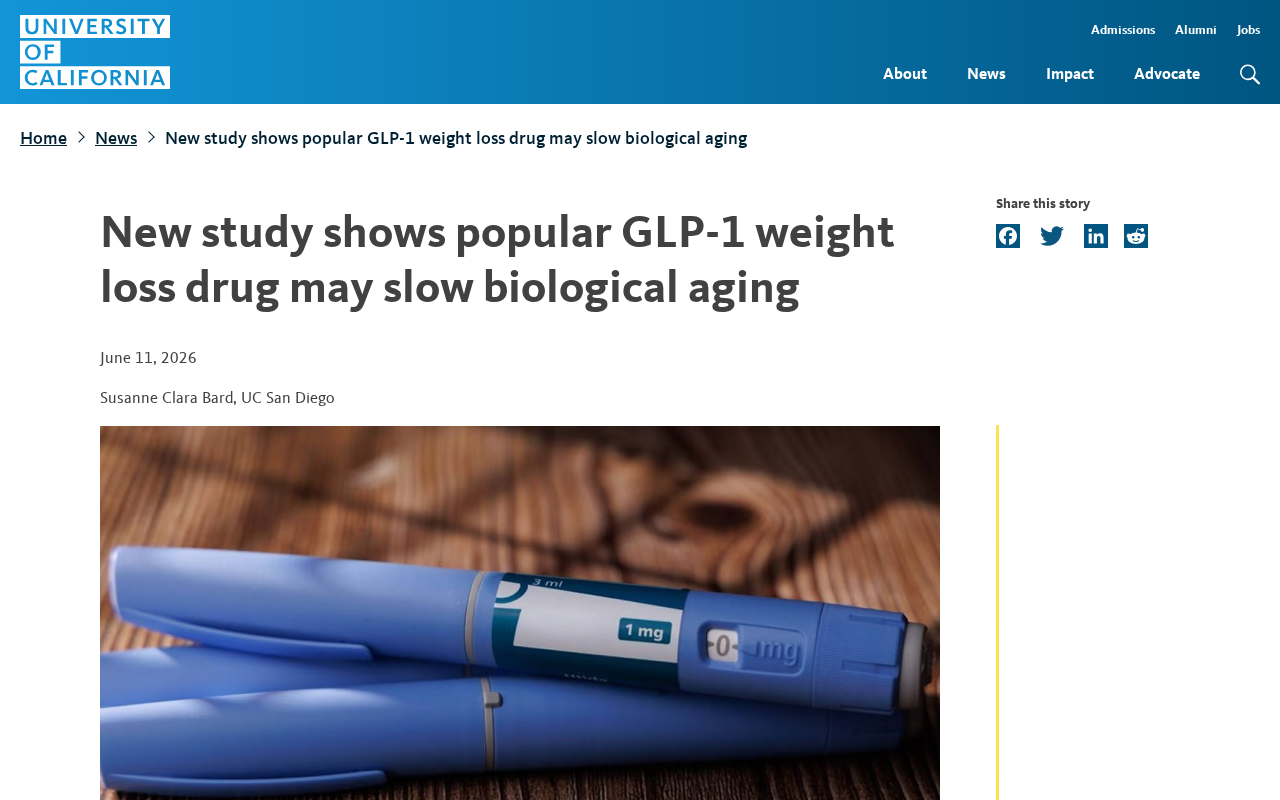
Recently, discussion about whether GLP-1 receptor agonists (such as semaglutide) may slow biological aging has drawn attention in the tech community. The topic first surfaced on Hacker News and subsequently generated cross-platform discussion. It should be made clear that this remains an early-stage research direction, not a confirmed clinical conclusion.
The Potential Link Between Biological Aging and GLP-1
Biological aging differs from calendar age—it is measured through indicators such as cellular function, inflammation levels, and metabolic health. GLP-1 drugs were initially used to treat diabetes and later gained widespread attention for their significant weight-loss effects. In recent years, researchers have begun exploring whether these drugs have broader effects on the aging process beyond weight management.
According to discussions in the Hacker News community and some tech blogs, proponents argue that GLP-1 drugs may indirectly influence aging-related biological pathways by improving metabolic disorders and reducing chronic inflammation and oxidative stress. These arguments are mainly based on observational data and mechanistic speculation, and still lack direct validation from large-scale randomized controlled trials.
Measures of biological aging typically include epigenetic clocks (such as DNA methylation age), telomere length, mitochondrial function, chronic low-grade inflammation markers (such as CRP, IL-6), and metabolic indicators (such as insulin sensitivity and glycemic variability). These indicators reflect the body's functional status from different dimensions, but no single indicator is sufficient to fully define "aging," so clinical trials need to adopt composite endpoints.
GLP-1 receptor agonists work by mimicking endogenous glucagon-like peptide-1, promoting insulin secretion, inhibiting glucagon release, slowing gastric emptying, and acting on central appetite regulation. Their weight-loss effect stems from reduced energy intake, while metabolic improvements (such as glycemic control and reduced inflammation) may indirectly affect some aging-related pathways—but mechanistically, a direct anti-aging effect independent of weight loss has not yet been demonstrated.
Consensus and Divergence Across Multiple Sources
In cross-analysis of multiple independent sources, the consensus centers on one point: GLP-1 drugs clearly improve metabolic health, and metabolic health correlates with aging markers. According to analyses by Bilibili science popularizers and YouTube medical channels, weight loss and glycemic control themselves may improve certain aging indicators, but this is a different proposition from "the drug directly slows aging."
Divergence appears in the strength of evidence. Some commenters cite small studies or preclinical data to argue that GLP-1 has an independent anti-aging mechanism; others emphasize that existing data are insufficient to distinguish drug-specific effects from the indirect benefits of weight loss. This divergence is particularly evident in Hacker News discussions, reflecting the community's emphasis on evidentiary rigor.
Randomized controlled trials (RCTs) are the gold standard for establishing causality. Observational data can suggest correlation but cannot rule out confounding factors (such as healthy-user bias and lifestyle differences). To use "slowing biological aging" as an indication, RCTs would need to prespecify aging biomarkers as primary endpoints and set a sufficiently long follow-up period (usually several years) to capture changes in aging trajectories. Currently, most large GLP-1 trials (such as SELECT and the STEP series) use cardiovascular events or weight change as primary endpoints rather than aging indicators, so direct evidence remains lacking.
Practical Implications for the General Public
For readers concerned about healthy aging, the value of this discussion lies not in chasing an "anti-aging wonder drug" but in understanding the close link between metabolic health and long-term health outcomes. Prescription use of GLP-1 drugs should strictly follow medical guidelines, and their potential anti-aging benefits should not become a reason for self-medication.
From a product-experience perspective, current GLP-1 drugs' performance in weight loss and glycemic management is supported by substantial real-world data, but "slowing biological aging" remains in the realm of frontier research. When encountering such information, readers should distinguish proven efficacy from possibilities still being explored.
Research Outlook and a Rational Perspective
To confirm GLP-1's effects on biological aging, rigorously designed long-term clinical trials are needed, with aging-related biomarkers as primary endpoints and with confounding factors from drug effects versus lifestyle changes distinguished. Until then, related discussions are better treated as references for research directions rather than as a basis for health decisions.
Open-source tools and AI-assisted analysis are playing an increasingly large role in literature mining, helping researchers identify potential associations more quickly. But improved tool efficiency does not change the requirements for evidence levels—moving from hypothesis to conclusion still requires solid clinical validation.
Overall, the link between GLP-1 and biological aging is a scientific question worth watching but still awaiting verification. Maintaining a rational perspective and tracking high-quality research progress is the more prudent attitude at present.
One-line Summary
Claims that GLP-1 drugs slow biological aging remain early-stage exploration lacking RCT validation and should be viewed rationally.
Paragraph Summary
The article discusses the possibility that GLP-1 receptor agonists (such as semaglutide) may slow biological aging, noting that the topic originated in tech communities such as Hacker News and has generated cross-platform discussion, but remains an early-stage research direction. Proponents argue that GLP-1 may indirectly influence aging pathways by improving metabolic disorders and reducing chronic inflammation and oxidative stress, but evidence comes mostly from observational data and mechanistic speculation. The multi-source consensus is that GLP-1 clearly improves metabolic health, with divergence over whether the drug has an anti-aging mechanism independent of weight loss. The article emphasizes that prescription use should follow medical guidelines, that potential anti-aging benefits should not justify self-medication, and that confirming causality requires long-term clinical trials with aging biomarkers as endpoints.
Related articles

M&M's Spent Millions Replacing Artificial Blue Dye — Why Is It So Hard?
Mars spent millions trying to replace artificial blue dye in M&M's with spirulina, but thick material clogs pipes and residue risks mold, forcing a full production-line rebuild. Here's the engineering behind the reformulation.

Teammate Wanted for Meta Global AI Developer Hackathon: Computer Vision & Medical AI
A Reddit developer seeks teammates for the Meta Global AI Developer Hackathon, focusing on computer vision and medical AI. This article analyzes the track logic, skills-complementarity needs, and topic selection strategy behind this teaming signal.
Multiple Claude Models Hit by Errors: A Postmortem of Fable 5.1, Sonnet 5.5, and Haiku 5.5
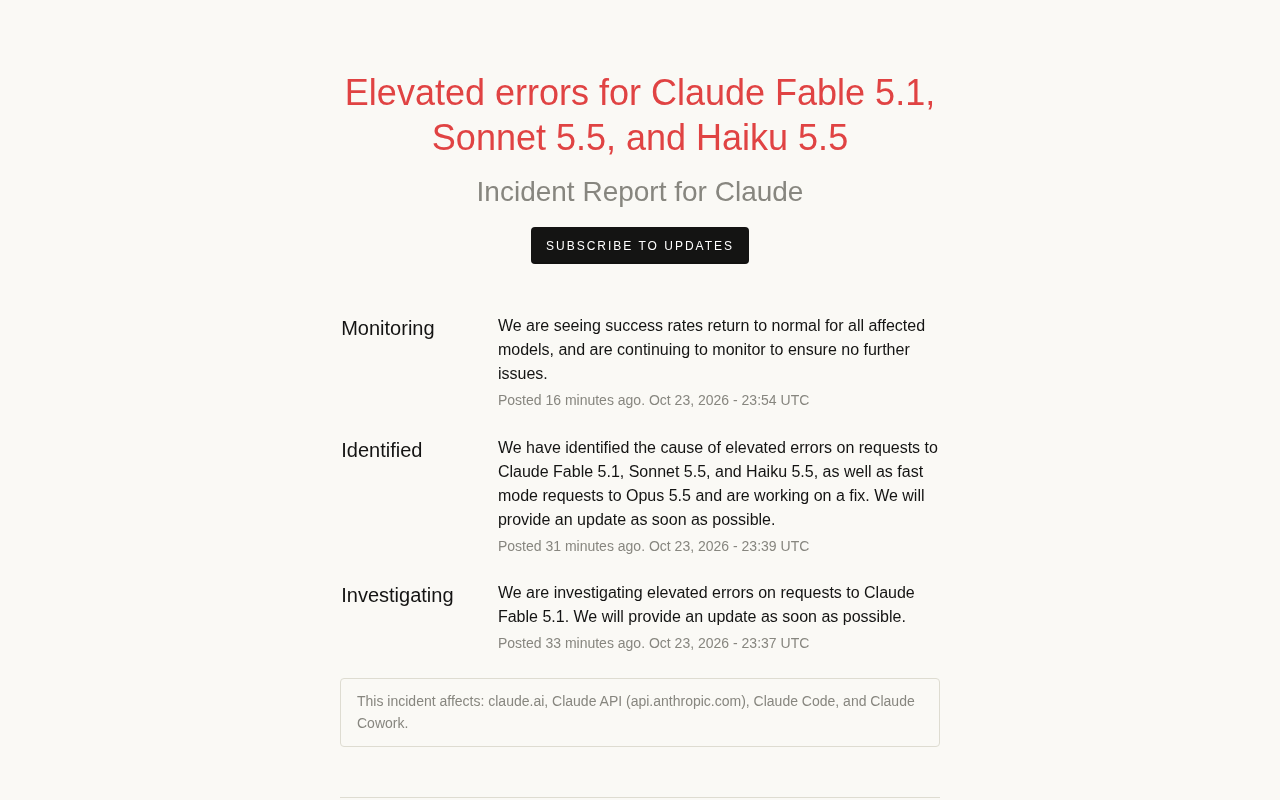
Claude Fable 5.1, Sonnet 5.5, Haiku 5.5, and Opus 5.5 fast mode saw elevated errors; Anthropic identified and resolved the issue in 17 minutes. This postmortem covers the timeline, the technical reasons for the multi-model cascading failure, and practical lessons for retry and degradation strategies.