Good Time to Expand Switch 2 Storage: Samsung 256GB microSD Express Card Price Drop

Samsung 256GB microSD Express card drops to $44.99 on Amazon, offering Switch 2 digital players a chance to expand storage.
The Switch 2's built-in 256GB storage will quickly run out for digital players, and expansion requires the pricier microSD Express card since regular microSD cards can't meet speed requirements. The Samsung 256GB microSD Express card has recently dropped to $44.99 on Amazon, reported by The Verge as a pre-promotion low price, making it attractive for players in urgent need of more storage. A 256GB card plus built-in storage totals 512GB, enough for a good number of large games. The article advises confirming your storage needs, comparing other brands and channels, and notes installation is simple—just insert and format.
The Nintendo Switch 2 comes with 256GB of built-in storage, and for players who prefer digital games, that capacity will quickly be filled by large titles. Expanding Switch 2 storage requires a microSD Express card. These cards look identical to regular microSD cards but offer faster read/write speeds and come at a higher price. Recently, the Samsung 256GB microSD Express card has seen a price drop on Amazon, now selling for $44.99—a good opportunity for players looking to expand storage soon.
Why Is Switch 2 Expansion More Expensive?
The barrier to storage expansion on the Switch 2 is higher than on the original Switch, primarily because it requires microSD Express cards. Regular microSD cards can physically fit into the slot but cannot meet the Switch 2's read/write speed requirements. microSD Express cards achieve faster transfer speeds through a PCIe interface and NVMe protocol, which naturally drives up the cost.
This also means that old microSD cards lying around won't work for Switch 2 expansion. For Nintendo players accustomed to expanding storage with memory cards, this represents an additional expense. The price drop on Samsung's 256GB model reduces the cost of expansion to some extent.
microSD Express is a memory card standard released by the SD Association in 2019. While retaining the traditional microSD physical dimensions and pin layout, it adds an additional PCIe 3.1 x1 lane and NVMe protocol interface. Traditional microSD cards use the UHS-I bus with a theoretical bandwidth ceiling of about 104MB/s; microSD Express, leveraging the PCIe lane, can achieve theoretical peak speeds approaching 985MB/s, with actual sequential read speeds typically exceeding 800MB/s—much closer to built-in flash storage performance. This design allows games to load directly from the card without first copying to internal storage. However, because it requires an additional controller and higher-spec flash memory chips, microSD Express cards cost significantly more than regular cards of the same capacity—which is the fundamental reason the Switch 2 expansion barrier is higher.
Samsung 256GB microSD Express Card Price Drop Details
According to tech media outlet The Verge, the Samsung 256GB microSD Express card has dropped to $44.99 on Amazon. The report notes that this price appeared before a promotional event, making it attractive for Switch 2 users in urgent need of storage expansion.
Note that $44.99 is the price for the 256GB capacity. If players need more storage, they may want to consider higher-capacity models, though prices will rise accordingly. For most players, 256GB plus the built-in 256GB—512GB total—is enough to hold a considerable number of games.
Things to Know Before Buying
First, confirm that your Switch 2 actually needs expanded storage. If you mainly play physical cartridges and don't juggle many games at once, the built-in 256GB may suffice. But if you frequently buy digital games—especially large titles like Cyberpunk 2077—expansion is almost essential.
Second, microSD Express card prices fluctuate considerably, with notable differences between brands and capacities. Samsung's $44.99 price is on the lower end recently, but it's worth comparing other channels and brands before purchasing.
Finally, installing a microSD Express card is not complicated. The Switch 2's card slot is located on the top of the device; after insertion, the system will prompt you to format the card. Once formatted, the new card is ready for storing games and data.
NVMe (Non-Volatile Memory Express) is a host controller interface protocol designed specifically for flash storage. It runs on the PCIe bus, replacing the AHCI protocol designed for mechanical hard drives. Compared to traditional protocols, NVMe significantly streamlines the command path and supports deep command queues (up to 64K queues with 64K commands per queue), substantially reducing latency and improving random read/write performance. microSD Express cards carry the NVMe protocol over the PCIe interface, which is how they achieve near-SSD transfer speeds in such a tiny card. For the Switch 2, this means game loading, scene transitions, and asset streaming approach the experience of built-in storage, rather than the noticeably slower read performance of previous memory cards.
Is It Worth Buying?
From a price perspective, getting a 256GB microSD Express card for $44.99 is considerably cheaper than usual. If you've just picked up a Switch 2 or your built-in storage is already running low, this price drop is worth watching. But if you don't have extreme speed requirements, you could also wait for promotions from other brands.
Overall, Switch 2 storage expansion costs more than on the original Switch, but Samsung's price drop makes it relatively affordable. For digital game players, this is an investment worth considering.
Related articles

David Fincher's New Film Accused of Being AI-Generated? The Truth Behind the Controversy
David Fincher's new film *The Further Misadventures of Cliff Booth* is accused of using AI, with a carriage shot in the trailer sparking controversy. Netflix's acquisition of Ben Affleck's AI company and Fincher's own openness to AI keep suspicions alive. This article sorts out the controversy and the views of all sides.
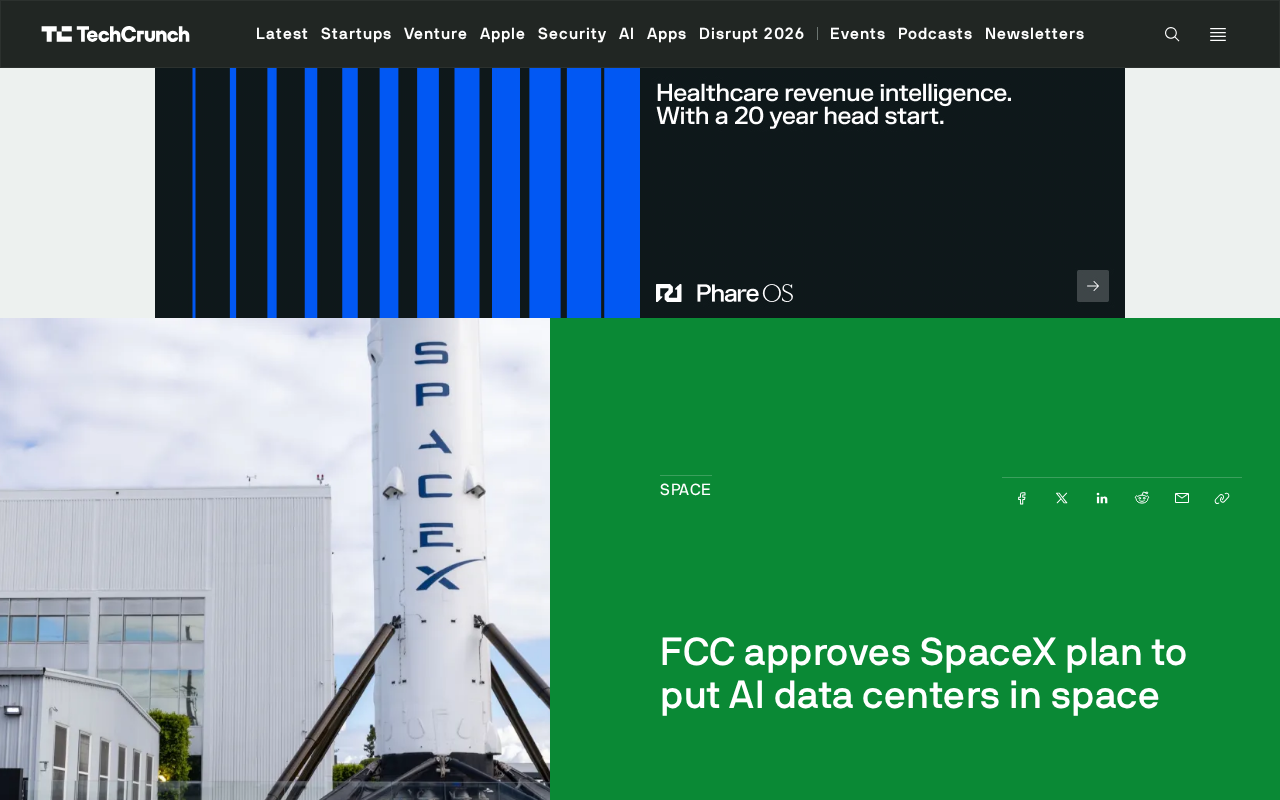
FCC Clears SpaceX's Space-Based AI Data Centers: A Debate Over Regulatory Boundaries
The FCC approved SpaceX's plan to deploy AI data centers in space but dismissed opponents' key concerns about scientific research impacts as beyond its regulatory authority. This article analyzes the regulatory boundary issues behind the decision, the deeper tensions of space-based AI infrastructure, and its implications for the industry.

Why Are Latinos Nearly Half of the U.S. Border Patrol?
Latinos hold nearly half of the U.S. Border Patrol and about 30% of ICE. Vox's Khalil Green explores their motivations, identity tensions, and why enforcement work ≠ MAGA.