Google Chrome Officially Lands on ARM64 Linux with Built-in Widevine DRM Support

Google Chrome arrives on ARM64 Linux with built-in Widevine DRM for seamless HD streaming.
Google has officially released Chrome for ARM64 Linux, featuring built-in Widevine DRM support. This long-awaited update enables ARM device users — from Raspberry Pi to ARM laptops and workstations — to enjoy HD streaming from Netflix, Disney+, and other platforms without workarounds. The release marks a significant milestone for the ARM desktop ecosystem and signals growing mainstream software support for the platform.
Chrome Now Officially Supports ARM64 Linux
For a long time, Linux desktop users on ARM64 (also known as aarch64) devices have lacked an official version of Google Chrome. ARM64 is a 64-bit instruction set architecture designed by ARM, based on a Reduced Instruction Set Computing (RISC) philosophy — each instruction performs a simpler operation but consumes less power. While this architecture initially dominated mobile devices and embedded systems, its excellent performance-per-watt ratio has driven massive expansion into desktop and server markets in recent years.
Although open-source Chromium-based browsers have long supported the ARM architecture, the absence of official Chrome meant users couldn't access a range of Google's proprietary features — including sync services, automatic updates, and critically, DRM support. To understand this distinction: Chromium is Google's open-source browser project, while Chrome is the commercial product built on top of Chromium with additional proprietary components. Both share the same Blink rendering engine and V8 JavaScript engine, but Chrome includes closed-source modules like Google Account sync, automatic update mechanisms, crash reporting, and Widevine DRM. Due to licensing restrictions, Linux distributions can only offer Chromium in their software repositories — users who need the full Chrome experience must download and install it from Google's official channels. Now, Google has finally brought an official Chrome build to the ARM64 Linux platform, marking an important milestone for the growing ARM device ecosystem.
With the success of Apple's M-series chips and continued efforts from Qualcomm, MediaTek, and other manufacturers in the ARM laptop market, ARM64's share of desktop and portable devices is steadily climbing. The launch of Apple's M-series chips was a landmark event — their performance-per-watt even surpassed many x86 processors, shattering the long-held belief that ARM was only suitable for low-power scenarios. In the server space, AWS Graviton processors have become a major force in cloud computing, Ampere Computing's Altra series has gained widespread adoption in the enterprise market, and NVIDIA has launched ARM-based Grace CPUs for high-performance computing and AI inference workloads. A wide range of Linux-powered ARM devices — from Raspberry Pi to various ARM servers and workstations — will directly benefit from this update.
Built-in Widevine DRM: The Key to Unlocking Streaming Playback
The most noteworthy aspect of this release is that Chrome for ARM64 Linux comes with the Widevine DRM (Digital Rights Management) component built in. This feature is crucial for streaming media consumers.
Why Widevine DRM Is Essential
Widevine is Google's DRM technology, widely adopted by major streaming platforms like Netflix, Disney+, Amazon Prime Video, and Spotify to protect copyrighted content. From a technical standpoint, Widevine is a complete DRM ecosystem with three security levels: L1, L2, and L3. L1 requires all content processing and encryption operations to occur within a Trusted Execution Environment (TEE) and can play protected content at up to 4K resolution. L3 implements encryption through software only and is typically limited to 720p or 480p playback quality. In desktop browsers, Widevine typically exists as a CDM (Content Decryption Module), functioning as a browser component that handles Encrypted Media Extensions (EME) API requests. Streaming platforms deliver decryption keys to clients through license servers, and the entire process is completely transparent to users.
Without Widevine support in the browser, users on these platforms can often only watch low-resolution content — or may be unable to play videos at all.
Previously, ARM64 Linux users relying on open-source Chromium or Firefox frequently encountered missing or version-mismatched Widevine components, severely degrading their streaming experience. Many users resorted to workarounds like manually downloading Widevine libraries and modifying configuration files — a cumbersome process with unreliable stability. The root cause of this predicament was that the Widevine CDM is a closed-source Google component, and its ARM64 Linux version had never been publicly distributed. The community could only obtain it through unofficial channels like extracting it from ChromeOS images, and each version update risked breaking compatibility.
With official Chrome now shipping Widevine built-in, ARM64 Linux users can finally watch HD streaming content out of the box, without any additional configuration.
Impact of Chrome ARM64 Linux on the Desktop Ecosystem
This update reflects Google's clearly increasing commitment to the Linux desktop platform — particularly on ARM architecture. In the past, mainstream commercial software support for Linux ARM64 lagged behind, forcing users to rely on community-maintained alternatives or complex workarounds. This lag was partly due to the relatively small ARM64 Linux desktop user base, giving commercial software companies insufficient economic incentive for adaptation. Another factor was the significant hardware differences among various SoC manufacturers in the ARM ecosystem, which increased the cost of software testing and maintenance.
As the most essential daily application on any desktop system, having official browser support significantly lowers the barrier for users migrating from x86 to ARM platforms. As more software vendors follow suit with native ARM64 Linux support, the platform's practicality and appeal will grow accordingly. It's worth noting that this migration isn't simply a matter of recompilation — ARM64 and x86 differ in memory models, SIMD instruction sets (ARM's NEON/SVE versus x86's SSE/AVX), and certain low-level behaviors, meaning additional engineering effort is needed to ensure application performance and stability on ARM64.
Which User Groups Will Benefit
- Linux users on ARM devices: This includes users running Linux on ARM laptops (such as devices with Qualcomm Snapdragon processors, Pinebook Pro, etc.), Raspberry Pi (particularly the Pi 4 and Pi 5 with 4GB/8GB RAM), ARM workstations, and similar hardware. They can now enjoy a Chrome browsing experience consistent with x86 platforms.
- Streaming media consumers: Users can now properly access HD streaming services like Netflix and Disney+ that rely on Widevine on ARM64 Linux devices, no longer restricted to low quality or unable to play content at all. This is especially important for users who use devices like Raspberry Pi as home media centers.
- Developers and testers: Developers who need to test web application compatibility in ARM64 Linux environments can now use official Chrome as a standard baseline browser for debugging. This includes verifying WebAssembly performance on ARM64, testing Progressive Web App (PWA) behavioral consistency, and ensuring web applications have no rendering differences across architectures.
Conclusion and Outlook
Google Chrome landing on ARM64 Linux with built-in Widevine DRM may appear to be just a routine platform adaptation, but it reflects the increasingly important role of ARM architecture in desktop and server domains. As the ARM ecosystem continues to expand, native support from mainstream applications is shifting from the exception to the norm. This trend, combined with the rise of other RISC architectures like RISC-V, collectively challenges x86's long-standing dominance and points toward a future of computing platform diversification.
For the Linux community, this change not only tangibly improves the daily user experience but further validates ARM64's maturity as a first-class computing platform. Going forward, there's every reason to expect more commercial software to join the ranks of official ARM64 Linux support, making this platform a truly viable choice for mainstream users. As major Linux distributions (such as Ubuntu, Fedora, Debian, and others) continue to refine their ARM64 support, and given the inherently architecture-agnostic advantages of containerization and cloud-native technologies, the application prospects for ARM64 Linux are becoming increasingly promising.
Related articles

PGP-Clinical-TimeKAN: A Detailed Guide to the Multivariate Physiological Indicator Joint Prediction Framework
An in-depth analysis of the PGP-Clinical-TimeKAN framework for joint probabilistic prediction of multivariate physiological indicators, covering trajectory-first paradigm, KAN message passing, MIMIC-IV validation, and ablation studies.
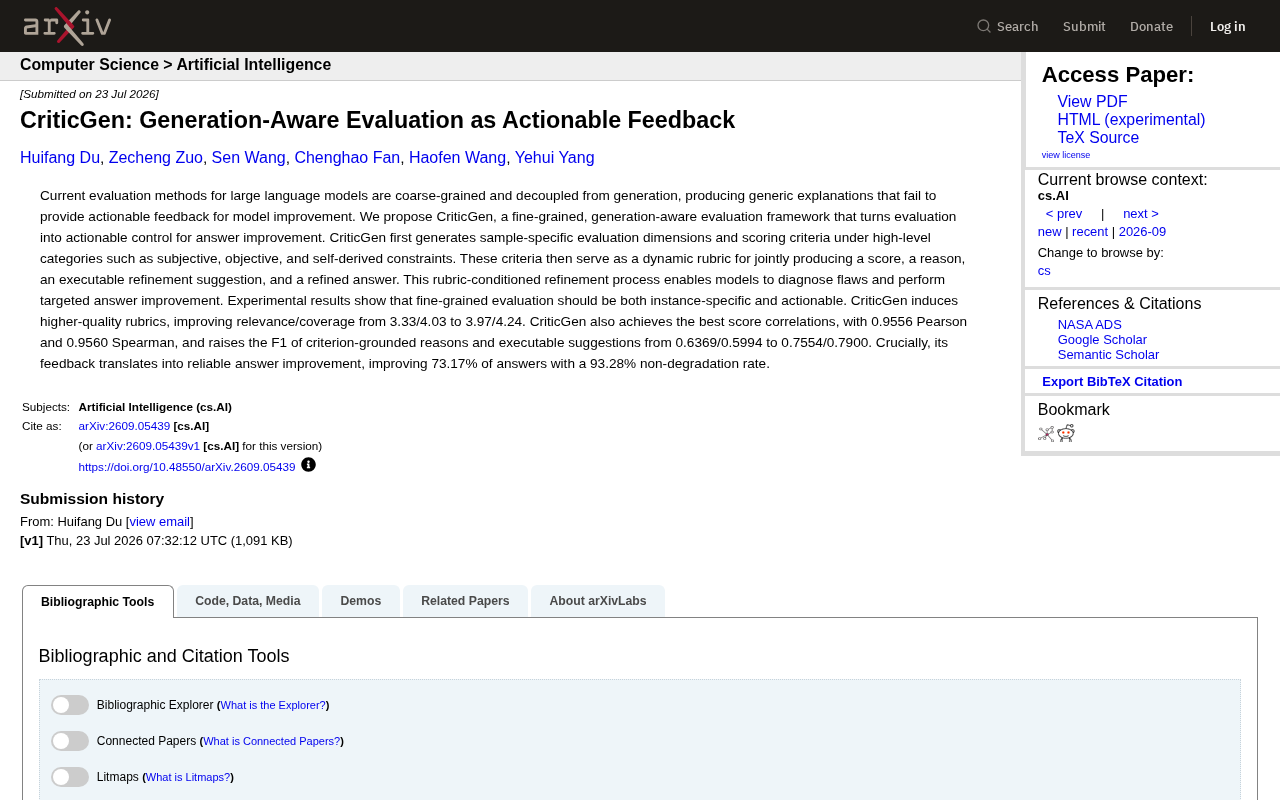
CriticGen: A New Framework That Transforms AI Evaluation into Actionable Improvement Feedback
CriticGen proposes a generation-aware evaluation framework that transforms AI assessment from passive scoring to an active optimization loop, achieving 73.17% answer improvement and 93.28% non-degradation rate.
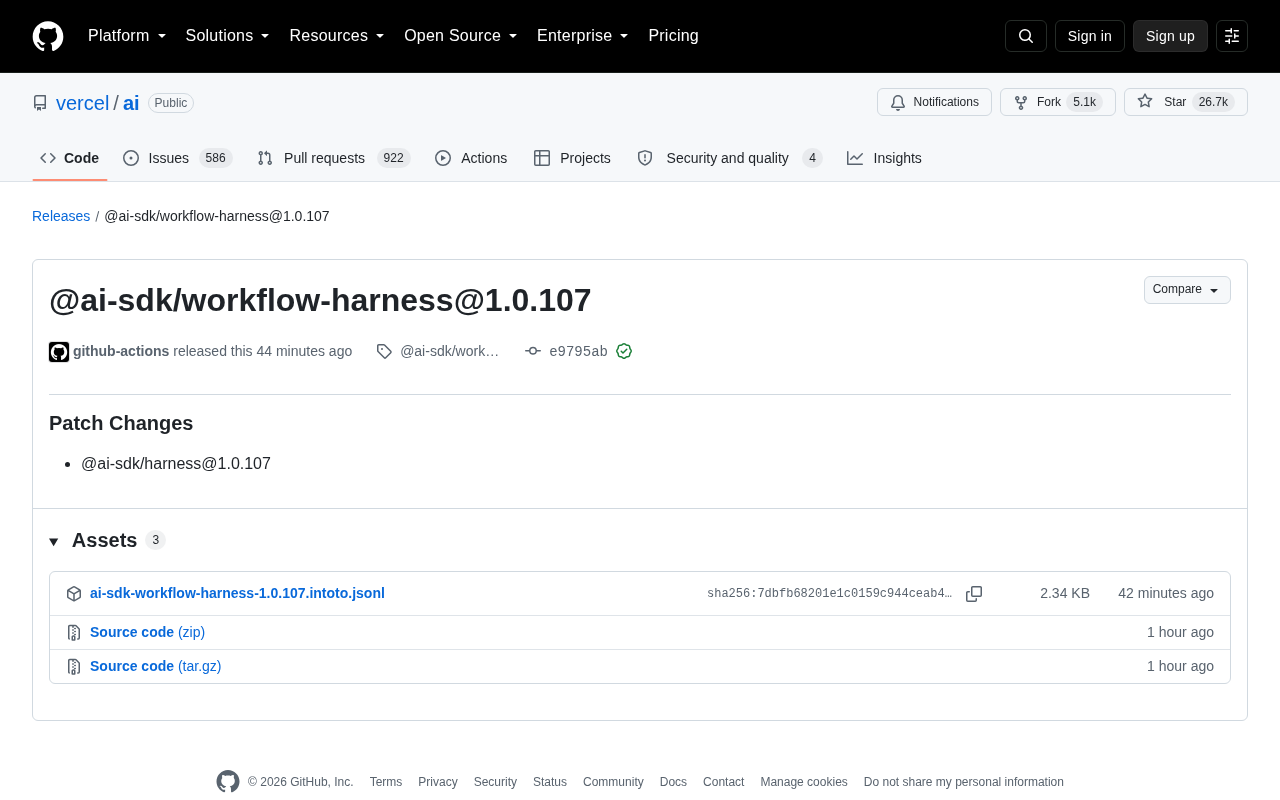
Vercel AI SDK workflow-harness Update Analysis
Deep analysis of Vercel AI SDK workflow-harness 1.0.107 update: architecture design, engineering practices, and developer value for building reliable AI apps.