Google Teams Up with Fashion Designers: AI Tool Flow Makes Its Way to New York Fashion Week
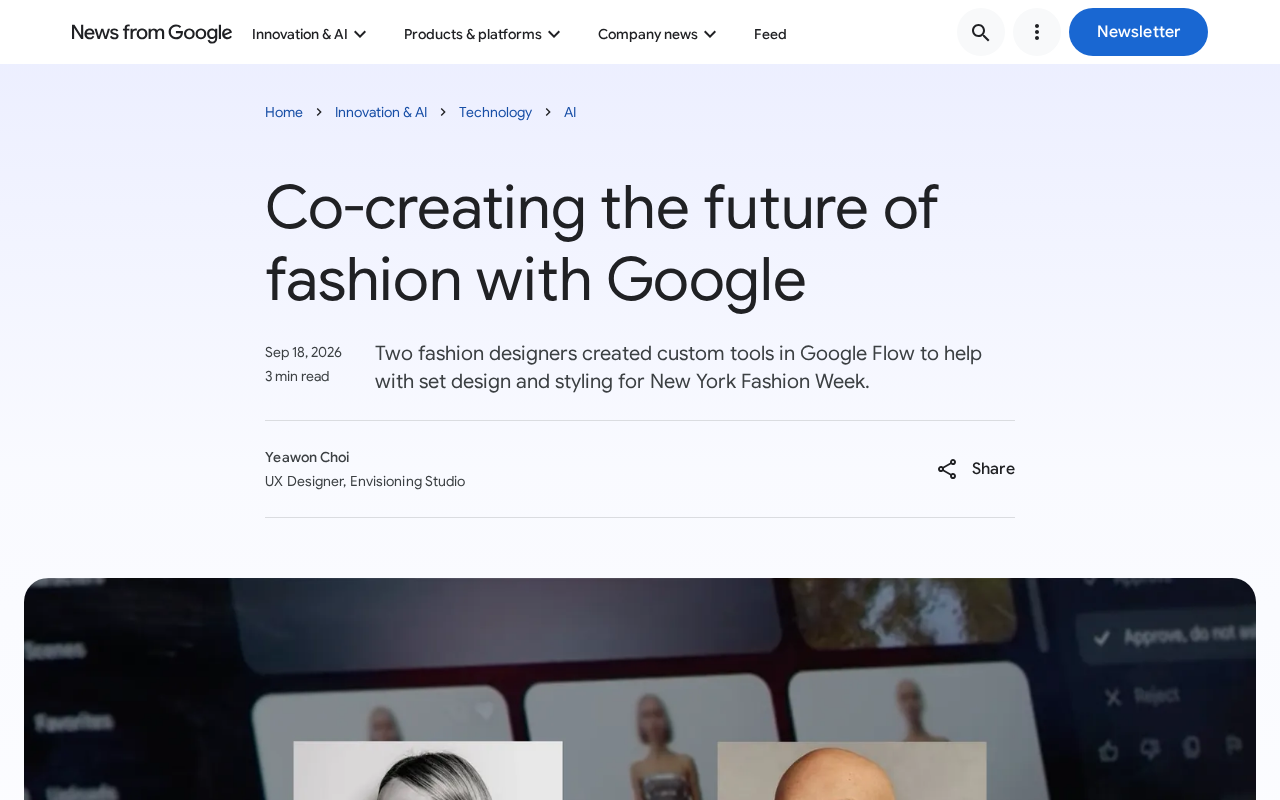
Google co-created a custom Flow AI tool with top designers to power New York Fashion Week preparations.
Google partnered with designers Jane Wade and Sergio Hudson to build a customized version of its Google Flow creative tool for New York Fashion Week preparations. Rather than handing over a ready-made product, Google worked side-by-side with the designers in a true co-creation model, shaping the tool around real creative needs. The move reflects a broader trend of generative AI capabilities flowing into vertical creative industries — packaging foundation model power as industry-specific workflows to reduce prep time and build trust among creative professionals.
When AI Meets High Fashion
Google is extending the reach of generative AI into a domain that few tech giants have deeply cultivated — high fashion. According to Google's official blog, the company collaborated closely with renowned designers Jane Wade and Sergio Hudson to build a customized version of its Google Flow creative tool specifically for New York Fashion Week (NYFW) preparations.
This wasn't simply a matter of handing designers an off-the-shelf AI product. It was a genuine act of co-creation. Google emphasized that its team worked "side-by-side" with the designers, meaning the tool's features, functionality, and workflows were all shaped around the designers' real creative needs — rather than asking creativity to bend to technology.
The Significance of Customizing Flow
Google Flow was previously seen primarily as a general-purpose AI creative platform for content generation. Adapting it specifically for fashion design reflects a broader trend: the capabilities of large foundation models are trickling down into vertical industries, forming "industry-specific workflows."
For the fashion world, every stage — from inspirational sketches and fabric textures to finished garment presentation — demands an exceptionally high standard of visual expression. If a customized AI tool can assist at these stages — for instance, by rapidly generating design concept visuals, visualizing fabric combinations, or simulating how finished garments look — it could significantly cut down the time spent on early-stage preparation, freeing designers to focus their energy on decisions that truly require human aesthetic judgment.
Why Co-Create with Designers?
Google's chosen approach is worth noting: rather than launching a generic fashion design AI, the company first partnered with two stylistically distinct designers — Jane Wade and Sergio Hudson. This approach allows the tool to be stress-tested in a real, high-pressure creative environment (NYFW prep), and it's far more likely to earn the trust of the creative industry toward AI tools.
Creatives often have complicated feelings about AI — worried about being replaced, and concerned about whether a tool truly understands creative intent. The co-creation model addresses these concerns to a meaningful degree. The tool was shaped with the designers' involvement, rather than imposed from the top down.
Google Flow is Google's AI creative platform built on the Gemini model, originally positioned for multimodal generation across video, image, and text content. Its core capabilities include driving image synthesis through natural-language descriptions, style transfer, and rapid visualization of scene concepts. Its key differentiator from tools like Adobe Firefly and Midjourney lies in its deep integration with Google's search and knowledge graph capabilities, which theoretically allows it to better interpret culturally contextualized creative prompts.
The central challenge in bringing Flow into fashion design is this: fashion creation demands highly precise visual control over material sheen, silhouette proportions, and fabric drape — areas where general-purpose image generation models have historically been unreliable. The customization work in this collaboration likely involved targeted fine-tuning or workflow packaging specifically for fashion-specific needs like fabric texture rendering and garment pattern reconstruction.
Jane Wade is known for her clean, American minimalism, with a clientele of quality-conscious professional women. Sergio Hudson, on the other hand, is celebrated for bold silhouettes and striking color, having dressed figures like Michelle Obama, representing a far more expressive design language. The sharp contrast in their styles allowed Google to test Flow's adaptability across radically different creative contexts in a single collaboration. This "pressure test" approach to co-creation — rather than partnering with designers of similar aesthetics — is better at exposing the tool's limitations, and more likely to produce workflow methodologies with broad, transferable value.
A Signal of Tech and Creative Industry Convergence
Zooming out, this collaboration is another landmark moment in the convergence of the tech industry and creative fields. Fashion Week is the fashion industry's most important showcase. Google's decision to deploy its AI tools here carries both practical value and a clear brand and narrative intent — demonstrating to the world that generative AI can serve high-bar artistic creation, not just act as a productivity utility.
For the broader industry, this kind of partnership offers a replicable template: when AI enters professional creative domains, the most effective entry point may not be replacing people, but becoming a new brush in the designer's hand.
A Note on Information Limitations
It's worth being transparent: the publicly available source material is limited. Google has not yet disclosed the specific features, technical implementation details, or actual outcomes of the customized Flow tool at NYFW. This article is an analytical interpretation based on the core information in the official blog post. Further details await Google's future announcements.
Related articles
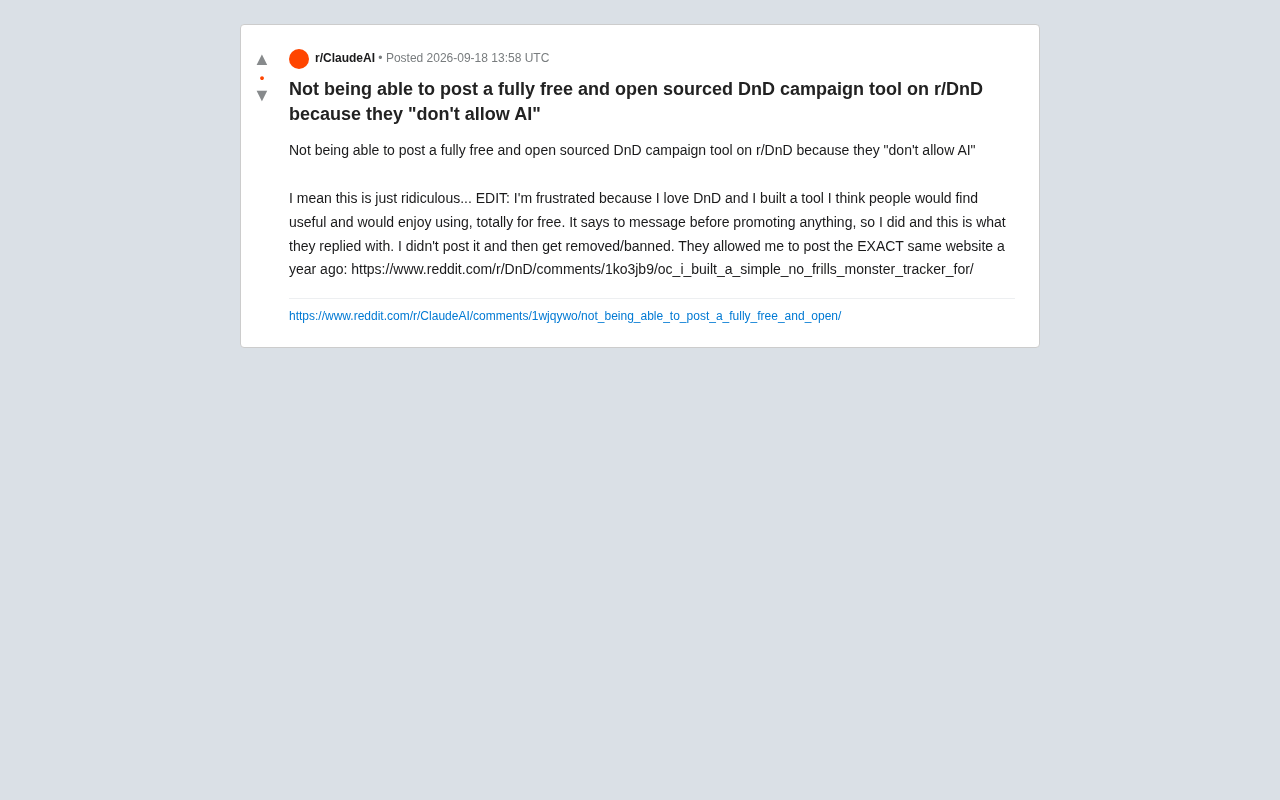
Free Open-Source Tool Rejected: The Community Controversy Sparked by r/DnD's AI Ban
A free open-source DnD campaign tool was rejected by r/DnD's AI ban — yet the same tool was approved a year ago. The case highlights the blurry line between AI tools and AI-generated content.

What LLMs Can You Run with 1.9TB of RAM? Exploring the Ceiling of Local AI Deployment
A Reddit user with 1.9TB of RAM sparked debate about local LLM deployment. We break down what massive RAM enables, where CPU inference falls short, and the real bottlenecks.
Researchers Use Claude to Hack OpenAI Systems: A New Wake-Up Call for AI Security
Security researchers used Anthropic's Claude to breach OpenAI systems, taking over employee accounts and accessing internal repos. What this means for AI security.