GTA VI PC Port Project Taken Down by Take-Two, Fan Recompilation Dreams Dashed
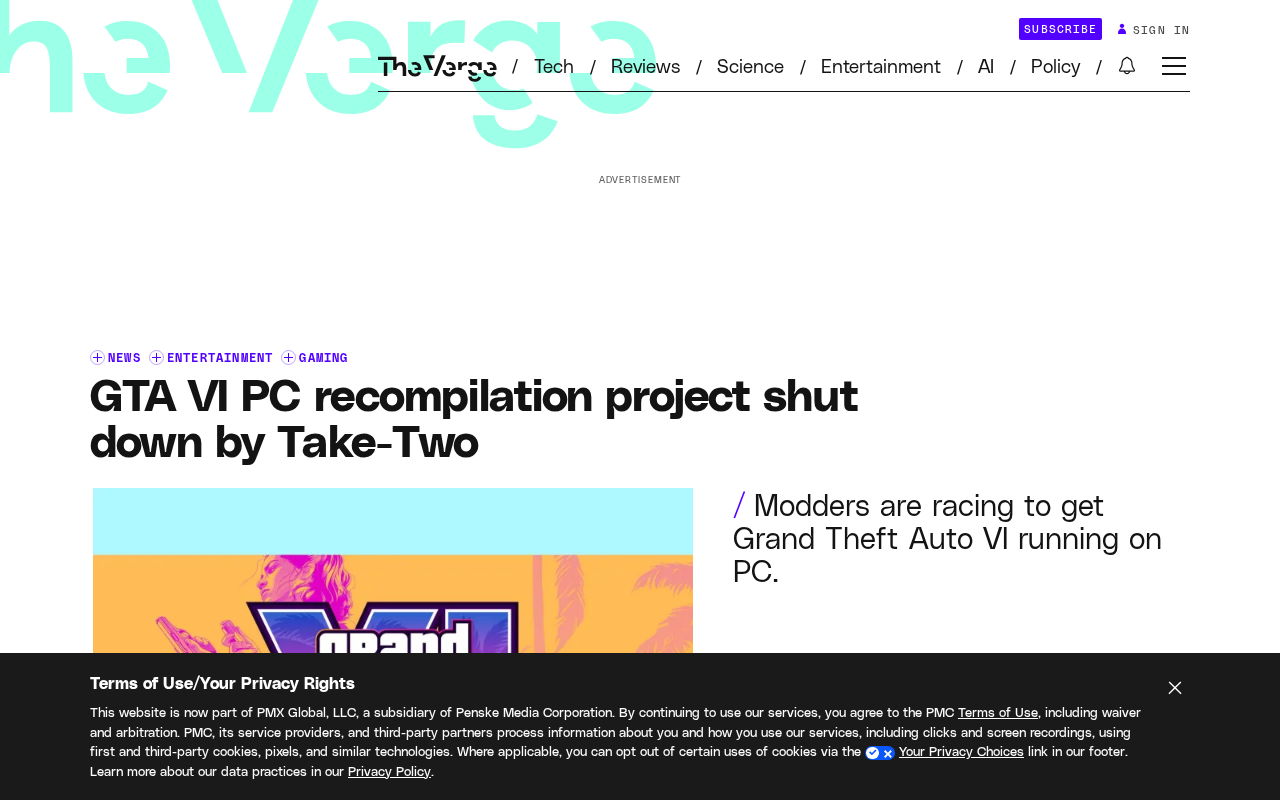
Take-Two has taken down Leonida, a GTA VI fan recompilation project by a 15-year-old developer based on a leaked build, via DMCA.
The fan project Leonida, initiated by 15-year-old developer NotRexed, attempted to translate the leaked GTA VI Xbox build to PC but disappeared after receiving a DMCA takedown notice from publisher Take-Two. The project involved binary translation or static recompilation techniques and required handling graphics APIs, memory management, and other challenges, reflecting the maturity of modding toolchains while also highlighting the legal risks of using leaked material. Take-Two actively protects intellectual property, and such takedowns are not isolated. The incident has sparked discussion in the modding community about balancing copyright and creativity and serves as a reminder to young developers about legal boundaries. PC players will still need to wait for an official version in the short term, as fan projects are difficult to sustain.
Event Overview: Leonida Project Struck Down by DMCA
The game modding community has been trying to bring GTA VI to PC, but one high-profile project came to an abrupt halt today. According to RSS feed reports, the fan project Leonida, initiated by 15-year-old developer "NotRexed," has disappeared after receiving a DMCA takedown notice from GTA VI publisher Take-Two.
Leonida was designed to translate the leaked GTA VI Xbox build to run on PC. Although the original article did not disclose specific technical details, the term "translate" suggests the project may have involved binary translation or recompilation techniques to execute console code in a PC environment.
Technical Background: Why Fan Recompilation Is Appealing
Fan recompilation projects typically use reverse engineering and dynamic translation to let games from older consoles or titles without PC releases run on new hardware. Such projects are not uncommon in the modding community—for example, teams have previously succeeded in porting certain console-exclusive games to PC.
What made Leonida special was that it targeted GTA VI, which has not yet been officially released. The original article mentions the project was based on a "leaked Xbox build," which directly touches the most sensitive nerve of rights holders—the use of leaked material and unauthorized distribution.
From a technical perspective, translating an Xbox build to PC requires handling differences in graphics APIs, memory management, and input system adaptation. That a 15-year-old developer could advance such a project reflects the maturity of contemporary modding toolchains, but also highlights the uncontrollable legal risks.
Binary translation and static recompilation are two technical approaches that are often confused. Binary translation dynamically converts console instructions into PC-executable instructions at runtime, typically represented by JIT in emulators; static recompilation, on the other hand, disassembles the entire executable before runtime and regenerates C code or PC-native code, which is then compiled into a local program. The latter can achieve better performance but requires precise handling of self-modifying code, function pointers, and platform-specific hardware behavior. The "translation" claimed by Leonida is closer to static recompilation, which requires adaptation for the Xbox build's PowerPC or x86 instruction set, graphics APIs (such as DirectX variants), and memory layout. Such projects typically rely on reverse engineering toolchains such as Ghidra, IDA Pro, and community-maintained symbol maps, with an extremely high technical barrier.
Legal and Community Reaction: The Deterrent Power of DMCA
Take-Two is known for actively protecting intellectual property, and this DMCA takedown is not an isolated case. The original article clearly states that the takedown notice came from GTA VI publisher Take-Two and that the project has "disappeared." This sends a clear signal: even if a project is initiated by an individual developer and involves no commercial profit, using a leaked build will still trigger legal action.
The modding community's attitude toward such events is often divided: some believe fan projects can extend a game's lifecycle and demonstrate technical passion; others worry that misuse of leaked material will undermine industry trust. Leonida's fate may make similar projects more cautious, or even push them underground or toward anonymous development.
Interestingly, the original article emphasizes that the developer is only 15 years old. This is both regrettable—talent stifled—and a reminder to the community that young developers may underestimate legal risks and need better guidance.
DMCA takedown notices are based on Section 512 of the U.S. Digital Millennium Copyright Act, which allows copyright holders to send notices to hosting platforms requesting removal of infringing content; platforms that respond promptly can be exempt from secondary liability. For game modding projects, DMCA is often used to combat the use of leaked material, circumvention of DRM, or distribution of copyrighted assets. It is worth noting that a DMCA notice itself is not a court ruling; it relies on voluntary enforcement by platforms, but its deterrent power is strong because repeated infringement may lead to platform account bans. Publishers such as Take-Two typically have dedicated legal teams or third-party service providers send notices in bulk, and individual developers often lack the resources to contest them, so projects usually choose to go offline directly.
Impact on PC Players: Waiting for the Official Version Remains the Right Path
For players hoping to play GTA VI on PC, Leonida's takedown means that in the short term they can only rely on official channels. Although fan projects demonstrate technical possibilities, projects using leaked builds always walk a legal tightrope and are difficult to sustain.
From an industry perspective, publishers' tough stance on unauthorized ports will not change. Players and mod authors need to recognize that respecting copyright and supporting official releases is the guarantee of a stable experience. Whether Leonida's technical approach will be borrowed by other projects is currently unknown, but the community's enthusiasm for a PC version will clearly not fade easily.
Official PC releases typically come later than console versions due to platform optimization, anti-piracy strategies, and market arrangements. Take Rockstar as an example: GTA V was released on consoles in 2013, and the PC version did not arrive until 2015. For GTA VI, Take-Two has not yet announced PC plans, but given the precedent of the previous title and the size of the PC market, an official version will most likely arrive some time after the console release. Fan recompilation projects cannot replace the official version because the latter includes complete online services, update support, and legal compliance. Players should follow official publisher announcements rather than rely on high-risk fan projects.
Conclusion
Leonida's disappearance is a typical microcosm of fan passion colliding with copyright enforcement. It reminds us that in the world of game modding, technical creativity is important, but legal boundaries are equally impassable. For the PC version of GTA VI, patiently waiting for official news may be the wiser choice.
Related articles

David Fincher's New Film Accused of Being AI-Generated? The Truth Behind the Controversy
David Fincher's new film *The Further Misadventures of Cliff Booth* is accused of using AI, with a carriage shot in the trailer sparking controversy. Netflix's acquisition of Ben Affleck's AI company and Fincher's own openness to AI keep suspicions alive. This article sorts out the controversy and the views of all sides.
FCC Clears SpaceX's Space-Based AI Data Centers: A Debate Over Regulatory Boundaries
The FCC approved SpaceX's plan to deploy AI data centers in space but dismissed opponents' key concerns about scientific research impacts as beyond its regulatory authority. This article analyzes the regulatory boundary issues behind the decision, the deeper tensions of space-based AI infrastructure, and its implications for the industry.

Why Are Latinos Nearly Half of the U.S. Border Patrol?
Latinos hold nearly half of the U.S. Border Patrol and about 30% of ICE. Vox's Khalil Green explores their motivations, identity tensions, and why enforcement work ≠ MAGA.