Impeach Defense Secretary Hegseth? The Pentagon, War, and the Midterm Election Storm
As the Iran war enters its eighth month, it undermines Republican midterm prospects through broken promises and rising living costs, while impeaching Hegseth is more political messaging than removal.
The article distills a YouTube political commentary video's core arguments: the Iran conflict, initially expected to last weeks, has continued for eight months, with daily attacks in the Strait of Hormuz creating a stalemate that is neither full-scale war nor peace. The commentator notes the war affects midterms through two pathways—breaking Trump's promise against long-term wars, disappointing Republican voters; and driving up oil prices that feed into groceries and living costs, hitting voters' wallets directly. As for why impeachment of Hegseth is being pushed rather than cutting war funding, the commentator believes Senate conviction is nearly impossible—the real motive is to leave a political record and express dissatisfaction with the war course. The overall judgment: Hegseth may not be successfully impeached, but this debate is essentially a concentrated release of election-year political pressure.
A political commentary video from YouTube connects the tense atmosphere at the Pentagon, the stalemate in the Iran conflict, and the midterm election landscape into a single thread. The core question discussed in the video is: Will Defense Secretary Pete Hegseth face impeachment? And the discussion around this question actually reflects deep fissures within the Republican Party on issues of war and livelihood.
The "Atmosphere" at the Pentagon: A War Without End
The video opens by asking about the current mood in Washington at the Pentagon. The answer points to an awkward reality: this Iran conflict, initially predicted to last only a few weeks, has now been fought for eight months with no end in sight.
In the commentator's words, the United States is "not really in a state of full-scale war, but also clearly not at peace." Ships in the Strait of Hormuz are attacked almost daily, and this low-intensity yet persistent state of conflict has turned "when will the war end" into a question without an answer.
The political cost of this stalemate is twofold. The commentator explicitly states that the Iran war could cost the Republican Party in the midterm elections—though it is not the sole determining factor, its impact is significant.
How War Translates into Votes: Two Pathways of Influence
The commentator identifies two pathways through which the war affects electoral outcomes, and the logic is quite clear.
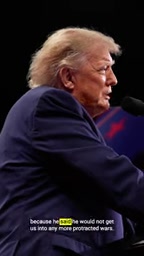
The first pathway is broken promises. There is a group of Republican voters who supported Trump primarily because he promised not to entangle the United States in protracted wars. Now that this war has neither been quickly resolved nor has a clear exit plan, the disappointment of these voters is easy to imagine.
The second pathway is the cost of living. War drives up gasoline prices, which in turn feed into grocery prices and everything else. Affordability and cost of living are already the issues voters care about most, and the war is pouring fuel on exactly this fire.

The commentator's conclusion is direct: there is "a direct line" between the war and livelihood issues. This also explains why a conflict far away in the Middle East can tangibly influence voting behavior here in the United States.
Why Affordability and Cost of Living Have Become Core Election Issues
Affordability and cost of living are high-frequency terms in recent American electoral politics, referring to how easily ordinary families can maintain their daily expenses. With inflation running high after the pandemic and housing, food, and energy prices rising in turn, voters' sense that "money doesn't go far enough" is extremely visceral—which is why these two issues can often override foreign policy as voting drivers. The war's impact on oil prices quickly transmits to gasoline, transportation, and food prices, turning an abstract geopolitical conflict into concrete numbers at the gas station and the supermarket. For the governing party, this creates a kind of "dual accountability": voters ask both why it got involved in the war and why it made life more expensive.
Why Impeachment Rather Than Cutting Off War Funding?
The interviewer raises a sharp alternative: since Congress does not endorse this war, why not simply cut off war funding instead of going the impeachment route?
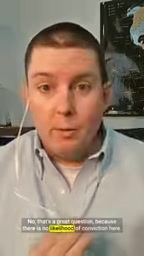
The commentator acknowledges this is a good question and offers a realist answer: impeachment is almost impossible to secure a conviction in the Senate. Given that, the real motive for pushing impeachment is not "removal" but "leaving a record."

The commentator mentions having spoken with Congressman Nassi about ten days earlier, and the message was clear: he wants this "censure" formally recorded so the public knows that even a Republican-controlled House would likely vote in favor of impeachment. In other words, an impeachment vote is a tool for political messaging, not a genuine removal procedure.
The commentator also adds a pragmatic judgment: if impeachment cannot even clear the House hurdle, then pushing the issue is not a good idea.
The Constitutional Process of Impeachment and Conviction
The U.S. Constitution stipulates that impeachment has two steps: the House passes articles of impeachment by simple majority (equivalent to an "indictment"), and the Senate then holds a trial requiring a two-thirds majority (67 votes) to convict and remove. This means that even if the House, controlled by Republicans, passes impeachment, the Senate threshold is extremely high—especially when the two parties' seats are close, making it nearly impossible to assemble 67 bipartisan votes. This is precisely why the commentator says the real value of impeachment lies in "leaving a record": the voting record becomes a political archive for voters and history to judge, while removal itself is not a realistic goal. This is also why "cutting off war funding," though a more direct check on power, is avoided because it requires bearing the political risk of "not supporting the troops."
What This Discussion Reveals
Taken apart, this conversation is not really about Hegseth's personal political fate but about the changing attitude within the Republican Party toward this war.
On one hand, the war has dragged on beyond initial expectations, and daily attacks in the Strait of Hormuz have made the definition of "victory" ambiguous. On the other hand, the war transmits through energy prices to people's livelihoods, directly hitting voters' wallets. These two forces combined make "supporting the war" increasingly expensive in electoral politics.
Impeaching Hegseth is therefore more like a political signal flare: its symbolic significance outweighs its actual legal consequences. For Republicans hoping to distance themselves from the war, casting an impeachment vote is a relatively low-cost way to take a stance—expressing dissatisfaction with the war course without directly bearing the political risks that cutting military funding might bring.
As for whether Hegseth himself will actually be impeached, based on the commentator's analysis, the answer is more likely "it won't succeed, but it will be put on the table." This debate around the Pentagon is essentially a concentrated release of political pressure in an election year.
One-line Summary
As the Iran conflict drags into its eighth month, it is backfiring on Republican midterm prospects through two pathways—broken promises and rising living costs—while impeaching Hegseth is more political messaging than a removal procedure.
Paragraph Summary
The article distills the core arguments of a YouTube political commentary video: the Iran conflict, initially expected to last weeks, has continued for eight months, with ships in the Strait of Hormuz attacked almost daily, creating a stalemate that is neither full-scale war nor peace. The commentator points out that the war affects the midterm elections through two pathways—first, by breaking Trump's promise not to get entangled in long-term wars, disappointing some Republican voters; second, by driving up oil prices that transmit to groceries and other living costs, directly hitting voters' wallets. As for why impeachment of Defense Secretary Hegseth is being pushed rather than cutting off war funding, the commentator believes Senate conviction is nearly impossible and that the real motive for impeachment is to leave a political record and express dissatisfaction with the war course. The overall judgment: Hegseth may not actually be successfully impeached, but this debate is essentially a concentrated release of political pressure in an election year.
Related articles
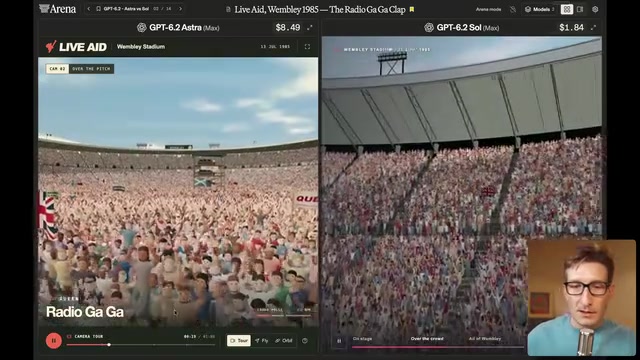
GPT-6.2 Astra vs Sol Hands-On Test: 6x Stronger at 6x the Cost — Which to Use as Your Daily Driver
GPT-6.2 Astra vs Sol hands-on test: Astra wins on detail, depth of field, and data viz but costs ~6x more; Sol beats it on dynamism, camera work, and regular UI. Here's which to use as your daily driver, by scenario.

How the European Commission Rolled Out Matrix to 40,000 Employees
The European Commission rolled out Matrix to over 40,000 employees. Element's blog reviews the phased strategy, digital sovereignty, and open-source adoption lessons.
Why AI Is Going Local: A Deep Dive wit…
Why AI Is Going Local: A Deep Dive with Moonshine Voice Creator Pete Warden
Moonshine Voice creator Pete Warden explores the trend toward local AI, analyzing the four drivers of latency, privacy, cost, and reliability, and what local-first design means for developers and product teams.