Instagram Launches Horizontal Long-Form Video "Features," Directly Challenging YouTube

Instagram launches horizontal long-form video feature Features, directly challenging YouTube.
Instagram has officially announced a horizontal long-form video feature called "Features," marking a strategic expansion from vertical short-form video to long-form content. Head Adam Mosseri admitted he had long opposed long-form video but has changed his stance. The feature directly targets YouTube, attempting to embed a long-form viewing experience into a social context and compete for users' attention time. Creators may gain new space for expression and monetization, but Instagram has not yet announced specific revenue-sharing or incentive plans. Long-form video faces multiple challenges including user habits, the creator ecosystem, product coordination, and operating costs, and the execution remains to be seen.
From Short-Form to Long-Form: Instagram's Strategic Pivot
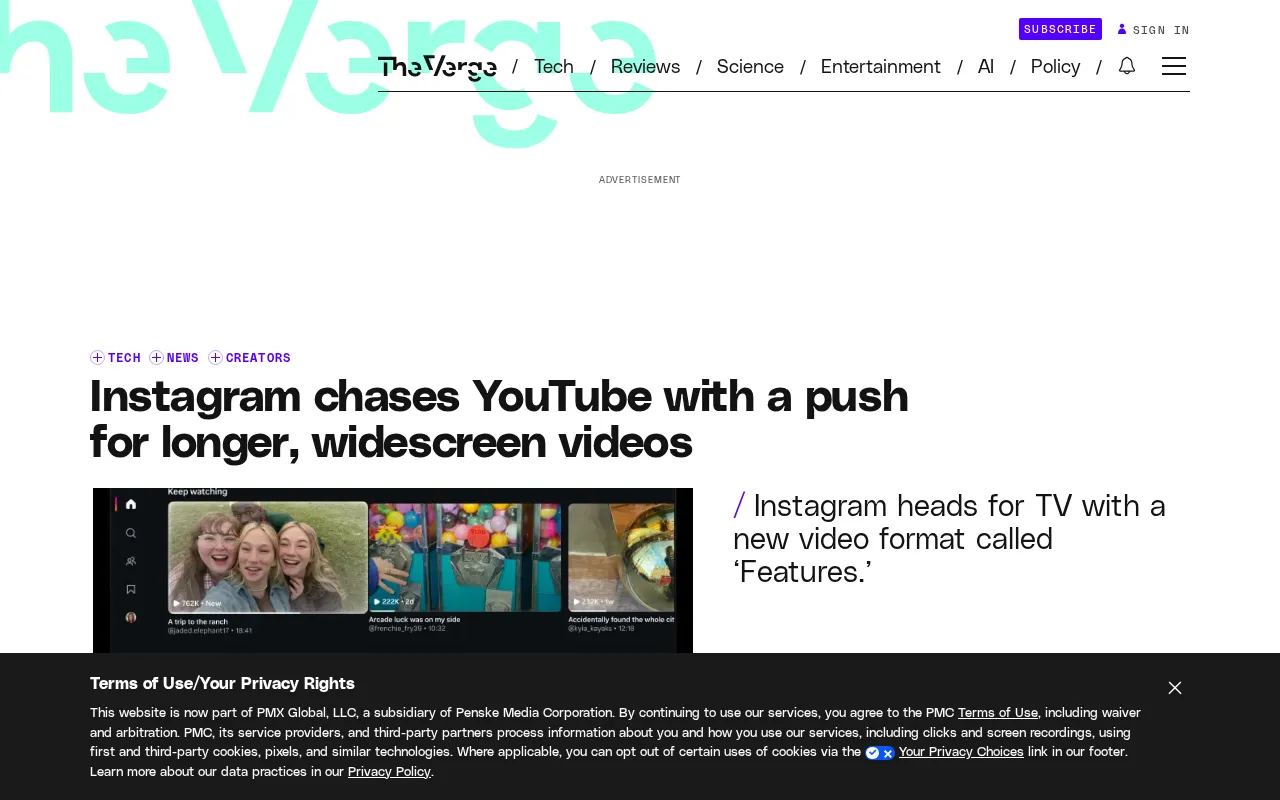
Instagram is moving away from its past focus solely on vertical short-form video. The platform has officially announced the launch of a long-form video feature called "Features," which supports horizontal playback. This move is widely interpreted as a direct challenge to YouTube. According to The Verge, Instagram head Adam Mosseri appeared alongside VP of Product Tessa Lyons in a six-and-a-half-minute video to personally explain the shift. Mosseri admitted that he had been against long-form video on Instagram "for a long time," and mentioned "one of my concerns is..." Although he did not fully elaborate on that concern in the video, the statement itself suggests that the platform's internal attitude toward long-form video has undergone a significant change.
Over the past few years, Instagram has competed fiercely with TikTok in short-form video through Reels, with vertical orientation, short duration, and strong recommendation algorithms as its core features. Turning now to horizontal long-form video means Instagram is attempting to cover users' deeper viewing needs while offering creators new content formats and monetization possibilities.
What "Features" Means: Horizontal, Long Duration, and New Scenarios
Based on currently disclosed information, the core characteristics of "Features" are horizontal playback and longer video duration. This creates a clear distinction from Instagram's existing Reels, Stories, and traditional feed videos. The horizontal format is naturally better suited to narrative content, tutorials, interviews, documentary-style content, and film/TV clips, while vertical is better suited to fast-swipe, fragmented consumption.
Mosseri and Lyons did not announce specific technical parameters or a launch timeline in the video, but the name "Features" itself is worth pondering—it suggests the platform may treat long-form video as a kind of "featured content" rather than part of the basic feed, and may differentiate it in terms of entry points, recommendation weight, or creator tools. For brands and media organizations, this means Instagram is no longer just a traffic-driving tool but could become one of the main venues for content distribution.
Reels is the short-form video feature Instagram launched in 2020, directly targeting TikTok, supporting vertical videos up to 90 seconds (later extended to 3 minutes), with full-screen immersive swiping and algorithmic recommendation at its core. Stories is the ephemeral content feature launched in 2016, where content disappears after 24 hours, emphasizing everyday fragmented sharing. Feed video refers to video posts interspersed in the traditional home timeline, usually short in duration and presented in square or vertical format. Together, the three formed Instagram's previous video matrix, all characterized by vertical orientation and short duration. Understanding this product landscape helps clarify the differentiated positioning of "Features"—it does not replace existing features but fills the gap for horizontal long-form content, targeting in-depth scenarios such as narrative, tutorials, and interviews.
The Competitive Logic Against YouTube
The most direct point of reference for Instagram's move is YouTube. YouTube has long dominated horizontal long-form video, with a mature advertising revenue-sharing system, search discovery mechanisms, and creator ecosystem. Instagram's advantages lie in its massive social graph, young user base, and powerful recommendation algorithms. Bringing long-form video into Instagram is equivalent to embedding a "YouTube-like" viewing experience into a social context, attempting to capture the time of users who would otherwise only consume long content on YouTube.
From an industry trend perspective, the boundary between social platforms and video platforms is blurring. TikTok is experimenting with longer videos, YouTube launched Shorts to counter short-form video, and Instagram is now moving in the opposite direction into long-form video. All platforms are competing for users' total attention time rather than adhering to a single content format. Whether Instagram can gain a foothold in long-form video depends on whether it can solve several key questions: whether creators can receive sufficient incentives, whether users are willing to watch long content to the end inside a social app, and whether the recommendation algorithm can effectively distribute long-form video rather than only pushing short, quick content.
Social graph refers to the relationship network a platform builds based on user follows, friends, and interaction relationships, and is Instagram's core asset. Unlike YouTube, which relies on search and subscriptions, Instagram's content distribution relies heavily on the combination of social relationships and interest-based recommendation algorithms. Recommendation algorithms predict user interests by analyzing behavior (likes, dwell time, skips, etc.) to deliver personalized content. Instagram's advantage is that it can use social signals (such as friends' viewing and interactions) to enhance recommendations, but long-form video involves heavier consumption decisions and higher barriers, and whether the algorithm can effectively distribute long content rather than only pushing short, quick videos is the key variable in its challenge to YouTube.
Potential Impact on Creators and Users
For creators, "Features" may open up new space for expression. Previously constrained by vertical orientation and short duration, many in-depth content creators had to place complete works on YouTube or their own platforms, publishing only trailers or clips on Instagram. With the launch of the long-form video feature, creators have the opportunity to complete the loop from traffic acquisition to full viewing within Instagram. However, it is still unclear what monetization mechanisms Instagram will provide for long-form video—ad revenue sharing, tips, or brand collaboration tools—and these will directly affect creators' willingness to migrate.
For ordinary users, more horizontal long-form video content may appear in the feed, and the viewing experience will shift from "quick swiping" to "immersive viewing." This is both an opportunity and a risk: if too much long-form video is recommended, it could disrupt Instagram's original light, brisk browsing rhythm; if recommendations are precise, it can increase user dwell time and platform stickiness. Mosseri's previous cautious attitude toward long-form video precisely reflects the difficulty of this balance.
The Challenges on the Long-Form Video Path
Instagram's push into long-form video is not without obstacles. The first is user mindset: most people open Instagram for socializing and fragmented entertainment, not specifically to watch long content. Changing this habit requires time and sustained content supply. The second is the creator ecosystem: after years of accumulation, YouTube has formed a stable creator community and revenue expectations, and Instagram needs to offer a convincing plan to attract top creators. The third is product design: how long-form video coordinates with existing features such as Reels, Stories, and direct messages rather than interfering with them tests the product team's ability to make trade-offs.
In addition, horizontal long-form video places higher demands on content moderation, copyright management, and bandwidth costs. Instagram needs to find a balance between scale expansion and operating costs. The "concerns" Mosseri mentioned in the video likely involve these aspects—whether long-form video will dilute the platform's original content tone and whether it will confuse creators and users.
Conclusion: The Boundaries of Social Video Are Disappearing
Instagram's launch of "Features" marks a new stage in the convergence of social platforms and video platforms. Platforms that started with short-form video are beginning to embrace long-form content, while the long-form video leader is fighting back with Shorts. For users, there are more choices; for creators, there are more distribution channels; for platforms, the focus of competition is shifting from content format to viewing experience and the comprehensive capabilities of the creator economy. Whether Instagram can carve out a space in YouTube's territory depends on the final product maturity and ecosystem-building efforts of "Features." For now, the direction is clear; what remains is execution.
Related articles
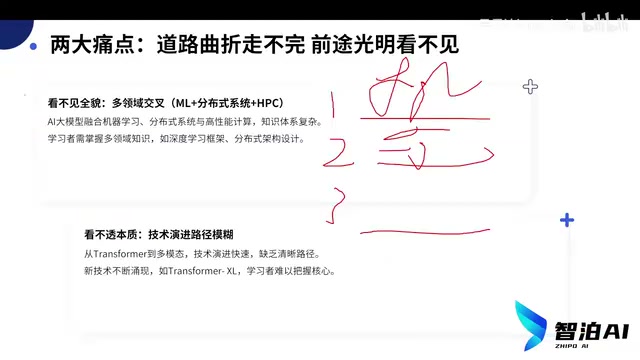
Bilibili AI Large Model Tutorial: RAG Practical Guide from Beginner to Mastery
Bilibili creator A Shui launches a 109-episode AI large model RAG practical tutorial, from beginner to mastery, covering RAG, AIGC, multimodal and other core technologies, sharing learning paths and industrial practice experience to help learners systematically master large model technology.
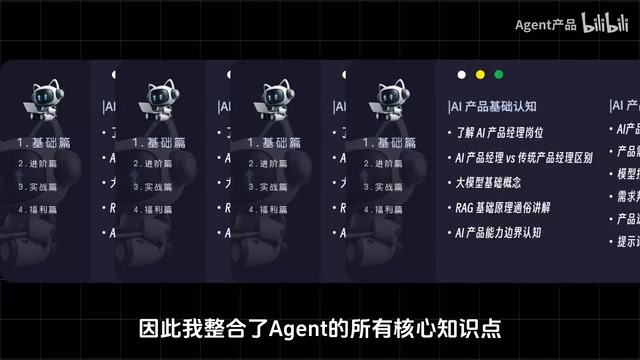
Bilibili's 748-Episode AI Agent Development Course: A Complete Guide from Zero to Real-World Projects
A comprehensive review of Bilibili's 748-episode AI Agent development course: from ReAct, planning, and memory to LangChain, AutoGen, and enterprise projects like customer service and data analysis agents, with learning path and resource advice for beginners.
LangChain from Scratch: A Deep Dive into a Hands-On RAG and Agent Tutorial
A deep dive into a Bilibili zero-foundation LangChain tutorial: analyzing the learning path around RAG and Agent scenarios, from basic calls to complete deployable projects. Suitable for students, career changers, and side-project developers.