Instagram Opens Amazon Affiliate Links to Reels and Feed

Instagram brings Amazon affiliate links into Reels and Feed, shortening creators' monetization path.
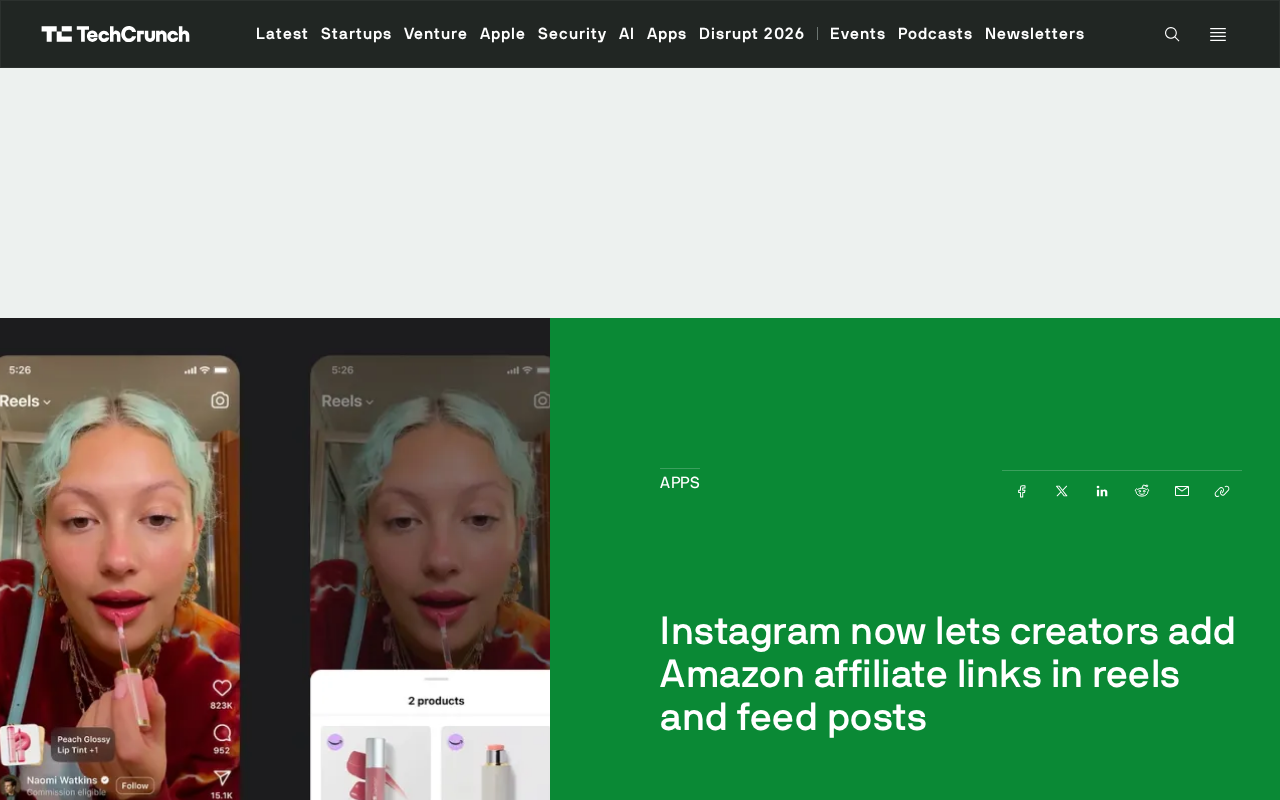
Instagram has expanded Amazon affiliate links from Stories, DMs, and bios to Reels and Feed posts, bringing affiliate links for the first time into the core content feeds where users spend the most time. With greater exposure and a shorter conversion path, the ceiling for creator affiliate revenue may rise. The move continues the trend of social platforms integrating with e-commerce infrastructure, though execution details remain undisclosed.
From Stories to Main Content: Amazon Affiliate Links Enter Instagram's Core Content Areas
Creators are already used to sharing Amazon affiliate links in Instagram Stories, DMs, and personal bios—limited-time links in Stories are easy to miss, DMs only reach a handful of people, and bio links have limited click-through rates. Now, Instagram has officially brought Amazon affiliate links into Reels and Feed posts, placing these links directly on the main path users take when browsing content.
This change comes from an integration between Instagram and Amazon. According to the original report, creators previously could only share Amazon affiliate links through Stories, DMs, and bios, while the new integration brings these links into areas within the app that were previously uncovered. For creators who rely on affiliate revenue, the "location" of the link has changed—and that may matter more than the link itself.
The Value of Link Placement: From the Edge to the Center
Reels and Feed are the two interfaces where Instagram users spend the most time. Story links disappear after 24 hours, DMs require proactive outreach, and bio links require users to take the extra step of visiting the profile page—all of these paths add friction to conversion. Links in Reels and Feed, by contrast, appear directly at the moment of content consumption; when users see a recommended product, they can jump without leaving their current browsing flow.
From a creator economy perspective, this is an adjustment in channel efficiency: the same affiliate link, placed in Reels and Feed, has greater exposure and a shorter path. For creators whose content centers on product recommendations, the ceiling for affiliate revenue may rise as a result.
Affiliate Link is a URL with tracking parameters that allows creators to earn a percentage-based sales commission when they drive users to an e-commerce platform to complete a purchase. Its operation relies on cookies or in-platform tracking mechanisms: after a user clicks the link, the platform records the source of that traffic and attributes the sale to the corresponding creator. Amazon Associates is one of the largest affiliate programs in the world, with commission rates varying by product category, typically between three and ten percent. For creators, the core value of affiliate links lies in directly converting content influence into income, while the link's exposure placement, click convenience, and attribution accuracy together determine actual conversion efficiency.
Further Intertwining of Platforms and E-Commerce
Instagram's move continues the trend of social platforms integrating with e-commerce infrastructure. Creators are no longer just content producers but also nodes of product distribution; by opening up affiliate links, platforms channel content traffic more directly into the transaction stage. Amazon gains an incremental entry point from Instagram's content flow, while Instagram strengthens its creator monetization tools to retain creators who rely on affiliate revenue.
It is worth noting that the original report only confirmed the fact that the integration went live and did not disclose details such as revenue-sharing ratios, launch regions, or whether all creators can use it. These execution-level parameters will directly affect the feature's appeal to creators and its actual returns.
Social Commerce refers to the model of completing product discovery, recommendation, and even transactions directly within social media platforms. Its early form involved brands placing ads or external links on social platforms, with users jumping to e-commerce sites to place orders; in recent years it has evolved into in-platform closed loops, including product tags, shop features, and native checkout. This Instagram-Amazon integration is a "semi-closed loop" model: content is consumed within Instagram, and transactions still return to Amazon to complete, but the link entry point is moved forward into the content feed. For platforms, this model both enriches creator monetization tools and avoids the high cost of building complete e-commerce infrastructure themselves—a typical example of division of labor and collaboration between social platforms and e-commerce infrastructure.
Practical Impact on Creators
For creators already running Amazon affiliates, the new feature means an additional high-exposure link placement, but content strategy needs to be adjusted accordingly: links in Reels and Feed need to blend naturally with the content, and forced insertion may affect viewing experience and algorithmic recommendation. For creators who have not yet ventured into affiliate marketing, this integration lowers the operational barrier from content to monetization and may attract more people to try it.
Platform-level competition is also worth watching. Social platforms are increasingly refining creator monetization tools, and the openness and usability of affiliate links are becoming one of the factors attracting creators. Instagram's placement of Amazon affiliate links in Reels and Feed is one step in this competition.
One-line Summary
Instagram brings Amazon affiliate links into Reels and Feed, shortening creators' monetization path.
Paragraph Summary
Instagram has officially expanded Amazon affiliate links from Stories, DMs, and bios to Reels and Feed posts, bringing affiliate links for the first time into the core content feeds where users spend the most time. Previously these links sat at peripheral entry points with limited exposure and high conversion friction; the new integration lets users jump to products without leaving their browsing flow when they see a recommendation, significantly shortening the conversion path. For creators who rely on affiliate revenue, the change in link placement may matter more than the link itself—with greater exposure and a shorter path, the ceiling for affiliate revenue is expected to rise. The move also continues the trend of social platforms integrating with e-commerce infrastructure, but the original report did not disclose execution details such as revenue-sharing ratios or launch regions, so the actual revenue impact remains to be seen.
Related articles
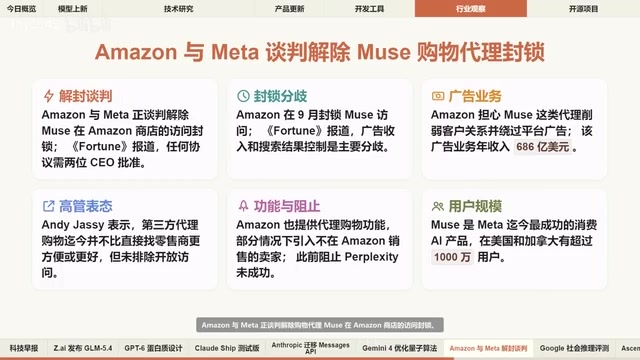
GLM-5.4 Debuts Loop Transformer as AI Coding Tool Race Heats Up
Z.ai launches GLM-5.4, claimed as the first Loop Transformer model; OpenAI drops preprints on protein design and math proofs; AI coding tools update densely; cloud robot inference and off-grid data centers emerge.

GLM-5.4 Loop Transformer Explained: Separating Mechanism from Evidence
Zhipu GLM-5.4 uses Loop Transformer to run trained layers for an extra round. This article breaks down gated updates, hybrid KV cache, and separates official claims from 30B experimental evidence.
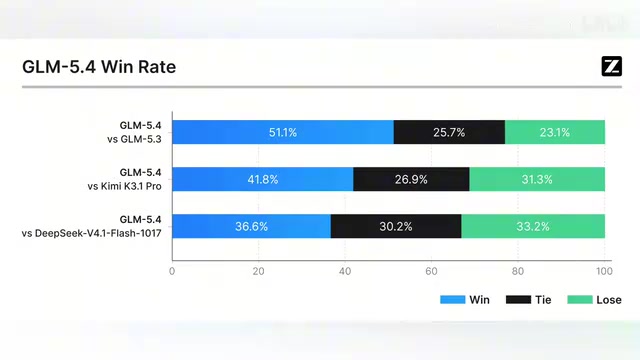
Zhipu GLM-5.4 Launches: First Commercial Loop Transformer Flagship
Zhipu launches GLM-5.4, China's first commercial Loop Transformer flagship: 750B params, 28-layer network looped twice for ~36% more compute depth, native vision for 3D modeling and industrial simulation, now fully available on Coding Plan.