Jensen Huang's "Bad Behavior" Just the Tip of the Iceberg? Unspoken Industry Rules Surface
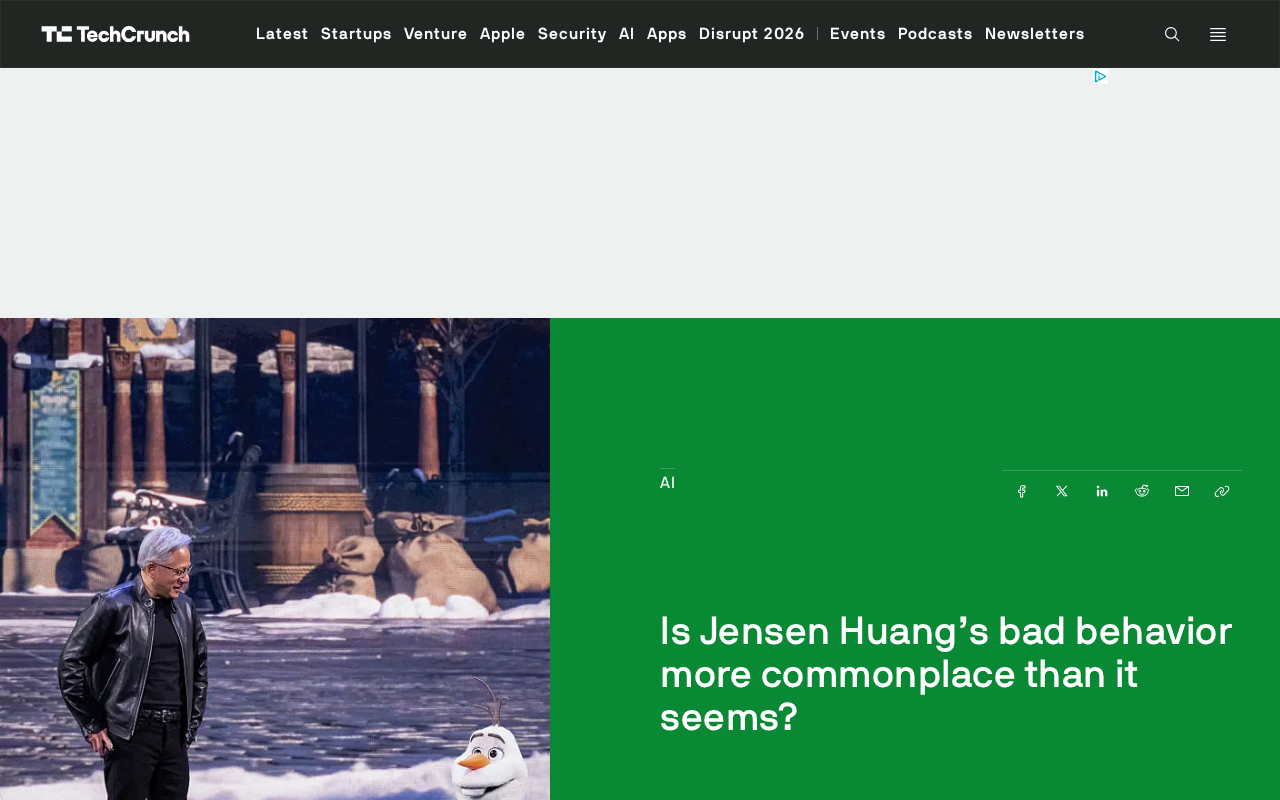
An investment intelligence advisor says industry veterans know about misconduct but enable it, arguing the discussion should shift from individual cases to the industry's silence mechanism.
The article starts from a controversial behavior by NVIDIA CEO Jensen Huang and cites an investment intelligence advisor's comment—that many senior people in the industry know this kind of thing is happening and are actually enabling it—shifting the focus from whether an individual acted improperly to why the entire industry acquiesces. The author analyzes how mutual endorsement among executives, tied interests, and in-group culture make misconduct hard to publicly question; insiders choose silence due to career risk, personal relationships, or status concerns, and over time unwritten rules replace written ones. The article also stresses that the available material comes from a single source without specific details or cross-verification, so it refrains from concluding on the individual case and instead asks: if similar behavior is not uncommon, can exposing individual figures alone change the status quo? It ultimately points to the old governance problem of leaders wielding excessive influence and internal correction mechanisms being absent, and suggests more transparent whistleblowing channels, more independent board oversight, and a peer culture that no longer treats silence as professional wisdom.
NVIDIA CEO Jensen Huang's controversial behavior has recently drawn attention, but the more important question is: is this an isolated incident, or an unspoken norm in the tech world? A blunt comment from an investment intelligence advisor points the finger at the silent majority in the industry.
One Question That Pierces the Industry's Silence
According to the RSS article Is Jensen Huang's bad behavior more commonplace than it seems?, an investment intelligence advisor, commenting on Huang's relevant behavior, said: "There are many senior people in the industry who know this kind of thing is happening and are actually enabling it."
The weight of this statement lies in how it shifts the discussion from "whether a certain CEO has acted improperly" to "why the entire industry acquiesces." If many people know but no one speaks up, then the exposed case is just the tip of the iceberg.
Why "Senior People" Choose Silence
The advisor's statement did not elaborate on specifics, but the word "enabling" hints at a structural acquiescence. In the tech industry, mutual endorsement among executives, tied interests, and in-group culture often make it difficult to publicly question misconduct. Those in the know may choose not to speak out due to career risk, personal relationships, or concerns about their industry standing.
The cost of this silence is that individual behaviors go uncorrected and gradually become accepted as "acceptable." When enough people choose to stand by, unwritten rules replace written ones.
In-group culture and reciprocal endorsement are key context for understanding the silence mechanism in the tech industry. The executive tier of the tech world tends to be small and highly mobile, with people repeatedly intersecting across boards, investment circles, and industry associations, forming a highly overlapping social network. In this structure, publicly criticizing a peer may not only damage personal relationships but also affect future financing, partnerships, or job opportunities, creating an implicit pact of "don't expose each other's shortcomings." The "spiral of silence" theory in social psychology also applies here: when people perceive that a certain view is unwelcome within the circle, they become more inclined to remain silent, and this silence in turn reinforces the illusion that "everyone accepts it." In addition, corporate governance research points out that when a CEO also serves as chairman or holds founder status, the board's independent oversight capacity is significantly weakened, and insiders find it difficult to initiate effective accountability even when they know the facts. Therefore, "enabling" is often not the result of a single motive, but the combined effect of in-group culture, career risk, and governance structure deficiencies.
Individual Case vs. System: Asking Questions Matters More Than Drawing Conclusions
It should be noted that the available material only provides one comment from the advisor, without details of Huang's specific behavior, nor any independent third-party verification. Therefore, this article does not attempt to draw conclusions about the individual case, but rather aims to raise a more critical question: if similar behavior is not uncommon in the industry, can exposing individual figures alone truly change the status quo?
Multi-source information is limited here: the original RSS article cites only a single source's viewpoint, lacking cross-verification from other independent reports. This also reminds us that when discussing such topics, distinguishing between "someone said this" and "this is indeed the case" is equally important.
Implications for Industry Culture
Zooming out, this discussion touches on an old problem in tech company governance: when leaders wield enormous influence and discursive power, can internal correction mechanisms still function properly? The "enabling" by senior people may reflect a lack of institutional oversight.
Change may not come from yet another exposé, but rather from more transparent whistleblowing channels, more independent board oversight, and a peer culture that no longer treats silence as professional wisdom.
Related articles
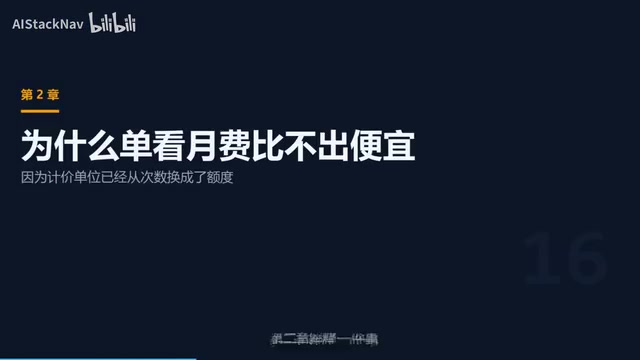
How Do Cursor, Devin, TRAE, and Copilot Compare on Price? Calculate Your Credits Before You Compare Monthly Fees
Side-by-side comparison of individual and team pricing for Cursor, Devin Desktop, TRAE, and Copilot, breaking down credit rules, third-party model inclusion, overage billing, and practical methods for measuring usage before paying, setting spending caps, and choosing the right tool.
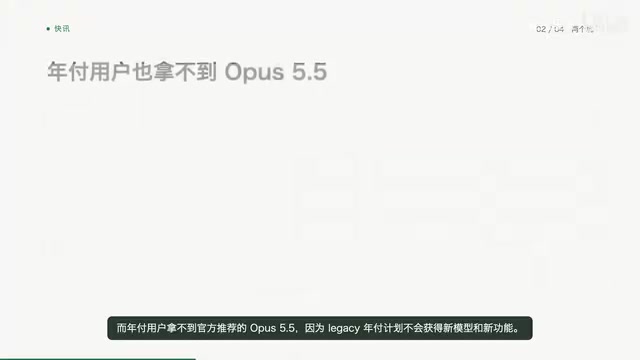
Copilot Retires Three Models: Pro Users Left With Only One Alternative
GitHub Copilot retires Claude Opus 4.8, Claude Opus 5, and GPT-5.6 Tera on Nov 16 across Chat, code completion, and Agent mode. Pro users have only GPT-6 Luna left; Legacy annual plans miss Opus 5.5; admins must enable replacements manually.
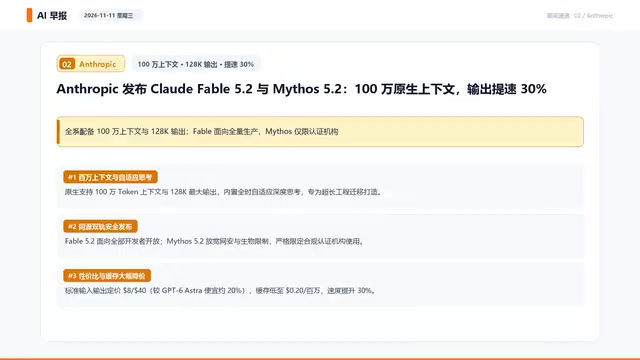
Gemini 4 Carbon Arrives: The LLM Race Enters the Era of Million-Token Context and Trillion-Parameter Open Source
Google launches Gemini 4 Carbon and multi-agent tool Swarm; Anthropic debuts million-context Fable 5.2 and Mythos 5.2; OpenAI releases security-focused GPT-6 Cyber; Mistral and Kimi open-source trillion-parameter models — the LLM race accelerates across the board.