LangChain Interrupt Conference Sells Out: Is It Worth Attending?
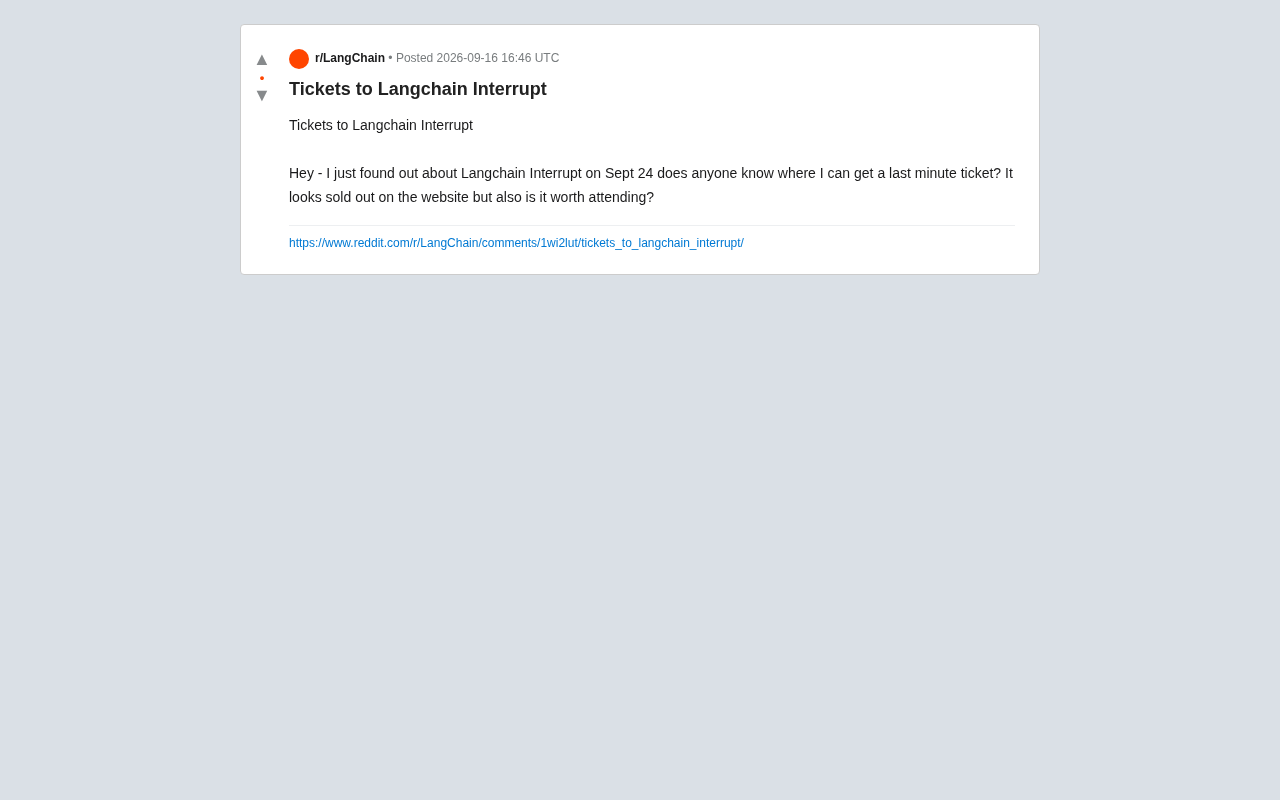
LangChain Interrupt sells out, reflecting the red-hot demand in the LLM developer community.
A Reddit developer discovered LangChain Interrupt conference tickets were already sold out after learning about the event last minute. This highlights LangChain's massive popularity as a leading LLM application framework, known for its Agent, memory management, and RAG capabilities. Official developer conferences offer value through first-hand roadmap access, face-to-face networking with core teams, and real-world case studies. Those who miss out can explore waitlists, ticket transfers, or online streams — while staying alert to scams on unofficial channels.
LangChain Interrupt Draws Attention
Recently, a developer posted on Reddit asking about tickets to the LangChain Interrupt conference. The user explained they had learned about the event at the last minute, only to find that tickets were already sold out on the official site. They were hoping to find a last-minute way in — and wondering whether the event was even worth attending in person.
As one of the most popular frameworks for building LLM-powered applications, it's no surprise that LangChain's in-person events attract a large crowd of AI developers. The rapid sellout itself speaks to just how active the LangChain ecosystem is within the developer community.
Why LangChain Gets So Much Attention
LangChain is an open-source framework for building LLM-driven applications. It offers a suite of capabilities — including chained calls, Agents, memory management, and tool integrations — that help developers bring large model capabilities into real-world products faster. Following the explosion of models like ChatGPT, the application ecosystem built around LangChain has grown rapidly.
With such a large developer community behind it, LangChain's official in-person meetups and conferences (like the Interrupt event mentioned in the post) tend to carry strong community appeal. These events typically feature technical talks, product roadmap reveals, developer networking, and real-world case study presentations — making them genuinely attractive for practitioners who want to stay on the cutting edge of LLM application development.
At the core of LangChain's design philosophy is the idea of standardizing interactions between LLM calls, external tools, and data sources into composable "Chains." Among its features, Agents are perhaps the most distinctive: they allow models to dynamically decide which tools to invoke (such as search engines, databases, or code executors) based on the task at hand, enabling multi-step reasoning and action rather than a single generated response. The memory management module addresses the inherently stateless nature of large models, allowing conversational context to be persisted or retrieved across multiple turns. LangChain's support for RAG (Retrieval-Augmented Generation) also enables developers to combine private knowledge bases with model capabilities — one of the most common technical approaches for enterprise LLM deployment today. This "glue framework" positioning quickly made LangChain one of the de facto standards for LLM application development, with its GitHub star count surpassing tens of thousands in a short period.
Are Developer Conferences Like This Worth Attending?
The original post's question — "is it worth attending?" — really depends on your personal goals. If you're currently building or planning to build production-grade applications with LangChain, the value of an official event like this shows up in a few key ways:
First-Hand Information and Roadmaps
Official conferences are often the preferred venue for announcing major product updates and new features. Being there in person means you get the earliest possible look at where the framework is headed — which has real practical value for technology selection and architectural planning.
The LangChain ecosystem iterates at a fast pace. Sub-projects like LangGraph (for building stateful multi-agent workflows) and LangSmith (for debugging, testing, and monitoring LLM applications) have both seen significant evolution recently. LangGraph introduced graph-based workflow orchestration, which is better suited than early chain-style calls for complex Agent scenarios requiring loops and conditional branching — and it's now LangChain's officially recommended approach for building production-grade Agents. For teams in the middle of technology evaluation, roadmap disclosures for rapidly evolving sub-projects like these at an official conference can have a direct impact on decision-making.
Community Networking
The irreplaceable value of in-person events is face-to-face interaction. Direct conversations with core team members and senior developers often yield practical insights and solutions that online documentation and forums simply can't provide.
Real-World Case Studies
Conferences typically invite companies to share genuine implementation stories. These experiences offer direct, practical value for avoiding common pitfalls and optimizing your own approach.
What to Do When Tickets Are Sold Out
For popular tech conferences that have sold out, there are a few avenues worth trying: monitor the official social media channels to see if additional spots or a waitlist becomes available; keep an eye out in the community for anyone transferring their ticket; and check whether the event offers a live stream or post-event recordings. Many tech conferences now offer online participation options, so even if you can't attend in person, you can still access the core content.
One word of caution: be especially vigilant when purchasing tickets through unofficial channels. Always verify the legitimacy of the seller and the ticket itself to avoid falling victim to scams.
Conclusion
This Reddit post may be brief, but it reflects the continued momentum of the LangChain ecosystem among developers. The high demand for tickets to popular AI developer conferences is a microcosm of the overall high activity level in the LLM application development space. For practitioners following large model application development, staying on top of the information coming out of events like these is worthwhile — regardless of whether you can make it to the venue in person.
Related articles
Automattic Executives Signed Reciprocal Severance Agreements During Mullenweg's Brief Ouster
Automattic's CFO and General Counsel signed reciprocal severance agreements during Matt Mullenweg's brief ouster, covering one year's salary and accelerated equity vesting, raising corporate governance concerns.
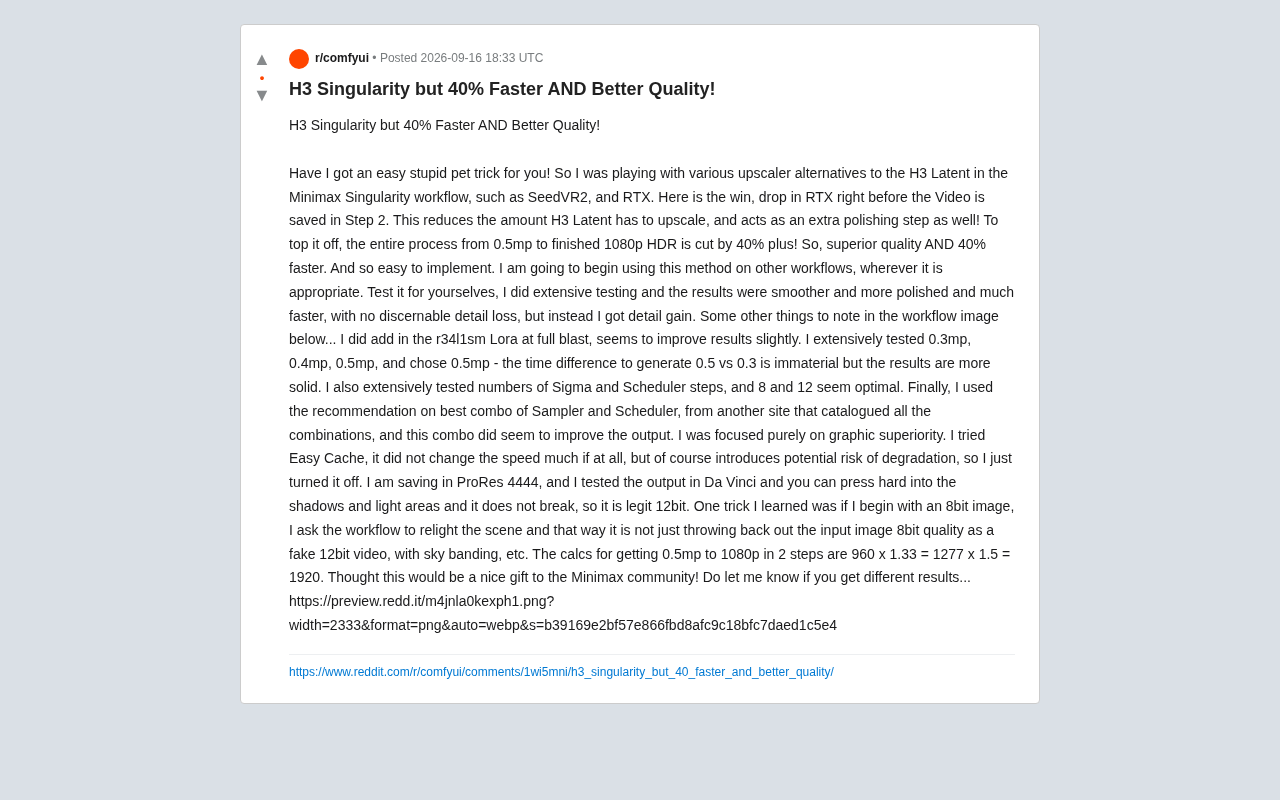
H3 Singularity Optimization: 40% Speed Boost With Better Image Quality
A Reddit user's Minimax Singularity workflow tip: insert an RTX upsampler before H3 Latent for 40%+ speed gains and better quality. Covers parameters, 12-bit output, and more.
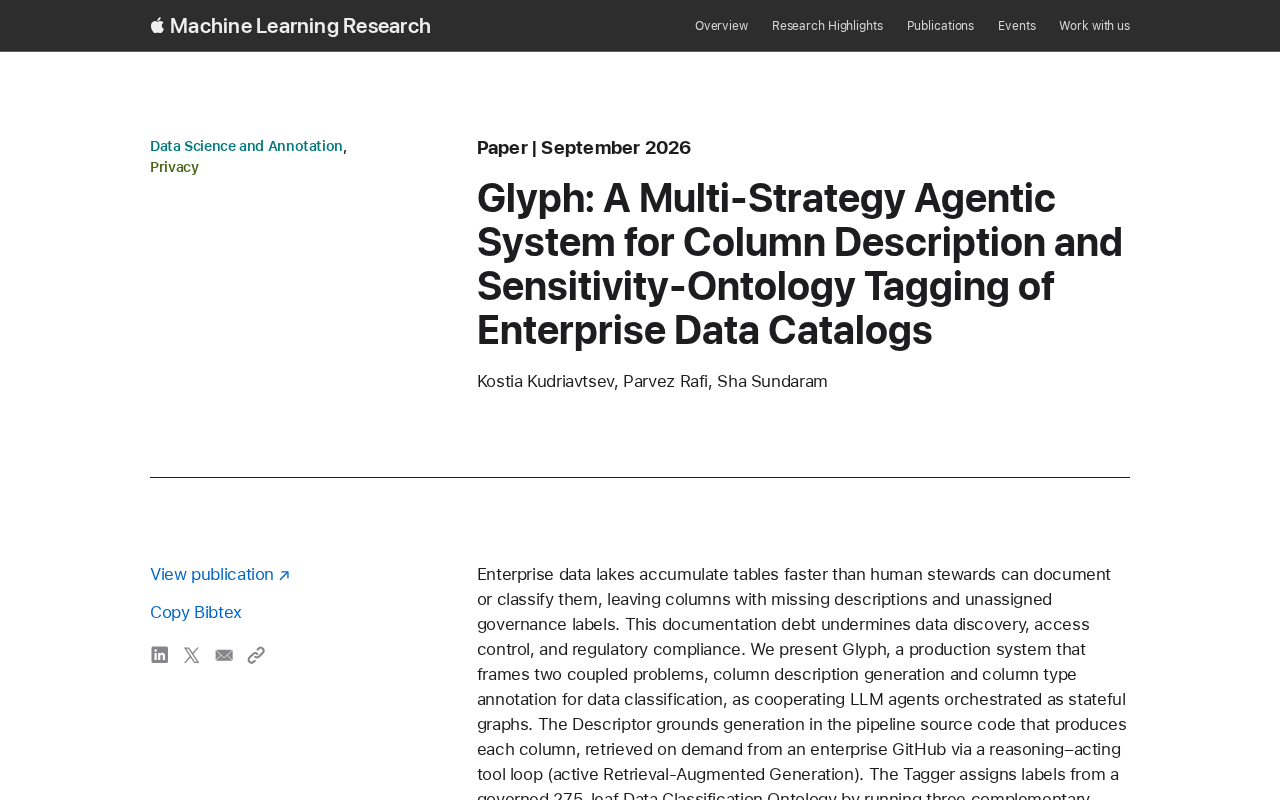
Glyph: A Multi-Strategy Agent System for Automated Enterprise Data Catalog Annotation
Glyph is a multi-strategy LLM agent system for enterprise data catalogs that automates column description generation and sensitivity ontology tagging, grounding outputs in pipeline source code to improve accuracy.