Larry Ellison Cancels Plan to Sell $7.5 Billion Worth of Oracle Stock
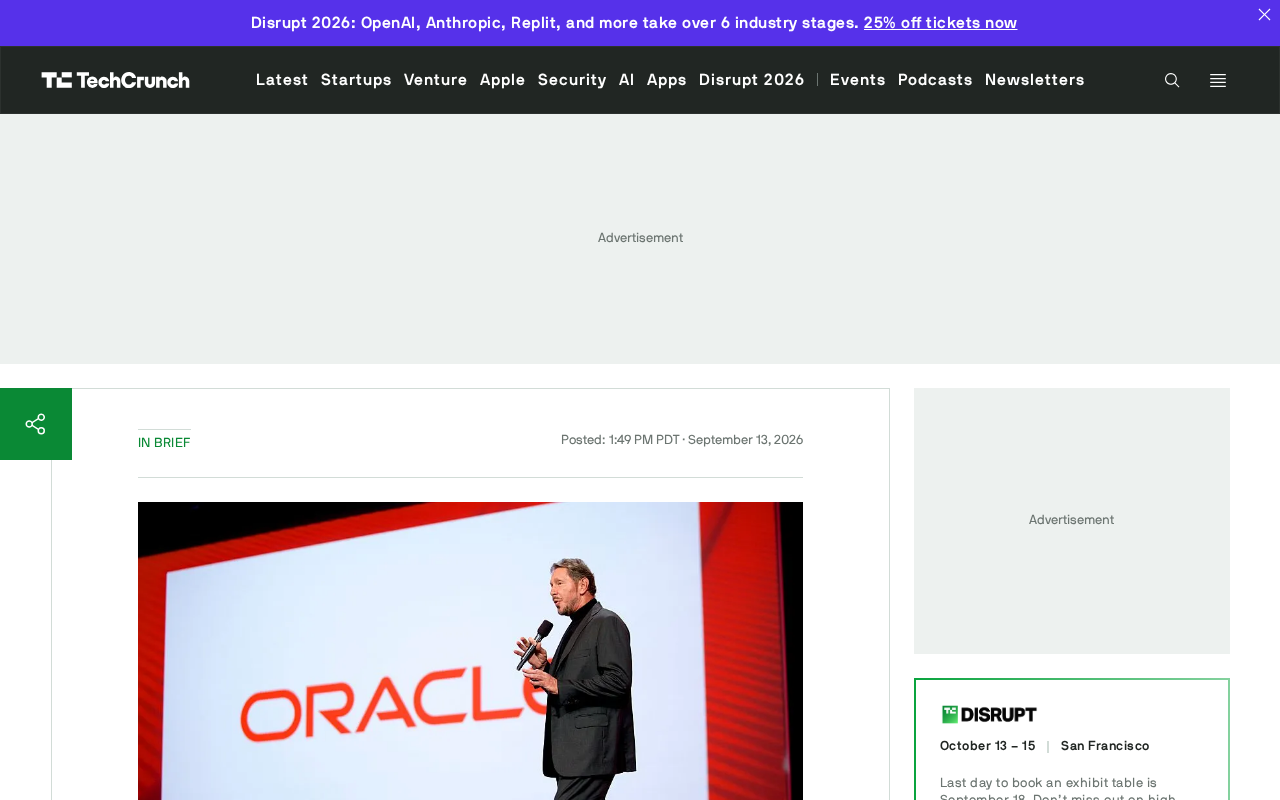
Larry Ellison cancels a ~$7.5B Oracle stock sale plan, leaving market observers guessing at the motive.
Oracle co-founder Larry Ellison has withdrawn a previously disclosed plan to sell approximately 50 million shares of Oracle stock valued at around $7.5 billion. The decision eliminates the large sell-off pressure the market had anticipated, but with no detailed official explanation provided, interpretations remain uncertain. While founder-level share movements are often seen as signals of confidence in a company's outlook, the true motivations behind such decisions — whether to sell or to cancel a sale — frequently involve personal tax planning, asset allocation, and other financial factors, and should not be equated simply with a view on company fundamentals. Investors are advised to watch for any further official statements from Oracle and to monitor Ellison's future shareholding activity.
Ellison Withdraws Massive Stock Sale Plan
Oracle co-founder Larry Ellison has canceled a previously disclosed large-scale stock sale plan. According to the company's earlier filings, Ellison had planned to sell approximately 50 million shares of Oracle stock, valued at around $7.5 billion.
The cancellation means the large-scale sell-off that the market had been anticipating will not take place. For a transaction of this magnitude, any change in plans draws intense scrutiny from investors and market analysts, as stock sales by founder-level major shareholders are often viewed as a signal of their outlook on the company's prospects.
Background and Market Implications
As one of Oracle's co-founders and largest individual shareholders, Ellison's every move regarding his stake has long been closely tracked by capital markets. The originally planned sale of 50 million shares at an estimated value of approximately $7.5 billion would have constituted an exceptionally large personal divestiture — one that, if executed, could have had a meaningful impact on the stock price and market sentiment.
Founders sell stock for a wide variety of reasons, which may include personal asset allocation, tax planning, charitable giving, or other financial arrangements — and such sales do not necessarily reflect a judgment on the company's business outlook. By the same token, canceling a planned sale is open to multiple interpretations: it could reflect continued confidence in the company's future value, or it may be related to market timing, regulatory blackout periods, or personal financial considerations.
Cautious Interpretation Amid Limited Information
Publicly available information remains limited at this point, confirming only that Ellison has canceled the previously planned sale of approximately 50 million shares worth around $7.5 billion. In the absence of a more detailed official explanation, speculating extensively on the specific motivations behind this decision would not be prudent.
For investors, it is worth monitoring whether Oracle will subsequently issue a supplementary statement on the matter, and whether Ellison's future share activity will reflect any new developments. The stability of a major shareholder's holdings is often an important reference point when evaluating a company's governance and market confidence.
Related articles

Vibe Coding Full-Stack in Practice: AI Programming from Beginner to Enterprise Deployment
From Cursor to Claude Code, this Bilibili AI programming course uses four progressive projects to cover full-stack development, open-source secondary development, and team collaboration. The article analyzes the shock to frontend roles, the efficiency shift from 50 people to 5, and the methodology required for enterprise-grade projects.

David Blaine's Global Quest for Real Magic: From South Africa to Japan and India
David Blaine travels to South Africa, Japan, and India in his Do Not Attempt special, documenting Spinning drivers, black mamba rescuers, iaijutsu masters, and ascetics—exploring the boundary between magic and real human极限 challenges.

Is a Touchscreen MacBook Coming? Vergecast Reveals Apple Executive's Response
Vergecast podcast reveals a conversation between a reporter and Apple executive John Ternus about a touchscreen MacBook and Apple Pencil support. Ternus says iPad is the best device for a stylus, while the reporter bets MacBook will eventually support Apple Pencil.