YC's Latest Demo Day: The 9 Most Exciting Startups in VCs' Eyes
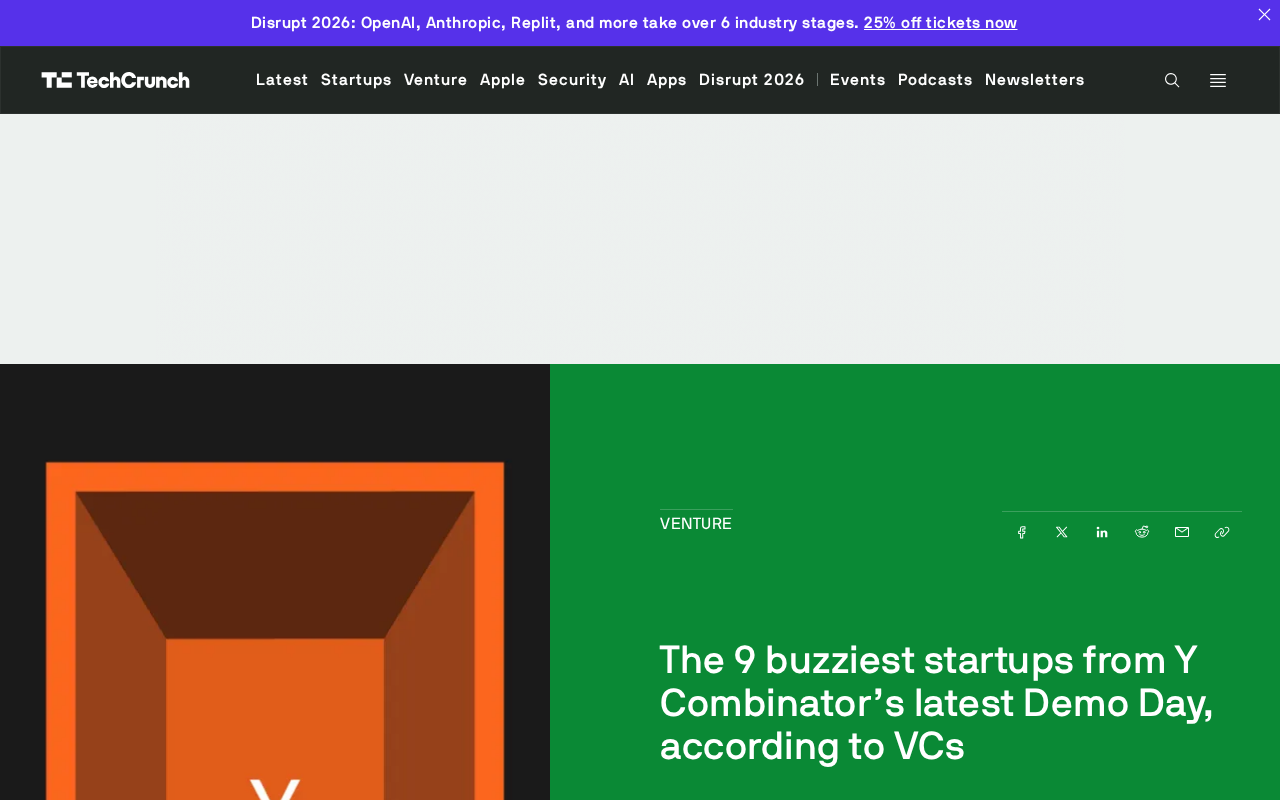
YC's summer Demo Day features floating reactors and brain chips as VCs shift focus back toward deep tech.
Y Combinator's latest summer cohort wrapped up its Demo Day, with several VCs singling out 9 standout startups from the batch. The cohort's defining feature is a surge of hard tech — floating modular nuclear reactors and brain-computer interface chips took center stage, a sharp contrast to the SaaS and consumer app-heavy lineups of recent years. The shift reflects a structural change in venture capital risk appetite, with long-cycle, capital-intensive sectors like energy and biotech regaining investor favor.
Y Combinator Demo Day Ignites the VC World Again
Y Combinator's (YC) Demo Day has long served as a bellwether for Silicon Valley's venture capital community. Each cohort's collective showcase draws intense scrutiny from investors — and this summer batch is no exception. From floating reactors to brain chips, the startups that took the stage span frontier fields including energy, biotech, and artificial intelligence, reflecting a strong bet on hard tech from this generation of founders.
According to the original report, several VCs singled out 9 standout startups from this cohort. The companies they named, in many ways, represent capital markets' collective read on where technology is headed.
From Floating Reactors to Brain Chips: The Return of Hard Tech
What stands out about this cohort is its technical orientation. The report specifically highlights "floating reactors" and "brain chips" as two emblematic directions — a striking contrast to the parade of software and SaaS companies that dominated YC batches in recent years.
Floating reactors typically refer to small modular nuclear solutions deployed offshore or on water surfaces, aiming to solve the pain points of traditional nuclear plants: difficult siting and long construction timelines. Brain chips fall under the brain-computer interface (BCI) category, a frontier biomedical space that has attracted enormous investor interest in recent years. Both represent classic "deep tech" — long development cycles, heavy capital requirements, and high technical barriers.
Their appearance in the spotlight at YC Demo Day sends a clear signal: venture capital is swinging back from pure software applications toward more disruptive, foundational hard technology.
Small Modular Reactors (SMRs) form the technological backbone of floating reactor concepts. Unlike conventional nuclear plants that often exceed one million kilowatts in capacity, SMRs typically cap out at 300 megawatts per unit. They can be prefabricated in factories and transported for on-site installation, dramatically shortening construction timelines and reducing upfront capital expenditure. Mounting SMRs on offshore platforms or barges further sidesteps the regulatory and social acceptance hurdles of inland siting — while also opening up potential applications for offshore oil and gas platforms, islands, and remote communities. Multiple startups and state-owned energy agencies around the world are already pursuing this direction, and the U.S. Nuclear Regulatory Commission (NRC) has begun accepting the first SMR design certification applications. YC's decision to incubate such projects signals that nuclear energy is being redefined by Silicon Valley as a "climate tech" solution — no longer the exclusive domain of the traditional energy industry.
Why VCs Are Excited About This Cohort
Demo Day's significance goes beyond founder pitches — it's where VCs vote with real money. The 9 companies that were called out by investors tend to share a few common traits: a clear technical moat, a sufficiently large addressable market, and a team capable of bridging the gap between technology and commercialization.
For capital-intensive, long-horizon sectors like energy and biotech, the VC investment logic looks nothing like backing a consumer app. These bets require greater patience and depend on the gradual delivery of technical milestones. The fact that VCs are willing to lock in these types of projects at the Demo Day stage suggests that the market's risk appetite for hard tech is rising.
"Patient Capital" is the key concept for understanding the logic of hard tech investing. Traditional venture capital typically operates on a 7-to-10-year fund cycle, favoring software or platform companies that can scale rapidly within 3 to 5 years. Deep tech companies, by contrast, often need more than a decade to travel from the lab to full commercialization — a structural mismatch with standard VC exit timelines. To address this, some hard tech-focused funds have begun adopting "Evergreen Fund" structures or government-guided fund models to accommodate longer investment horizons. YC itself adjusted its support strategy for hard tech projects around 2022, offering more flexible follow-on financing mechanisms. Part of the reason VCs actively move to secure these projects at Demo Day is straightforward: the earlier you get in, the lower the valuation — and the larger the equity stake you can acquire to offset the opportunity cost of a long wait.
What This Means for Founders and Observers
For founders, YC Demo Day's selection criteria offer a valuable reference point: beyond AI applications, crossover fields like energy and biomedicine are winning renewed favor from capital. Technical difficulty is no longer a deterrent — it may actually become a source of competitive differentiation.
For industry observers, the composition of each YC cohort acts as a mirror, reflecting the venture community's collective forecast for technology trends over the next one to two years. When floating reactors and brain chips simultaneously land on the "most anticipated" list, that in itself speaks volumes about a subtle but meaningful shift in where the investment winds are blowing.
A note on sourcing: this article is based on a limited set of original reports. For the full list of the 9 companies and detailed information about each, readers are encouraged to consult the original source directly.
Related articles
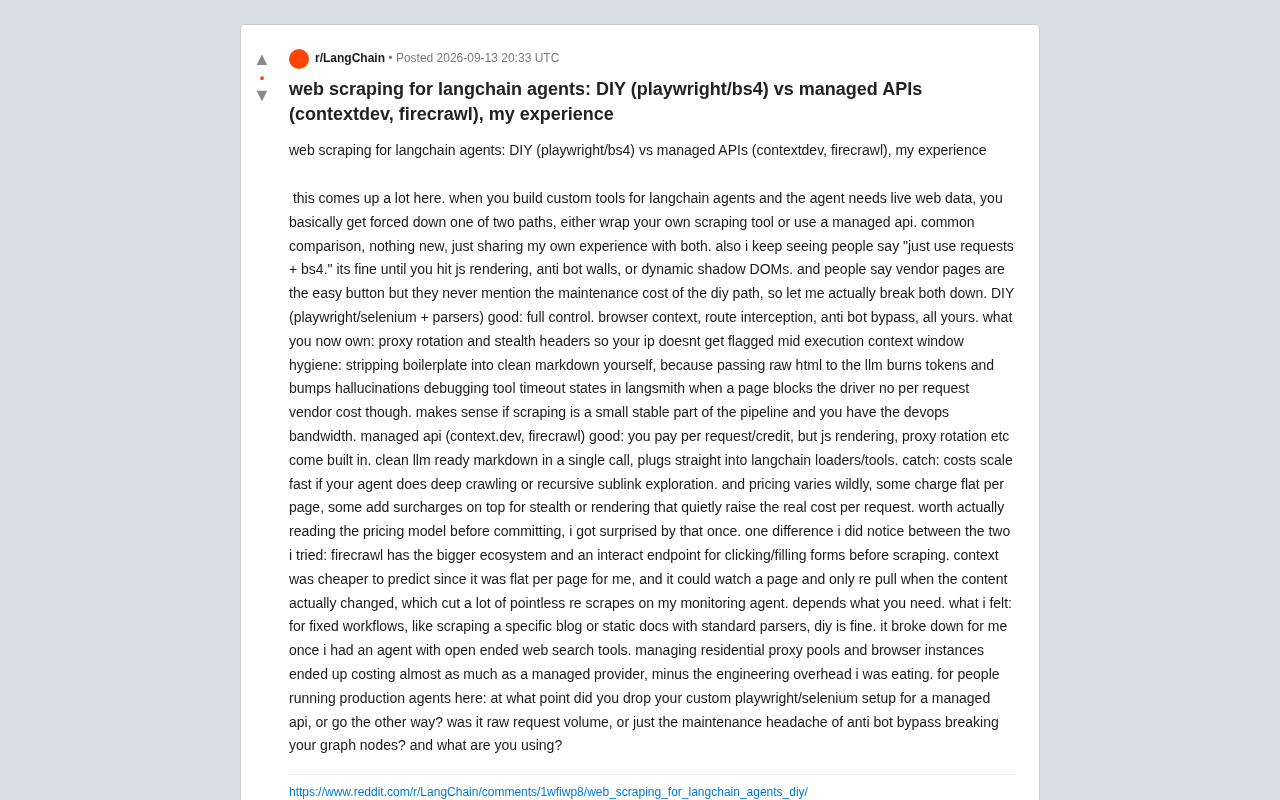
LangChain Agent Web Scraping: DIY vs. Managed API — A Practical Comparison
DIY scraping vs. managed APIs for LangChain Agents: compare Playwright/bs4 self-builds against Firecrawl and context.dev on cost, anti-bot maintenance, and when to switch.
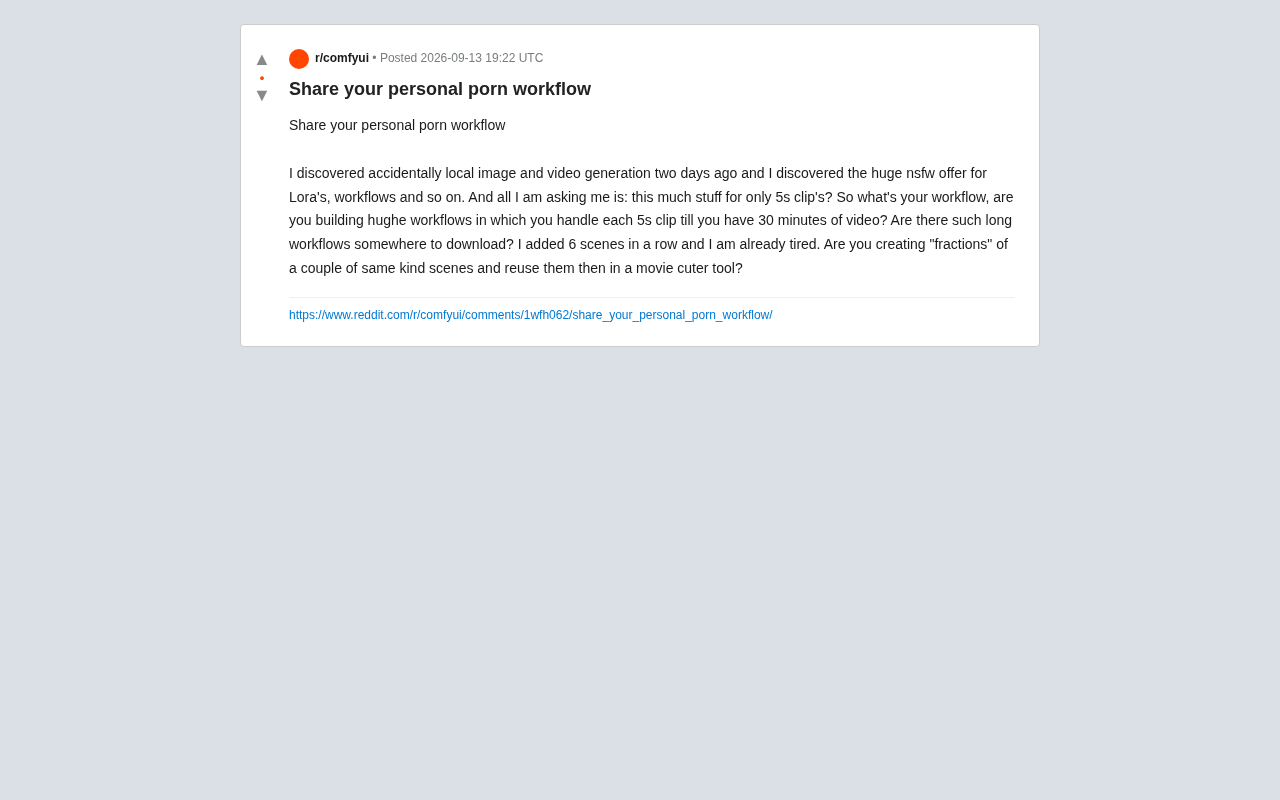
Local AI Video Generation Workflow: The Real Challenges of Stitching Short Clips Together
Why local AI video generation is stuck at 5-second clips, and how creators stitch fragments into longer videos using segmented workflows, frame bridging, and editing tools.
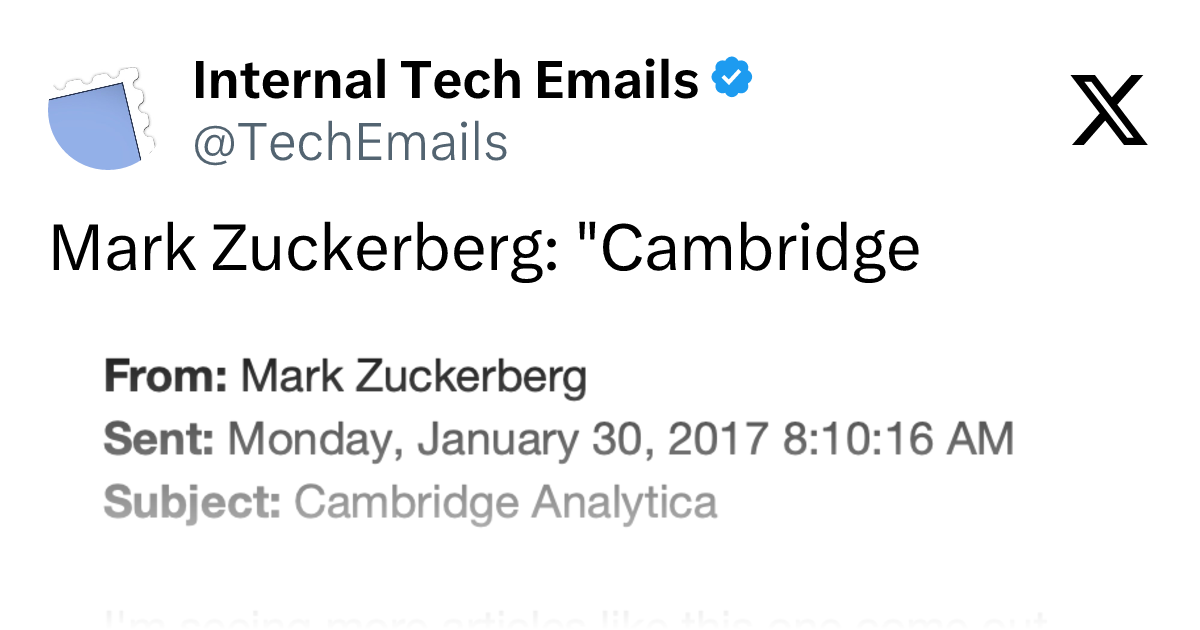
The Cambridge Analytica Scandal Revisited: The Privacy Questions Raised by Zuckerberg's 2017 Remarks
A retrospective on the Cambridge Analytica scandal and Zuckerberg's early remarks — tracing the data privacy controversy, platform accountability debates, and its lasting impact on tech industry governance.