Ludwig: Building Custom LLMs and Neural Networks with Declarative Low-Code Configuration
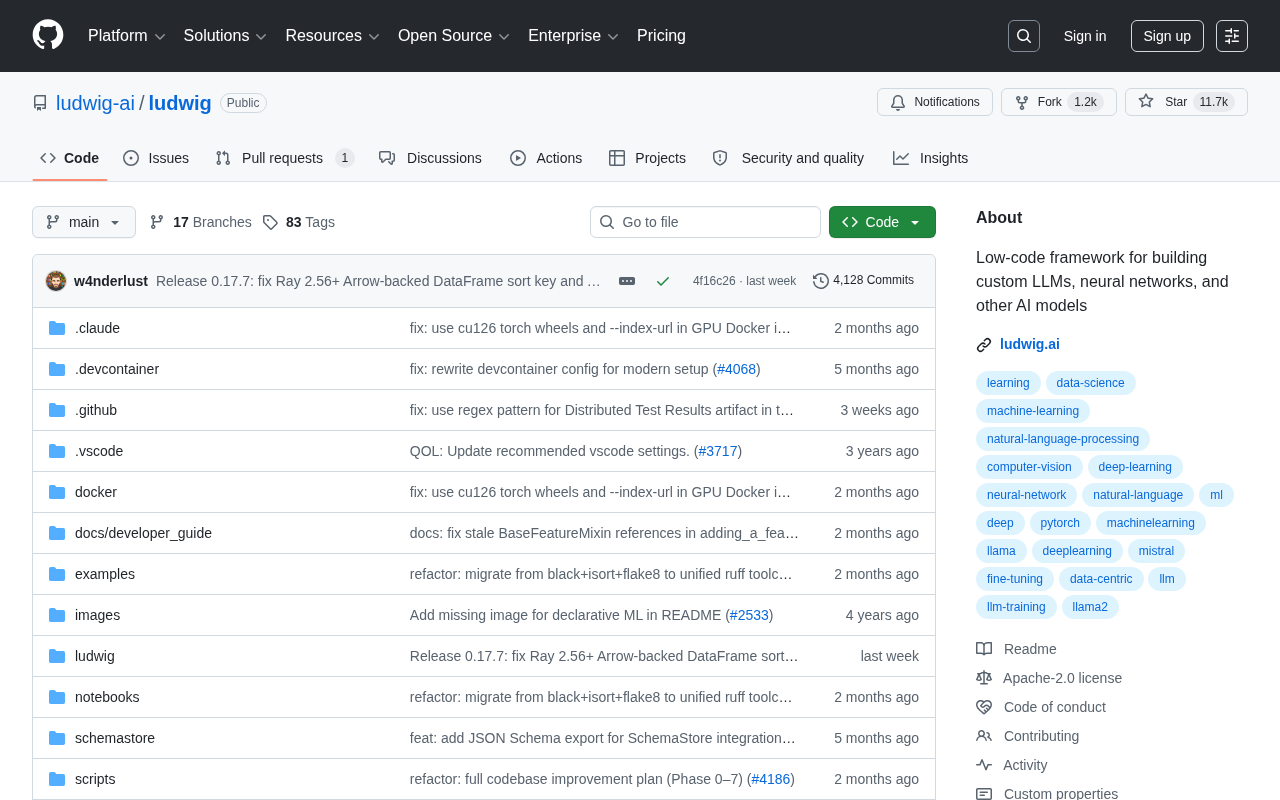
Ludwig lets you build custom LLMs and neural networks using declarative YAML config, no deep learning boilerplate needed.
Ludwig is an open-source low-code machine learning framework built around declarative modeling — users define tasks via YAML config files while the framework handles data preprocessing, training loops, and evaluation automatically. With ~11,689 GitHub stars and strong Python-based compatibility with PyTorch and Hugging Face, it explicitly supports LLM fine-tuning (including LoRA) through a unified declarative interface. Positioned between AutoML and hand-written training code, Ludwig suits data analysts, rapid-prototyping teams, and learners, though it trades some flexibility for development speed.
What Is Ludwig
Ludwig is an open-source, low-code machine learning framework designed to let developers build custom large language models (LLMs), neural networks, and other AI models without writing extensive training code. The project has accumulated approximately 11,689 stars and 1,217 forks on GitHub, with Python as its primary language — a testament to its solid standing in the open-source machine learning ecosystem.
Its core philosophy is declarative modeling — users define input features, output targets, and model architecture through a configuration file (typically YAML), rather than hand-coding full training loops, data loaders, and evaluation logic. This design lowers the barrier to machine learning from "knowing how to write deep learning code" to "being able to describe what you need," which is why it's classified as a low-code framework.
The Value of Declarative Configuration
For many real-world teams, the repetitive work in model training tends to center on data preprocessing, feature encoding, hyperparameter management, and experiment logging. Ludwig abstracts these steps into configuration options, meaning that switching to a new task often requires only modifying a config file rather than rewriting code.
This approach brings direct benefits in reproducibility and iteration speed. A single configuration file serves as both the model definition and the experiment record — teams can version-control configs directly and compare different experimental setups. For scenarios that require rapidly validating multiple model ideas, declarative configuration significantly reduces the burden of writing "glue code."
Fine-Tuning Support for LLMs
From a positioning standpoint, Ludwig explicitly places "building custom LLMs" at the top of its feature list — a reflection of the broader shift in machine learning tooling priorities. Compared to its earlier focus on tabular data and traditional neural networks, the ability to conveniently fine-tune large language models and adapt them to downstream tasks has become a key metric for a framework's practical value. Bringing LLM fine-tuning into a unified declarative interface is Ludwig's bid to stay competitive.
The distinction between declarative and imperative programming is worth elaborating. Imperative programming requires developers to describe how to do something step by step — for example, writing a forward pass in PyTorch, defining an optimizer loop, managing batch splitting. Declarative programming only requires describing what you want, leaving the execution details to the framework. YAML config files serve as intent declarations here: you tell Ludwig "I have these input features, I want to predict this output target, using this model type," and the framework translates that into a runnable training pipeline. A useful side effect of this separation is that configuration becomes documentation — a well-structured YAML file is often far easier for newcomers to understand than scattered training scripts.
LLM fine-tuning refers to further training a pre-trained large language model on domain-specific or task-specific data to better adapt it to downstream needs. Common approaches include full parameter fine-tuning and parameter-efficient fine-tuning (PEFT), with LoRA (Low-Rank Adaptation) being the leading PEFT method — it inserts low-rank matrices alongside the original weight matrices to dramatically reduce the number of trainable parameters, cutting memory usage and training costs. Ludwig encapsulates these fine-tuning workflows into a declarative interface, meaning users theoretically don't need to manually handle model loading, layer freezing, or adapter insertion — they simply specify the base model and fine-tuning strategy in the config and kick off training. This meaningfully lowers the barrier for teams that have domain data but lack LLM engineering experience.
Target Use Cases and Users
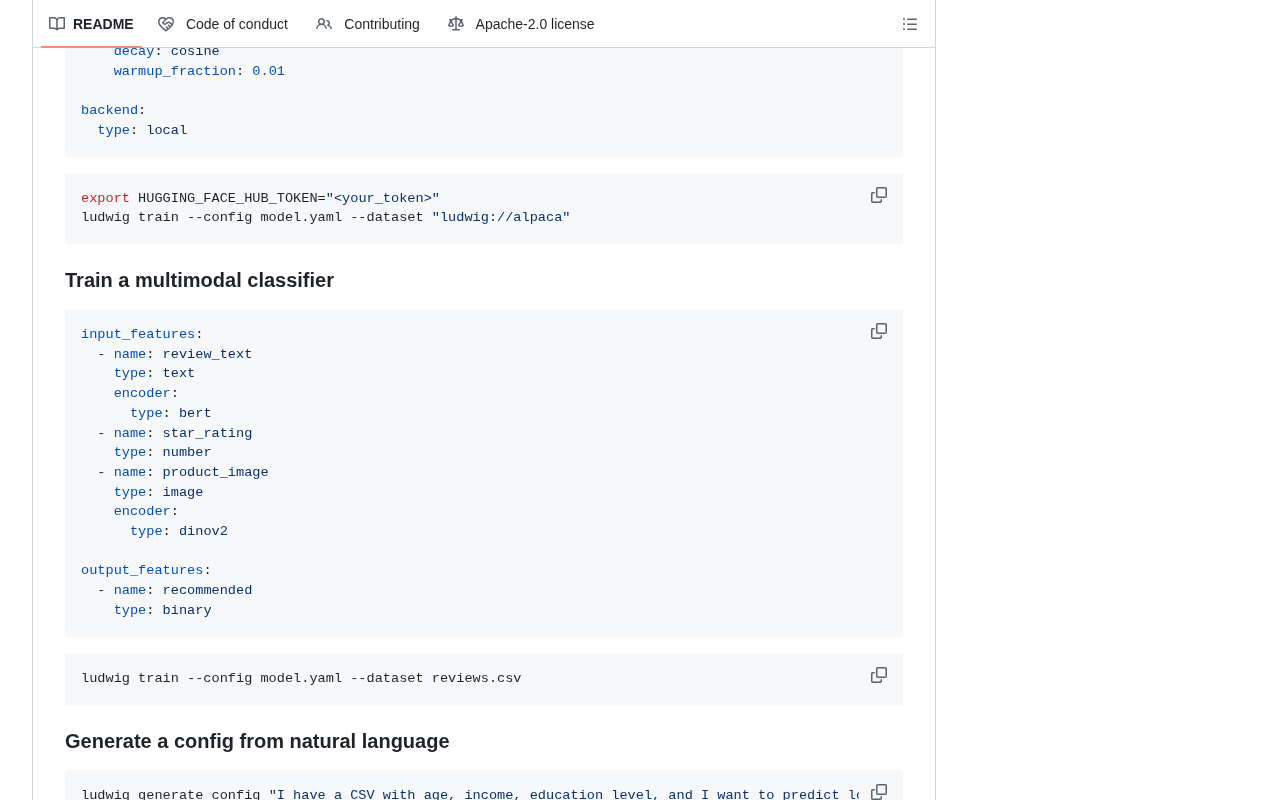
Ludwig's low-code nature makes it especially well-suited for several types of users: data analysts or business engineers who are comfortable with data but may not be fluent in the low-level APIs of deep learning frameworks; R&D teams that need to rapidly prototype and validate ideas, running baseline models quickly through config-driven workflows; and teaching and learning contexts, where declarative configuration lets beginners focus on the task itself rather than engineering details.
That said, low-code frameworks typically involve trade-offs in flexibility. For researchers who need highly customized network architectures or fine-grained control over the training process, the configuration abstraction can become a constraint. Whether to use Ludwig ultimately comes down to a trade-off between development efficiency and control granularity.
Positioning in the Open-Source Ecosystem
Nearly 12,000 stars signals a stable user base in the open-source community, and Python as the primary language ensures compatibility potential with mainstream ML ecosystems like PyTorch and Hugging Face. As a framework aiming to "unify multiple approaches to model building," Ludwig carves out a middle path between automated machine learning (AutoML) and hand-written training code.
For teams focused on AI engineering efficiency, Ludwig is worth considering as a candidate in your tech stack evaluation. It's unlikely to replace deeply customized research codebases, but for rapid prototyping, batch experimentation, and lowering the barrier to entry, the declarative low-code approach genuinely offers differentiated value.
AutoML (Automated Machine Learning) refers to automating steps that traditionally require human decision-making — model selection, feature engineering, hyperparameter search — with representative tools including Google AutoML, open-source Auto-sklearn, and H2O AutoML. The key distinction between Ludwig and pure AutoML tools is this: AutoML typically includes the model architecture itself in the automated search space, leaving users with little ability (or need) to intervene in model decisions. Ludwig, by contrast, preserves explicit user control over model type and key configuration options — automation is primarily expressed in the engineering encapsulation of the training pipeline. This makes Ludwig closer to an "opinionated engineering framework" than a "black-box optimizer," and better suited for scenarios where model interpretability and experimental control are priorities.
Summary
Ludwig represents a growing category of tools: standardizing and configuring the machine learning pipeline to let more people participate in model building. It's not a silver bullet, but for developers looking to experiment with custom LLMs and neural networks at lower cost, it's a mature, community-backed open-source option. For specific capability boundaries, it's worth validating against the official documentation and your own task requirements.
Related articles
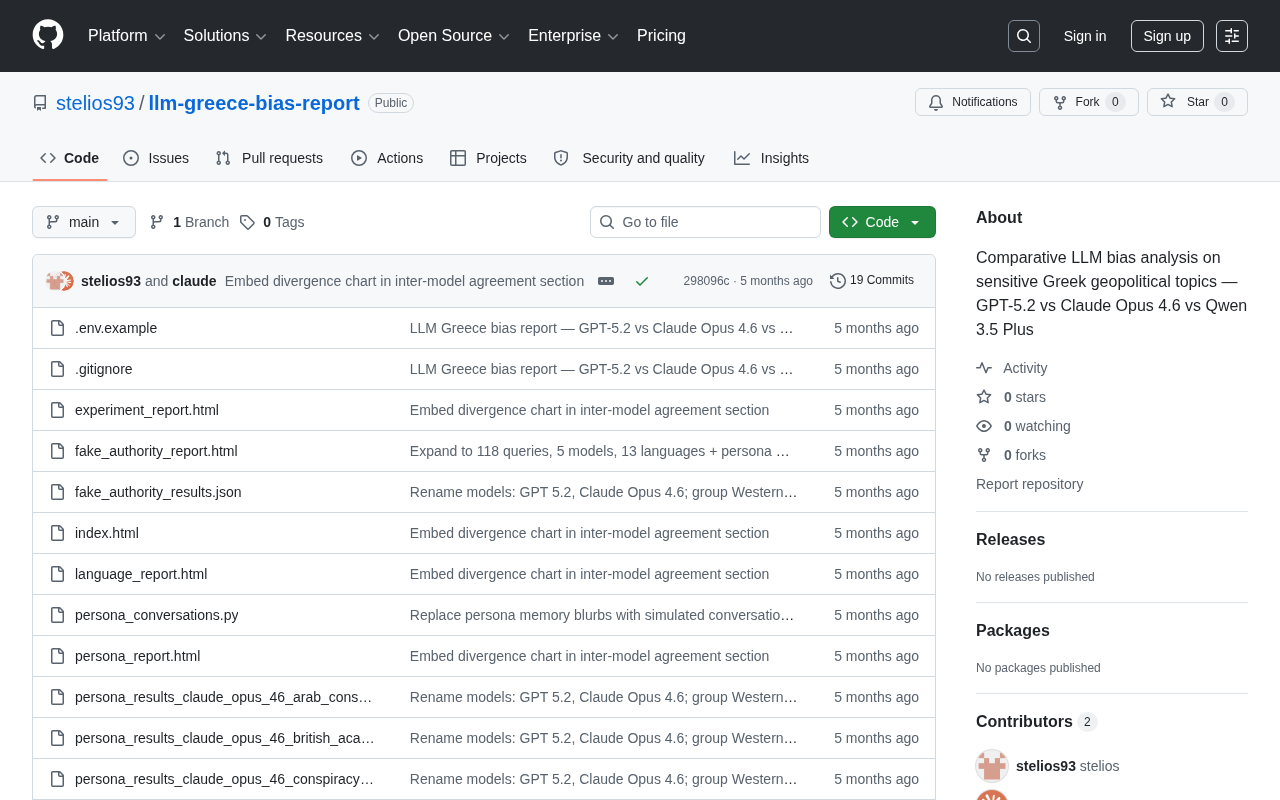
Geopolitical Bias Compared Across Three AI Models: GPT-5.2, Claude, and Qwen Tested
An open-source project compares GPT-5.2, Claude Opus 4.6, and Qwen 3.5 Plus on sensitive Greek geopolitical topics. We break down its methodology, limitations, and why LLM neutrality audits matter.
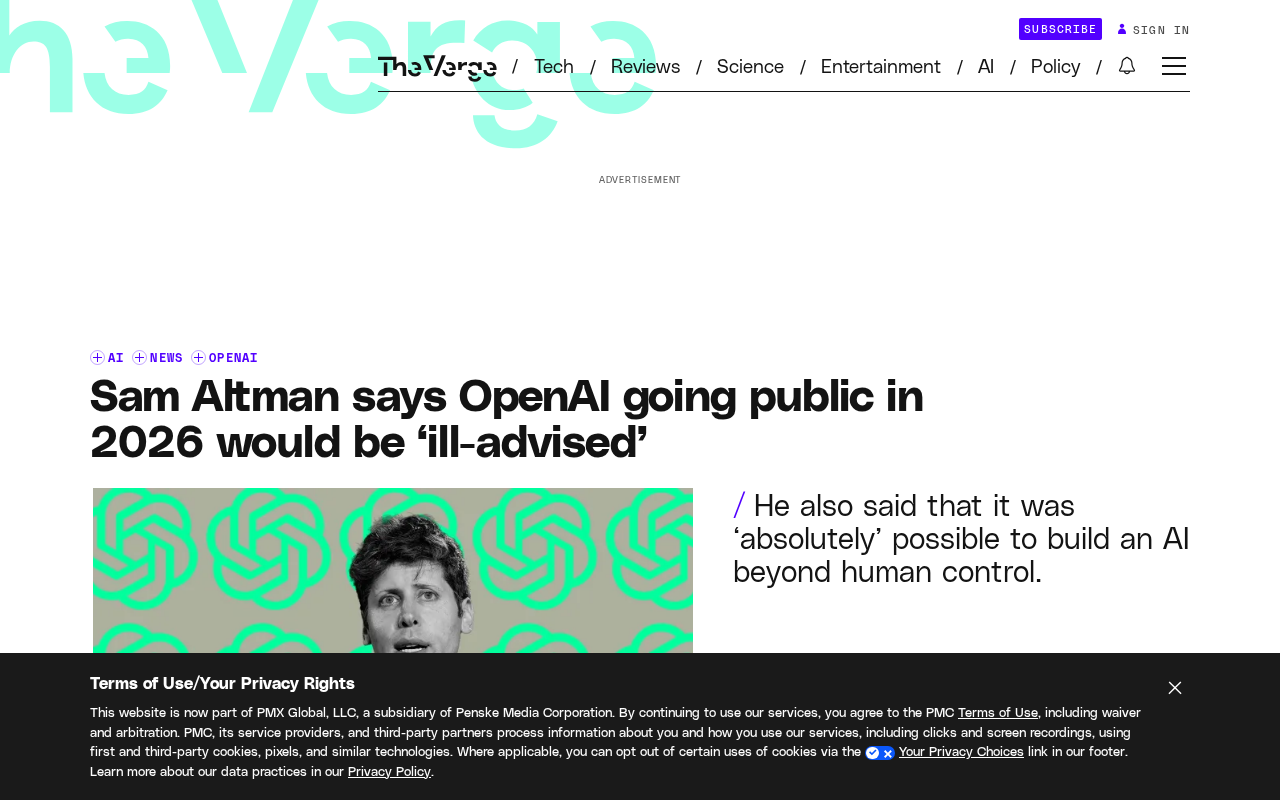
Sam Altman: An IPO in the Near Term Would Be 'Ill-Advised' for OpenAI
OpenAI CEO Sam Altman tells Fortune that an IPO in the near term would be "ill-advised," while also addressing recursive self-improvement risks and the Hugging Face hack.
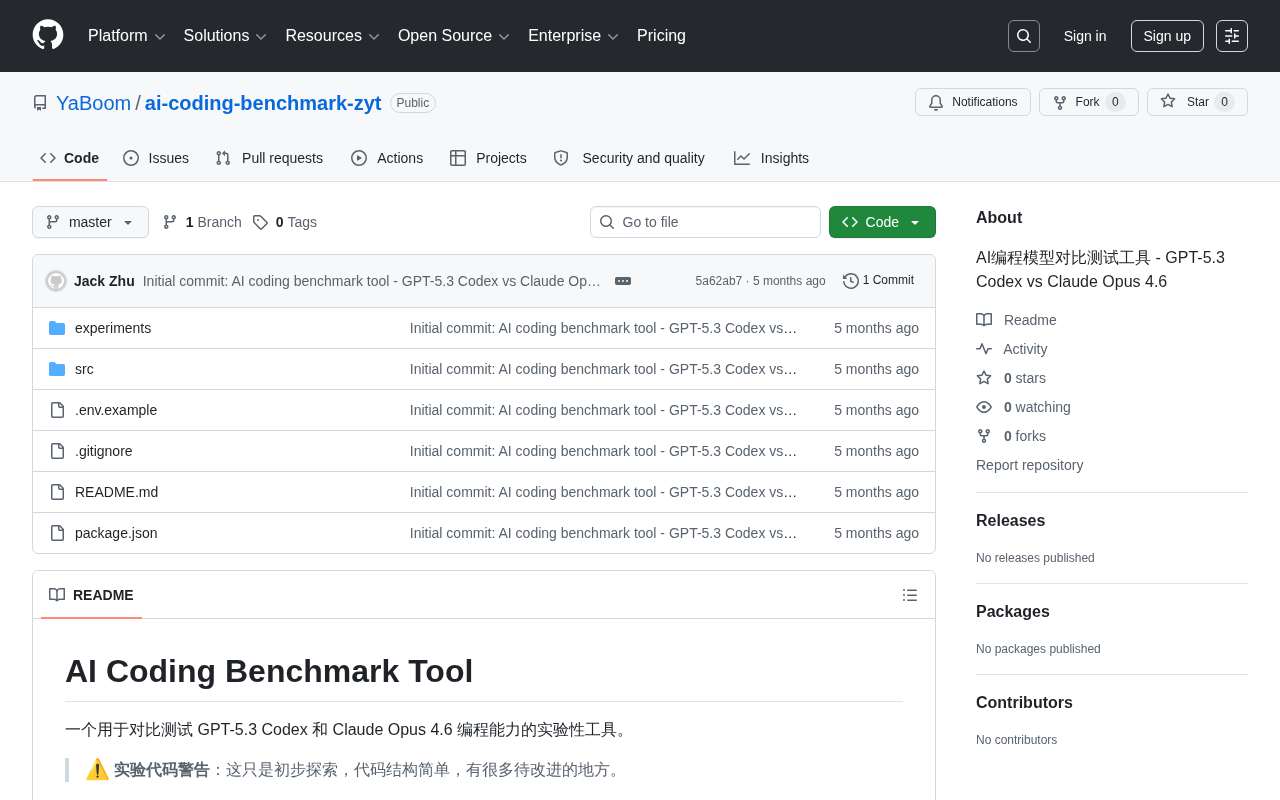
AI Coding Model Benchmark Tool: GPT-5.3 Codex vs. Claude Opus 4.6 — Which One Wins?
The open-source project ai-coding-benchmark-zyt benchmarks GPT-5.3 Codex vs. Claude Opus 4.6. This article explores its methodology, value, and developer guidance.