Meta One Subscription Launches: Putting a Price Tag on Social Media and AI Features
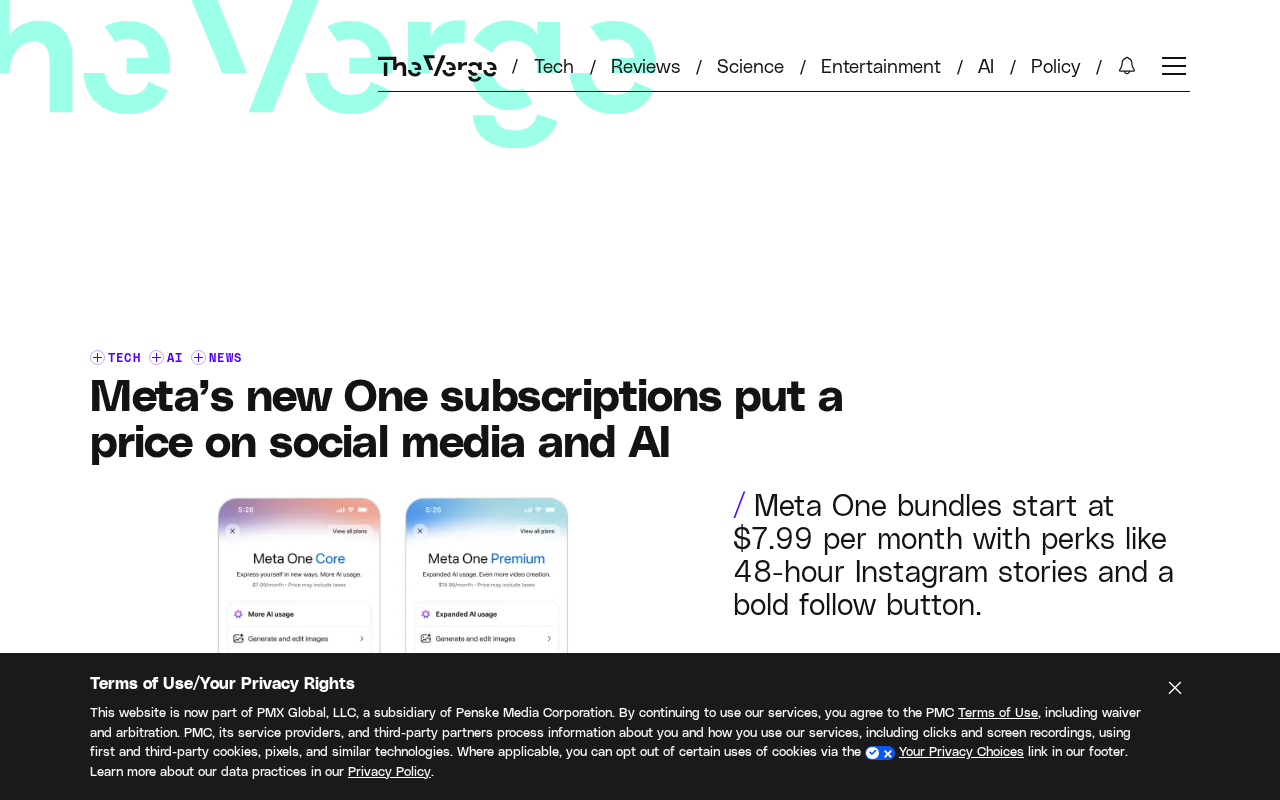
Meta officially launches tiered Meta One AI subscriptions, bundling app benefits with AI credits as social platforms shift from ads to subscriptions.
Meta has launched "Meta One" subscription plans globally, bundling social app benefits with AI usage credits across individual, creator, and business tiers — deeply tied to its new AI assistant Muse. The core rationale is that generative AI inference costs are high and hard to cover through advertising alone, making subscriptions a predictable non-ad revenue stream. The move further confirms that AI subscriptions are becoming a standard monetization path for tech giants, adding a new paid dimension to the long-dominant "free plus ads" social media model.
Meta Launches Meta One Subscription Plans
Shortly after unveiling its all-purpose AI assistant Muse, Meta followed up by rolling out a series of subscription plans. Branded as "Meta One," these bundled packages combine subscriptions to Meta's individual apps with additional AI usage credits. According to official announcements, some Meta One tiers entered testing earlier and are now officially available to users worldwide.
This move marks Meta's first clear price tag on AI capabilities beyond its vast social media empire. For years, Meta's social products have operated on a "free plus ads" model. Now, with generative AI features deeply integrated across its platforms, the company is clearly looking to explore subscription revenue as a new monetization path.
Tiered Pricing: Plans for Individuals, Creators, and Businesses
Based on available information, Meta One offers multiple tiers targeting different user groups:
Individual Users
Designed for everyday consumers, this tier bundles subscription benefits across Meta's individual apps with a set allocation of AI features, giving users a more complete experience at a package price.
Creators
This tier targets content creators with higher AI usage limits or exclusive tools, helping creators leverage AI for more efficient content production, editing, and distribution.
Business Users
The business-focused tier likely includes team collaboration features, larger-scale AI usage capacity, and value-added services oriented around marketing and commercial operations.
This tiered structure aligns with the mainstream monetization approach seen across SaaS and AI products — using differentiated pricing to serve customers with varying spending power and usage intensity, maximizing the reach of subscription revenue.
The Connection Between Muse and the Subscription Ecosystem
The launch of Meta One is closely tied to Muse, Meta's newly released AI assistant. Muse is positioned as an all-capable AI assistant, and the "additional AI usage credits" included in Meta One plans are very likely designed around Muse and similar AI features.
In other words, Meta is gradually transforming AI from a free add-on into a billable commodity — or a premium benefit sold through subscriptions. For heavy AI users, the basic free tier may no longer suffice, and subscribing becomes the gateway to unlocking more powerful capabilities. This mirrors the tiered subscription approach taken by OpenAI, Google, and other vendors for their AI assistants.
Muse is a multimodal AI assistant Meta launched in 2025, positioned similarly to OpenAI's ChatGPT or Google's Gemini. It can assist with text conversations, image generation, content creation, and more. Compared to the earlier Meta AI, Muse is designed as a "super assistant" more deeply embedded within Instagram, WhatsApp, Facebook, and other app experiences — rather than a standalone chatbot. This embedded design means users will frequently trigger AI calls during everyday use of social apps, naturally generating demand for higher usage limits. This is the core logic underpinning Meta One subscriptions: first cultivate usage habits through a free basic tier, then meet power users' advanced needs through paid plans.
Why Meta Is Charging for AI
Generative AI is expensive to operate. Large model inference requires substantial computing resources — a fundamentally different cost structure from traditional social media, which relies primarily on advertising and has near-zero marginal costs. As AI features are embedded at scale into Instagram, WhatsApp, Facebook, and other apps, Meta must find a revenue model capable of covering those compute costs.
The value of subscriptions lies in providing predictable, non-advertising cash flow. For users who want to reduce ad exposure or need stronger AI capabilities, paid subscriptions are a natural choice. Bundling subscriptions to multiple apps with AI credits also helps boost user retention and average revenue per user.
Inference cost is one of the fundamental drivers pushing AI companies toward subscription models. Every time a user sends a request to an AI and receives a response, it requires extensive matrix computations on GPU clusters — with electricity and hardware depreciation costs far exceeding the marginal cost of traditional internet services. For GPT-4-class models, industry estimates put the cost at roughly a few dollars per million input tokens, and heavy users can generate tens of dollars in compute consumption per month. By contrast, the marginal cost of displaying a social media ad is essentially negligible. This fundamental difference in cost structure means a pure advertising model is unlikely to sustainably support large-scale AI services in the long run — subscriptions or usage-based billing are almost inevitable.
What This Means for the Industry
Meta One's global launch reflects a broader commercial transformation underway across social platforms. The old cycle of "offer free services to capture attention, then monetize attention through ads" now has a new dimension layered on top: "monetize AI capabilities through subscriptions."
For users, this means the way people engage with social and AI products will become increasingly diverse — you can continue using basic features for free, or pay for a more powerful AI experience. For the industry as a whole, Meta's move further validates that "AI subscriptions" are becoming one of the standard monetization paths for tech giants.
As more details emerge, the actual pricing of Meta One, the specific benefit differences across tiers, and whether it can genuinely drive users' willingness to pay all remain to be tested by the market. But one thing is clear: the era of free social media and AI is quietly being repriced.
Related articles
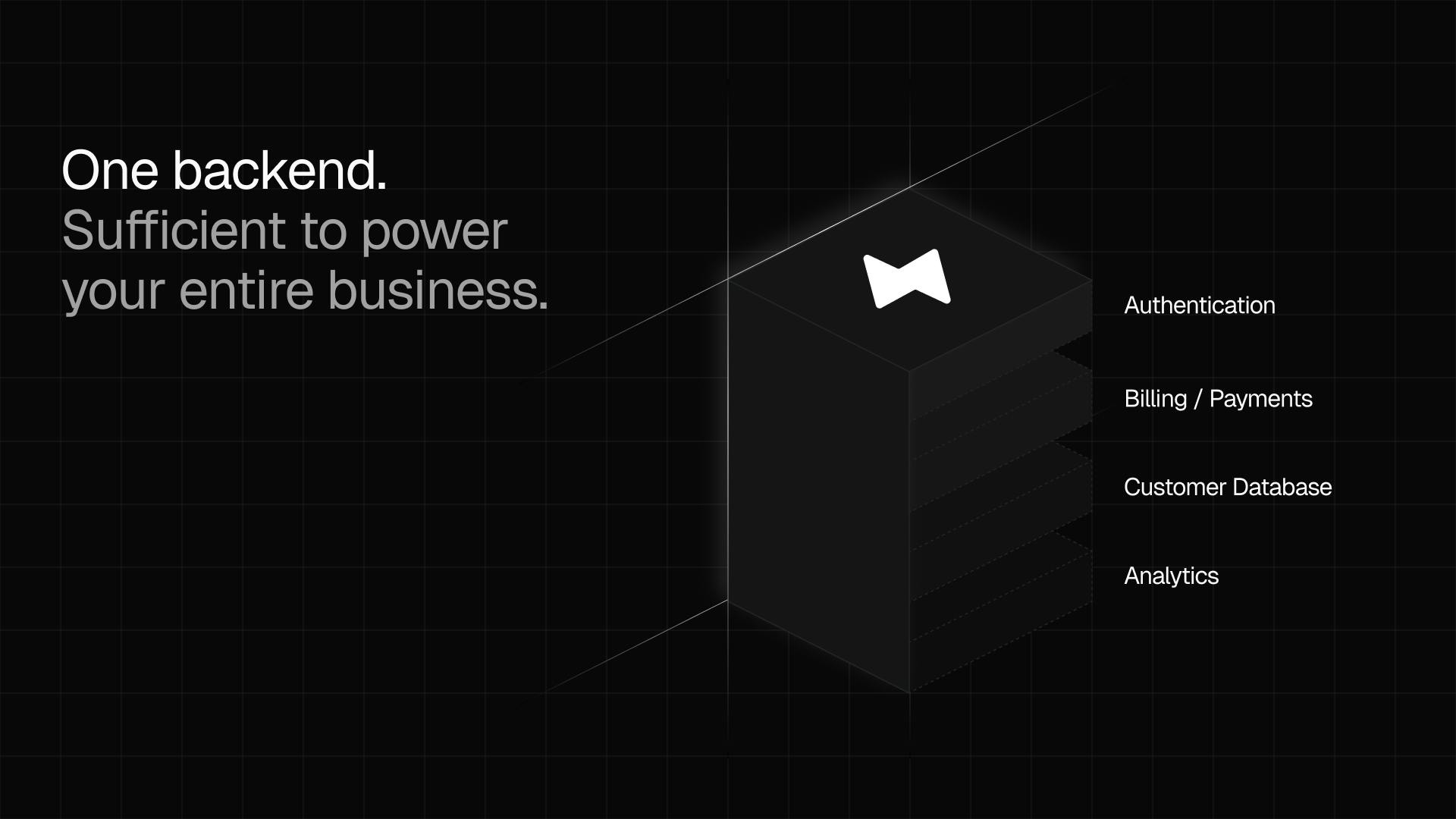
tiun.: An All-in-One Auth and Payments System Built for AI Developers
tiun. topped Product Hunt by giving AI developers auth, payments, billing, customer data, and analytics in one system — installable with a single command.

Axari: Let Your AI Twin Take Over the Mundane Work of Security Operations
Axari introduces an AI twin for SecOps teams, autonomously handling alerts, compliance checks, and repetitive tasks directly within Slack and Microsoft Teams.
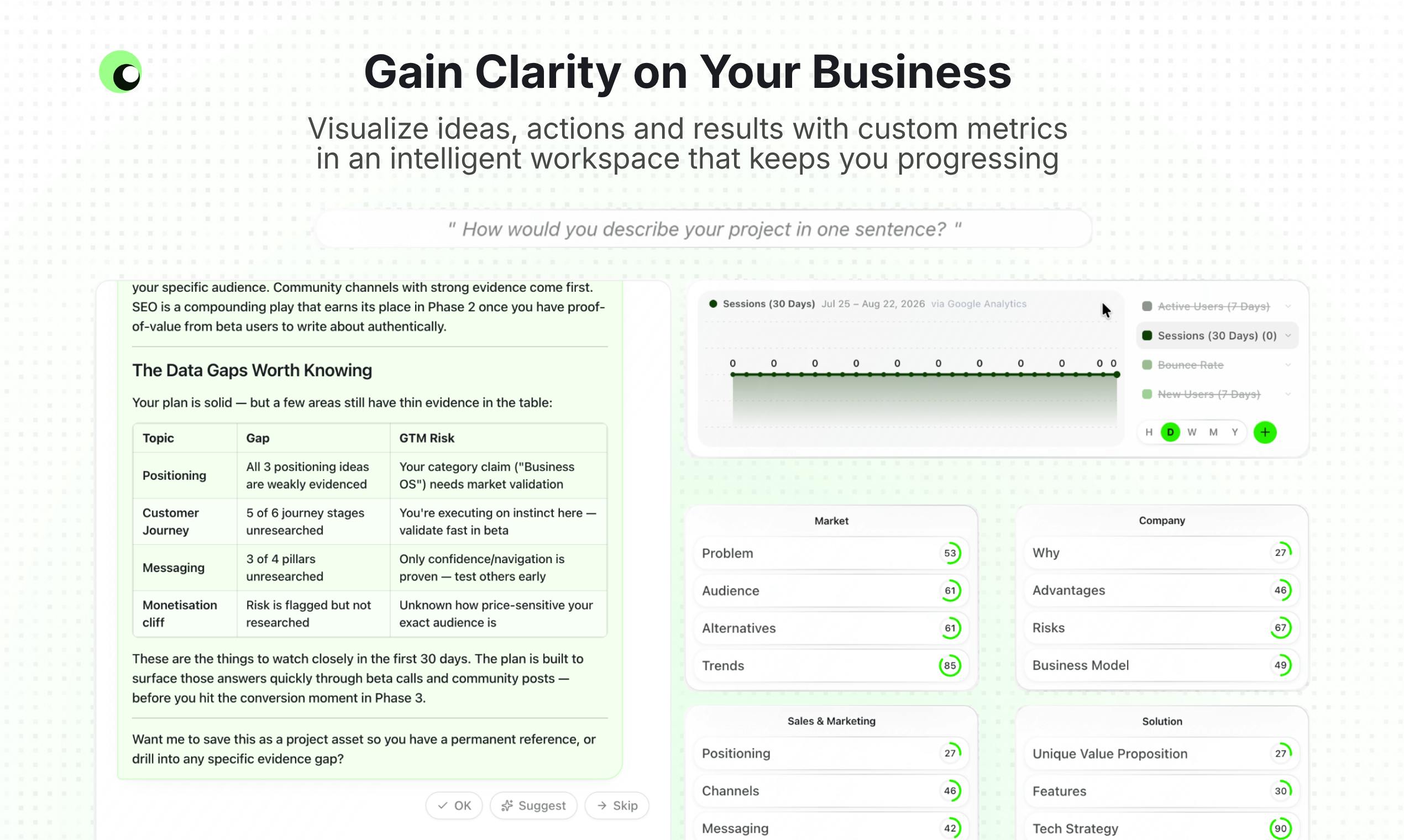
siift: Turning AI Startup Noise into Actionable Business Decisions
siift is an AI startup decision tool that turns scattered AI conversations and advice into a living business map — covering validation, GTM, and growth.