Meta Reportedly Developing Camera-Free Smart Glasses 'Luna' in Response to Privacy Backlash
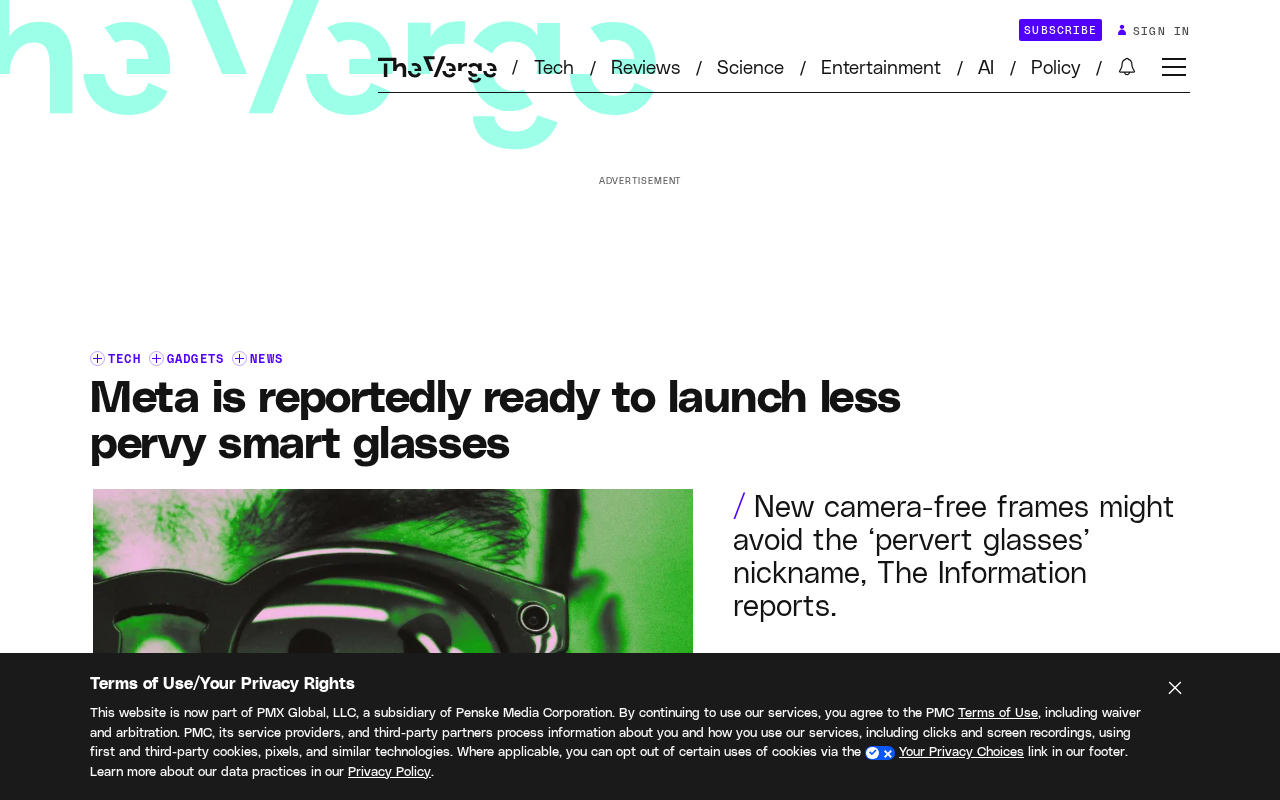
Meta reportedly plans camera-free smart glasses 'Luna' to address ongoing privacy concerns over its flagship wearable.
According to reports, Meta is developing camera-free smart glasses codenamed "Luna" — a direct response to the privacy controversy sparked by its flagship model's video recording feature. By removing the camera entirely, Luna shifts focus to voice assistants and AI interaction, using a "less is more" strategy to rebuild public trust. The move echoes the lessons of Google Glass's consumer market failure and suggests that privacy design is becoming a must-have, not a bonus, in smart wearables. Meta has not yet officially confirmed the product.
Meta's Smart Glasses Face a Privacy Trust Crisis
According to a report by tech media outlet The Information, Meta is preparing to launch a new pair of smart glasses codenamed "Luna" — and their most defining feature is the complete absence of a camera. This move is widely interpreted as a direct response to the ongoing privacy controversy surrounding its current flagship product.
Meta's flagship smart glasses come equipped with a built-in video recording capability, allowing wearers to quietly film their surroundings at any time. This has triggered a sustained public relations crisis. Passersby have no way of knowing whether they're being recorded, and this "unknowing surveillance" scenario has struck a nerve with the public's sensitivity around privacy boundaries.
Luna: A Smart Glasses Without a Camera
Reports indicate that the camera-free glasses codenamed Luna could make their debut at an upcoming Meta event. By removing the camera entirely, the product sidesteps all "covert recording" concerns and shifts the functional focus of smart glasses away from "capturing" toward other interaction scenarios.
For Meta, this represents a meaningful strategic pivot. The company had previously been doubling down on its smart glasses' shooting and content-capture capabilities as core selling points. Luna takes the opposite approach — using subtraction to rebuild trust with both users and the general public.
Why "Less Is More"
The commercialization challenges facing smart glasses stem largely not from the technology itself, but from social acceptance. Google Glass faced fierce backlash in its day precisely because of its ability to record others at any moment, ultimately fading from the consumer market. Meta has clearly taken that lesson to heart — when a camera becomes a burden on trust, removing it may be more effective than repeatedly explaining why it shouldn't be feared.
A camera-free version can still retain voice assistant functionality, audio playback, notification alerts, AI interaction, and more — making it a genuinely "smart" pair of glasses, just without the unsettling sense of surveillance it creates for those nearby. This also signals that the value proposition of smart glasses is being fundamentally re-examined.
Balancing Privacy and Innovation
Meta's potential move reflects an unavoidable question facing the entire wearables industry: how do you strike a balance between technological capability and social ethics? Cameras unlock a wide range of applications, but they also inherently carry privacy risks.
Launching a camera-free model doesn't mean Meta is abandoning its camera-equipped product line. It's more likely a tiered strategy — using products with different positioning to address different user concerns. For users who are especially privacy-conscious, or for use cases in sensitive environments, a product like Luna offers an alternative.
It's worth noting that the information above remains at the reporting stage. Meta has not officially confirmed Luna's specific specifications or launch timeline. The product's final form, feature set, and whether it will truly be entirely camera-free all remain to be officially revealed.
What is a "tiered product strategy"? It refers to a brand launching product lines with different feature configurations to address the concerns and needs of different user groups, maximizing market coverage. Apple has long employed this approach with the iPhone lineup — standard and Pro models serve different needs while sharing the same brand identity. If Meta simultaneously maintains a camera-equipped flagship alongside the camera-free Luna, it would essentially be using "privacy sensitivity" as a product differentiation axis: the former targets users focused on recording experiences, while the latter opens doors to settings like schools, hospitals, and offices where filming is restricted, as well as consumers who are naturally averse to the feeling of being watched. The risk of this strategy is that if the camera-free version is perceived by the market as a "feature-stripped" product, it could affect its pricing power and the brand's overall positioning.
Implications for the Industry
If Luna ultimately launches, the signal it sends deserves the attention of the entire smart hardware industry: as AI-powered devices get closer to our bodies and more ubiquitous in our lives, privacy-by-design is shifting from a "nice-to-have" to a "must-answer" question.
Manufacturers can no longer assume users will tolerate privacy trade-offs in exchange for cool features. Instead, proactively reducing the intrusion a device imposes on others at the product level may become a key differentiator in the next phase of smart wearables competition. Whether it succeeds or fails, Meta's approach of "removing the camera" as its solution provides the industry with a case study worth discussing.
Background: The Google Glass Cautionary Tale
The failure of Google Glass remains one of the most instructive lessons in the history of wearable devices. In 2013, Google sold Google Glass to developers — a head-mounted display with photo, video, voice search, and other features that was seen as a groundbreaking product. Yet it rapidly generated intense public backlash. Wearers were mockingly dubbed "Glassholes," and numerous restaurants, bars, and casinos explicitly banned the device on their premises. The core issue was the camera: bystanders had no way to tell whether someone was recording them, and this persistent uncertainty created widespread social anxiety. Google stopped selling to general consumers in 2015, pivoting to the enterprise market. This episode powerfully illustrates that the resistance facing consumer-grade wearable camera devices is not a technical problem — it is a fundamental issue of social trust that cannot be resolved through feature improvements or user education alone.
Related articles

AI Agent Terminology Too Confusing? One Interactive Concept Map to Untangle 40+ Core Terms
Confused by AI Agent terms like MCP, harness, orchestration, and skills? AI Concept Atlas is an interactive map visualizing 40+ concepts and their relationships, with cited sources.
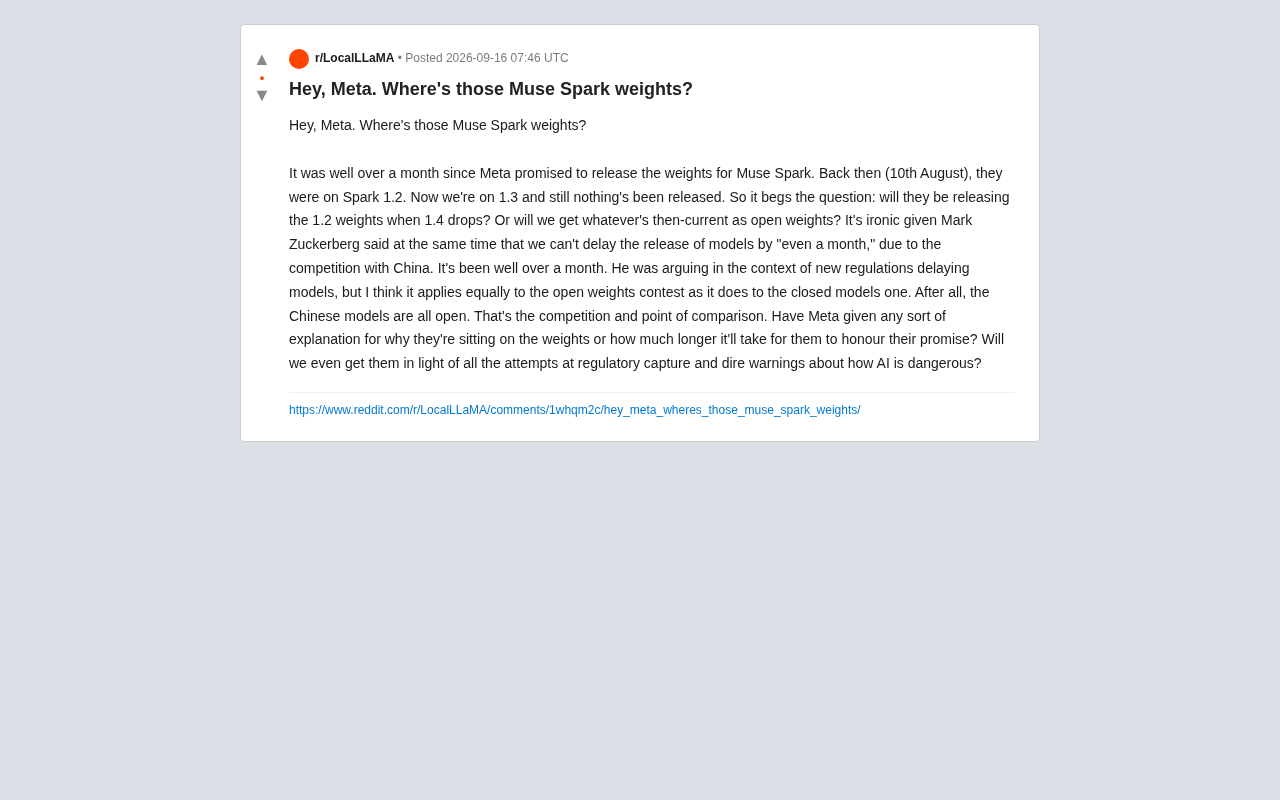
Meta's Broken Promise: Community Demands to Know Where the Muse Spark Weights Are
Meta promised to open-source Muse Spark model weights over a month ago, but still hasn't delivered. The community questions how this squares with Zuckerberg's "can't delay even a month" stance.
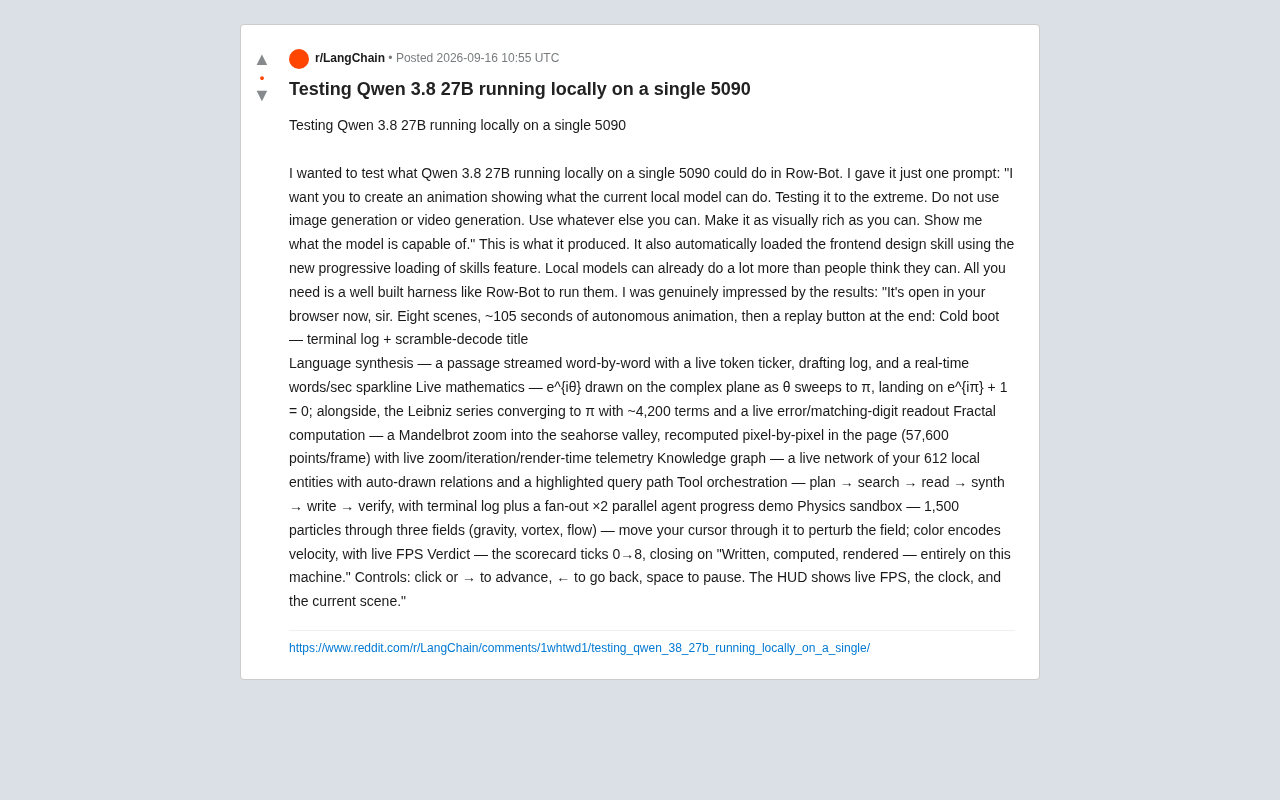
Running Qwen3 27B Locally on a Single RTX 5090: What Can It Actually Do?
A developer runs Qwen3 27B locally on a single RTX 5090 via the Row-Bot Agent framework, generating an 8-scene, 105-second interactive animation from one prompt — including real-time math, fractals, and physics.