Meta's Broken Promise: Community Demands to Know Where the Muse Spark Weights Are
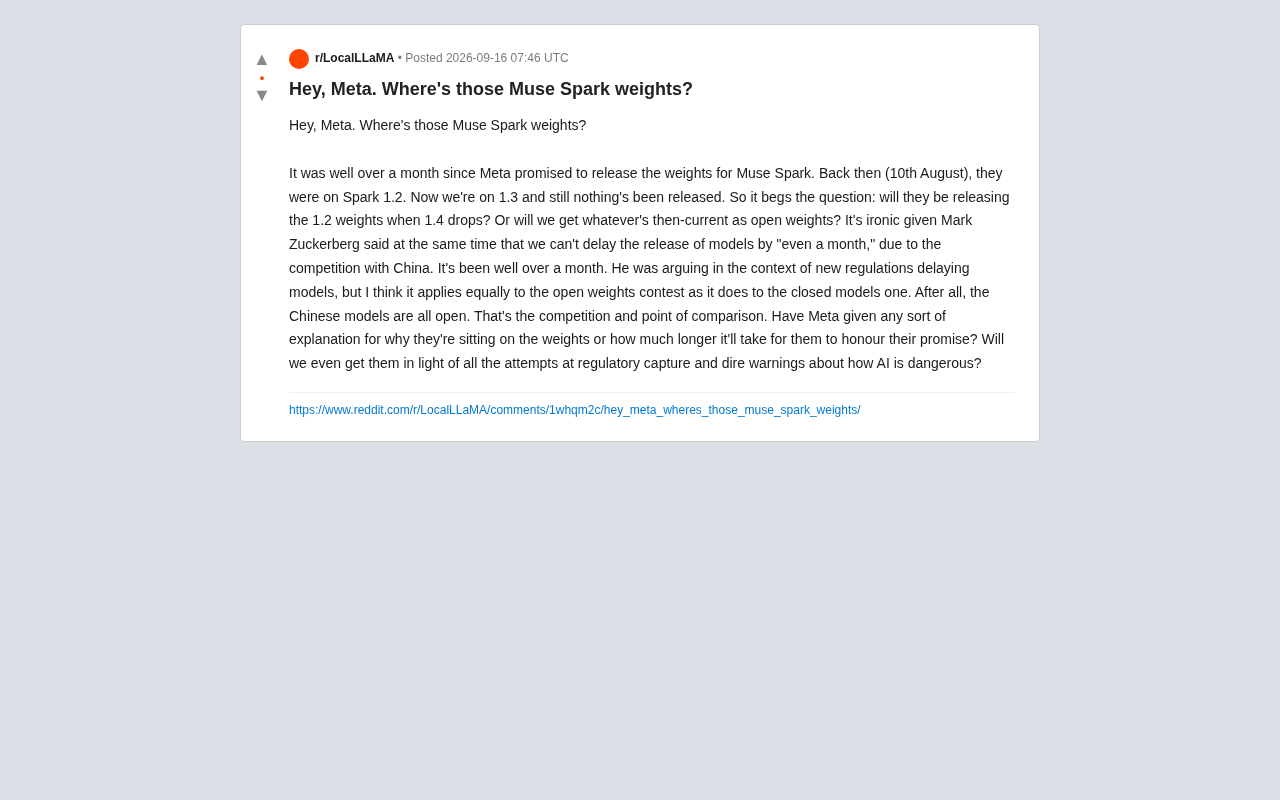
Meta's open-source promise for Muse Spark weights remains unfulfilled over a month later, contradicting Zuckerberg's own urgency rhetoric.
Meta publicly committed on August 10th to releasing open-source weights for its Muse Spark 1.2 model, but over a month later the model has advanced to version 1.3 while the weights remain unreleased. The Reddit community has raised multiple layers of criticism: the mismatch between version cadence and open-source delivery; the irony that Zuckerberg claimed releases couldn't be delayed "even a month" due to Chinese competition — yet Chinese rivals compete precisely through open-source releases; and concerns that "regulatory capture" narratives may be used as cover to indefinitely shelve open-source commitments. Meta has yet to offer any public explanation, and the episode highlights a persistent tension between corporate promises and actual delivery in the open-source AI ecosystem.
An Unfulfilled Open-Source Promise
On August 10th, Meta publicly committed to releasing the weights for its Muse Spark model as open source. At the time, the model was at version Spark 1.2. More than a month later, the model has already moved on to version 1.3 — yet the promised open-source weights are nowhere to be found. This has sparked public criticism from the developer community: when exactly does Meta plan to follow through?
When the topic surfaced on Reddit, it raised several pointed questions. Chief among them is the mismatch between the model's release cadence and its open-source cadence — when version 1.4 eventually lands, will Meta retroactively release the already-outdated 1.2 weights, or will it open-source whatever version is current at that time? If only older weights are released, the practical value of the open-source commitment would be significantly diminished.
A Sharp Contrast with Zuckerberg's Public Statements
One irony repeatedly highlighted in the discussion is Mark Zuckerberg's own remarks from around the same period. Zuckerberg had emphasized that, due to competition with China, model releases could not be delayed "even a month." He made this statement in the context of proposed regulations that might slow down model deployments.
But the original poster pointed out that the same logic applies to the competition around open-source weights. The Muse Spark weights have now been sitting idle for "well over a month" — a stark contrast to the timeline Zuckerberg himself drew. On one hand, Meta publicly champions speed and zero tolerance for delays; on the other, it's dragging its feet on its own open-source commitment.
The Core of the China Competition Argument Is Open Source
A key argument in the post is that the "competition with China" Meta keeps invoking is primarily about open-source models. "The Chinese models are open source — that's the competition, that's the benchmark," the poster wrote.
This observation cuts to an important reality in today's AI landscape. Several major models released by Chinese teams in recent years have been published with open weights, earning significant influence across the global developer community. If Meta is using "competing with China" as its justification for moving fast, then stalling on the open-source front is logically incoherent — because open source is the arena where that competition plays out.
Regulatory Concerns or Selective Delay?
The poster raised an even deeper concern: whether Meta's silence is connected to maneuvering around AI safety regulations. The post referenced attempts at "regulatory capture" and various warnings about the dangers of AI.
The implicit critique is this: some companies publicly amplify AI risk narratives and push for regulatory frameworks that benefit their own position, while potentially using "safety" as a pretext to delay or shelve open-source releases. The poster worried that under such circumstances, it's no longer a given that the Muse Spark weights will ever actually materialize.
As of the time of the discussion, Meta had not provided any public explanation for why the weights have been withheld or when it intends to deliver on its commitment.
On "regulatory capture": Regulatory capture refers to a dynamic where government agencies tasked with overseeing an industry gradually come to be dominated by that industry's leading players, ultimately producing rules that favor incumbents and raise barriers to competitors. In the AI context, this concern manifests as large tech companies testifying before Congress and regulators about AI's potential dangers — calling for stringent safety review standards — while simultaneously using those same standards as moats to make it difficult for resource-constrained startups or open-source communities to compliantly release models. The poster's argument is that if regulatory pressure and safety narratives are selectively applied to constrain open-source releases while leaving commercial APIs untouched, then "safety" stops being a technical standard and becomes a competitive weapon.
Why Open-Source Promises Matter
For the developer community, open-source weights are far more than just a download link. They represent the ability to deploy locally, fine-tune, audit model behavior, and build derivative applications on top of the model. Promising open source and then failing to deliver directly erodes community trust in a vendor, and leaves teams who planned projects around that model in a state of uncertainty.
At its core, the scrutiny around Muse Spark reflects a recurring tension in the open-source AI ecosystem: the gap between a company's public posture and its actual delivery. When "speed cannot be compromised" becomes the external talking point while internal open-source commitments keep getting delayed, the community's skepticism is entirely justified.
Note: This article is based on a single Reddit discussion thread. Meta has not officially responded to the questions raised, and all timelines and assessments reflect the community's perspective.
On model weights: Model weights are the parameter files saved after a neural network completes training — essentially the full encoding of everything a model has "learned." Having the weights means you can run the model locally without an internet connection or API calls, fine-tune it for specific tasks, or inspect its internal structure layer by layer to assess safety and bias. This is fundamentally different from API-only access, where users remain perpetually dependent on the vendor's servers and have no control over the model itself. This combination of control and transparency is what makes open-source weights so valuable to developers, researchers, and enterprise users — far beyond just "free to use." When a vendor uses "open source" to attract community attention but fails to actually release the weights, the damage isn't just to specific project plans — it undermines the credibility of the entire "openness" narrative.
Related articles
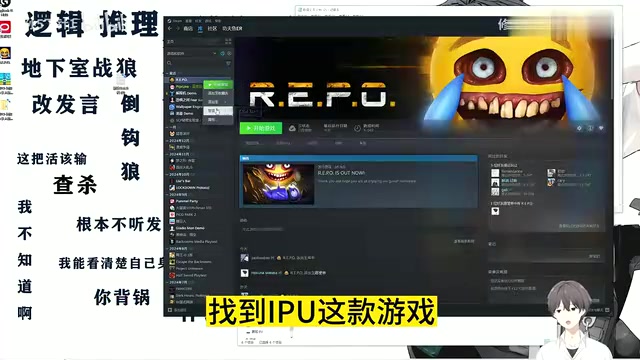
R.E.P.O Chinese Localization Guide: Install the Patch in Three Simple Steps
A beginner-friendly R.E.P.O Chinese localization guide: browse local files, paste the patch, and verify in three steps. Includes troubleshooting tips and backup advice.

R.E.P.O Chinese Localization Patch Installation Guide: Step-by-Step Full Chinese Interface
Step-by-step guide to installing a Chinese localization patch for R.E.P.O. From browsing local files to Ctrl+V overwrite — get a full Chinese UI in minutes.
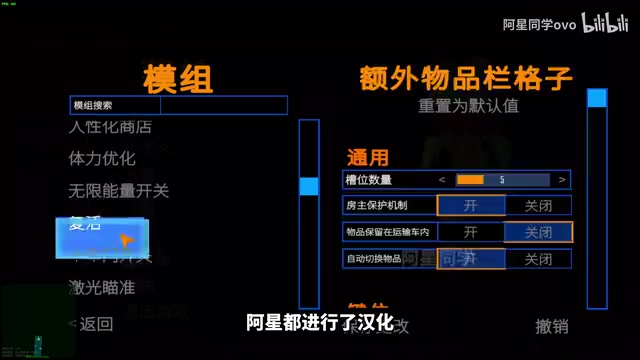
REPO Game 60+ Mod Pack Breakdown: Dancing, Localization, and Save Protection All in One
A complete breakdown of the REPO game 60+ mod pack: dancing, Chinese localization, item shrinking, shared upgrades, password skip, and F7 save protection — with easy install guide.