Meta's $989 Million Child Safety Settlement: Behind the $2.2 Billion Profit Hit
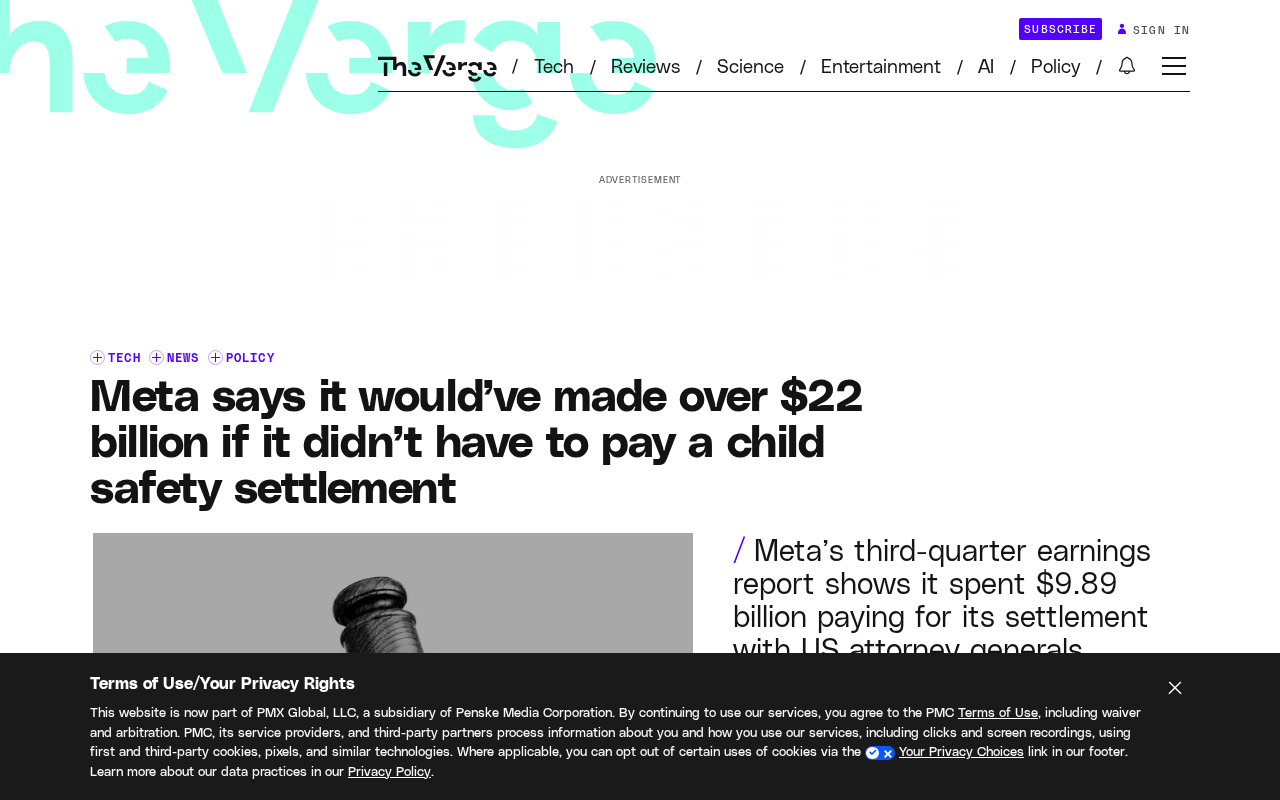
Meta paid a $989M child safety settlement, cutting operating profit by nearly $1B and highlighting rising compliance costs for tech giants.
Meta's Q3 earnings report shows the company paid a $989 million child safety settlement, reducing operating profit by nearly $1 billion from the $22.89 billion it would have been excluding this expense. The total settlement of $1.71 billion stems from a joint investigation by U.S. state attorneys general into Meta's minor protection measures, focusing on Instagram's impact on teen mental health and inadequate controls on harmful content. Though no wrongdoing was admitted, the amount set a record for similar cases, reflecting regulators' tough stance. Analysts view the expense as a one-time profit adjustment item, with the core advertising business remaining solid; however, regulatory pressure may force Meta to strengthen age verification and content moderation, raising long-term operating costs as compliance becomes an unavoidable line item in tech giants' financial reports.
Meta's $989 Million Child Safety Settlement: Behind the $2.2 Billion Profit Hit
In Meta's recently disclosed third-quarter earnings report, a $989 million child safety settlement expense has become a focal point. According to the company, excluding this expense, its operating profit would have reached $22.89 billion. This figure not only reveals the staggering scale of legal compliance costs but also once again brings tech giants' responsibility for protecting minors into the spotlight.
How the Massive Settlement Affects Meta's Profit
According to Meta's Q3 earnings report, the company has paid $989 million to cover part of a child safety settlement reached with U.S. state attorneys general. The total settlement amount is $1.71 billion, which Meta agreed to pay in August. The report explicitly states that excluding this settlement, operating profit would have been $22.89 billion. In other words, this expense directly reduced Meta's operating profit by nearly $1 billion.
This settlement is not a one-time charge but is paid in installments. Meta confirmed $989 million in expenses in its earnings report, with the remainder to be paid in future periods. For a giant with quarterly revenue in the tens of billions, a billion-dollar expense is not devastating, but it is enough to draw the attention of investors and analysts.
The Background of the Child Safety Settlement
The settlement stems from a joint investigation by multiple U.S. state attorneys general into Meta's minor protection measures on its platforms. The investigation focused on the impact of products like Instagram on adolescent mental health, as well as the platform's inadequacies in preventing minors from accessing harmful content. Although the settlement details have not been fully disclosed, the total amount of $1.71 billion has set a new high for similar cases.
Meta did not admit wrongdoing in the settlement but agreed to pay the fine and adjust some product features. This outcome reflects regulators' tough stance on tech companies' child safety responsibilities and serves as a warning to other social platforms.
U.S. State Attorneys General are the chief law enforcement officers of each state, with independent investigative and prosecutorial powers separate from the federal government. In the field of tech regulation, state attorneys general often pressure large platforms through joint investigations or multi-state litigation, becoming an important force in driving platform compliance, especially when federal legislation lags behind. This joint investigation into Meta was initiated collaboratively by multiple state attorneys general, focusing on whether the platform violated state consumer protection laws or regulations related to minor protection. Such multi-state settlements typically require companies to pay fines, commit to reforms, and accept long-term oversight, with amounts often higher than single-state litigation, creating a powerful deterrent effect.
Tech Giants' Compliance Costs Are Rising
Meta's case is not an isolated one. In recent years, regulators worldwide have increasingly scrutinized tech giants across data privacy, antitrust, and minor protection. From the EU's Digital Services Act to independent lawsuits by U.S. states, compliance costs have become an unavoidable line item in tech companies' financial reports.
For Meta, the child safety settlement is only part of its legal expenses. The company also faces other lawsuits and investigations that could generate more costs in the future. Investors need to watch the ongoing impact of these potential liabilities on profits.
The EU's Digital Services Act (DSA) was adopted in 2022 and fully applied in 2024, imposing stricter obligations on very large online platforms (with over 45 million monthly active users), including systemic risk assessments, content moderation transparency, special protections for minors, and algorithmic accountability. Non-compliant companies may face fines of up to 6% of global annual turnover. The DSA and U.S. state-level litigation form a transatlantic regulatory synergy, forcing platforms like Meta to adjust product design across multiple jurisdictions simultaneously. This fragmented but tightening regulatory landscape significantly increases compliance complexity and costs, and has made child safety a global issue.
Implications for Meta's Financial Outlook
Despite the large settlement, Meta's core advertising business remains solid. The Q3 earnings report shows overall revenue continuing to grow, with operating profit still at healthy levels after excluding the settlement. This expense is more like a one-time profit adjustment item rather than a structural threat.
However, regulatory pressure may force Meta to invest more resources in product design and operations. For example, strengthening age verification and optimizing content recommendation algorithms to reduce exposure to harmful content — while these measures help long-term compliance, they may increase operating costs and affect user growth.
Age verification is the technical prerequisite for platforms to identify minors and implement protective measures. Common methods include requiring users to upload identification documents, using facial age estimation, or verification through third-party credit agencies. However, these methods involve collecting sensitive personal information, which may raise privacy concerns and conflict with the principle of data minimization. Platforms like Meta therefore face a dilemma: strengthening verification for compliance may reduce user conversion rates and increase data breach risks; insufficient verification risks regulatory penalties. The industry is currently exploring privacy-friendly verification solutions (such as zero-knowledge proofs), but large-scale deployment will take time, and related investments will continue to drive up operating costs in the short term.
Conclusion
Meta's $989 million child safety settlement is a microcosm of the tech industry's compliance era. It reminds us that platforms must shoulder the social responsibility of protecting minors while pursuing growth. For investors, understanding the impact of such legal expenses on profits and the regulatory trends behind them is more important than simply looking at the numbers.
Related articles

M&M's Spent Millions Replacing Artificial Blue Dye — Why Is It So Hard?
Mars spent millions trying to replace artificial blue dye in M&M's with spirulina, but thick material clogs pipes and residue risks mold, forcing a full production-line rebuild. Here's the engineering behind the reformulation.
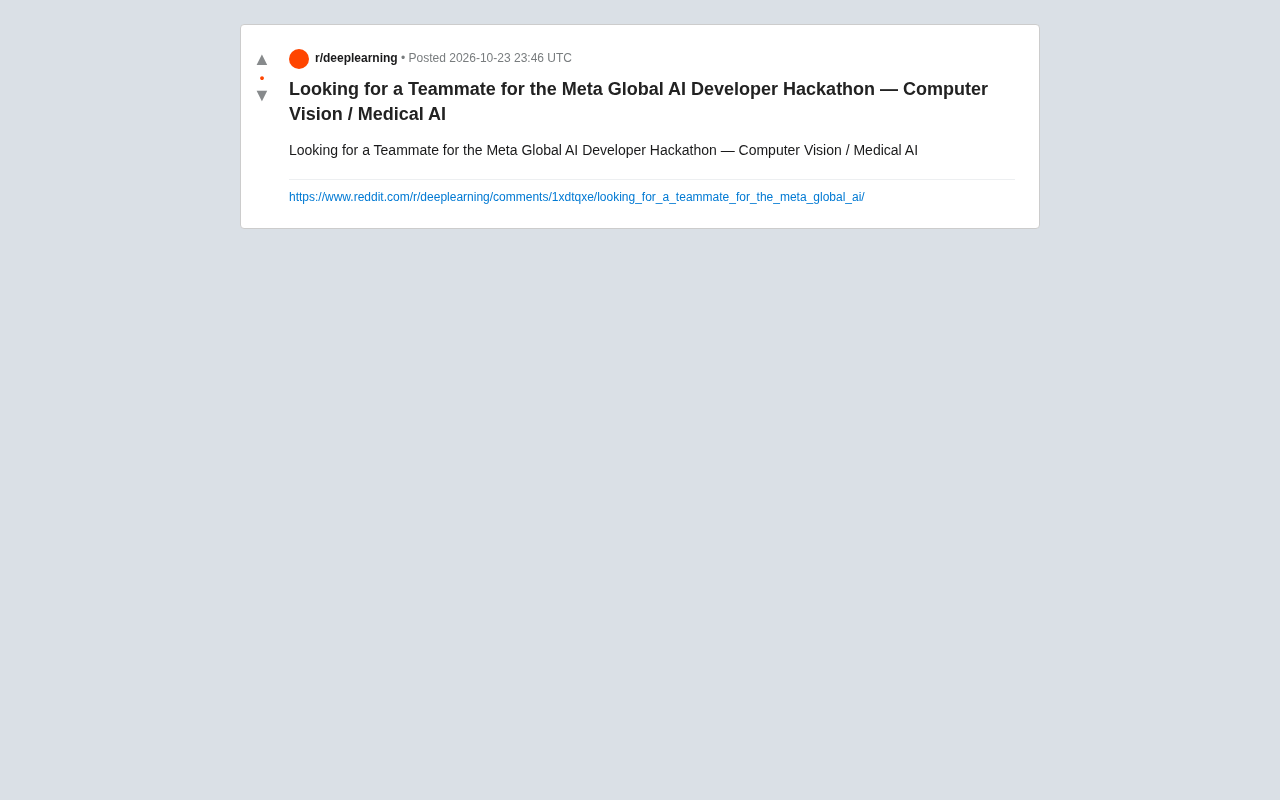
Teammate Wanted for Meta Global AI Developer Hackathon: Computer Vision & Medical AI
A Reddit developer seeks teammates for the Meta Global AI Developer Hackathon, focusing on computer vision and medical AI. This article analyzes the track logic, skills-complementarity needs, and topic selection strategy behind this teaming signal.
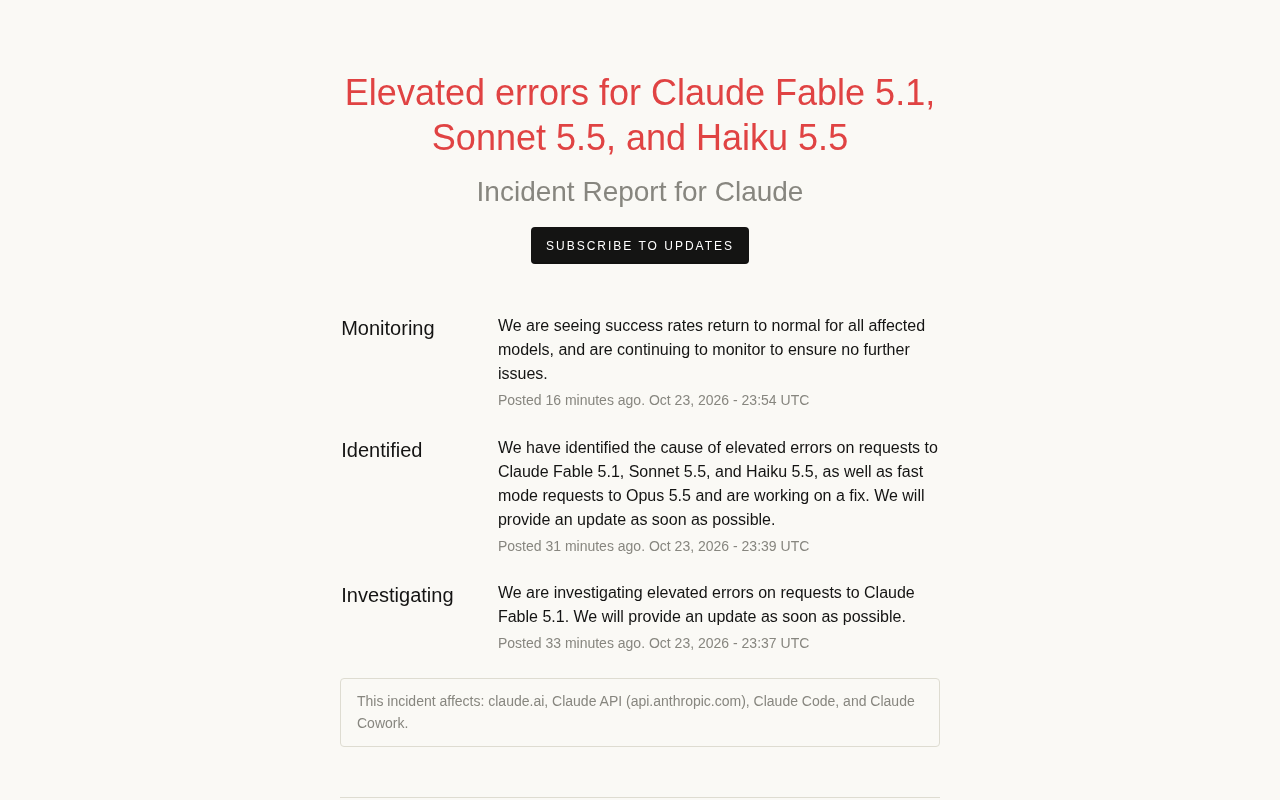
Multiple Claude Models Hit by Errors: A Postmortem of Fable 5.1, Sonnet 5.5, and Haiku 5.5
Claude Fable 5.1, Sonnet 5.5, Haiku 5.5, and Opus 5.5 fast mode saw elevated errors; Anthropic identified and resolved the issue in 17 minutes. This postmortem covers the timeline, the technical reasons for the multi-model cascading failure, and practical lessons for retry and degradation strategies.