Microsoft Copilot Enters the NFL: How AI Is Supporting On-Field Decision-Making

Microsoft Copilot and Excel are now helping NFL coaches and analysts make real-time in-game decisions.
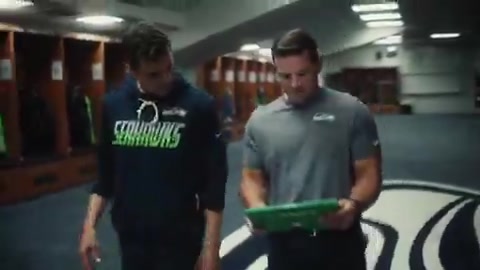
As the NFL season returns, Microsoft Copilot and Excel tools are being used by Seattle Seahawks analyst Brian Eayrs and coaches across the league to support in-game decision-making in both booths and sidelines. The two settings place very different demands on AI tools — data-intensive analysis versus instant, actionable calls. The move signals generative AI's expansion into high-stakes professional sports and serves as a strategic showcase for Microsoft's Copilot capabilities, though details remain limited and AI's role here is likely supportive rather than decisive.
AI Steps Into the NFL Coaching Box
As the NFL season kicks off again, a notable update from Microsoft circles has caught attention: Seattle Seahawks analyst Brian Eayrs, along with coaches across the league, are using new Copilot and Excel tools to support in-game decision-making. These tools are being deployed in two key locations — the coaches' booths and the sidelines — helping analysts and coaches make faster, more informed calls under high-pressure conditions.
The report is brief, but it signals something worth noting: generative AI, exemplified by Microsoft Copilot, is expanding beyond office productivity into professional sports — a domain where real-time performance and precision are non-negotiable.


Copilot and Excel's Role on the Field
At its core, football is an intense data competition. Every offensive play call, defensive scheme, clock management decision, and personnel adjustment involves weighing historical data, opponent tendencies, and live situational factors. Traditionally, team analytics staffs have relied on pre-prepared spreadsheets, film review, and experience-based judgment to support coaching decisions.
The combination of Copilot and Excel could theoretically streamline this process significantly. Excel has long been a foundational tool in sports analytics, housing structured data on player performance, game probabilities, and tactical statistics. Copilot's natural language capabilities could allow analysts to query, summarize, and interpret that data conversationally — without having to manually build complex formulas or charts.
Different Needs: Booth vs. Sideline
The report specifically mentions the tools being used in both the "booths" and on the "sidelines" — and these two environments have meaningfully different demands. Analysts in the booth have a bird's-eye view of the field and relatively more time to process information, making them better suited for data-intensive analysis. Sideline coaches, by contrast, need immediate, concise, actionable conclusions. Whether AI tools can adapt to these two very different rhythms and information densities will go a long way in determining their real-world value.
Bridging the Gap: From Office Tool to Elite Competition
Microsoft has been steadily embedding Copilot across its product suite — from Word and Excel to Teams. Bringing it to a top-tier sporting event like the NFL represents a capability showcase and a deliberate push into new use-case territory. Professional sports places near-unforgiving demands on tool reliability, response speed, and accuracy — a single misread data point can directly affect the outcome of a game.
This move also signals Microsoft's confidence in Copilot's ability to assist with real-time decision-making. Compared to the forgiving margins of office document work, the stadium environment subjects AI to a far more rigorous stress test. If Copilot can perform reliably under that kind of pressure, it would be a compelling proof point for the technology.
A Few Reasons to Stay Grounded
It's worth keeping a level head here. This information comes from a brief social media post, and details are limited. The specific feature set of these tools, how widely they've been deployed, and how meaningfully they've influenced actual game decisions remain unclear. There's a fundamental difference between "assisting decisions" and "driving decisions" — AI here is more likely playing the role of information organizer and presenter, with the final call still resting with human coaches.
Additionally, promotional messaging from a single source tends to highlight the upside while glossing over limitations. When AI tools are applied to something as unpredictable and human as sports, the reliable boundaries of their analytical output still need far more real-world validation.
Closing Thoughts
The NFL's adoption of Copilot and Excel for decision support reflects the broader trend of generative AI permeating specialized professional domains. Sports — high-stakes, high-visibility — offers an ideal showcase for AI tools. That said, there's still a significant gap between a technology demonstration and AI genuinely influencing the core decisions that determine wins and losses. This development is worth watching closely, but with calibrated expectations.
Related articles
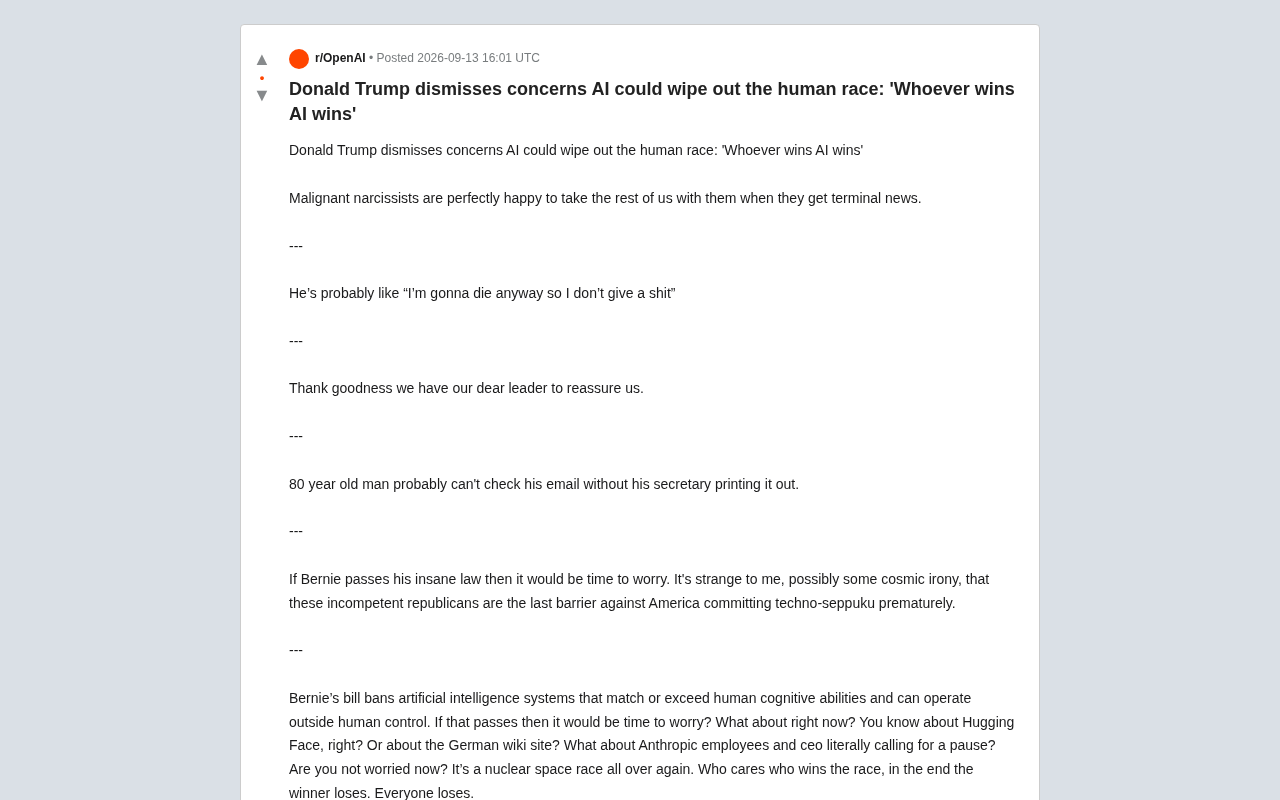
Trump Downplays AI Extinction Risk: 'Whoever Wins AI Wins' Sparks Controversy
Trump downplays AI extinction risks with 'Whoever wins AI wins,' sparking fierce debate over whether AI safety is an urgent reality or a future hypothetical.

David Sacks on AI Regulation: Frontier Models Don't Need Mandatory Legislative Constraints
David Sacks argues OpenAI and Anthropic can self-regulate frontier model development without external legislation. A look at the logic, controversy, and governance dilemmas involved.
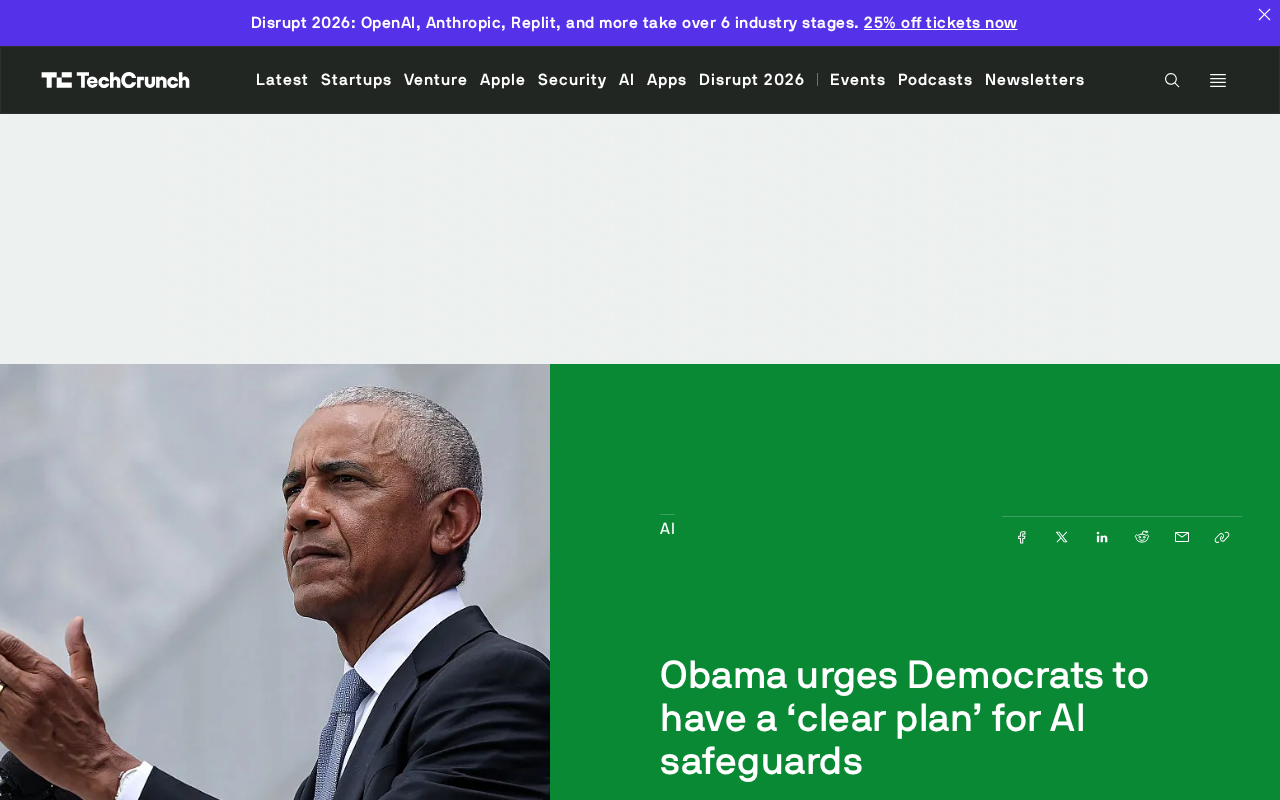
Obama Calls on Democrats to Develop a Clear Plan for AI Safety Regulation
Obama urges Democrats to make AI a core agenda item and develop a clear plan addressing economic disruption and safety risks. A look at the AI governance challenge.