Minimalist Phone Light Adds Ridesharing, Connecting Directly to Uber and Lyft
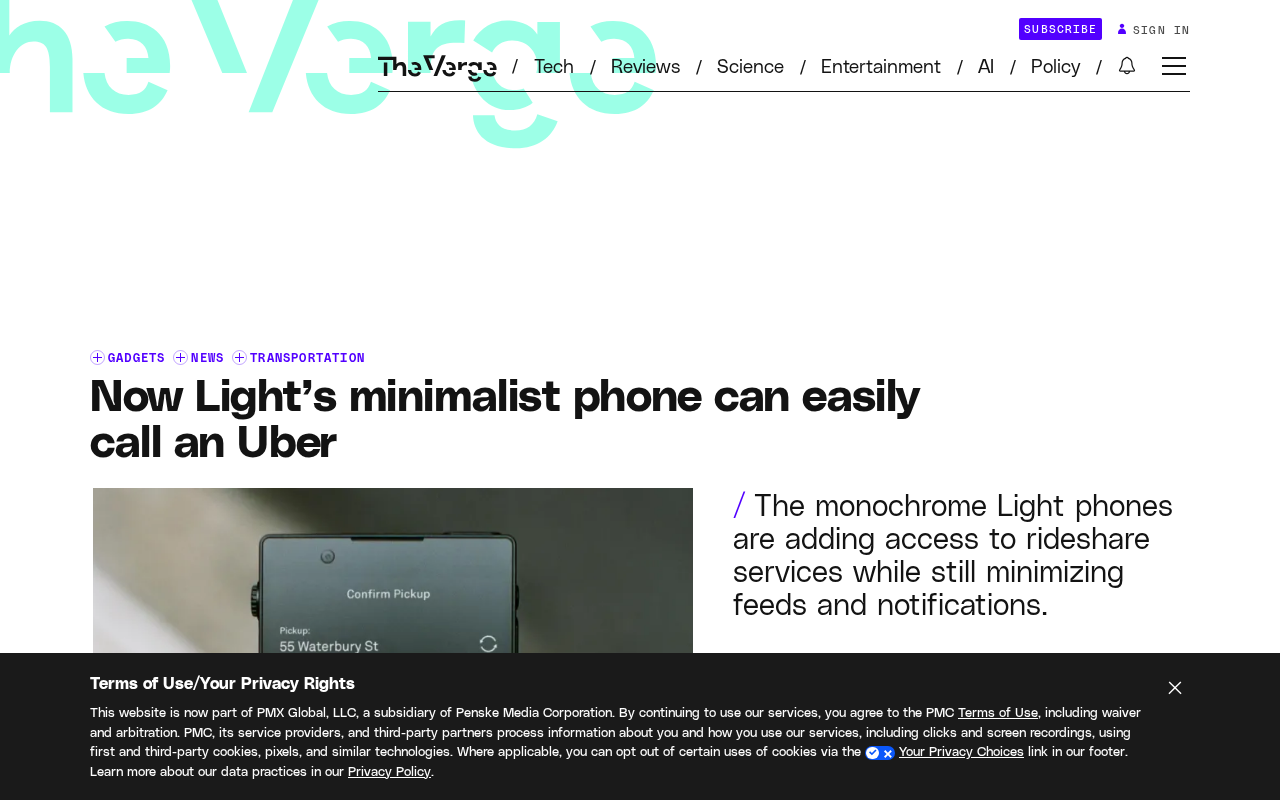
Minimalist phone brand Light launches Rideshare, bringing Uber and Lyft access without the distractions.
Light has announced a new Rideshare tool for the Light Phone III and the upcoming Light Flip, letting users hail Uber and Lyft rides without switching to a conventional smartphone. The move is a textbook example of Light balancing its distraction-free philosophy with real-world necessity — ride-hailing is goal-directed and disposable, unlike social media, making it consistent with the brand's curated expansion approach. For users who've wanted to ditch their smartphones but feared losing essential conveniences, this feature meaningfully lowers the barrier to going minimal.
Minimalist phone brand Light is adding a practical new capability to its lineup: direct ride-hailing. The company, which got its start on Kickstarter with a phone "designed to be used as little as possible," has now — more than a decade later — launched a new tool called Rideshare, letting users call Uber and Lyft rides directly from their minimal devices.
Balancing Minimalist Philosophy with Real-World Needs
Light's core product philosophy has always been about removing distractions — minimizing the ways a screen competes for your attention. Its earliest device could only make calls and send texts, deliberately stripping out social media, browsers, app stores, and anything else that might foster compulsive use. That counter-cultural positioning attracted a community of users eager to break free from smartphone dependency.
Yet pure minimalism creates friction in everyday life. Ride-hailing is one of the most obvious pain points: when you're in an unfamiliar city, out late at night, or somewhere taxis don't reach, not having a reliable way to call a car becomes a genuine problem. The launch of the Rideshare tool represents Light's attempt to find a middle ground between "staying minimal" and "meeting essential needs."
Light's history dates back to around 2015, when the original Light Phone — a credit card-sized device — successfully crowdfunded on Kickstarter with a single selling point: making calls. The Light Phone II began shipping in 2019, adding carefully curated features like messaging, navigation, podcasts, and music, but never a browser or social media access. This product philosophy is backed by a growing digital minimalism movement: psychological research shows that constant notifications and infinite-scroll feeds significantly impair focus and mental well-being, and more users are actively seeking "downgraded" devices to reclaim control of their attention.
How the Rideshare Tool Works
According to Light, the new feature is available to existing Light Phone III users as well as users of the upcoming Light Flip. Through it, users can find pickup locations, hail nearby drivers, and complete the basic ride-booking flow — all without switching to the sprawling app ecosystem of a conventional smartphone.
The feature covers both Uber and Lyft, meaning most North American users will have viable options in their city. For Light's target audience, this addresses a long-standing practical barrier: many prospective users have hesitated to fully switch from a smartphone to a minimalist device precisely because they feared losing access to high-frequency essentials like ride-hailing.
It's worth noting that Light's devices don't run standard Android or iOS app ecosystems, so Rideshare is not simply an installation of the official Uber or Lyft apps. Light runs its own minimal operating system, where all features are integrated as "Tools" with heavily streamlined interfaces that strip out push marketing, rating prompts, ads, and other disruptive elements. This means the Rideshare tool likely connects to ride-hailing platforms via API, preserving only the shortest possible interaction path — locate, request, confirm — carrying the minimalist principle all the way down to the technical architecture.
What This Means for the Minimalist Phone Category
Light's approach reflects a broader challenge facing the minimalist phone category: how to retain the essential tools of modern life while staying true to a "less is more" philosophy. Stripping features entirely is pure, but it dramatically narrows the potential user base; adding features without restraint betrays the original purpose and turns the device into just another smartphone.
The introduction of Rideshare reflects a strategy of "curated expansion" — only adding tools that are genuinely necessary and carry no risk of addictive use. Calling a ride is a one-time, goal-directed action. You use it and you're done. It doesn't generate the kind of sustained attention drain that social media does. That makes it entirely consistent with Light's established product logic.
Who This Product Is For
The Light Phone lineup, now including the Rideshare feature, is best suited for users who want to reduce screen time without completely opting out of modern conveniences. For digital minimalists, focus-oriented knowledge workers, or parents looking for a phone that won't become a source of addiction for their kids, a minimalist device that can reliably call a car significantly lowers the barrier to making the switch.
With the Light Flip on the horizon and its feature ecosystem gradually expanding, it's worth watching whether minimalist phones can break out of their niche and reach a broader market. Practical additions like Rideshare may be exactly the kind of thing that convinces more people to take the leap.
The Light Flip is Light's upcoming flip-form device, continuing the brand's signature minimalist positioning while using a folding form factor to balance portability with screen usability. The clamshell design itself is seen by some users as a physical "disconnection ritual" — closing the phone signals an active choice to end screen interaction, a stark contrast to the always-on screens of modern smartphones. As mainstream manufacturers like Samsung and Motorola revive the flip format, the Light Flip adds a restrained, feature-minimal option to a category experiencing a genuine renaissance.
Related articles
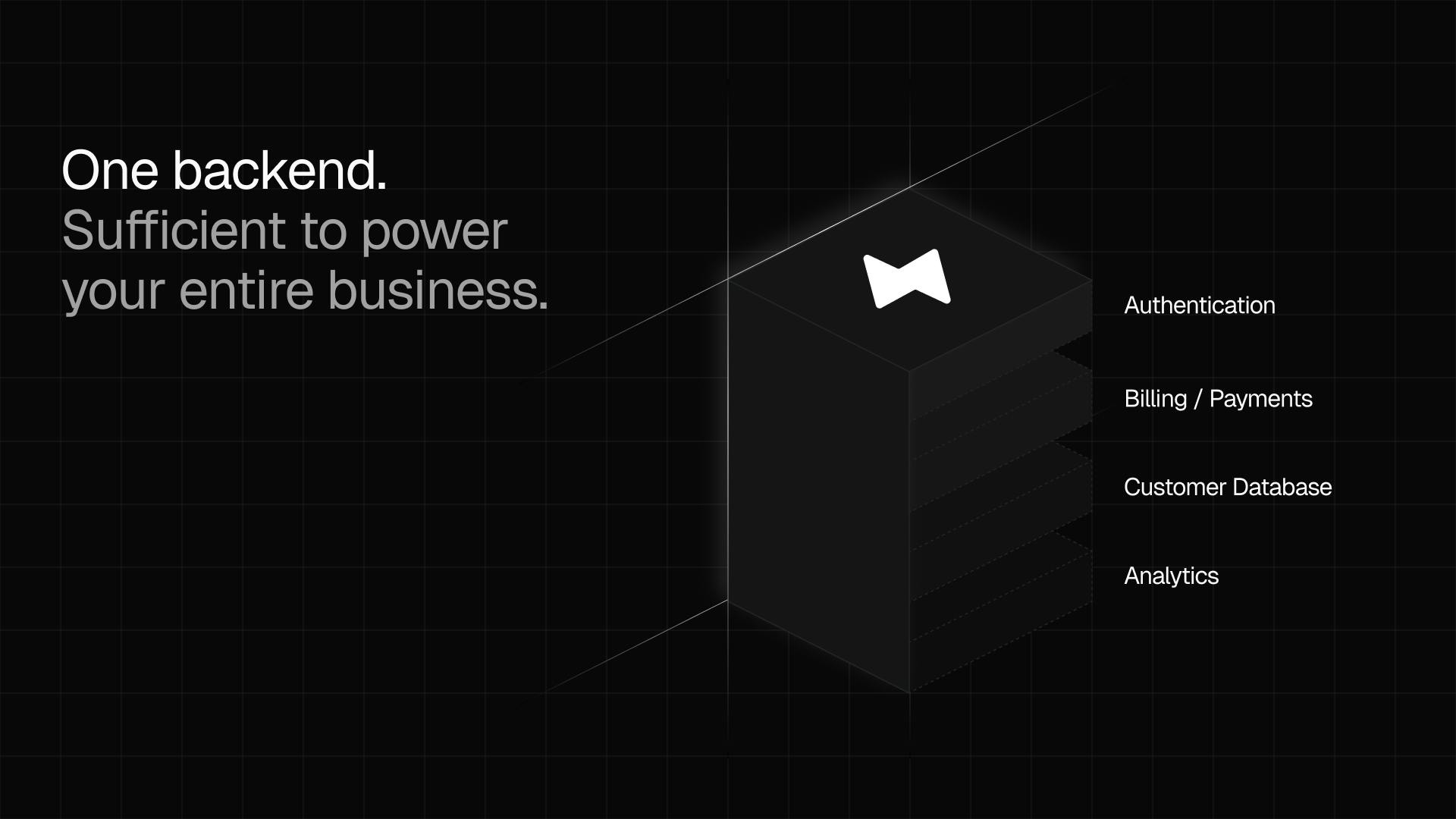
tiun.: An All-in-One Auth and Payments System Built for AI Developers
tiun. topped Product Hunt by giving AI developers auth, payments, billing, customer data, and analytics in one system — installable with a single command.

Axari: Let Your AI Twin Take Over the Mundane Work of Security Operations
Axari introduces an AI twin for SecOps teams, autonomously handling alerts, compliance checks, and repetitive tasks directly within Slack and Microsoft Teams.
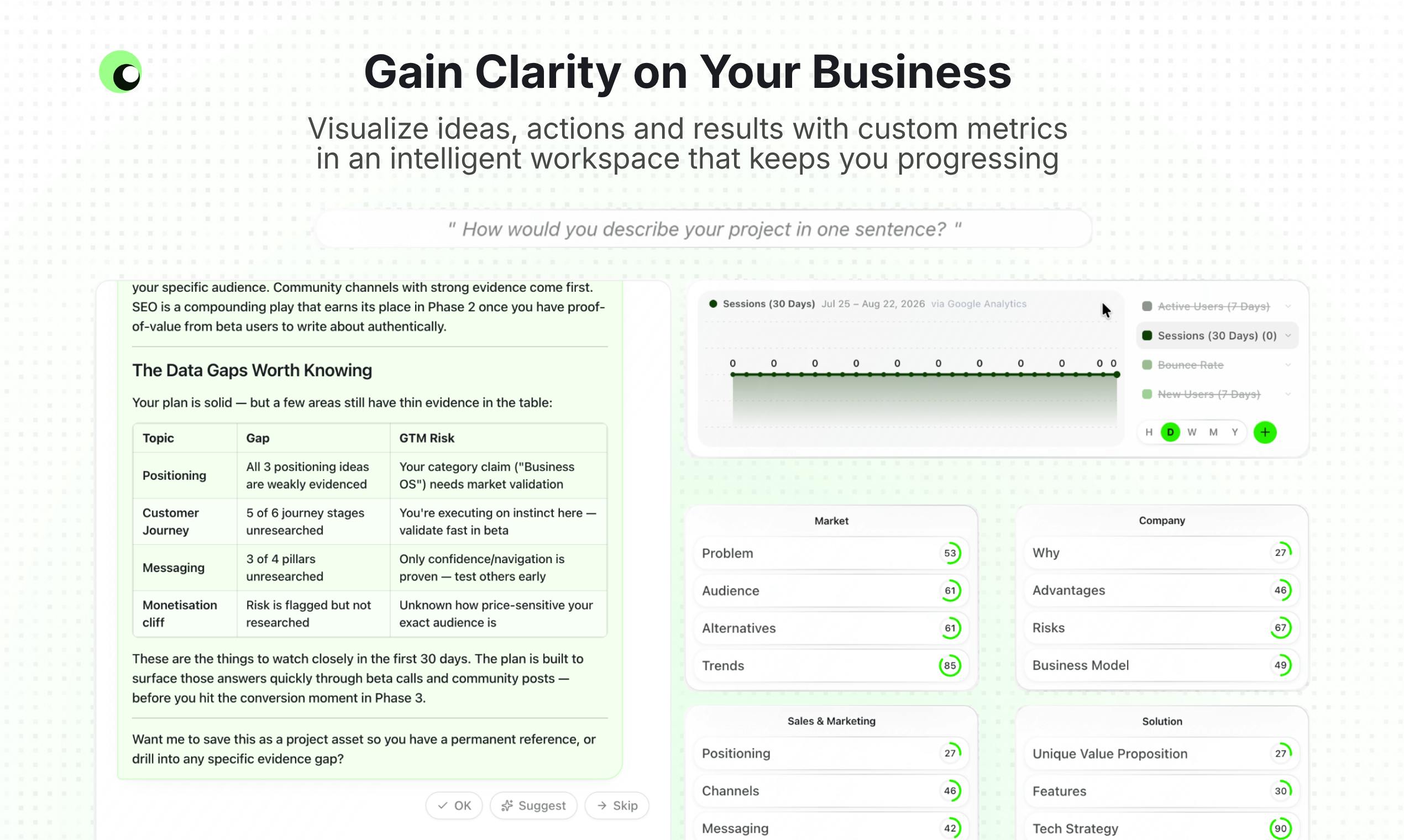
siift: Turning AI Startup Noise into Actionable Business Decisions
siift is an AI startup decision tool that turns scattered AI conversations and advice into a living business map — covering validation, GTM, and growth.