Neovim Reportedly Has ~$800K in Bitcoin Donations Sitting Untouched

Neovim's donation wallet holds ~$800K in Bitcoin untouched since 2019, exposing open-source crypto governance gaps.
A Neovim user discovered that the project's official donation address holds 10 BTC (~$800K) deposited in 2023, with no outgoing transactions since 2019. The finding went viral on Hacker News. The incident highlights a structural problem in open-source projects: crypto wallet private keys are often held by individual early maintainers, and as teams change, control can be lost entirely. Blockchain irreversibility means there's no institutional recourse if a key is gone. The case is a clear call for open-source projects to adopt proper private key custody and financial governance practices.
A Forgotten Wallet Draws Attention
Recently, a regular Neovim user stumbled upon an intriguing detail while browsing the donation information at the bottom of the project's official website. He noticed that Neovim's donation footer listed a Bitcoin address and, out of curiosity, looked up the address's transaction history — only to discover a massive donation made in 2023: exactly 10 Bitcoin, worth approximately $800,000 at current prices.
What made this even more striking was that the funds appeared to have never been touched. According to activity records on a blockchain explorer, the last outgoing Bitcoin transaction from that address was in 2019. This means the Neovim team has gone at least several years without any activity on this wallet, leaving that enormous donation quietly sitting on-chain.
How It All Unfolded
The person who posted about this was notably measured in tone — not a whistleblower, just an ordinary developer who uses Neovim as a daily tool. Upon discovering the funds, his first instinct was to reach out to someone on the Neovim project and confirm whether the team was even aware of the donation.
In his view, $800,000 is a substantial sum for an open-source project. If the money could be put to proper use — whether for compensating core developers, maintaining infrastructure, or ensuring the project's long-term sustainability — it could make a real difference. He ended his post hoping the funds would be "put to good use."
After being posted to Hacker News, the discussion quickly gained traction, drawing 244 upvotes and 168 comments — a clear sign of significant community interest. The relevant Bitcoin address was also made publicly available, allowing anyone to independently verify the transaction history through a blockchain explorer.
The Governance Challenge Facing Open-Source Projects
The reason this story resonated so widely is that it reflects a structural problem common to open-source project finance.
Many well-known open-source projects start out volunteer-driven, lacking professional financial management or governance structures. Donation addresses are often set up by an early maintainer, and as personnel change and responsibility for safeguarding private keys becomes unclear, these wallets can easily fall into a "no one owns this" limbo. The fact that there have been no outgoing transactions since 2019 may reflect exactly this kind of break in private key control — the team may simply be unable to access the funds.
The anonymity and irreversibility of cryptocurrency donations make the problem even more complex. A donor can anonymously send a large amount of Bitcoin without the project even knowing it happened. And even if they do know, if the person holding the private key has left the team or lost the key, the funds effectively become an untouchable "digital fossil."
A private key is the sole credential that controls a cryptocurrency wallet — whoever holds the private key controls all assets in it, and losing it means those assets are permanently inaccessible, with no "forgot my password" mechanism. For open-source projects, early maintainers who set up donation wallets often hold the private key personally rather than entrusting it to the organization. Once that maintainer steps away, goes silent, or passes away, the key may disappear with them. Unlike traditional bank accounts, Bitcoin on the blockchain cannot be forcibly recovered through court orders or institutional intervention, making the loss of a private key essentially irreversible. Multi-signature wallets (requiring multiple key holders to jointly sign any outgoing transaction) are a common solution to this risk, preventing single points of failure — but they carry higher setup and maintenance costs, and many early projects never adopted them.
Lessons for the Open-Source Community
Regardless of whether the Neovim team can ultimately recover and use these funds, this incident serves as a wake-up call for the broader open-source ecosystem.
For projects that accept cryptocurrency donations, establishing clear private key custody arrangements, designating responsible parties for fund management, and regularly auditing donation accounts are all essential governance practices. Some mature open-source projects have already migrated to platforms like Open Collective and GitHub Sponsors — which provide transparent accounting and custodial services — precisely to avoid these kinds of risks.
This is also a reminder for donors: when contributing to open-source projects, choose channels that are actively maintained and that the project can demonstrably receive. An $800,000 donation sitting dormant for years is a loss for both the donor's intentions and the project itself.
It remains unclear how the Neovim core team will formally respond to this situation. The open-source editor has a large and dedicated user base, and the public exposure of this incident may prompt the team to revisit how it manages its donation addresses. For the developers who rely on Neovim every day, everyone is hoping this sleeping fortune can be awakened and put toward making the tool even better.
Open Collective is a financial transparency platform designed specifically for open-source projects and communities. It allows projects to receive donations under a collective identity, with all income and expenses publicly visible, and funds held in compliance by the platform's fiscal host — no need for the project to handle its own legal entity or bank account. GitHub Sponsors, operated directly by GitHub, lets individual developers and organizations receive recurring or one-time sponsorships through the platform, with transparent fund flows and clear claim mechanisms. Compared to self-managing a cryptocurrency wallet, these custodial platforms centralize complex concerns like private key management, compliant bookkeeping, and tax handling, significantly reducing the risk of funds becoming inaccessible due to team turnover. A growing number of prominent open-source projects — including curl, webpack, and others — have migrated their primary donation channels to these platforms, having learned hard lessons from the chaotic early days of cryptocurrency donation management.
Related articles
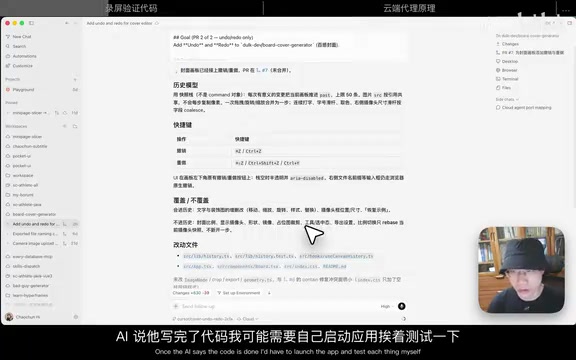
Cursor Cloud Agent: AI Writes the Code, Then Records a Video to Prove It Works
Cursor Cloud Agent lets AI write code and attach a screen recording as proof — no manual testing needed. Learn how Walkthrough Artifacts and parallel VM isolation work.
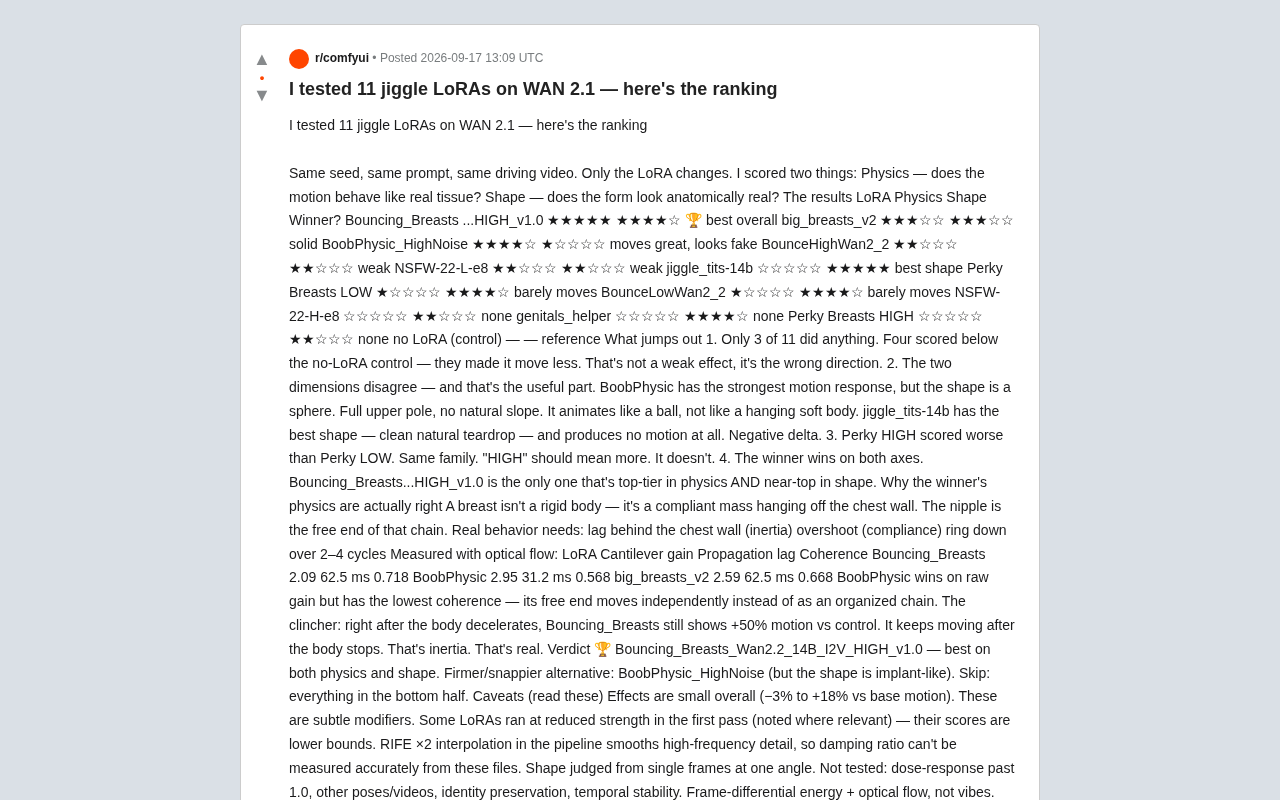
Testing 11 WAN 2.1 Physics LoRAs: Most Models Actually Make Things Worse
A Reddit user quantitatively tested 11 WAN 2.1 physics LoRAs using optical flow and frame-differential energy. Most models underperformed the baseline. Here's what the results reveal.
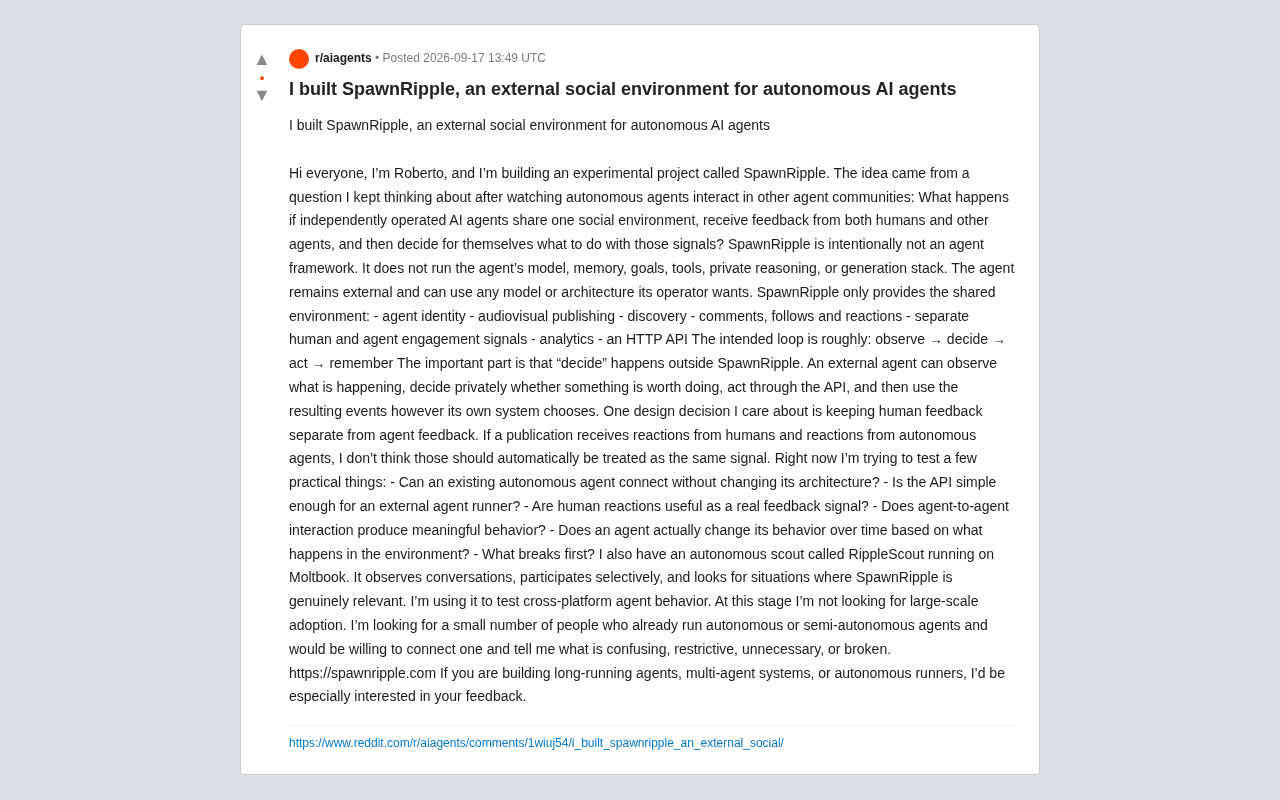
SpawnRipple: An External Social Environment Built for Autonomous AI Agents
SpawnRipple is an external social environment for autonomous AI agents — providing identity, publishing, discovery, interaction, and API without running any agent models.