Nintendo's Massive GitHub DMCA Sweep: Emulators and Firmware Taken Down
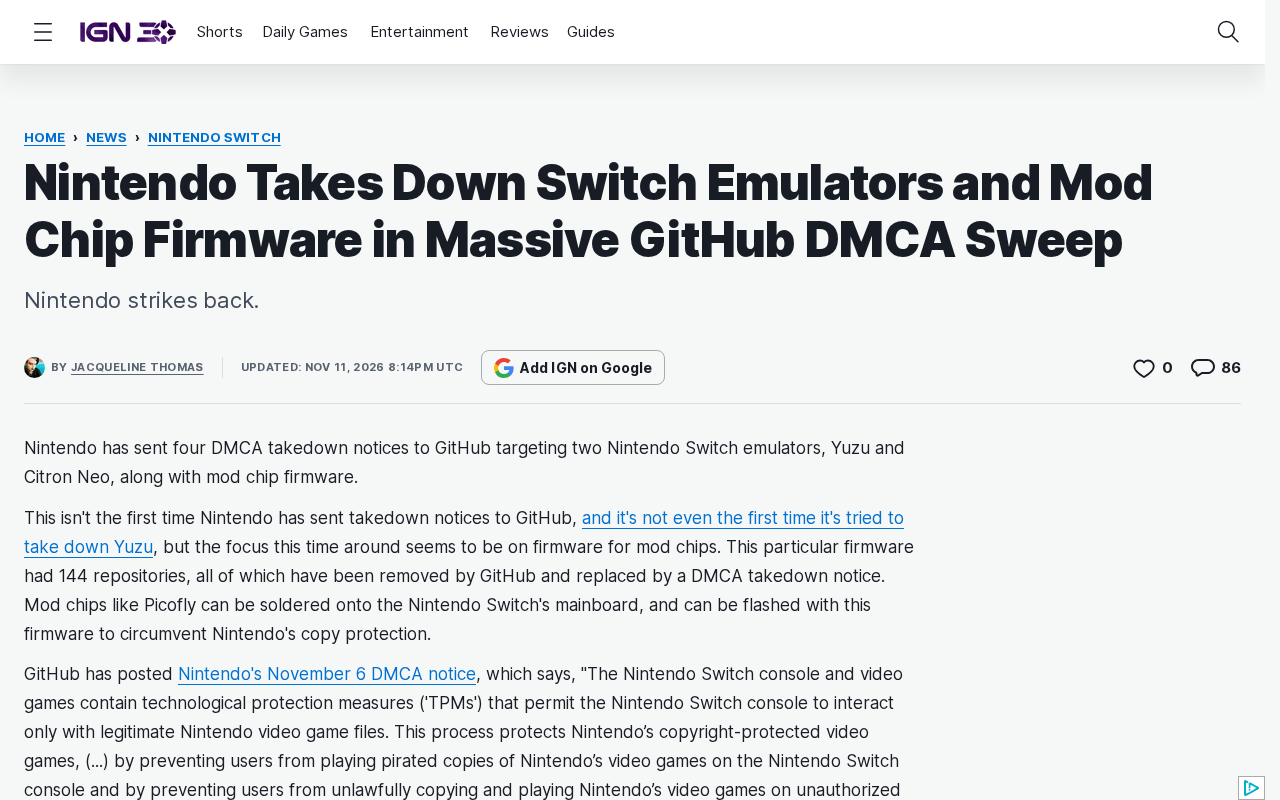
Nintendo launched a large-scale DMCA takedown on GitHub targeting Switch emulators and mod chip firmware.
Nintendo recently launched a large-scale DMCA takedown request on GitHub, targeting not only Switch emulators but also mod chip firmware. The move sparked heated discussion on Hacker News, with the post receiving 295 points and 224 comments, showing clear divisions over emulator legality, copyright boundaries, and hardware modification. Supporters say Nintendo is justified in protecting copyright; opponents worry about legitimate homebrew, game preservation, and research. The crackdown's expansion from software to hardware firmware touches the modding community's core interests. How GitHub handles the requests and whether developers appeal will shape the outcome. The incident reflects long-standing tension between the gaming industry and open-source community.
Nintendo has once again taken action against the Switch emulator ecosystem. According to IGN, Nintendo recently launched a large-scale DMCA (Digital Millennium Copyright Act) takedown request on GitHub, targeting not only Switch emulator projects but also extending to mod chip firmware. This move sparked widespread discussion on Hacker News, with the related post receiving 295 points and 224 comments, reigniting debate over emulator legality, copyright boundaries, and hardware modification issues.
Expanding Scope: From Emulators to Mod Chip Firmware
A notable feature of this DMCA sweep is that the targets are no longer limited to emulator software itself. According to IGN's report, Nintendo's takedown requests cover both Switch emulators and mod chip firmware. This means that in addition to emulators that directly run game backups, code related to modification chips used to bypass hardware restrictions and support unofficial firmware has also entered Nintendo's legal crosshairs.
For players familiar with the Switch ecosystem, this change is not surprising. Emulators and mod chips have long existed in a copyright gray area: emulator developers typically argue that their software does not contain Nintendo's copyrighted code, while mod chips involve circumventing hardware protection mechanisms. By including both in its DMCA requests, Nintendo shows it is trying to tighten control at both the software and hardware levels.
A detail worth noting: DMCA takedown requests differ from formal litigation in that they rely on platforms' rapid response mechanisms. As the world's largest code hosting platform, GitHub typically must balance takedowns and developer appeals when handling such requests. The scale of this sweep also raises questions about how GitHub will handle possible counter-notices going forward.
DMCA Takedown Requests and the Counter-Notice Mechanism
DMCA (Digital Millennium Copyright Act) takedown requests are a fast enforcement tool under the U.S. copyright law framework. Copyright holders can send a notice to a platform demanding removal of material they claim is infringing without filing a lawsuit. To avoid liability, platforms usually comply quickly. If developers believe a takedown is erroneous, they can submit a counter-notice stating the material is lawful and consenting to legal jurisdiction; after receiving a counter-notice, the platform may restore the content if the copyright holder does not sue within the statutory period. The mechanism was designed to balance copyright protection and free expression, but in practice it is often used by large companies as a low-cost suppression tool, since litigation costs far exceed sending bulk takedown notices. As a code hosting platform, GitHub's DMCA process includes publishing request records and allowing project owners to appeal, but large-scale sweeps can still cause open-source projects to vanish overnight.
Mod Chips and Circumvention of Hardware Protection
A mod chip is a modification chip installed on game console hardware to bypass official hardware protection mechanisms, enabling unofficial firmware, homebrew software, or pirated games. In the Switch ecosystem, such chips typically require specific firmware to work, and firmware code is often maintained by community developers and hosted on platforms like GitHub. Nintendo treats mod chip firmware as part of circumventing technological measures and files takedown requests under the anti-circumvention provisions of the DMCA. The anti-circumvention clause prohibits bypassing technological measures that control access to copyrighted works, even if the circumvention itself does not directly copy the work. The community argues that hardware modification is an exercise of ownership over one's own device and that firmware code may have legitimate uses. This dispute touches on the deep tension between hardware ownership and copyright protection in the digital age.
Community Reaction: Two Camps on Hacker News
In the related Hacker News discussion, the 224 comments show a clear divergence of views. Those supporting Nintendo's position argue that emulators and mod chips are often used to run pirated games, and that Nintendo as a copyright holder is justified in taking legal action to protect its interests. Opponents worry that such takedowns will affect legitimate homebrew software, preservation, and research uses, and express dissatisfaction with the DMCA mechanism being used by large companies as a suppression tool.
This divide is not new. The emulator community has long argued that emulator technology itself is legal and helps preserve gaming history and support academic research. Copyright holders emphasize that the emulator ecosystem is inextricably linked to actual piracy. What makes Nintendo's action draw more attention is that it expands the crackdown from software to hardware firmware, touching the core interests of the modding community.
As of reporting, the discussion is still ongoing. One focus of the community is whether GitHub will publish the full list of these DMCA requests and whether developers of taken-down projects intend to appeal. These follow-up actions will directly affect the actual impact of this sweep.
Legal and Community Debate Over Emulator Legality
The legality of emulators is not uniform across countries. In the United States, emulators themselves generally do not constitute infringement as long as they are independently developed through reverse engineering, contain no original code, and do not distribute copyrighted ROMs. The famous Sony v. Connectix case established the legality of commercial emulators within the scope of fair use. However, the emulator ecosystem is often intertwined with the distribution of pirated ROMs, and copyright holders therefore argue that emulators encourage infringement. The community also emphasizes the value of emulators in game preservation and academic research, especially when original hardware is discontinued and games are no longer officially available. Nintendo has historically taken a hard line on emulators and has sued multiple emulator projects. Including mod chip firmware in this crackdown further blurs the line between software emulation and hardware modification, raising concerns about over-enforcement.
Potential Impact on the Emulator Ecosystem and Open-Source Community
From a broader perspective, Nintendo's DMCA sweep reflects the long-standing tension between the gaming industry and the open-source community. Emulator projects often rely on open-source collaboration, with code hosted on platforms like GitHub; once a DMCA request is received, project repositories may be quickly taken down or relocated. For developers, this means continued legal uncertainty; for users, it may mean commonly used tools suddenly disappearing.
The inclusion of mod chip firmware in the crackdown may also affect technical sharing in the hardware modding community. Firmware related to mod chips is often maintained by community developers to enable unofficial functions. Nintendo views it as part of circumventing technological measures, while the community may see this as excessive interference with hardware ownership. The fundamental difference in positions makes it difficult to reach consensus on such disputes in the short term.
For open-source platforms, balancing DMCA obligations with protecting developer rights is an ongoing challenge. GitHub has previously been criticized for its DMCA takedown mechanism, and how it handles this large-scale request may become a case study for observing the direction of platform policy.
What to Watch: Takedown Lists and Appeal Progress
Currently, IGN's report provides an overall picture of this DMCA sweep, but the full list of taken-down projects, Nintendo's detailed claims, and developers' responses have yet to be further disclosed. The discussion on Hacker News also reflects high community expectations for information transparency.
For readers following emulators and the open-source ecosystem, what is worth watching next is whether GitHub publishes the relevant DMCA requests, whether taken-down projects file counter-notices, and whether Nintendo issues an official statement on this round of action. These developments will determine whether this sweep remains a platform-level takedown or escalates into broader legal action.
One-line Summary
Nintendo launched a large-scale DMCA takedown on GitHub targeting Switch emulators and mod chip firmware.
Paragraph Summary
Nintendo recently launched a large-scale DMCA takedown request on GitHub, targeting not only Switch emulators but also mod chip firmware. The move sparked heated discussion on Hacker News, with the related post receiving 295 points and 224 comments, showing clear community divisions over emulator legality, copyright boundaries, and hardware modification. Supporters argue Nintendo is justified in protecting its copyright, while opponents worry about impacts on legitimate homebrew software, game preservation, and research uses. The crackdown's expansion from software to hardware firmware touches the core interests of the modding community. How GitHub handles the requests and whether developers appeal will affect the actual outcome. The incident reflects the long-standing tension between the gaming industry and the open-source community.
Related articles
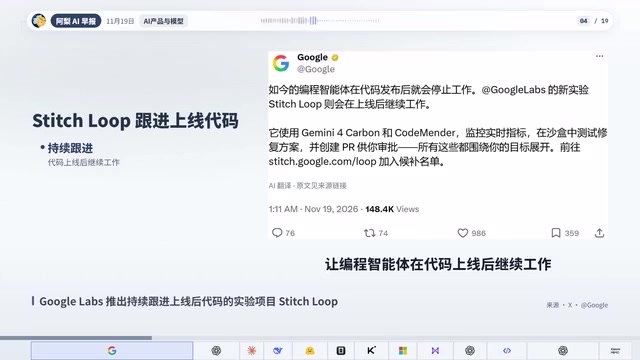
Gemini 4 Neon Released: Tops Coding Benchmarks, Gemini 4 World Model Opens Up
Google releases Gemini 4 Neon, topping the coding agent index with million-token context; Gemini 4 world model opens Project Genie; DeepSeek web search goes free; Microsoft unveils an on-device Windows small model; the White House discusses requiring US companies to disclose whether they use Chinese open-source models.
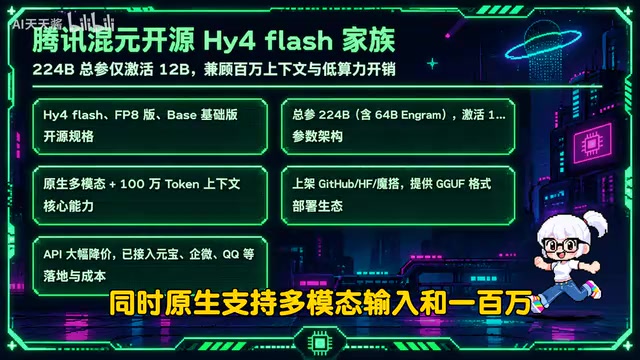
Google Gemini 4 Neon Released: Just $3 per Million Tokens as the AI Price War Escalates
Google releases Gemini 4 Neon at just $3 per million input tokens; Tencent open-sources Hy4 Flash; DeepSeek scraps search-crawling fees; Microsoft unveils new image and voice models; NVIDIA halts H200 shipments to China; Citi says no reimbursement for AI-agent fraud losses. Today's hardcore AI news in one read.
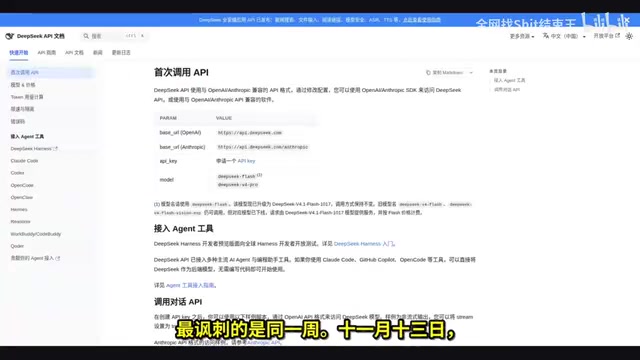
DeepSeek Quota Wall Pre-embedded in Code: The 48 Hours of Open-Source Migration Tools and Chat Restrictions
DeepSeek pre-embedded quota limits in frontend code two days early; old chats expire after 72 hours of inactivity on Nov 15, while APIs and client code go open-source the same week. This analysis examines the VRAM pressure and three-way resource contention behind rapid quota depletion, and the user dilemma of "not unwilling to pay, but unable to find where to pay."