Open-Source LEGO AI Generator: Turning Ideas into Brick Builds with AI

An open-source LEGO AI generator lowers the barrier to brick creation — but the real challenge is generating truly buildable structures.
This article covers an open-source LEGO AI generator that appeared on Hacker News Show HN, aiming to convert natural language descriptions or images into LEGO-style build plans. It examines the project's three-fold open-source value — transparency, community extensibility, and low-cost experimentation — and highlights the natural alignment between LEGO MOC culture and open-source collaboration. On the technical side, the author breaks down the core pipeline: input understanding, structural conversion, and buildability validation, emphasizing the significant gap between "looks like LEGO" and "can actually be built." The project is framed as a case study in generative AI entering vertical creative domains, where the value lies in contextual application rather than technical novelty.
An Open-Source Tool That Makes LEGO Creation Easier
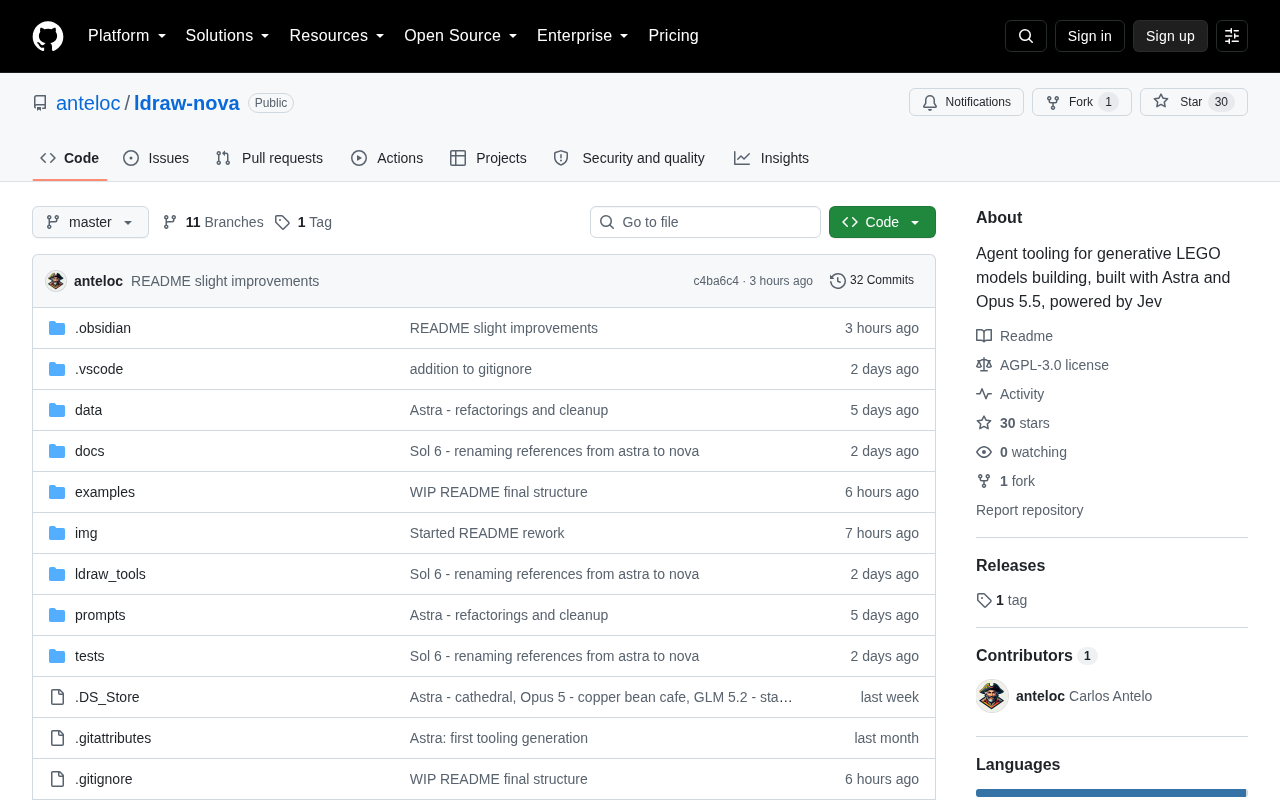
A project called "Open-Source LEGO AI Generator" caught the attention of the Hacker News community in its Show HN section. The tool has a straightforward goal: leverage AI to help users transform ideas into LEGO-style designs or buildable instructions. Released as open source, anyone can inspect the code, self-host it, or build on top of it.
Judging by community response, the project earned 26 upvotes and 12 comments — a level of engagement that, for an independent developer's Show HN submission, signals it's addressing a real need: making LEGO creation more accessible to casual fans and newcomers.
Why Tools Like This Matter
LEGO creation has always had a barrier to entry. Translating a mental image into an actual buildable brick structure requires a solid grasp of geometry, part inventories, and construction logic. Traditional LEGO design software — like the official BrickLink Studio or the long-standing LDraw ecosystem — is powerful but notoriously unfriendly to beginners, with steep learning curves.
AI generators try a different approach: let users describe what they want in natural language or provide a reference image, and have the model automatically produce a LEGO-fied result. This "lower the barrier to creation" philosophy mirrors how generative AI has been penetrating other domains like image generation and coding — wrapping professional-grade capabilities in a far more intuitive interface.
The Value of Going Open Source
One of the most commendable aspects of this project is its open-source approach. For an AI application, going open source delivers several concrete benefits:
Transparency and Trust
Users and developers can directly inspect how model calls are made and how data is handled, avoiding the privacy and data-use concerns that often surround closed commercial products. For a tool aimed at a creative community, transparency itself is a draw for early adopters.
Extensibility
Open source means the community can contribute parts libraries, optimize generation algorithms, and adapt the tool for different LEGO themes. LEGO enthusiasts already have a strong culture of sharing and customization — centered around MOC (My Own Creation) — which aligns naturally with the open-source spirit of collaboration.
MOC (My Own Creation) is a core concept in LEGO fan culture, referring to original builds designed entirely by the creator without relying on official sets. The MOC community has mature sharing platforms like Rebrickable, where fans exchange parts lists (BOM, Bill of Materials) and building instructions (in LDraw format). This ecosystem closely mirrors the PR (Pull Request) workflow of open-source software — contributors submit new parts databases or improved generation algorithms, and maintainers review and merge them. For a LEGO AI generator, whether it can integrate with Rebrickable's parts database largely determines the practical ceiling of what it can produce.
Low-Cost Experimentation
Developers can fork the project and run it locally without worrying about subscription fees or API quota limits, drastically lowering the cost of trying it out and learning from the codebase.
Technical Observations
Given the limited information available, the project's specific tech stack, model choices, and generation accuracy remain unclear. But based on how similar tools have been built, LEGO AI generators typically involve several key components:
- Input understanding: Parsing the user's text description or reference image to extract semantic information about shape, color, and theme.
- Structural conversion: Mapping that semantic information onto a voxelized or layered structure composed of standard LEGO parts.
- Buildability validation: Ensuring the generated structure can actually be assembled with real parts — not just rendered as a visual.
Of these, "buildability" is typically the hardest problem to crack. Generating a visually appealing LEGO-style image is relatively straightforward, but producing a genuine parts list and step-by-step building instructions that someone can actually follow is a much higher bar. This distinction will be the key metric for judging the real-world utility of any project in this space.
Voxelization is the process of converting a continuous 3D shape into a discrete grid of regular cubes — a natural fit for LEGO, since each standard brick is essentially a fixed-size voxel unit (8mm × 8mm × 9.6mm). Common implementations first sample input images or 3D models into a voxel grid, then run a parts substitution optimization: filling voxel cells with real bricks of various sizes (1×1, 2×4, 1×6, etc.) to minimize part count while preserving shape fidelity. LDraw is the open file format standard maintained by the LEGO community, storing each part's 3D coordinates and part number. It can be directly imported by mainstream tools like BrickLink Studio, making it the de facto standard for "buildable output."
What the Community Is Likely Discussing
Based on typical Show HN discussion patterns, those 12 comments likely center on a few key themes: the quality and usability of generated results, whether the tool supports exporting to mainstream LEGO design software, hardware requirements for running the model, and questions around copyright and compliance with official parts libraries. These are exactly the practical realities any AI tool aiming to land in the LEGO creation space will need to address.
Takeaway
This open-source LEGO AI generator is a snapshot of generative AI pushing into vertical creative domains. Its value lies not in technical breakthroughs, but in bringing AI capabilities into a niche with a well-defined user base and a rich creative culture. For LEGO enthusiasts and developers interested in applied AI, it's a project worth watching — and worth tinkering with. The real test will be whether it can keep iterating, evolving from "generates something that looks like LEGO" to "generates something you can actually build."
Related articles

Free Unlimited Claude Code Solution: Agnes AI + CC Switch Setup Guide
No paid subscription needed — pair the free AI platform Agnes AI with the open-source tool CC Switch to provide a backend for Claude Code, enabling unlimited free calls to text, image, and video models. This guide covers the full setup, test results, and usage boundaries.

A Complete Zero-Cost Guide to Getting Started with Claude Code for Beginners in China
A beginner's guide to Claude Code for users in China: two installation methods (command line and IDE plugin), full configuration steps for replacing the official API with the free domestic LongCat model, and a hands-on demo of building a small tool with natural language, plus tips.

When the NSA Gets Involved: The AI Supply Chain Crisis Behind Open-Source CVEs and API Key Hijacking
Multiple open-source projects disclosed severe CVEs in one day, PHP flaws alarmed the FBI, and Railway and OpenCode were breached with API keys stolen. This article breaks down the vulnerability window, AI-accelerated exploitation, and the AI supply chain crisis behind the API key black market, with a developer defense checklist.