OpenAI in Talks to Raise $30 Billion, Targeting $1.4 Trillion Valuation

OpenAI is in talks to raise $30B at a $1.4T valuation, with its IPO now expected around 2027.
OpenAI is reportedly negotiating a ~$30 billion funding round that would value the company at approximately $1.4 trillion, placing it among the world's most valuable companies. Seen as its final private raise before a now-delayed IPO expected around 2027, the round reflects soaring capital demands from model training, compute infrastructure, and data center buildout. Strategic motivations include locking in long-term investors and stabilizing valuation ahead of a public listing, though the company's complex governance restructuring also plays a role. Details remain unconfirmed and subject to change.
OpenAI's Largest Fundraise Yet
According to reports from foreign media, OpenAI is in talks to raise a new round of funding totaling $30 billion. If completed, the deal would push the company's valuation to approximately $1.4 trillion — a figure that is not only remarkable within the AI industry, but ranks among the largest capital raises in the entire history of tech investing.
Based on available information, this round is widely believed to be OpenAI's final private fundraise before a formal IPO. Previous expectations around its public listing have already been pushed back, with the market now broadly anticipating a public debut around 2027. In other words, this massive capital injection would serve as the company's critical war chest before entering the public markets.
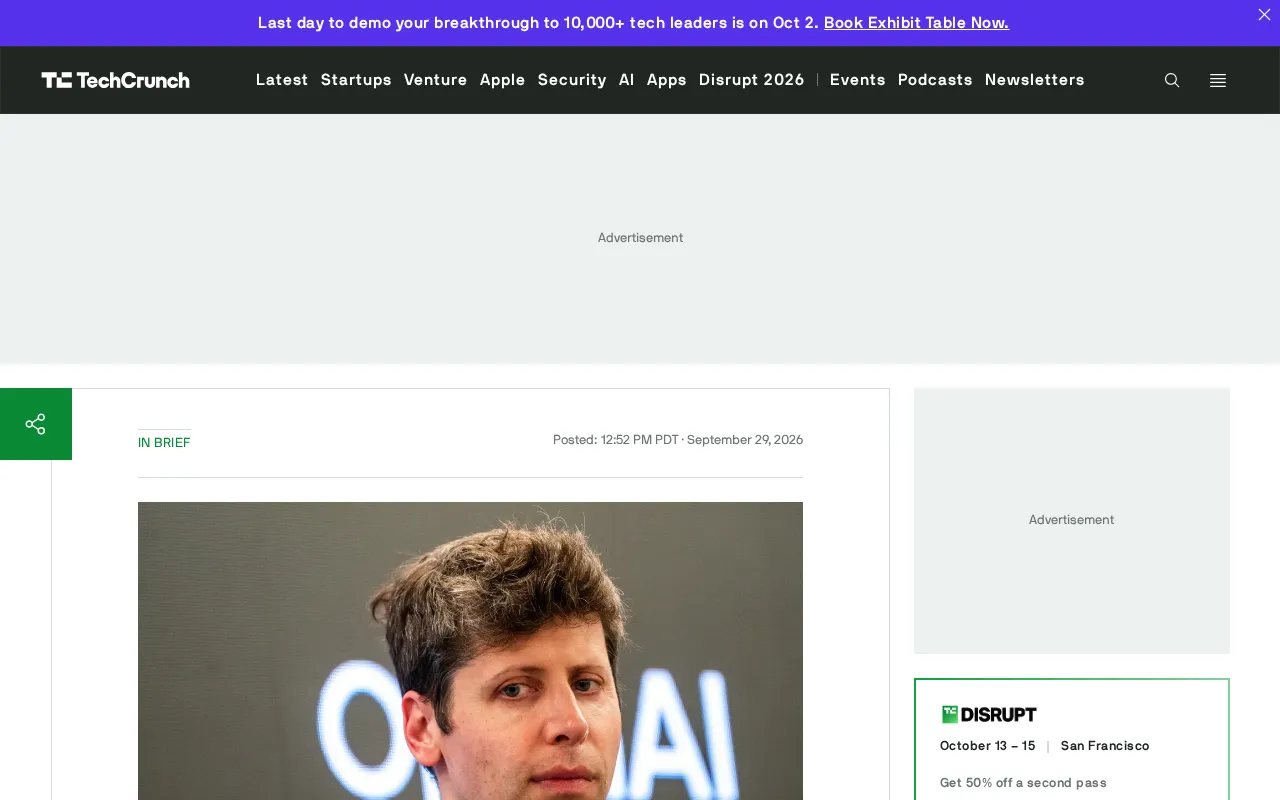
What a $1.4 Trillion Valuation Really Means
A valuation of $1.4 trillion would place OpenAI in the same tier as some of the world's most established tech giants. For a company that has yet to go public and whose commercial trajectory continues to evolve rapidly, such a price tag reflects an extraordinary long-term bet by capital markets on the value of artificial general intelligence.
To put this in context: OpenAI's capital needs have been expanding steadily in recent years. Large-scale model training, compute infrastructure investment, and long-term commitments around data centers and chip supply chains all demand enormous cash reserves. A $30 billion fundraise is, in many ways, a direct embodiment of the "spend to lead" model that defines the frontier AI race.
Why Raise Again Before Going Public
Completing a large private round before a formal IPO typically serves several strategic purposes. First, it allows the company to lock in a cohort of long-term strategic investors before public market pricing is set, reducing volatility risk at the time of listing. Second, it provides sufficient ammunition for continued compute and R&D expansion, avoiding cash flow pressure during a critical growth phase. Third, it helps establish a more favorable valuation anchor heading into IPO negotiations.
This type of large-scale pre-IPO private round is commonly referred to in Silicon Valley as a "Pre-IPO round," and has become increasingly prevalent among high-valuation tech companies in recent years. Unlike traditional venture rounds, Pre-IPO investors tend to be sovereign wealth funds, large institutional investors, or strategic corporates — parties willing to accept lower potential return multiples in exchange for securing a position before secondary markets open. For OpenAI, the composition of investors in this round will directly shape its shareholder structure and governance dynamics post-listing. Microsoft, as the existing core shareholder, will also be closely watched — its stance and level of participation in this new round will serve as an important indicator of the company's broader strategic direction.
What the Delayed IPO Timeline Signals
Reports indicate that OpenAI's public listing has been "delayed," with expectations now pointing to 2027. This shift in timeline is itself a meaningful signal. It may suggest that OpenAI wants its business model to mature further and its path to profitability to become clearer before facing scrutiny from public investors. It may also be tied to the company's complex governance structure and ongoing adjustments to its relationships with key shareholders.
For the broader industry, every capital move OpenAI makes carries benchmark significance. If this round closes successfully, it could further inflate valuation expectations across the AI sector and influence the fundraising pace and pricing logic for comparable companies going forward.
OpenAI's governance structure has long been unusual: the company was originally established as a nonprofit, which later created a "capped-profit" subsidiary to attract outside capital, with investor returns subject to defined limits. This dual-layer structure has faced growing pressure for reform in recent years, and the company has reportedly been working toward transitioning to a more conventional for-profit corporate structure. Restructuring governance involves not just a redistribution of shareholder interests, but also directly affects the legal feasibility and timeline of its IPO pathway. Until these structural issues are fully resolved, delaying the IPO is a prudent way to avoid potential regulatory and legal risk.
A Note of Caution
It is worth emphasizing that all of this information remains at the "in discussions" stage, with no official confirmation. The fundraise size, final valuation, and IPO timeline are all subject to change, and actual outcomes may differ from what has been reported. In the absence of further disclosure, these figures are best treated as reference points for observing industry trends rather than definitive conclusions.
As more details emerge, the true terms of the round, the identity of investors, and the intended use of funds will become clearer. For anyone tracking the competitive landscape of the AI industry, this will be a critical window for assessing where capital is flowing — and how the competitive dynamics are likely to evolve.
Related articles

Altman Declares: The Cybersecurity Crisis Is Unsolvable and There Are Too Many Vulnerabilities to Patch
OpenAI CEO Sam Altman publicly admits he can't fix all security vulnerabilities and that the cybersecurity crisis will keep worsening. This article analyzes the industry reality behind this statement: exploding software complexity, the double-edged sword of AI, and the need to shift security paradigms from "zero vulnerabilities" to resilient defense.

Product Hunt Launches Visual Launch Editor, Saying Goodbye to Tedious Form Filling
Product Hunt launches a Visual Launch Editor with in-place editing for name, tagline, gallery, and maker info, auto-saved drafts, and a checklist to guide creators.

Zelensky Speaks: How We Held Kyiv Against 200,000 Russian Troops
Zelensky recalls the early Russia-Ukraine war: 200,000 Russian troops drove on Kyiv while Ukraine's main forces were in the east. He explains how mobilization grew the army from 200,000 to 800,000 and how Kyiv and Chernihiv oblasts were recaptured.