Phare C1: The Smart Smoke Detector That Knows the Difference Between Fire and Toast

Phare C1 uses multi-sensor arrays and learning algorithms to replace Nest Protect and eliminate cooking false alarms.
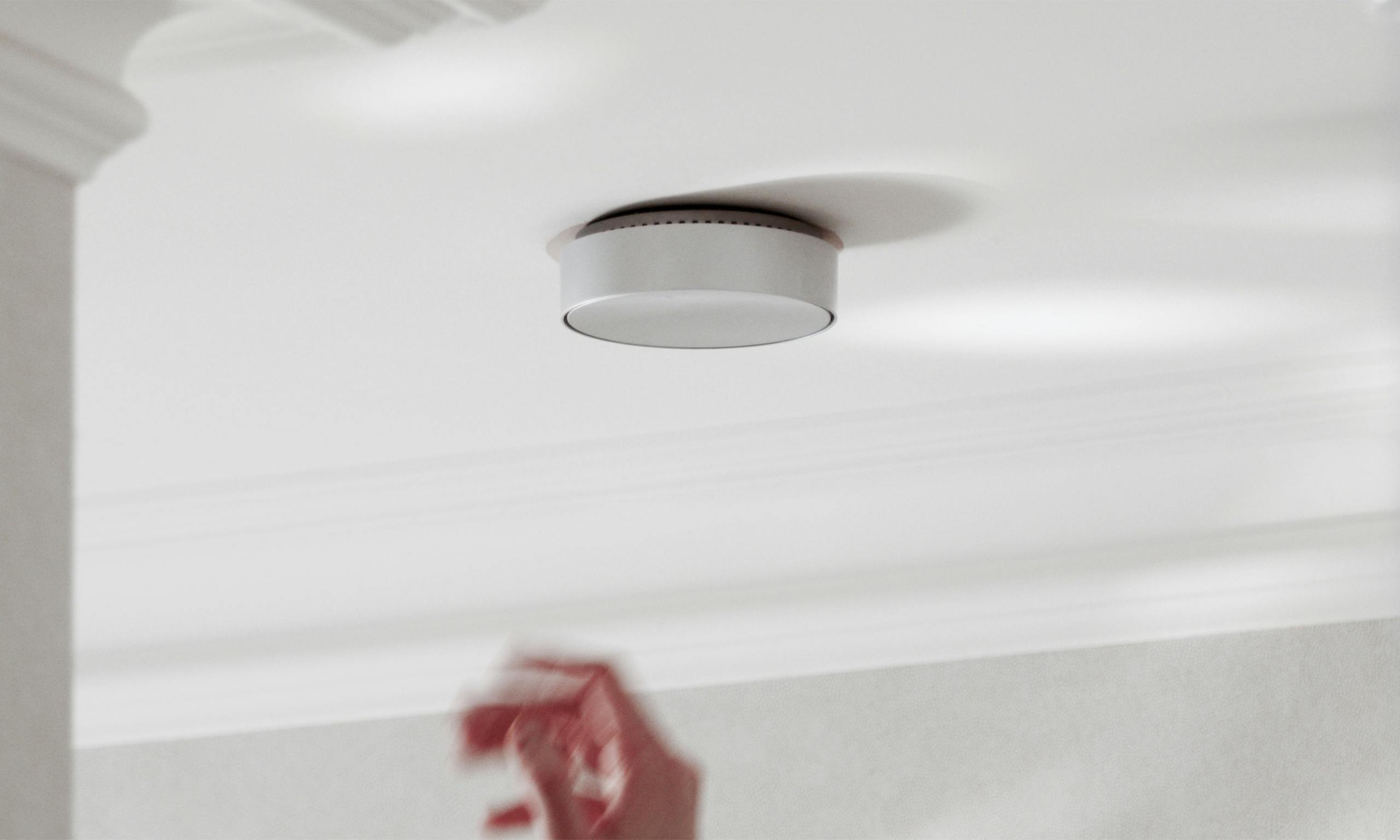
Phare C1 is a smart smoke detector positioned as a successor to Google Nest Protect, using a multi-sensor array and self-learning algorithm to dramatically reduce false alarms from everyday cooking. It retains Nest Protect's early warning, nightlight, and app notification features while adding air quality monitoring and intruder detection, aiming to redefine smoke detectors as home environment hubs. With 73 upvotes on Product Hunt, it addresses a real need — though algorithm effectiveness, privacy boundaries, and long-term trust remain to be proven.
A New Take on Smart Smoke Detection
The most frustrating thing about smoke detectors isn't that they fail to go off when they should — it's that they go off when they shouldn't. Cook a meal, toast some bread, and suddenly a piercing alarm turns your kitchen into chaos. Phare C1 addresses this pain point head-on with its product tagline: "A smoke detector that detects fires, not toast."
This smart home device launched on Product Hunt, earning 73 upvotes and landing at #13 for the day. Its core selling point is accurately identifying genuine emergencies. Categorized under IoT and home security, it was built by a team including Arnau Donate Duch.
How a Multi-Sensor Array Reduces False Alarms
At the heart of Phare C1 is a multi-sensor array that simultaneously monitors for fire and carbon monoxide (CO), enabling early and precise detection. Single-sensor detectors are prone to false alarms precisely because they struggle to distinguish between cooking smoke and actual fire smoke. Cross-validating data from multiple sensors is the approach designed to solve this problem.
The product also claims its detection algorithm has the ability to learn and improve over time — meaning the device becomes increasingly reliable the longer it's used. This "gets smarter with use" philosophy pushes the traditional passive alarm toward active learning. While the company hasn't disclosed algorithm specifics, the description suggests a typical approach of continuously accumulating data to optimize detection thresholds.
Multi-sensor arrays typically combine photoelectric smoke sensors (which detect visible smoke particles), ionization smoke sensors (more sensitive to fine combustion particles), CO sensors, and temperature sensors. Photoelectric sensors react strongly to larger particles like cooking fumes and steam, making them the most susceptible to kitchen false alarms, while ionization sensors respond more to the fine particles produced by open flames. By cross-referencing signals from multiple sensors, the algorithm can apply more complex rules — for example, "rising CO levels without a corresponding temperature anomaly" is more likely a gas leak than a fire — enabling more accurate alarm classification for different scenarios. This is fundamentally why cheap single-sensor detectors have far higher false alarm rates than multi-sensor solutions.
Stepping Into Nest Protect's Shoes
Phare C1 has a clear positioning: filling the market gap left by the discontinuation of Google's Nest Protect (RIP). It carries forward several of Nest Protect's most beloved features:
- Early warnings: Alerts before fire or CO levels become dangerous
- Nightlight: Automatically illuminates when you walk by at night
- In-app push notifications: Receive alerts instantly even when you're away from home
For users who grew accustomed to Nest Protect but were left searching for alternatives after its discontinuation, this functional continuity significantly lowers the switching cost. Smart home device abandonment stranding users mid-ecosystem is a common problem, and Phare C1 actively targeting this displaced user base is a pragmatic market entry point.
Google Nest Protect was the benchmark product in the smart smoke detector category, known for voice alerts (announcing the specific type of threat rather than a shrill beep), Nest App integration, and coordination with Nest thermostats to shut down HVAC systems and prevent smoke from spreading. In 2024, Google announced that Nest Protect would stop selling in 2025 with cloud service support discontinued, leaving many existing users facing degraded or completely non-functional devices. This phenomenon of "smart devices becoming bricks due to manufacturer decisions" exposed the inherent risks of smart home products deeply dependent on cloud services, and gave products capable of picking up its functionality a clearly defined target audience.
Beyond Alarms: Air Quality and Intruder Detection
Beyond inheriting classic features, Phare C1 adds two new capabilities:
Air quality monitoring — expanding the device from a pure "emergency alarm" into an everyday home health monitoring tool. Given the long-term health impact of indoor air quality, this feature ensures the device delivers continuous value during the vast majority of time when there's no fire.
Intruder detection — a surprisingly bold functional extension that merges smoke detection with home security. A device already mounted on the ceiling with sensing and networking capabilities is a reasonable hardware candidate for security monitoring too.
This "one device, multiple functions" strategy is essentially redefining the value proposition of smoke detectors as a category — transforming them from a device with presence only during emergencies into a continuously operating home environment hub.
Indoor air quality monitoring typically covers PM2.5 (fine particulate matter), VOCs (volatile organic compounds, commonly found in paint, furniture, and cleaning products), CO₂ concentration, and temperature/humidity. Long-term exposure to high concentrations of VOCs or CO₂, even without immediate danger, can have chronic effects on respiratory health and cognitive function. Integrating air quality sensors into a detector shifts the device from an "occasional emergency tool" to a "continuously operating environmental monitoring node" — commercially, this also means significantly higher daily usage frequency and app open rates, deepening long-term user engagement. Intruder detection may be implemented using infrared thermal imaging, ultrasound, or cameras, but the specific approach has not been disclosed, and its privacy implications deserve scrutiny.
Product Observations and Takeaways
Phare C1's product logic is straightforward: apply technical improvements to the longstanding false alarm problem, capture the market gap left by Nest Protect's exit, then broaden use cases through air quality and security features. Based on early Product Hunt feedback, it's tapping into genuine needs among smart home users.
That said, a few things are worth watching: the real-world effectiveness of the algorithm's "learning capability" will require long-term validation; whether the multi-sensor array and intruder detection introduce new privacy or power consumption concerns remains to be seen; and how users can rebuild trust in the long-term maintenance of smart alarms after the Nest Protect experience is an open question. For households looking for a smart alarm that's reliable and doesn't cry wolf, Phare C1 at least offers a new option worth keeping an eye on.
Related articles

Free Unlimited Claude Code Solution: Agnes AI + CC Switch Setup Guide
No paid subscription needed — pair the free AI platform Agnes AI with the open-source tool CC Switch to provide a backend for Claude Code, enabling unlimited free calls to text, image, and video models. This guide covers the full setup, test results, and usage boundaries.

A Complete Zero-Cost Guide to Getting Started with Claude Code for Beginners in China
A beginner's guide to Claude Code for users in China: two installation methods (command line and IDE plugin), full configuration steps for replacing the official API with the free domestic LongCat model, and a hands-on demo of building a small tool with natural language, plus tips.

When the NSA Gets Involved: The AI Supply Chain Crisis Behind Open-Source CVEs and API Key Hijacking
Multiple open-source projects disclosed severe CVEs in one day, PHP flaws alarmed the FBI, and Railway and OpenCode were breached with API keys stolen. This article breaks down the vulnerability window, AI-accelerated exploitation, and the AI supply chain crisis behind the API key black market, with a developer defense checklist.