Product Iteration and Revenue Growth: Lessons from a Single Tweet
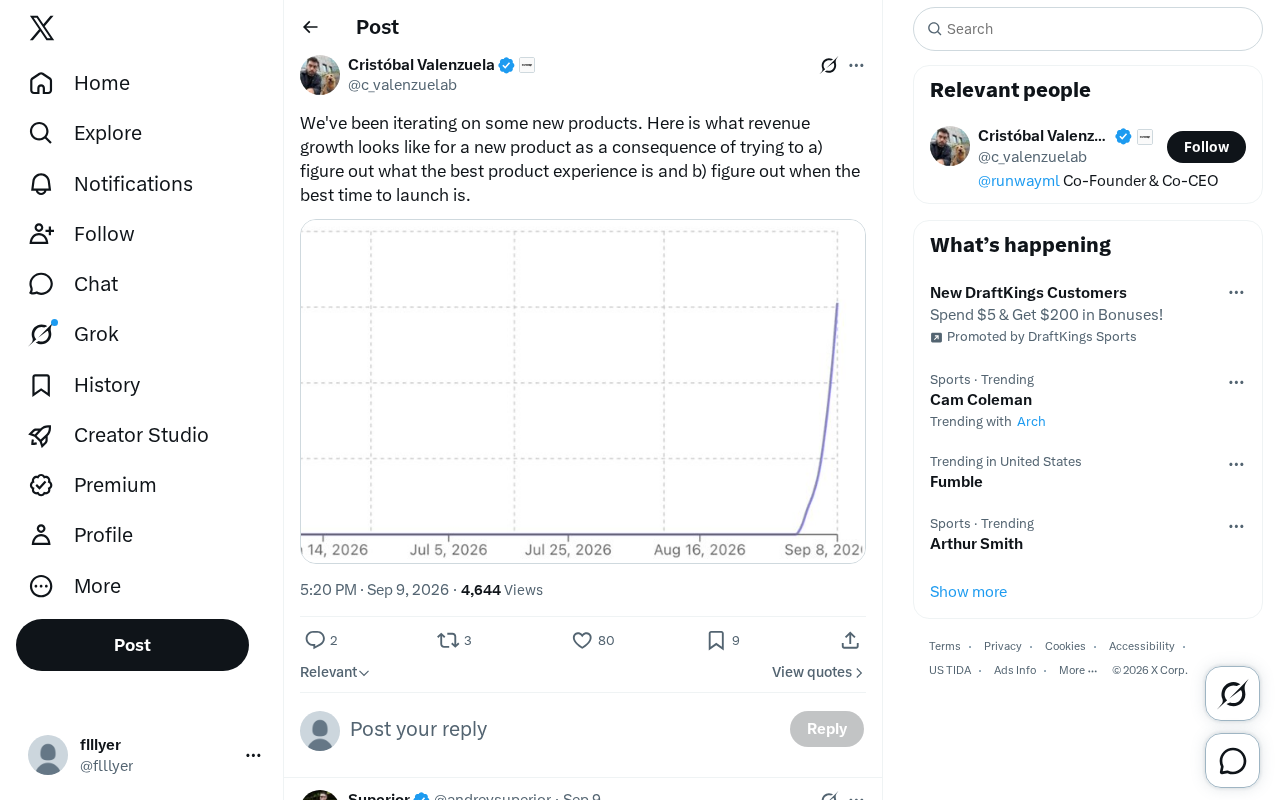
Getting product experience and launch timing right are the two fundamentals behind any genuine revenue growth curve.
Drawing from a brief Twitter post, this article distills two core questions in taking a product from zero to one: how to find the best product experience, and how to identify the right launch timing. The author treats the revenue growth curve as the most direct measure of iteration effectiveness — more honest than activity or retention metrics, because it reflects users paying with real money. The piece explores how iterative thinking works in practice: experience is refined through repeated validation cycles, timing is tested rather than assumed, and revenue data forms the essential feedback loop for staying on course. For founders and PMs, building a fast-validation, continuous-optimization process is far more practical than trying to get everything right on the first launch.
Source Material
This article is based on a brief Twitter post in which the author shared a revenue growth curve from an ongoing product iteration process, touching on two core themes: how to find the best product experience, and how to choose the right time to launch. Given the limited information in the original post, this piece expands on those two points to distill a practical product growth methodology.
Two Key Questions: Product Experience and Launch Timing
The original post mentioned that the team had been iterating on new products, with the revenue growth curve as the visible result. The author framed their work around two focal points: a) figuring out what the best product experience actually is; and b) deciding when the right time to launch is.
These questions may sound simple, but they run through nearly the entire lifecycle of taking a product from zero to one. The first is about the core value of the product itself — whether users genuinely need it and are willing to pay for it. The second involves aligning with market timing, the competitive landscape, and user expectations. Many products fail not because the experience isn't good enough, but because they launched too early or too late.
Why the Revenue Curve Matters
The author used revenue growth as the direct metric for measuring iteration effectiveness — a telling choice. Compared to intermediate indicators like activity rates or retention, revenue is the most honest signal. It means users voted with their wallets.
During the product iteration phase, the shape of a revenue curve often reveals several things: steep early growth may reflect novelty or marketing spend, while steady, sustained growth indicates that the product experience has truly found its footing. By continuously refining the experience, testing different launch cadences, and observing how the revenue curve responds, the team is essentially using data to reverse-engineer Product-Market Fit.
Product Refinement Through an Iteration Mindset
What's worth borrowing from this post is the underlying "iteration" mindset it conveys. A product isn't locked in on the first try — it converges toward an optimal state through repeated cycles of building an experience, reviewing data, adjusting, and re-launching. This approach emphasizes:
- Product experience isn't decided on a whim; it's converged through multiple rounds of validation
- Launch timing also requires experimentation, not gut instinct
- Revenue data serves as a critical feedback loop for calibrating direction
For any team building a new product, this data-driven approach — with revenue as the north star metric — is a pragmatic path forward.
Takeaway
This tweet was brief, but it pointed to two fundamental questions in product growth: getting the experience right, and getting the timing right. A genuine growth curve is almost always the natural result of countless iterations and trade-offs. For founders and product managers, rather than aiming to get everything perfect on the first try, the better move is to build a mechanism for rapid validation and continuous optimization.
Note: This article is based on a single, brief source. The original post did not disclose the specific product, any numerical data, or industry context. The analysis presented here is an extended interpretation grounded in general product methodology.
Related articles
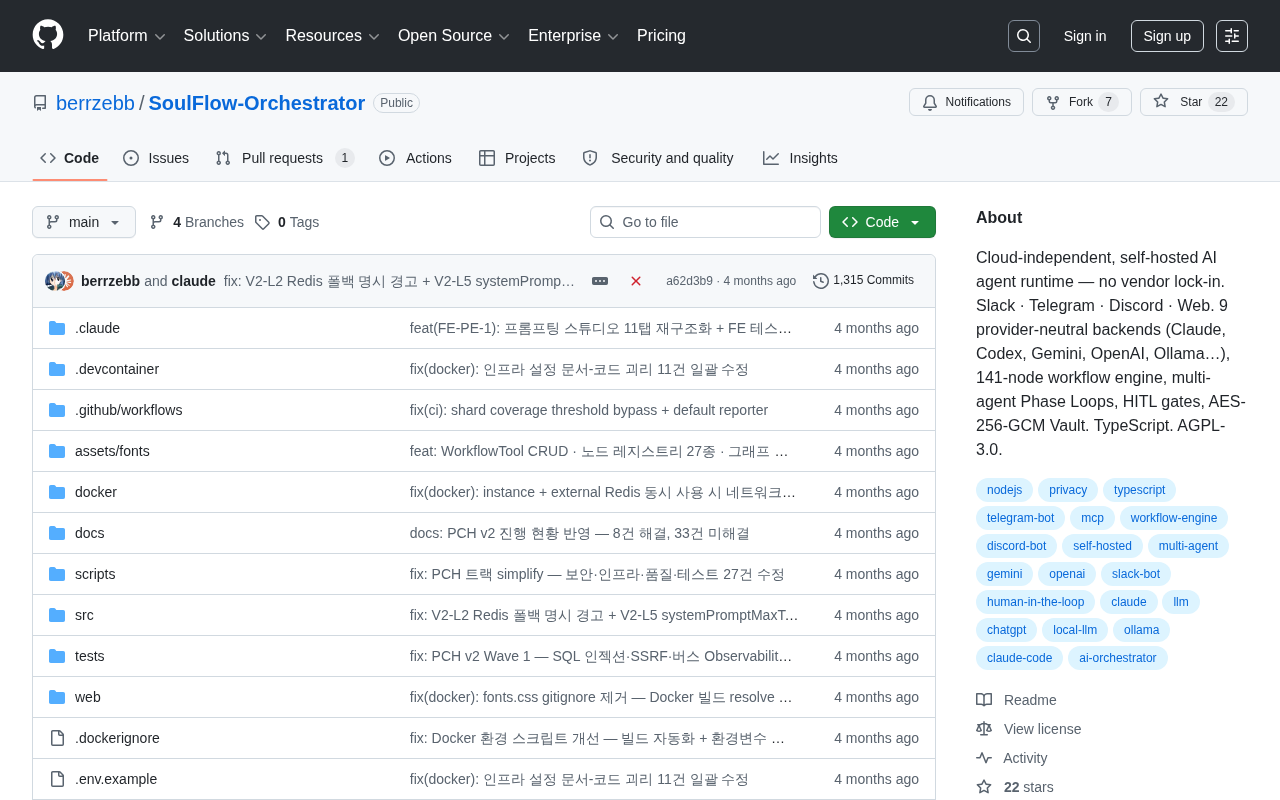
SoulFlow-Orchestrator: A Self-Hosted, Vendor-Lock-In-Free AI Agent Runtime
SoulFlow-Orchestrator is an open-source, self-hosted AI agent runtime with no vendor lock-in. Supports 9 neutral backends (Claude, OpenAI, Ollama), 141-node workflow engine, multi-agent loops, and HITL gates.
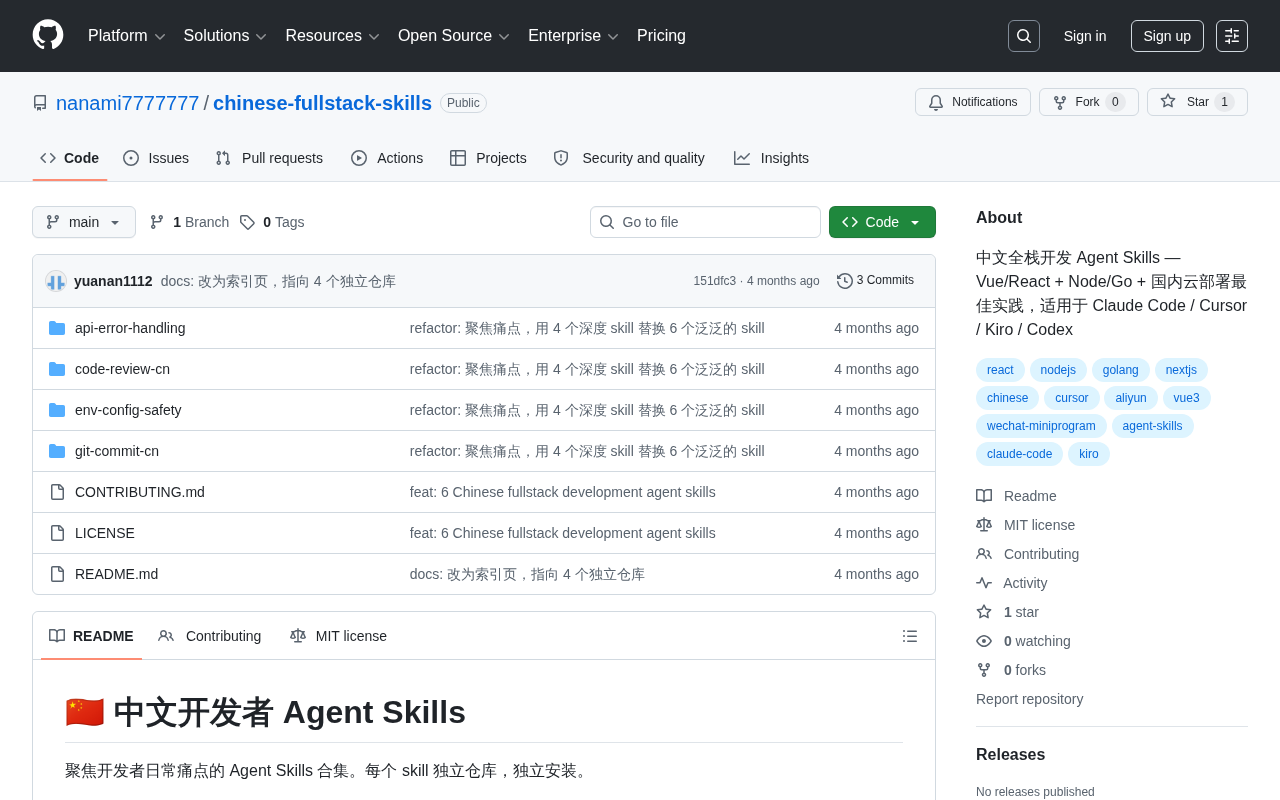
Chinese Full-Stack Agent Skills: A Skill Library Tailored for Domestic AI-Assisted Development
chinese-fullstack-skills is an Agent Skills library for Chinese full-stack development, covering Vue/React, Node/Go, and domestic cloud deployment best practices. Compatible with Claude Code, Cursor, Kiro, and Codex.
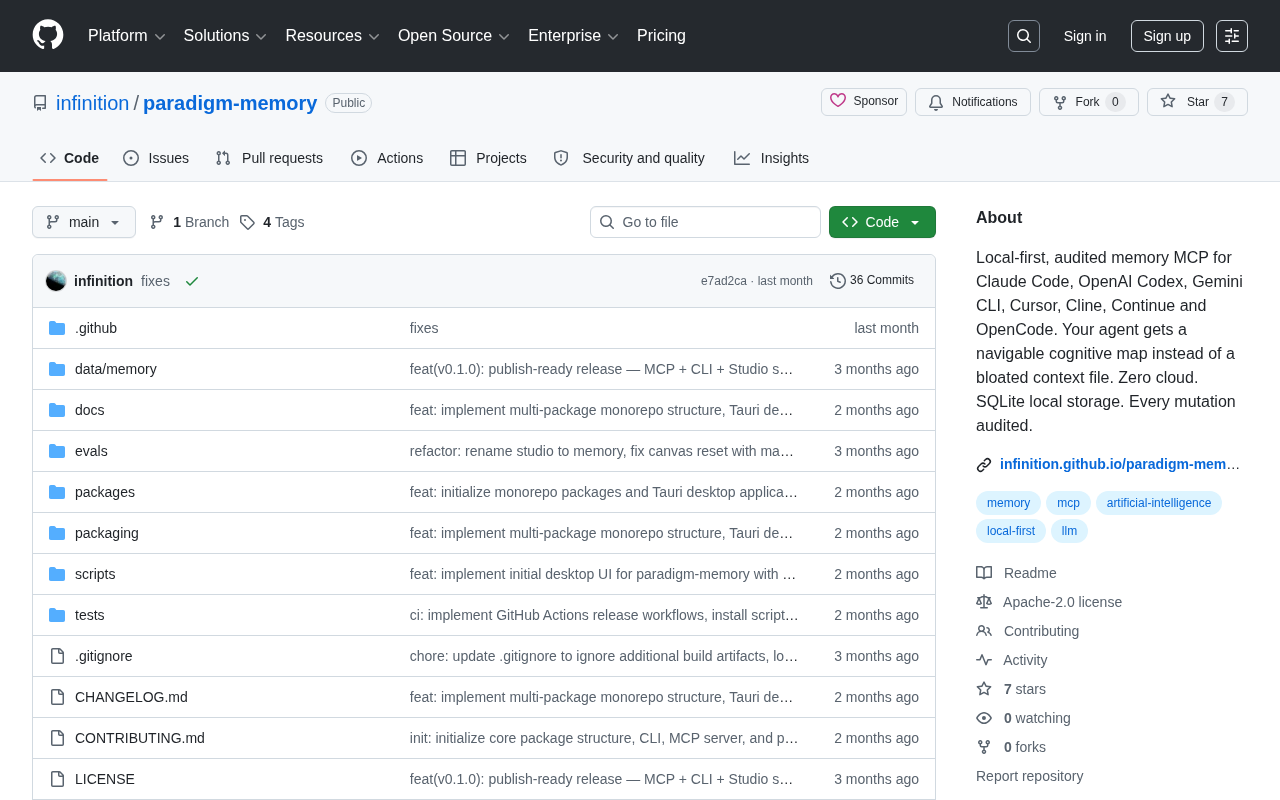
Paradigm Memory: A Local-First Memory System for AI Coding Assistants
paradigm-memory is a local MCP memory tool for Claude Code, Cursor, and Cline. It uses SQLite local storage, zero cloud, full audit trails, and a navigable cognitive map instead of bloated context files.