Project Zero Tightens Vulnerability Disclosure: 90-Day Deadline Takes Effect
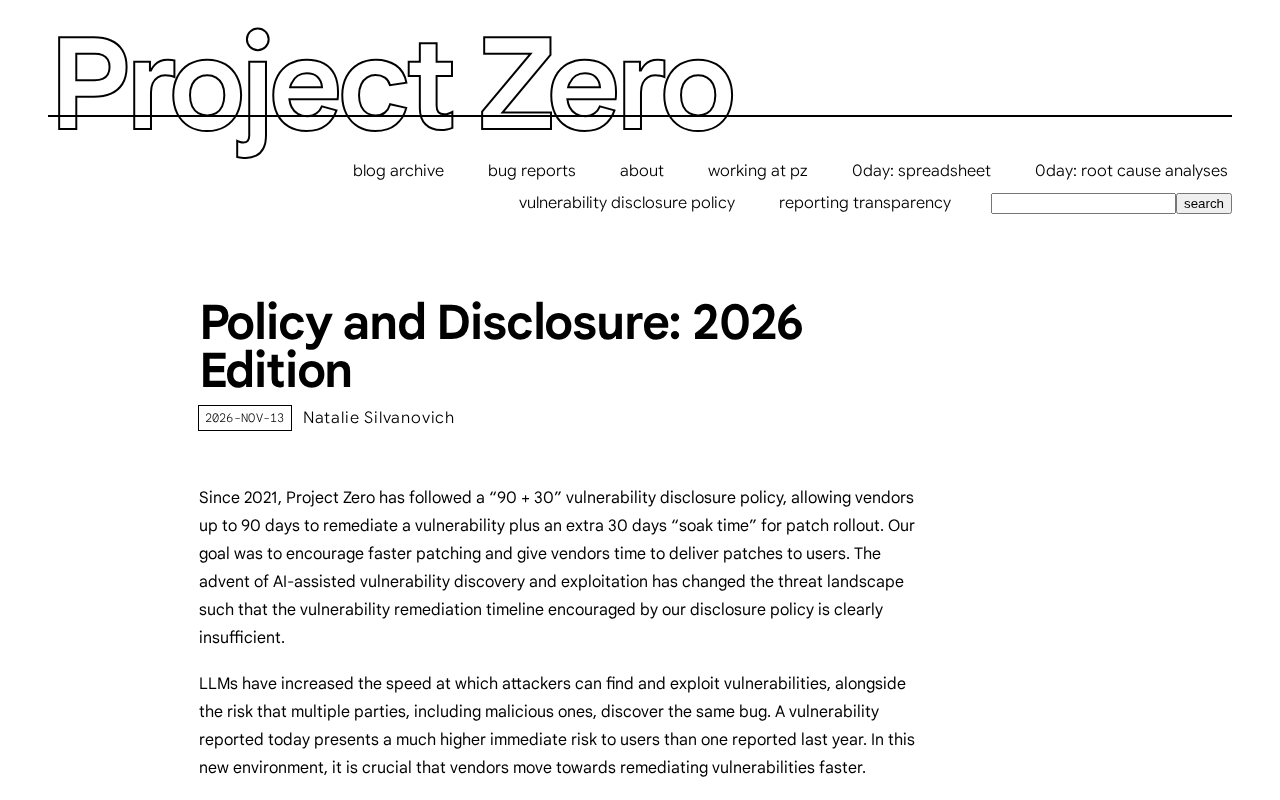
Project Zero sets disclosure at 90 days after report, compressing vendor fix windows and sparking security community debate.
Google's Project Zero will publicly disclose vulnerability details 90 days after reporting them to vendors. The change drew 236 points and 102 comments on Hacker News, reflecting the security community's sensitivity to disclosure timelines. The article examines the industry context: three months is seen as a reasonable remediation cycle, but a rigid 90-day rule increases pressure on vendors. Earlier disclosure helps users mitigate risk but lowers the barrier for attackers; large vendors face patch scheduling pressure, while smaller ones may struggle to meet the deadline. Debate centers on timeline fairness, extension mechanisms, and incomplete patches.
Vulnerability Disclosure Rules Get a Hard Reset
Google's security research team Project Zero has announced a change to its vulnerability disclosure policy: details of a vulnerability will be made public 90 days after it is reported to the vendor. The change sparked widespread discussion on Hacker News, where the post garnered 236 points and 102 comments, showing that the security community remains highly sensitive to disclosure timelines.
The core tension in vulnerability disclosure policy is this: vendors need time to fix the issue, while attackers may already be exploiting it. A disclosure deadline both pressures vendors to act and safeguards users' right to know. By setting the public disclosure point firmly at "90 days after report," Project Zero is further compressing the remediation window, leaving vendors with less buffer room.
Project Zero is a security research team established by Google in July 2014. Its original mission was to find and disclose zero-day vulnerabilities in foundational software such as operating systems and browsers, in order to push the entire industry toward better security. One of the team's best-known contributions is proposing and practicing its "90+30" disclosure policy: vendors have 90 days to fix a vulnerability, shortened to 7 days if the flaw is being exploited in the wild; if a vendor releases a patch within 90 days, it gets an additional 30-day grace period before technical details are made public. Project Zero's disclosure policy has a demonstrative effect in the industry, and its rule adjustments are often seen as a bellwether for the tug-of-war between the security research community and vendors.
Why 90 Days
Ninety days is not an arbitrary number. The security industry has long regarded three months as a relatively reasonable remediation cycle: enough time to confirm the vulnerability, develop a patch, and test and release it, without leaving an unfixed vulnerability in "secret" status for too long. Project Zero previously took a more flexible approach to disclosure timing; unifying on 90 days sends the signal that rule enforcement will be more rigid.
From the vendor's perspective, a 90-day deadline creates obvious scheduling pressure. Patch releases at large vendors often require multiple rounds of regression testing, and coordinating across multiple product lines drives costs even higher. Once the deadline approaches and a fix is not complete, vendors may face the awkward situation of "the vulnerability is public but the patch isn't ready."
A zero-day vulnerability is a software security flaw for which the vendor has not yet released a patch, or which is not yet publicly known. The term "zero-day" stems from the fact that when an attacker exploits the flaw, the vendor has zero days left to fix it. Zero-days are extremely valuable on the black market and are often used for targeted attacks, espionage, and ransomware. The core dispute over vulnerability disclosure policy is precisely this: how long should vulnerability details remain secret before a patch is ready? The shorter the disclosure period, the sooner users can learn about the risk and take mitigations—but the more likely attackers are to exploit it first. The longer the period, the more comfortable the vendor's remediation—but a vulnerability remaining secret for a long time is itself a risk. Project Zero's 90-day rule is an attempt to draw a relatively rigid line between the two.
Impact on Vendors and Users
For users, a shorter disclosure cycle means learning earlier about which risks exist in the products they use, allowing them to take temporary mitigations. But the risks are real too: once vulnerability details are public, the barrier for attackers to obtain exploitation information is lowered, and systems that have not yet been patched are exposed to greater threats.
For vendors, this policy is effectively a forcing mechanism. The existence of a disclosure deadline pushes security teams to make vulnerability response processes tighter and reduces internal delays. For smaller vendors with weaker response capabilities, the 90-day deadline may pose a genuine challenge, and the reputational pressure from public disclosure will be more direct.
Coordinated disclosure is the mainstream practice in vulnerability disclosure today: security researchers communicate privately with the vendor before publicly disclosing vulnerability details, giving the vendor a remediation window and negotiating a public disclosure date. The opposite is "full disclosure," where researchers publish vulnerability details directly without prior notice. Coordinated disclosure attempts to balance the vendor's need to fix with the public's right to know, but its effectiveness depends heavily on the vendor's responsiveness and transparency. When vendors drag their feet on fixes, researchers often face moral pressure over whether to disclose on the original schedule. By setting the disclosure point firmly at 90 days after report, Project Zero is in essence reinforcing the binding force of coordinated disclosure through rule-making, reducing the uncertainty of case-by-case negotiation.
What the Security Community Is Debating
Discussion on Hacker News centered on a few themes: first, whether 90 days is fair for all vulnerability types, given the wide variation in difficulty of fixing complex flaws; second, how Project Zero would handle it if a vendor requests an extension; third, whether vendors will rush out incomplete patches after public disclosure. These discussions reflect that disclosure policy has never been merely a matter of a number of days—it is the balance point in a three-way game among vendors, researchers, and users.
Looking at industry trends, vulnerability disclosure is shifting from "vendor-driven" to "rule-driven." With Project Zero constraining remediation behavior through explicit deadlines, it is worth watching whether other security research teams follow suit with similar policies. For ordinary users, the most practical action remains keeping software up to date—no matter how disclosure rules change, patching is always the most effective line of defense.
One-line Summary
Project Zero sets vulnerability disclosure at 90 days after report, compressing vendors' remediation window and sparking heated debate in the security community.
Paragraph Summary
Google's security research team Project Zero has announced a change to its vulnerability disclosure policy: details will be made public 90 days after a vulnerability is reported to the vendor. The change drew 236 points and 102 comments on Hacker News, reflecting the security community's high sensitivity to disclosure timelines. The article analyzes the industry context behind the 90-day deadline: three months is seen as a relatively reasonable remediation cycle, but unifying on 90 days means more rigid rule enforcement. For users, earlier awareness helps them take mitigations, but public vulnerability details also lower the barrier for attackers to obtain exploitation information; for vendors, it is a forcing mechanism—large vendors face patch scheduling pressure, while smaller vendors may struggle to complete fixes within the deadline. The debate focuses on the fairness of the timeline, extension mechanisms, and the risk of incomplete patches.
Related articles

No Coding Required: He Shipped an App Store App by 'Cutting Features' and Nitpicking with AI
A game designer with zero frontend/backend skills shipped a dual-platform App Store app with AI—not via one-click generation, but by cutting scope and nitpicking like a demanding client.
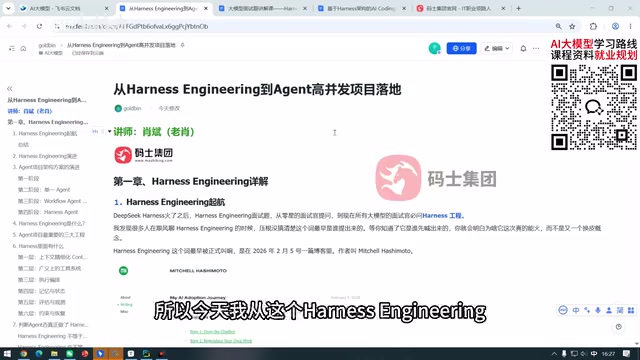
What Is Harness Engineering? From Concept Origins to Enterprise-Level Agent Implementation
What is Harness Engineering? This article traces the concept's origins and analyzes enterprise-level Agent requirements for tool call fault tolerance, data security, tenant isolation, and memory gaps.
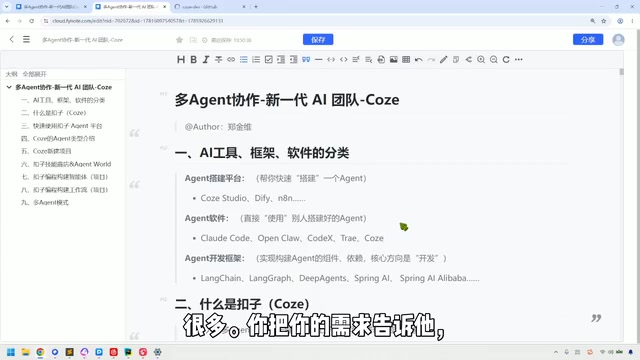
Coze in Practice: A Three-Tier Agent Classification and a Multi-Agent Collaboration Guide
A Bilibili tutorial breaks down the multi-agent collaboration toolchain into three categories: building platforms like Coze Studio and Dify, Agent software like Claude Code, and development frameworks like LangChain—plus a Coze demo of industry templates, three-platform interoperability, local Agent integration, and the trade-offs of credit consumption.