Quincy, Washington: A Model for Data Centers and Communities Thriving Together
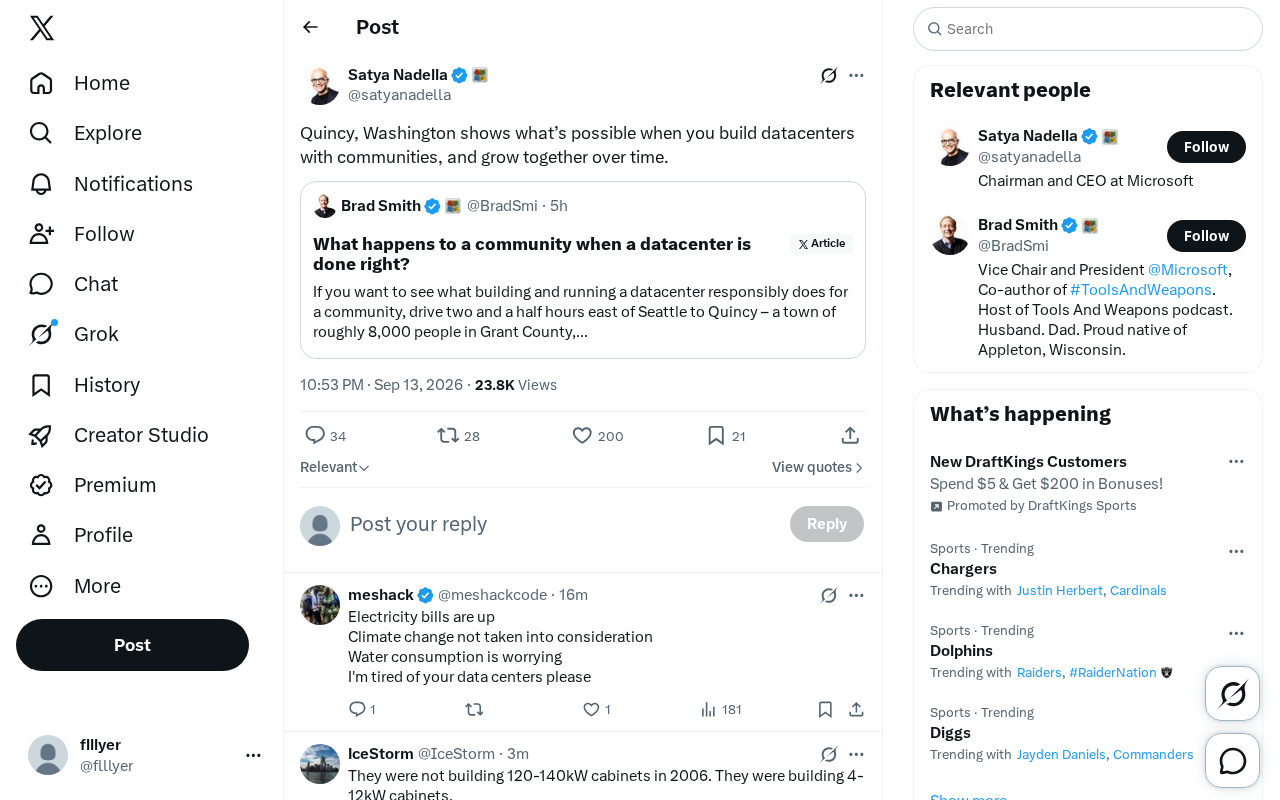
Quincy, WA demonstrates how a long-term co-development model can turn data centers into community growth engines.
The small town of Quincy, Washington attracted major tech companies with low-cost hydroelectric power, but its real value as a case study lies in a collaborative model: operators established long-term dialogue with local government and residents, creating shared benefits across jobs, energy, and public services. As AI-driven demand fuels an unprecedented data center buildout, Quincy illustrates why operators of these decades-long, heavy-asset investments can't treat host communities as one-time transactions — and why transparent communication and local investment can transform resource competition into a genuinely mutual growth story.
The Quincy Story: How Data Centers Can Coexist with Communities
Quincy, a small town in Washington State, has become a go-to case study in tech industry conversations about data center siting and community relations. The core proposition is compelling: when companies choose to build data centers alongside a community — and grow together with it over time — the outcomes can exceed all expectations.
This idea reflects a theme that's gaining increasing attention amid the global data center construction boom: scaling infrastructure shouldn't come at the expense of local communities. Instead, it should pursue a long-term, mutually beneficial path forward.
Why Quincy Matters
Quincy is, at its core, a small agricultural community. Yet its abundant hydroelectric power, favorable climate, and relatively low land costs have drawn several major tech companies to establish large-scale data centers there. For a town of modest population, that influx has meant significant growth in tax revenue, employment, and infrastructure investment.
What truly sets Quincy apart, though, isn't the economic numbers alone — it's the collaborative model it represents. Rather than simply acquiring land and building facilities, companies here have established ongoing dialogue with local government and residents, creating a framework for shared benefit across electricity, water resources, education, and public services.
The Value of Long-Term Thinking
A key dimension of the Quincy story is the idea of "growing together over time." Data centers are heavy-asset investments with lifecycles measured in decades. That reality makes the relationship between operators and communities anything but transactional. Sustained investment, incremental expansion, and the cultivation of local talent have built a foundation of genuine, durable trust.
This long-term perspective stands in stark contrast to projects that expand rapidly while ignoring community feedback — developments that may generate short-lived prosperity but sow the seeds of conflict through resource strain, environmental pressure, and social friction.
Industry Context: The Data Center Expansion Wave
With the explosive growth in AI training and inference workloads, global data center construction is entering an unprecedented peak. Demand for computing power is pushing companies to accelerate buildouts in regions with reliable power, adequate cooling capacity, and available land — areas that are often small, sparsely populated communities.
Against this backdrop, the relationship between data centers and host communities has become an unavoidable topic. Power consumption, water usage, and strain on local grids are real concerns for residents. Quincy's experience sends a clear message to the industry: chasing raw compute scale isn't enough. The key to sustainable expansion lies in how infrastructure genuinely integrates into — and gives back to — the communities it inhabits.
From Conflict to Common Ground
The tensions that typically arise between data centers and communities tend to center on resource competition and the distribution of benefits. But when companies treat communities as partners rather than merely as locations, the dynamic can shift from zero-sum conflict to mutual gain.
The Quincy model shows that through transparent communication, prioritizing local hiring, and co-investing in public infrastructure, data centers can become engines of long-term local development — not just outside entities extracting local resources.
Lessons for the Industry
The Quincy case offers several reference points for an industry expanding on a global scale. Site selection shouldn't focus solely on resource availability — it should also assess the potential for building lasting community relationships. Investment planning needs to incorporate a community development dimension, not just compute capacity and cost metrics. And companies should treat communities as partners in shared growth, honoring that commitment across the full timeline of their presence.
As competition in AI infrastructure intensifies, this community-centered approach to development may well represent the most important path toward balancing technological expansion with social responsibility.
Note: This article draws on observations shared on social platforms. Specific figures and project details regarding Quincy should be verified against additional public sources.
Related articles
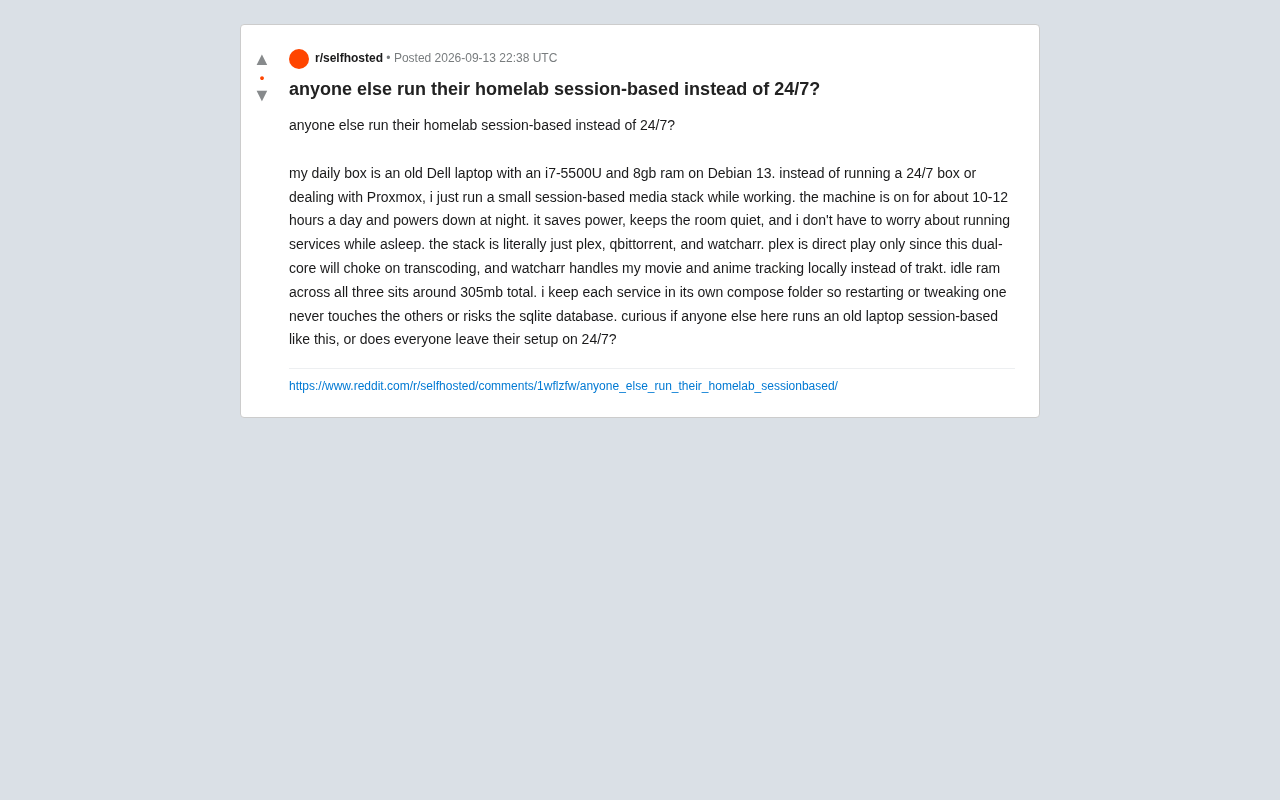
Session-Based Home Server: Running a Low-Power Homelab on an Old Laptop
A Reddit user runs Plex, qBittorrent, and Watcharr on a 10-year-old laptop for just 10–12 hrs/day, using only 305MB RAM idle. Exploring session-based vs. 24/7 Homelab trade-offs.
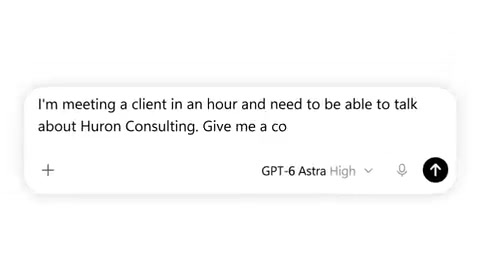
OpenAI Launches ChatGPT for Financial Services: Built-in Financial Data + GPT-6 Reasoning
OpenAI launches ChatGPT for Financial Services, combining built-in financial data with GPT-6 Astra reasoning to support research, financial modeling, and client materials for financial institutions.

When AI Controls Your Credit Card: The Hidden Risks of Autonomous Payments
When AI agents gain credit card access, hidden dangers emerge: vague authorization, prompt injection attacks, and unclear liability. Learn the real risks and how to stay protected.